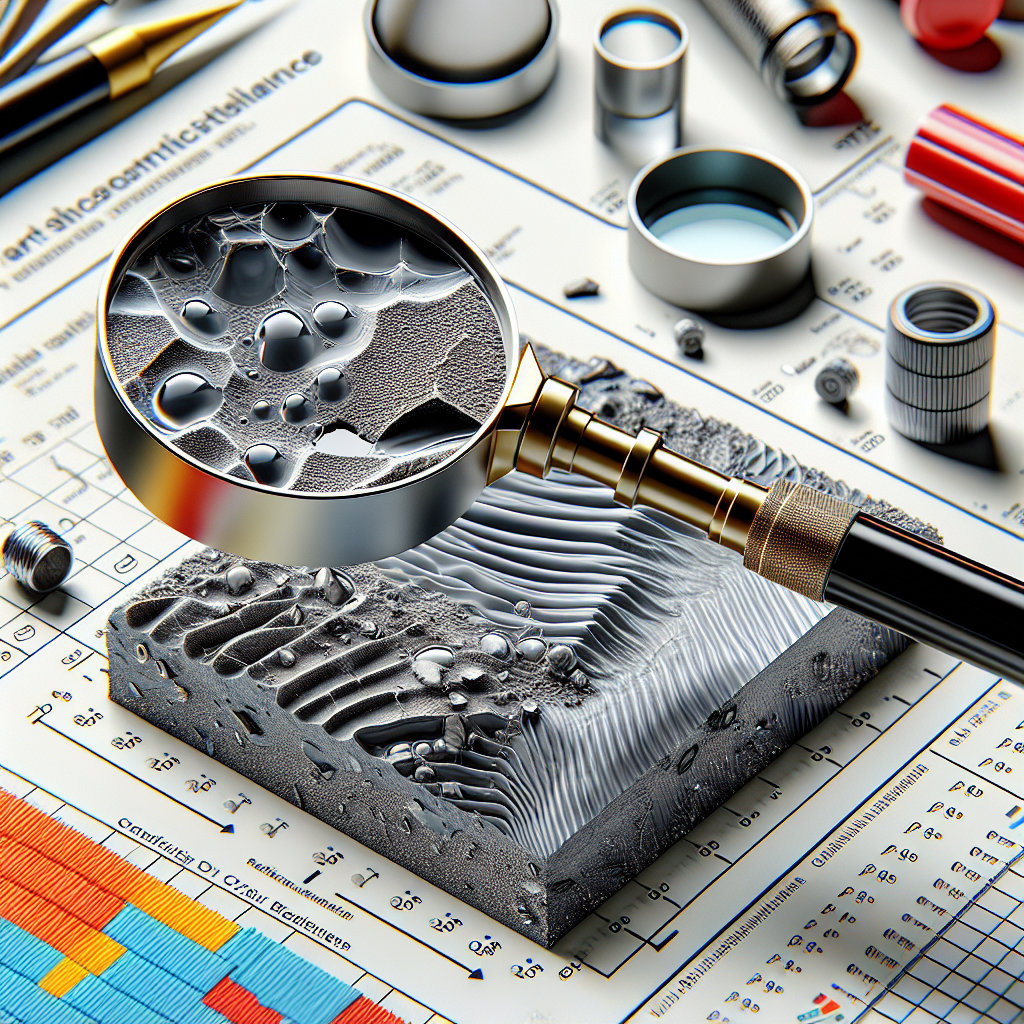
Polymers have found widespread applications in various industries due to their unique properties such as lightweight, flexibility, and ease of production. In particular, the polymer industry has made significant strides in the realm of thermal insulation applications. The necessity to manage and conserve energy in modern buildings, transportation systems, and even consumer products has amplified the need for efficient thermal insulation materials. Polymers, due to their versatile nature, have stepped up to meet these demands in an impressive manner.
Thermal insulation is critical not only for maintaining indoor temperatures but also for enhancing energy efficiency, reducing utility costs, and minimizing environmental impact. Polymers offer advantages over traditional insulation materials, such as cellulose and mineral wool, as they can be engineered at a molecular level to exhibit superior thermal properties. These include high resistance to heat flow (low thermal conductivity), excellent dimensional stability, and durability under various environmental conditions.
This article delves into the innovative ways in which polymers are utilized in thermal insulation applications, highlighting their material properties that make them suitable for such purposes. We will explore diverse polymer types, their specific attributes, how they are integrated into insulation products, and what benefits they bring to end-users. Moreover, we shall assess potential challenges and the future prospects of polymers in this key sector. By offering a comprehensive overview, this article aims to illuminate the paramount role of polymers in achieving sustainable and energy-efficient thermal insulation solutions.
Polymer Types and Their Thermal Properties
Polymers come in various forms, and their thermal properties are essential in determining their suitability for insulation applications. Broadly, these include thermoplastic polymers, thermosetting polymers, and elastomers, each with distinct characteristics. Understanding these types sheds light on their appropriate usage in thermal insulation.
Thermoplastic Polymers: These polymers soften when heated and harden upon cooling, making them highly moldable. Common examples include polyethylene (PE), polypropylene (PP), and polystyrene (PS). Thermoplastic foams, such as expanded polystyrene (EPS) and extruded polystyrene (XPS), are extensively used in building insulation due to their low thermal conductivity, moisture resistance, and excellent mechanical strength.
Thermosetting Polymers: These polymers irreversibly harden when heated, offering structural rigidity and thermal stability. Polyurethane (PU) and phenolic resins fall under this category, often used in rigid foam boards and insulating panels. PU foams, in particular, are renowned for their superior insulating capabilities, providing low thermal conductivity and adaptability to various forms and thicknesses.
Elastomers: These are polymers with elastic properties, capable of significant deformation while returning to their original shape. Silicone rubber and certain polyurethanes are common elastomers featuring excellent thermal stability and flexibility, making them ideal for specialized thermal insulation applications, such as in gaskets and seals that must withstand broad temperature ranges.
Each type of polymer offers unique benefits that align with specific insulation needs, providing designers and engineers with a versatile toolkit to develop efficient thermal insulation solutions. By leveraging the intrinsic thermal properties of these polymers, applications ranging from building envelopes to industrial processes can achieve optimal thermal regulation.
Applications of Polymers in Building Insulation
The construction industry is a primary beneficiary of polymer-based thermal insulation materials. Buildings account for a substantial portion of energy consumption, primarily for heating and cooling. By incorporating effective insulating materials, energy efficiency can be significantly enhanced.
Foam Board Insulation: Rigid foam boards made from polystyrene (EPS and XPS) and polyurethane (PU) are widely used in wall cavities and roofing applications. These materials offer excellent thermal resistance (R-value per inch), reducing heat transfer and enhancing indoor comfort levels.
Spray Foam Insulation: Polyurethane spray foam is another popular option, renowned for its ability to conform to any space, providing an airtight seal that minimizes thermal bridging. This method is particularly useful for retrofitting existing structures, filling gaps and cracks that traditional insulation methods might miss.
Reflective Insulation: Certain polymer-based materials, such as metallized polyethylene bubble wrap, act as radiant barriers. By reflecting radiant heat, these insulations reduce heat gain in attics and walls, significantly improving energy efficiency in hot climates.
Insulating Concrete Forms (ICFs): These are modular building blocks or panels that, when stacked and filled with concrete, create a strong and energy-efficient wall system. ICFs typically use expanded polystyrene (EPS) or polyurethane (PU) as the insulating component, combining structural integrity with excellent thermal performance.
The versatility of polymer-based insulation materials allows them to be tailored to various construction needs, contributing to sustainable building practices and compliance with stringent energy codes and standards. As a result, the adoption of these materials is growing, driven by the dual incentives of cost-saving and environmental stewardship.
Industrial and Commercial Insulation Solutions
Beyond residential and commercial buildings, polymers play a crucial role in insulating industrial applications, ensuring process efficiency and safety. Thermal insulation in industrial settings is essential for maintaining the desired temperatures of process fluids, equipment, and storage tanks, ultimately improving energy efficiency and reducing operational costs.
Pipe Insulation: Polymers such as cross-linked polyethylene (PEX) and elastomeric foams are extensively used in insulating pipes to prevent heat loss or gain. These materials provide a durable, flexible, and easy-to-install solution that guards against condensation and enhances the efficiency of heating and cooling systems.
Industrial Equipment Insulation: Polymers like silicone foam and aerogel-based composites are employed to insulate high-temperature equipment like furnaces, ovens, and reactors. These materials offer high-temperature resistance, low thermal conductivity, and mechanical robustness, ensuring the safe and efficient operation of industrial processes.
Cold Storage and Refrigeration: Polyurethane and phenolic foam are commonly used in the insulation of cold storage facilities and refrigeration units. Their ability to maintain low thermal conductivity under low-temperature conditions makes them ideal for preserving temperatures in refrigerated transport and storage systems.
Acoustic and Thermal Insulation: Combined acoustic and thermal insulation solutions are often required in industrial settings to manage both temperature and noise. Polymer-based materials, such as vinyl and nitrile rubber, provide effective barriers against sound transmission while also delivering thermal insulation benefits.
The industrial and commercial sectors rely on these advanced polymer insulation solutions to maximize energy efficiency, safeguard equipment, and ensure operational effectiveness. The continuous development of polymer materials and composites aims to address evolving industry challenges, providing innovative insulation technologies that meet stringent performance standards.
Innovations and Future Prospects
The polymer industry continuously evolves, driven by advancements in material science and growing demands for sustainable and energy-efficient solutions. Several exciting trends and innovations are shaping the future of polymer-based thermal insulation.
Nanotechnology: Incorporating nanoparticles into polymers enhances their thermal performance by reducing thermal conductivity and improving mechanical properties. Nano-enhanced polymer foams are being developed to provide superior insulation while maintaining lightweight and flexible characteristics.
Biodegradable Polymers: With increasing environmental concerns, biodegradable polymers like polylactic acid (PLA) and polyhydroxyalkanoates (PHA) are gaining attention as eco-friendly alternatives. Research is focused on developing biodegradable insulation materials that provide effective thermal insulation without long-term environmental impact.
Phase Change Materials (PCMs): PCMs are substances that absorb and release thermal energy during phase transitions, such as melting and freezing. Integrating PCMs into polymer matrices can enhance thermal regulation in building materials, smoothing temperature fluctuations and storing thermal energy for later use.
Smart Insulation Systems: Innovations in smart materials and IoT technologies have led to the development of adaptive insulation systems. These systems dynamically adjust their thermal properties in response to environmental conditions, optimizing energy efficiency and comfort in real-time.
As these trends continue to mature, the potential for polymer-based insulation to reshape thermal management strategies across various sectors becomes increasingly apparent. Collaboration between material scientists, engineers, and industry stakeholders is key to realizing the full potential of these innovations.
Challenges and Considerations
While polymers offer numerous advantages for thermal insulation, several challenges and considerations must be addressed to maximize their effectiveness and sustainability.
Fire Safety: One of the primary concerns with polymer materials is their combustibility. Ensuring fire-resistant properties through the addition of flame retardants or by using inherently fire-resistant polymers is critical for safety compliance. However, balancing fire resistance with thermal insulation performance remains a challenge.
Environmental Impact: The production and disposal of polymer insulation materials raise environmental concerns. There is a growing emphasis on developing eco-friendly materials, recycling initiatives, and reducing the carbon footprint associated with polymer manufacturing and usage.
Durability and Longevity: Insulation materials must withstand environmental stressors such as moisture, UV radiation, and temperature variations. Prolonged exposure to these conditions can degrade polymers, affecting their thermal performance and integrity. Ensuring long-term durability through material improvements is essential for reliable insulation.
Cost Considerations: Although polymer-based insulation materials offer competitive thermal properties, their cost can be higher than traditional materials. Achieving cost-effective solutions without compromising performance requires ongoing innovation and economies of scale in production.
Addressing these challenges is critical to maximizing the benefits of polymer-based thermal insulation. Continued research, industry collaboration, and adherence to evolving standards and regulations will drive the development of safer, more sustainable, and high-performance insulation solutions.
Conclusion
The utilization of polymers in thermal insulation applications has revolutionized the way we approach energy efficiency and temperature regulation in modern buildings, industrial processes, and commercial systems. With their unique material properties, polymers offer versatile, high-performance solutions that outperform traditional insulation materials in many aspects.
The diversity of polymer types, from thermoplastics and thermosets to elastomers, provides a broad spectrum of options tailored to specific thermal insulation needs. These materials have found successful applications across residential, commercial, and industrial sectors, enhancing energy efficiency, reducing costs, and contributing to sustainable practices.
Advancements in polymer science continue to push the boundaries of what these materials can achieve. Innovations such as nano-enhanced polymers, biodegradable options, phase change materials, and smart insulation systems are poised to address evolving challenges and environmental concerns, paving the way for the next generation of thermal insulation technologies.
However, the industry must remain vigilant in addressing critical considerations such as fire safety, environmental impact, durability, and cost. Through comprehensive research, development initiatives, and regulatory adherence, the polymer industry can overcome these challenges and continue to provide cutting-edge thermal insulation solutions.
As we move towards a more energy-conscious and sustainable future, the role of polymers in thermal insulation will undoubtedly grow in significance. By leveraging the inherent advantages of these materials and fostering innovation, we can create resilient, efficient, and eco-friendly insulation systems that benefit both industry and society at large.