
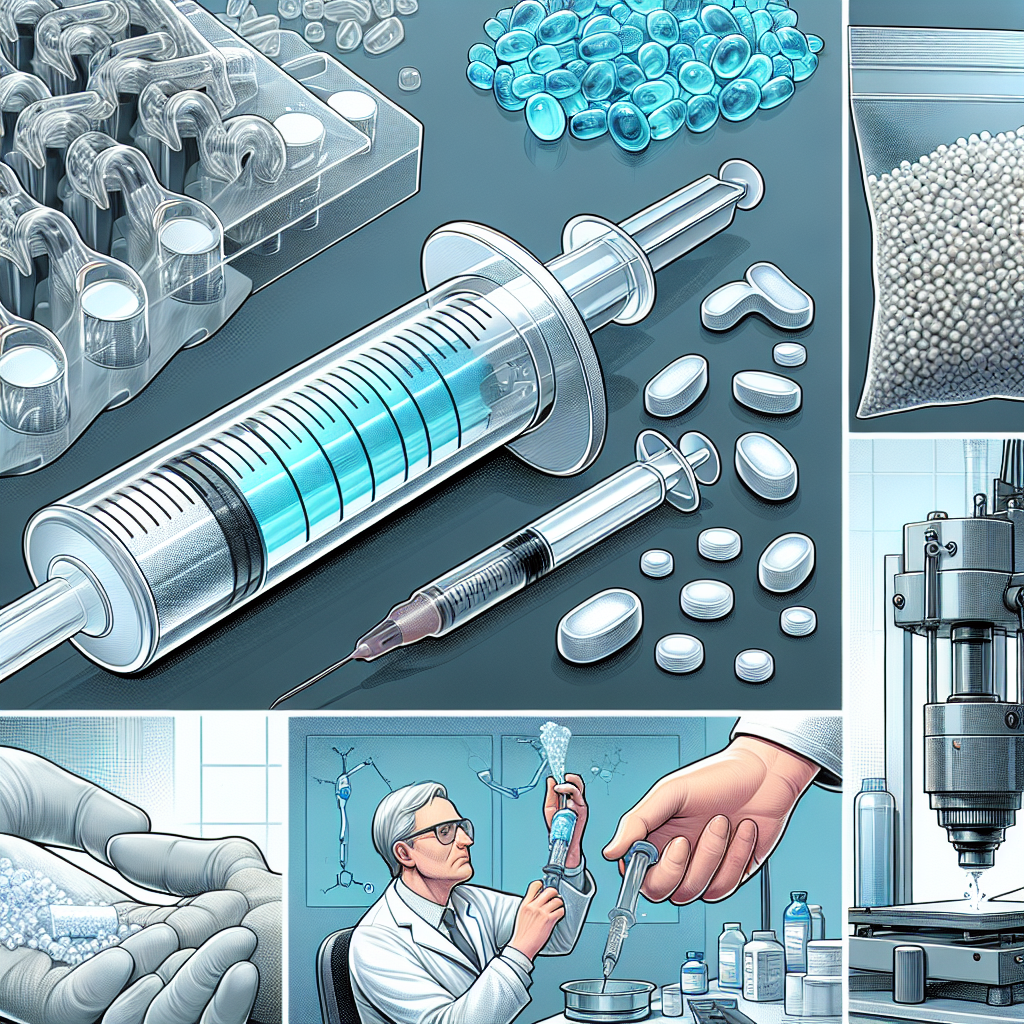
In recent years, the field of medicine has witnessed groundbreaking advances, many of which are facilitated by the development and incorporation of new materials. Among these materials, thermoplastics have emerged as a cornerstone of innovation. Known for their versatility, strength, and ability to be easily molded, thermoplastics have found extensive use in the production of medical devices. From simple syringes to complex diagnostic machines, these polymers play a vital role in enhancing the efficiency, safety, and cost-effectiveness of medical solutions.
The rise of thermoplastics in the medical device industry underscores the shift towards materials that can reliably meet stringent regulatory standards while offering flexibility in design and manufacturing. As the healthcare industry continues to evolve, the demand for materials that can be rapidly produced, sterilized, and customized without compromising quality has never been higher. Thermoplastics, with their unique properties, are uniquely positioned to meet this demand.
This article delves deep into the realm of thermoplastics, exploring their various types, unique properties, and the myriad ways they are being used to revolutionize medical devices. Whether you are a healthcare professional, an engineer, or simply an enthusiast keen to understand the materials making modern medical marvels possible, this comprehensive guide offers valuable insights.
Types of Thermoplastics and Their Properties
Thermoplastics are a class of polymers that can be melted and reshaped multiple times without significantly altering their structural integrity. This makes them exceptionally useful in the medical industry, where precision and durability are crucial. Some of the key thermoplastics used in medical devices include:
1. Polyethylene (PE)
Polyethylene is one of the most common plastics used globally, known for its flexibility and resistance to moisture. In the medical field, high-density polyethylene (HDPE) is often used for manufacturing containers and tubing due to its strength and resistance to chemicals.
2. Polypropylene (PP)
Polypropylene boasts excellent chemical resistance, making it ideal for applications requiring repeated sterilization. It’s commonly used in syringes, inhalers, and lab equipment. Its lightweight nature and ability to withstand high temperatures further drive its popularity.
3. Polyvinyl Chloride (PVC)
PVC is celebrated for its high strength-to-weight ratio and versatility. This material is extensively used in medical bags, IV sets, and catheters. Its clarity and transparency are additional assets, enabling health professionals to monitor fluid levels easily.
4. Polytetrafluoroethylene (PTFE)
Also known as Teflon, PTFE is known for its non-reactivity and low friction. These properties make it ideal for coating guidewires and catheters, ensuring smooth navigation within the body without causing damage to tissues.
5. Polycarbonate (PC)
Polycarbonate is valued for its incredible toughness and optical clarity. Common applications include surgical instruments, lens implants, and even DNA testing equipment. Its impact resistance makes it a reliable choice for devices requiring durability.

Applications of Thermoplastics in Medical Devices
The adaptability of thermoplastics ensures they find a home in a wide variety of medical applications. Below are some notable examples:
1. Syringes and Needles
Disposable syringes and needles are predominantly made from thermoplastics like polypropylene due to their sterilizability and low cost. These materials ensure that devices are safe for single-use applications, reducing the risk of cross-contamination.
2. Surgical Instruments
Modern surgical instruments are often crafted from polycarbonate and other durable thermoplastics. These materials provide the necessary strength and precision while being lightweight, which is essential for minimizing surgeon fatigue during prolonged procedures.
3. Diagnostic Devices
Many diagnostic devices, from glucose meters to MRI machine components, utilize thermoplastics for housings and internal parts. Their precision molding capabilities and robustness ensure reliable performance under various conditions.
4. IV and Catheter Tubes
Thermoplastics like polyethylene and PVC are extensively used in fluid transfer systems. Their flexibility, combined with biocompatibility, ensures they perform effectively without reactions in the human body.
5. Prosthetics and Implants
Advanced prosthetics and implants benefit from the lightweight and customizability of thermoplastics such as polyethylene. These materials can be tailor-made to meet individual needs, offering comfort and functionality to users.
The Manufacturing Process
The journey from raw thermoplastic material to a final medical device involves several critical steps, each designed to ensure the highest quality and safety standards are met.
1. Material Selection
The process begins with selecting the appropriate type of thermoplastic based on the intended application. Factors such as chemical resistance, mechanical strength, and biocompatibility inform this decision.
2. Molding and Shaping
Thermoplastics are usually melted and injected into molds to create the desired shapes. Techniques such as injection molding, blow molding, and extrusion are commonly used. Precision is crucial during this stage to ensure components meet specified tolerances.
3. Sterilization
Once the devices are shaped, they undergo sterilization to remove any potential contaminants. Methods like autoclaving, gamma radiation, and ethylene oxide sterilization are frequently employed to ensure safety and effectiveness.
4. Assembly and Testing
The final stage involves assembling any multiple components into a single device and rigorously testing them for performance and safety. Each device must adhere to stringent regulations set forth by governing bodies such as the FDA.
Regulatory Aspects and Compliance
The manufacture of medical devices is heavily regulated to ensure safety and efficacy. Here’s an overview of some key regulatory aspects specific to thermoplastics in medical devices:
1. FDA Regulations
In the United States, the FDA enforces stringent guidelines that cover everything from material selection to manufacturing processes and post-market surveillance. Every new material and device must obtain FDA approval before it can be used clinically.
2. ISO Standards
Internationally, ISO standards are widely recognized. For example, ISO 10993 specifies the biological evaluation of medical devices, ensuring materials are biocompatible.
3. European MDR
The Medical Device Regulation (MDR) governs the approval of medical devices in the European Union. Much like the FDA, it sets forth rigorous guidelines that must be met for a device to be marketed.
4. Quality Management Systems
Manufacturers are required to have robust quality management systems (QMS) like ISO 13485 in place. These systems ensure that every step of the production process, from design to final production, adheres to high-quality standards.
Future Trends and Innovations
The field of thermoplastics in medical devices is continually evolving, with several emerging trends pointing the way to the future. Here are some noteworthy innovations:
1. 3D Printing
The advent of 3D printing offers revolutionary possibilities. Medical devices can be custom-printed to patient specifications, enhancing comfort and efficacy. Thermoplastics like ABS and PLA are commonly used in this technology.
2. Smart Polymers
These responsive materials change their properties in reaction to specific stimuli, such as temperature or pH levels. This adaptability makes smart polymers ideal for applications in drug delivery systems and tissue engineering.
3. Biodegradable Polymers
Environmental sustainability is becoming increasingly important. Biodegradable polymers that break down naturally within the body or the environment are gaining traction for applications like temporary implants and sutures.
4. Nanotechnology
Incorporating nanomaterials into thermoplastics can significantly enhance their properties, making them more effective in medical applications. Examples include improved antimicrobial surfaces and enhanced drug delivery mechanisms.
Conclusion
The use of thermoplastics in medical devices has revolutionized the healthcare industry, offering unparalleled benefits in terms of safety, versatility, and cost-effectiveness. From everyday items like syringes and diagnostic equipment to more complex devices like prosthetics and surgical tools, thermoplastics have become indispensable.
As the medical field continues to advance, the role of thermoplastics will likely expand even further, driven by innovations in material science and manufacturing processes. Regulatory compliance and quality control will remain crucial, ensuring that these life-saving devices meet the highest standards.
The future holds exciting possibilities, with trends like 3D printing, smart polymers, and nanotechnology promising to take medical devices to new heights. For healthcare providers, engineers, and patients alike, the ongoing development and application of thermoplastics represent a bright, promising horizon.


