The polymer industry has been a cornerstone of numerous advancements across various sectors. From healthcare to automotive, polymers have revolutionized the way industries operate, thanks to their versatility, durability, and cost-efficiency. As we move further into the 21st century, the demand and applications for polymers continue to evolve, driven by innovative developments and sustainability initiatives. This article delves into the current trends in polymer applications, industry growth forecasts, and how polymers are shaping the future. Whether you are a seasoned professional or a newcomer to the industry, understanding these trends will provide valuable insights into the multifaceted dynamics of polymer applications.
Polymers come in many forms, including natural, synthetic, biodegradable, and composite materials. Their unique properties such as flexibility, strength, lightweight, and resistance to corrosion make them suitable for a wide range of industries. The continuous improvement in polymer technology and processing techniques has contributed significantly to the high-performance capabilities and integration of polymers in various fields.
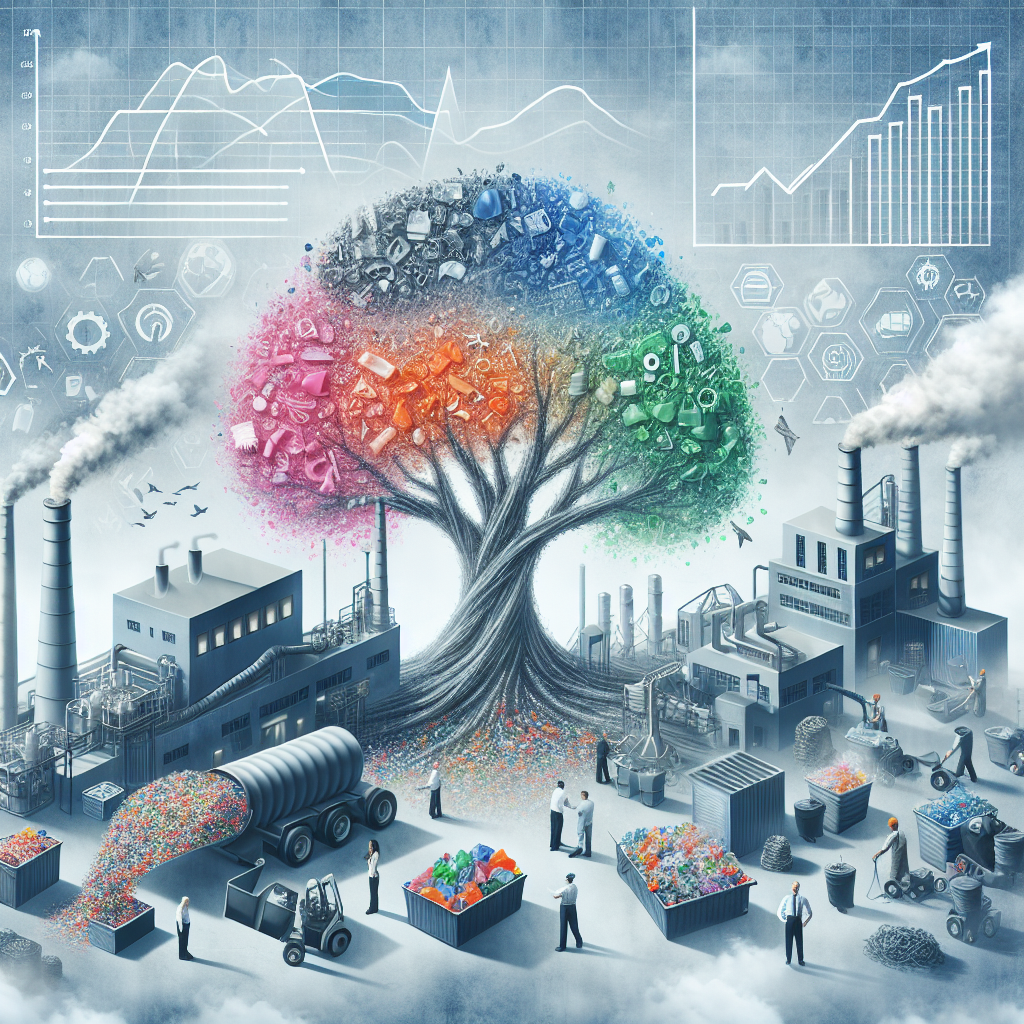
The increasing global focus on sustainability and the circular economy is also influencing the polymer industry. As companies strive to reduce carbon footprints and promote ecological balance, the demand for eco-friendly polymers and recycling technologies is on the rise. This shift towards sustainable practices is not only changing manufacturing processes but also driving innovation and setting new market trends.
Market Trends in Polymer Applications
One of the most notable trends in the polymer industry is the rising demand for high-performance polymers. These materials offer superior properties such as high temperature resistance, mechanical strength, and durability, making them essential in industries such as aerospace, automotive, and electronics. For example, the automotive industry is increasingly using advanced polymers to reduce vehicle weight, enhance fuel efficiency, and improve safety features.
Another significant trend is the growth of bio-based and biodegradable polymers. With the escalating concerns over plastic pollution and environmental degradation, there is a growing shift towards sustainable alternatives. Bio-based polymers derived from renewable sources such as corn starch, sugarcane, and cellulose are gaining traction. These materials not only reduce dependency on fossil fuels but also offer compostable and biodegradable properties, thereby addressing waste management issues.
In addition, the medical and healthcare industries are witnessing a surge in polymer applications. From medical devices and prosthetics to drug delivery systems and surgical instruments, polymers play a crucial role in ensuring safety, convenience, and efficiency. The use of biocompatible and sterilizable polymers in medical applications is enabling advancements in patient care and treatment methodologies.
Technology Innovations in Polymer Manufacturing
Technological innovation is a driving force behind the evolving polymer industry. Additive manufacturing, or 3D printing, has brought a paradigm shift in polymer processing and fabrication. This technology allows for the creation of complex, customized structures with high precision, drastically reducing waste and production time. The ability to 3D print polymers has vast implications for industries such as healthcare, aerospace, and automotive where bespoke components and prototypes are in high demand.
Another notable advancement is the development of nanocomposites and smart polymers. Nanotechnology enables the incorporation of nanoparticle fillers into polymers, resulting in materials with enhanced electrical, thermal, and mechanical properties. These nanocomposites are finding applications in areas such as electronics, packaging, and healthcare. Smart polymers, which can respond to environmental stimuli such as temperature, pH, or light, are proving to be groundbreaking in the fields of drug delivery and adaptive materials.
Moreover, advanced recycling technologies are at the forefront of the polymer industry’s push towards sustainability. Chemical recycling processes that can break down polymers into their monomers or other valuable chemicals are being developed to tackle plastic waste more effectively. These technologies aim to create a closed-loop system where polymers can be continuously reused, minimizing environmental impact.
Impact on Key Industries
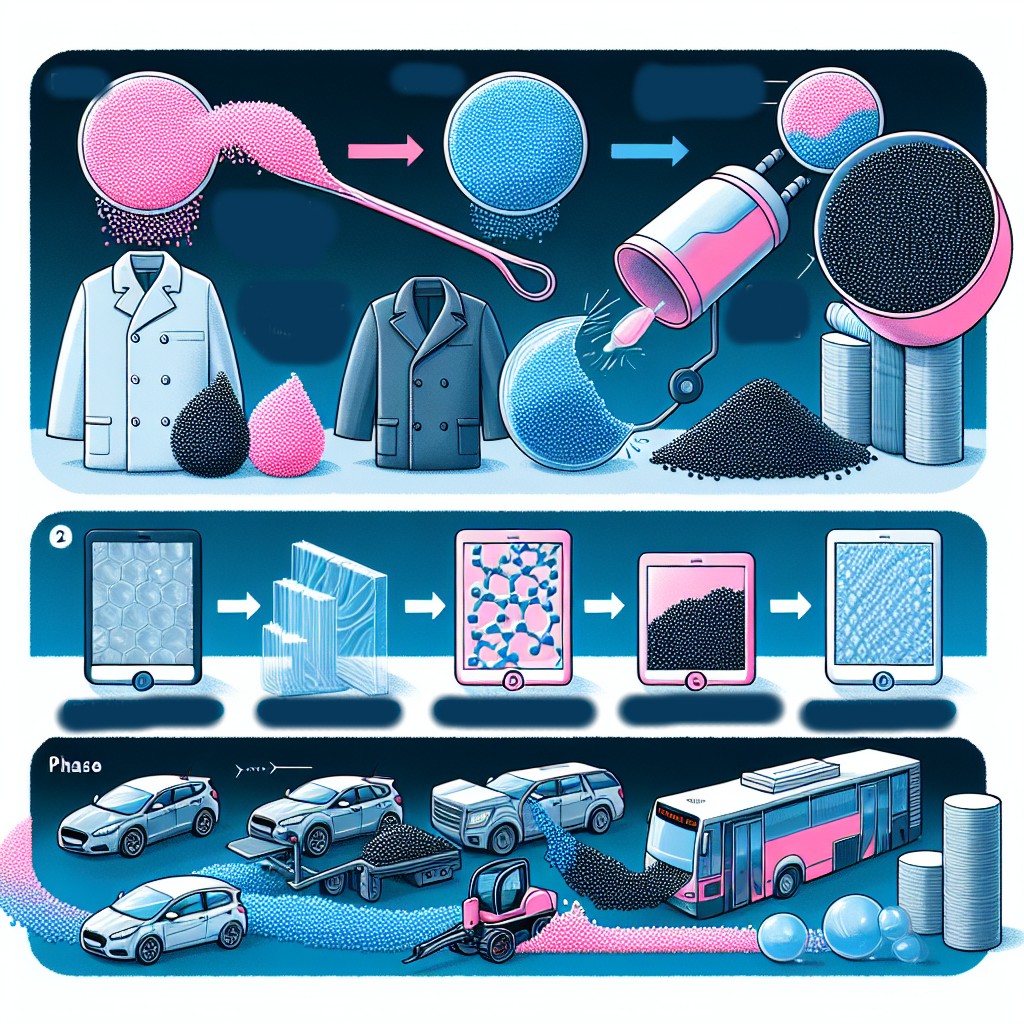
The adoption of advanced polymers has profound implications across multiple key industries. In the automotive sector, the shift towards lightweight, high-strength polymers is contributing to the development of more efficient and eco-friendly vehicles. Polymers such as carbon fiber-reinforced plastics (CFRP) and thermoplastic composites are being widely used in car parts to enhance performance and reduce energy consumption.
In the construction industry, polymers are making significant strides. Innovations in polymer-based building materials such as insulation, pipes, and coatings are improving energy efficiency, durability, and aesthetics of buildings. Polymer-concrete composites and structural adhesives are being used to construct resilient infrastructures capable of withstanding extreme conditions.
The electronics industry is also reaping the benefits of advanced polymer technologies. Conductive polymers and polymer-based flexible electronics are paving the way for innovative products such as wearable devices, flexible displays, and high-performance sensors. The lightweight and adaptable nature of polymers are enabling the design of compact and efficient electronic devices.
Challenges and Future Directions
While the trends in polymer applications are promising, the industry faces several challenges. The environmental impact of synthetic polymers, particularly plastic waste and microplastics, remains a significant concern. Regulatory pressures and public awareness are driving companies to invest in sustainable practices and materials. The development of biodegradable and recyclable polymers is central to addressing these environmental issues.
Another challenge is the economic volatility associated with raw material prices. The cost of petrochemical feedstocks used in traditional polymer production is subject to market fluctuations, impacting overall production costs. The shift towards bio-based polymers presents opportunities to mitigate this challenge, though the scalability and economic feasibility of these alternatives need further exploration.
The future of the polymer industry lies in continued innovation and collaboration across sectors. Integrating new technologies, developing sustainable materials, and establishing robust recycling systems will be key to overcoming current limitations. The emphasis on research and development will drive the discovery of novel polymers with unique properties, opening new avenues for applications and industry growth.
Conclusion
In conclusion, the polymer industry is witnessing dynamic changes with widespread implications across various sectors. The ongoing trends in high-performance polymers, bio-based polymers, and technological innovations are reshaping traditional processes and driving the development of new applications. As industries continue to push the boundaries of what is possible with polymers, the focus on sustainability and environmental responsibility becomes increasingly vital.
The integration of advanced manufacturing techniques, such as 3D printing and nanotechnology, combined with the advent of smart polymers, is set to revolutionize the industry. These advancements not only offer superior performance and customization but also align with global sustainability goals. The polymer industry is at the cusp of a transformation, with potential for significant growth and contributions to various sectors, including automotive, construction, healthcare, and electronics.
Stakeholders in the polymer industry must continue to innovate and collaborate to address the challenges ahead. By fostering a culture of sustainability and investing in cutting-edge research, the industry can achieve a balance between economic growth and environmental stewardship. The future of polymers promises to be both exciting and transformative, with endless opportunities for new discoveries and impactful applications.