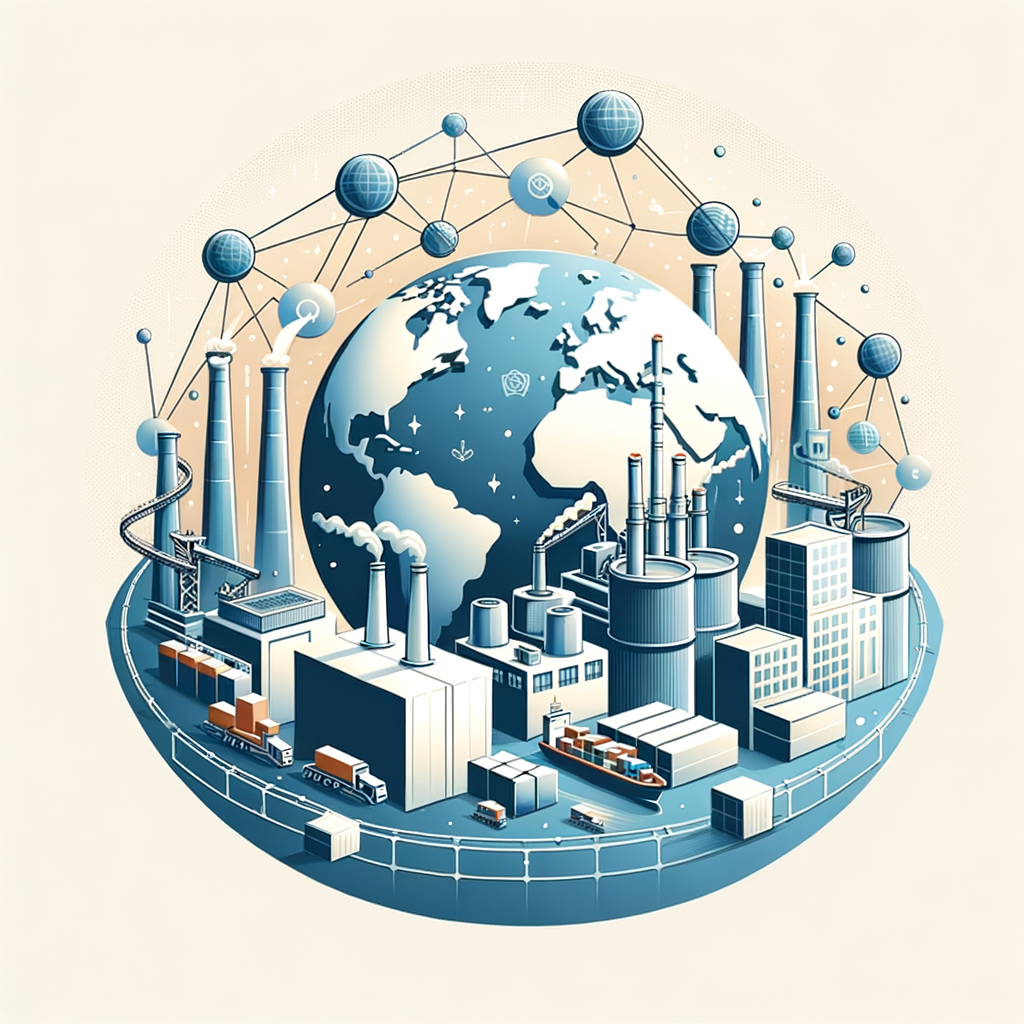
The polymer industry plays a critical role in the global economy, serving as a backbone for numerous sectors such as automotive, healthcare, packaging, and construction. As an integral component of manufacturing, the polymer industry relies heavily on efficient and robust supply chains. In recent years, the dynamics of global supply chains in this sector have been transforming due to numerous factors including technological advancements, sustainability demands, and geopolitical shifts. This article explores the future of global supply chains in the polymer industry, considering these changes and their implications for stakeholders across the globe.
Technological Advancements and Their Impact
One of the most significant drivers transforming global supply chains in the polymer industry is the rapid advancement of technology. Automation and digitalization are enhancing the efficiency and transparency of operations. Technologies such as the Internet of Things (IoT), artificial intelligence (AI), and blockchain are revolutionizing how companies track and manage their supply chains.
IoT devices enable real-time tracking of materials and products, thus improving inventory management and reducing waste. For instance, sensors can monitor polymer quality during production and transport, ensuring adherence to safety and quality standards. AI applications in predictive analytics help forecast demand more accurately, allowing suppliers to align production schedules with market needs, minimizing overproduction and shortages.
Blockchain technology adds another layer of security and traceability. By providing a decentralized ledger of all transactions, blockchain ensures transparency across the supply chain. This capability is particularly valuable in addressing concerns around counterfeit materials and ensuring ethical sourcing, a rising focus within the polymer market.
Sustainability and Environmental Considerations
Sustainability is increasingly becoming a focal point for global supply chains, including in the polymer industry. As environmental awareness grows, consumers and governments worldwide are pressurizing companies to adopt more sustainable practices. This demand for sustainability is reshaping supply chains as companies strive to minimize their environmental footprint.
One key area is the shift towards bio-based and recyclable polymers. The industry is witnessing an increase in the use of renewable resources and the development of polymers that can be easily recycled. This change necessitates adaptations in supply chains regarding sourcing raw materials and managing waste. For example, companies are exploring partnerships with suppliers who provide biodegradable inputs or investing in recycling technologies to recover materials from used products.
Moreover, there is a growing emphasis on reducing carbon emissions across supply chains. Companies are adopting greener logistics solutions such as optimizing transportation routes, transitioning to electric vehicles, and utilizing renewable energy sources for production. These steps not only align with global sustainability goals but also foster goodwill among environmentally-conscious consumers.
Geopolitical and Economic Influences
Geopolitical and economic factors significantly affect the flow of materials and goods in the polymer industry’s supply chains. Trade policies, tariffs, and political stability are elements that companies must navigate to maintain an unhampered flow of resources.
The recent trade tensions between major economies like the US and China have prompted companies to reconsider their supply chain strategies. Tariffs and restrictions can disrupt the availability of key raw materials, necessitating supply chain diversification. As a result, businesses are expanding their supplier networks beyond traditional partners to mitigate risks associated with geopolitical volatility.
Economic developments also influence supply chain dynamics. For instance, fluctuations in currency exchange rates can impact operational costs, prompting companies to seek cost-efficient raw material sources and production locations. Additionally, economic growth in developing countries is opening new markets for polymers, encouraging suppliers to adapt their strategies to cater to these emerging demands.
Adapting to Consumer Demands
Consumer behavior is another catalyst for change in global supply chains. The modern consumer is informed, discerning, and increasingly interested in the provenance and production of the goods they purchase. This shift is profoundly influencing the supply chains of the polymer industry.
Transparency is one demand consumers are placing on the polymer supply chain. They want assurance that the products they use are sourced responsibly and produced sustainably. Companies are responding by adopting comprehensive traceability systems, often utilizing technology like blockchain to provide consumers with detailed product journeys.
Moreover, the customization trend is gaining traction, pushing manufacturers to be more agile in their supply chain management. The demand for personalized products requires tailored production approaches, which necessitate a flexible and responsive supply chain capable of adapting to varied consumer preferences without compromising efficiency.
Challenges and Opportunities
While the future of global supply chains in the polymer industry presents numerous opportunities for innovation and growth, it also presents challenges that stakeholders must address. Supply chain resilience is one such challenge. The COVID-19 pandemic highlighted vulnerabilities in supply chains, emphasizing the need for more robust structures capable of withstanding disruptions. Companies are now investing in contingency planning, redundating supply lines, and building more localized supply chains to avoid reliance on single points of failure.
Cybersecurity is another growing concern. As supply chains become more digital, they are increasingly exposed to cyber threats. Companies must invest in strong cybersecurity measures to protect sensitive data and maintain trust among partners and consumers.
Opportunities are equally abundant. The integration of cutting-edge technologies is opening new avenues for efficiency and cost savings. Companies that adapt quickly to digitalization can gain competitive advantages through improved forecasting, inventory management, and consumer engagement. Furthermore, the push towards sustainability is fostering innovation in material science, providing companies with the opportunity to lead the market with eco-friendly product offerings.
Conclusion
As the polymer industry continues to evolve, global supply chains in this sector will need to pivot in response to numerous external pressures and opportunities. Technological advancements, sustainability, geopolitical influences, consumer preferences, and economic shifts are driving changes that are reshaping traditional supply chain practices. While these changes present certain challenges, they also offer opportunities for stakeholders to innovate, increase resilience, and meet new market demands effectively. By embracing these changes, the polymer industry can continue to thrive in the global market, contributing positively to economic growth and environmental sustainability. Stakeholders must remain adept at navigating this dynamic landscape to ensure that their supply chains are not only efficient but also adaptable to future trends and challenges.