The relentless pursuit of sustainable solutions is redefining the landscape of material science and manufacturing. Among these innovative solutions, biopolymers are emerging as a vital player in addressing global sustainability challenges. Biopolymers, derived from renewable resources, are gaining traction as a replacement for conventional petroleum-based polymers due to their reduced environmental impact. Yet, the adoption of biopolymers transcends ecological benefits, touching areas such as enhanced material properties and improved regulatory compliance. This article delves into current market trends in biopolymer adoption, identifying the driving factors, emerging applications, technological advancements, and challenges facing the industry. By examining these trends, stakeholders in various sectors can better understand the opportunities and limitations of biopolymers, thus making informed decisions about their integration into diverse supply chains.
As environmental concerns escalate and legislative pressures intensify, industries worldwide are reevaluating their reliance on traditional materials. In this shifting landscape, biopolymers offer a promising alternative, derived from natural, often biodegradable sources like corn starch, sugarcane, and cellulose. These materials are not only eco-friendly but also offer unique properties that can be tailored to specific applications, making them increasingly attractive to industries ranging from packaging and agriculture to textiles and biomedical sectors. However, the transition to biopolymers is not without its challenges. Economic considerations, supply chain logistics, and consumer perceptions all play pivotal roles in shaping the adoption rate of these materials. In this framework, understanding the current market dynamics becomes crucial for stakeholders hoping to leverage the potential of biopolymers in a competitive marketplace.
This article provides a comprehensive look at the factors influencing the adoption of biopolymers and how these materials are set to revolutionize multiple industries. By examining case studies, market data, and technological innovations, it aims to furnish a roadmap for the expanded use of biopolymers, enabling a sustainable and economically viable future. As we proceed, the information herein will highlight the importance of biopolymers, the hurdles they face, and the strategies for overcoming these obstacles to achieve widespread adoption.
Factors Driving Biopolymer Adoption
One of the pivotal factors driving the adoption of biopolymers is the increasing legislative support aimed at reducing carbon footprints and encouraging environmentally sustainable practices. Governments worldwide are implementing strict regulations against the use of conventional plastics, imposing bans or taxes on their production and encouraging the use of biodegradable alternatives. For instance, the European Union’s directive on single-use plastics and similar policies in countries like China and India serve as powerful incentives for companies to switch to biopolymers. These regulations are not merely punitive but also accompanied by subsidies and incentives designed to offset the initial cost burden of transitioning to novel materials.
Moreover, consumer awareness and demand for sustainable products significantly contribute to the market shift towards biopolymers. Today’s consumers are more informed and concerned about the environmental impact of their purchases than ever before. Brands are responding by integrating biopolymers into their products to boost their environmental, social, and governance (ESG) profiles, thereby enhancing brand loyalty and securing a competitive edge in an increasingly green-conscious market. This growing demand from the consumer end creates a ripple effect that prompts industries to adopt biopolymers more readily.
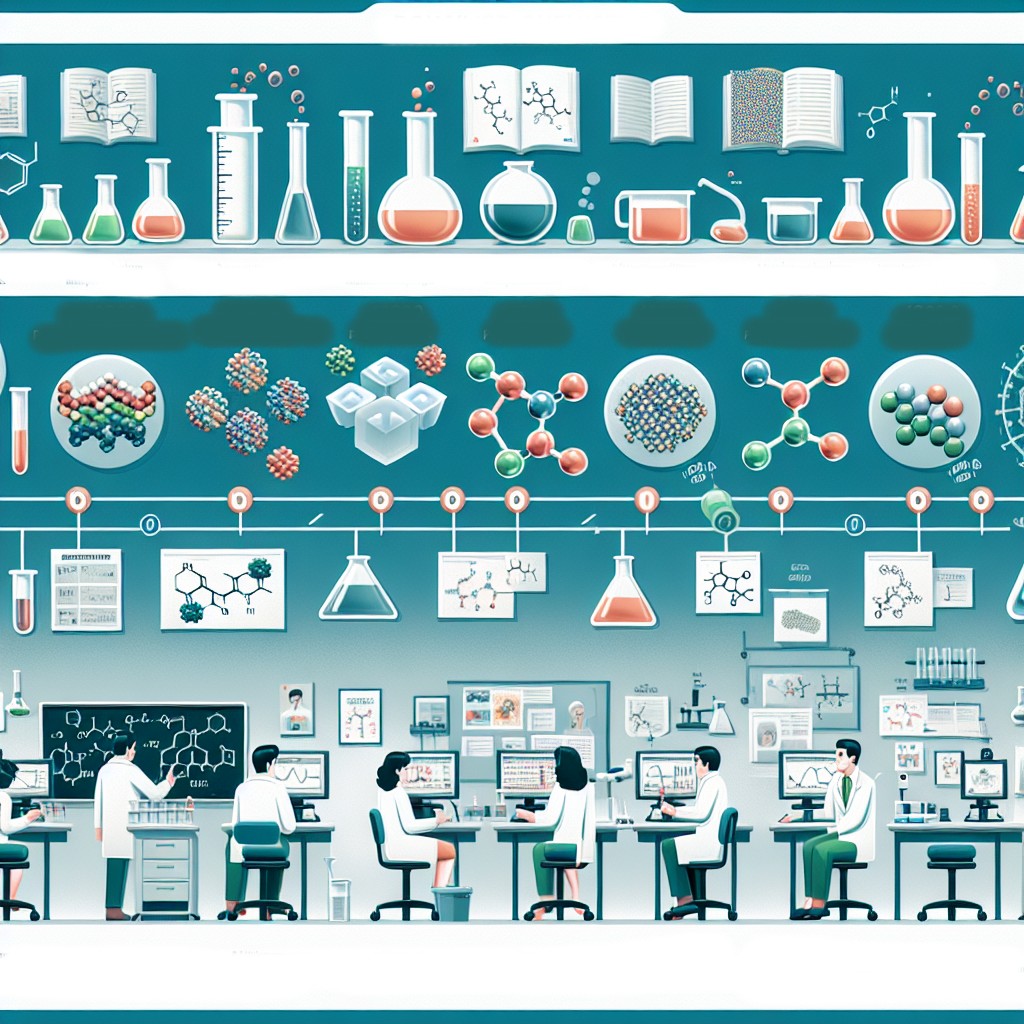
Technological advancements have also played a crucial role in facilitating the adoption of biopolymers. Recent innovations have led to biopolymers exhibiting enhanced performance attributes such as greater durability, flexibility, and resistance to heat and chemicals. Investment in research and development has resulted in cutting-edge technologies that allow for the improvement of biopolymer properties, positioning them as viable alternatives to traditional plastics in a wide array of applications. For instance, advancements in fermentation technology and genetic engineering are enabling the production of biopolymers at a more competitive cost and scale.
Emerging Applications of Biopolymers
Biopolymers are making significant inroads across diverse sectors due to their versatile nature and environmental benefits. In the packaging industry—the largest user of plastics—biopolymers are being adopted for producing bags, containers, and films that degrade more rapidly than conventional plastics. Companies like Coca-Cola and Danone have launched packaging solutions that incorporate biopolymers, showcasing their commitment to sustainability and capturing a segment focused on eco-friendly packaging. Additionally, innovations in biopolymer types, such as polylactic acid (PLA) and polyhydroxyalkanoates (PHAs), provide a broader range of application possibilities, from compostable food packaging to durable medical implants.
In agriculture, biopolymers are employed to develop biofilms and biocoatings that help in reducing water usage and pesticide application, contributing to more sustainable agricultural practices. These applications impact not only environmental sustainability but also improve the overall efficiency of agricultural operations. Biopolymers also serve as alternatives to synthetic fertilizers, enhancing plant growth while reducing the ecological footprint associated with chemical fertilizers.
The medical and pharmaceutical industries are also increasingly utilizing biopolymers, due to their biocompatibility and non-toxicity. These materials are used in the development of drug delivery systems, surgical implants, and tissue engineering scaffolds. Advances in biopolymer research enable the creation of tailor-made materials that are compatible with human tissues, significantly reducing the likelihood of rejection in medical applications and improving patient outcomes.
In textiles, biopolymers offer a sustainable alternative to petroleum-based fabrics, which are not biodegradable and contribute heavily to pollution. By utilizing biopolymer-based textiles, companies cater to the rising demand for sustainable fashion. These textiles provide the same qualities as conventional synthetic fibers while ensuring a reduced environmental impact. Furthermore, the blend of biopolymers with natural fibers results in products with enhanced breathability and comfort, further attracting consumer interest.
Technological Innovations in Biopolymers
Recent technological breakthroughs have made biopolymers more accessible and efficient. The development of new catalysts that lower the polymerization temperatures and pressures substantially reduce the energy required in the production process. Such advancements not only decrease production costs but also lessen the carbon footprint associated with biopolymer synthesis, making them more attractive for commercial applications.
Enzyme technology and synthetic biology have further enabled the production of tailor-made biopolymers. By manipulating microbial metabolism, scientists can now produce biopolymers with desired chemical and physical properties to suit specific applications. This customization facilitates the creation of biopolymers with improved tensile strength, elasticity, and thermal resistance, broadening their utility across various sectors.
Moreover, improvements in processing techniques such as extrusion, injection molding, and blow molding have enhanced the structural properties of biopolymers, bringing them on par with traditional materials in terms of performance. These technologies also allow for the integration of biopolymeric materials into existing manufacturing systems with minimal modifications, encouraging manufacturers to adopt these sustainable alternatives without incurring exorbitant costs.
Challenges in Biopolymer Adoption
Despite the optimistic trajectory of biopolymer adoption, several challenges persist. A primary obstacle is the cost of production, which remains higher than that of conventional plastics. While economies of scale may eventually lower prices, initial production costs have historically hindered broader adoption, especially among small and medium enterprises.
Supply chain constraints also pose significant challenges. As the resources for biopolymer production often come from agricultural products, variations in crop yield due to environmental factors can affect the supply consistency, thereby impacting production schedules and pricing strategies.
Additionally, there is a gap in consumer education regarding biopolymers. Misconceptions about the biodegradability and performance of biopolymers can lead to skepticism among end users, affecting market acceptance. Comprehensive consumer education and transparent marketing strategies highlighting the benefits and drawbacks of biopolymers are essential to overcoming this barrier.
Furthermore, recycling infrastructure which supports traditional polymers does not always accommodate biopolymers efficiently, resulting in these materials often being diverted to landfills instead of being composted. Addressing this challenge requires investments in new recycling methods and infrastructures optimized for biopolymer composites, ensuring their lifecycle is sustainable from production through disposal.
Conclusion
The market trends in biopolymer adoption reveal a complex yet promising path towards sustainability. As industries face mounting pressures from regulatory frameworks and consumer expectations, the shift to biopolymers represents not only a necessary response to environmental challenges but also an opportunity for innovation and differentiation. Despite challenges such as elevated production costs and infrastructural inadequacies, the future appears bright for biopolymers, bolstered by continual technological advancements and increasing consumer awareness.
Stakeholders keen on integrating sustainable practices into their operations must remain cognizant of the evolving landscape of biopolymer technology, regulatory changes, and consumer preferences. By investing in research and development, businesses can harness biopolymers to not only comply with environmental standards but also gain a competitive advantage through innovative product offerings that align with the values of the modern consumer.
Ultimately, the adoption of biopolymers is more than a trend—it is a pivotal component of the broader strategy for sustainable development. As industries worldwide seek alternatives to reduce their carbon footprint, biopolymers provide a viable, environmentally friendly solution capable of fulfilling diverse application needs while simultaneously supporting ecological preservation. By overcoming the inherent challenges and exploiting the unique benefits offered by biopolymers, industries can pave the way for a more sustainable future, fostering economic growth that is harmonious with nature’s needs.
Thus, the ongoing adoption of biopolymers sets a transformative path, converging innovation, sustainability, and economic viability, ultimately redefining the materials science ecosystem and offering a blueprint for other sectors to follow. As the market continues to evolve, the role of biopolymers will undoubtedly expand, further integrating into mainstream use and demonstrating their indispensable contribution to achieving a sustainable future.