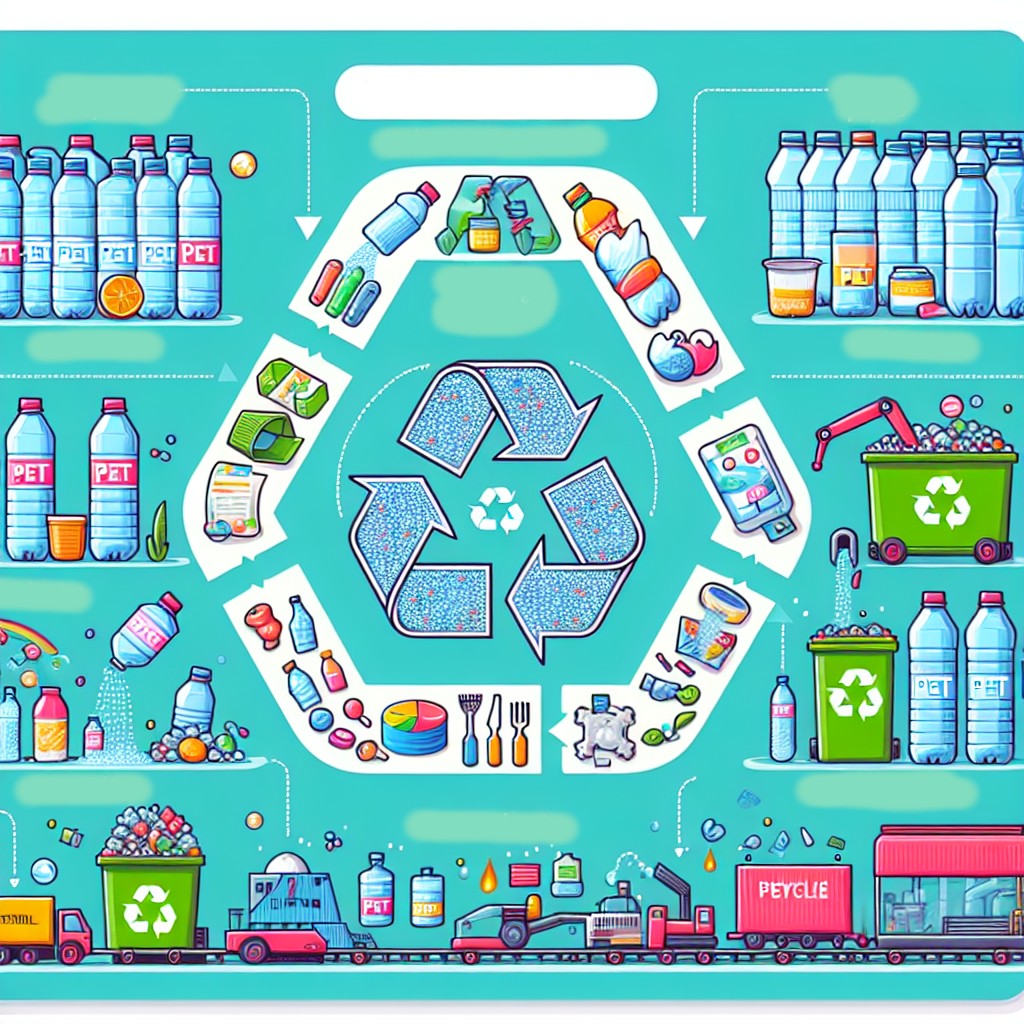
As the world increasingly focuses on environmental sustainability, the need for innovative solutions to reduce pollution and manage waste effectively has become paramount. Among the numerous strategies employed by researchers and companies, biodegradable polymer technology stands out due to its potential to combat the rising tide of waste, particularly from plastic products. Biodegradable polymers are derived from renewable raw materials and can decompose into natural substances like water, carbon dioxide, and biomass, reducing the long-term environmental impact. This innovation not only promises to mitigate the adverse effects of traditional plastic materials but also contributes to the development of a circular economy, where resources are used more efficiently and sustainably. As we delve deeper into the future of biodegradable polymer technology, it’s crucial to explore the advancements, applications, benefits, and challenges associated with these materials. Understanding these facets will illuminate the path forward in harnessing the full potential of biodegradable polymers to foster an eco-friendlier planet.
The burgeoning growth and interest in biodegradable polymers are driven by increasing legislative support from governments worldwide, aiming to curb plastic pollution. Moreover, consumers are becoming more conscious of the environmental footprint of the products they purchase, thus pushing companies to innovate in this sector. In this introduction, we will examine how the development and application of biodegradable polymer technology can address urgent environmental issues while also stimulating economic growth in sustainable industries. With the integration of emerging technologies, the field holds immense promise for a variety of sectors, including agriculture, medicine, packaging, and beyond. Through ongoing research and development, the future of biodegradable polymer technology appears not only hopeful but transformative, setting the foundation for a new era of environmentally responsible manufacturing and consumption.
Advancements in Biodegradable Polymer Technology
The technological advancements in biodegradable polymers are shaping new possibilities for sustainable materials. Researchers globally are innovating with raw materials to optimize the efficacy and sustainability of these polymers. The primary focus remains on enhancing the properties such as strength, flexibility, and degradation rate of biodegradable polymers to meet diverse industrial needs. Significant progress in this domain has been accomplished through the synthesis of polymers from natural resources like starch, cellulose, polylactic acid (PLA), and polyhydroxyalkanoates (PHAs).
One of the critical advancements in biodegradable polymer technology is the development of polylactic acid, a highly versatile biopolymer. Derived from renewable resources such as corn starch or sugarcane, PLA is used across industries, including packaging and agriculture. With properties akin to traditional plastics like polyethylene and polystyrene, PLA offers comparable functionality while being biodegradable under industrial composting conditions. Efforts to enhance the thermal resistance and mechanical properties of PLA through copolymerization and blending with other materials are significantly extending its practical applications.
Polyhydroxyalkanoates are another class of biodegradable polymers garnering attention due to their inherent biodegradability and biocompatibility. Produced by bacterial fermentation of sugar or lipids, PHAs are witnessing increased deployment in medical applications, such as drug delivery systems and sutures, owing to their compatibility with human tissues. Continuous research into cost-effective production processes for PHAs can potentially revolutionize the medical plastics industry, paving the way for sustainable and biodegradable medical devices and implants.
Innovations like these are catalyzing a paradigm shift in both the functionalities and possibilities offered by biodegradable polymers. Their refinement through technological processes ensures that biodegradable polymers can rival conventional plastics, not just environmentally but also in terms of performance. Moreover, advancements such as the creation of smart biodegradable polymers, capable of responding to environmental stimuli, are expanding their usage in high-tech applications, further asserting their role in a future-driven by sustainability and innovation.
Applications of Biodegradable Polymers
The applicability of biodegradable polymers spans multiple industries, each seeking sustainable alternatives for traditional materials. In the realm of packaging—a dominant contributor to plastic waste—biodegradable polymers offer game-changing potential. They are used in the production of bags, containers, and films, reducing the burden these single-use items place on the environment. As consumer demand grows for eco-friendly packaging, companies are integrating biodegradable solutions to align with these values, offering compostable options that effectively close the loop in recycling processes.
The agriculture sector also benefits extensively from biodegradable polymer technology through the use of mulching films and controlled-release fertilizers. Polymer-based mulch films degrade naturally and enrich the soil, thereby reducing waste and the labor involved in film removal and disposal. Meanwhile, biodegradable polymers for controlled-release fertilizers ensure a gradual supply of nutrients, enhancing crop yield while minimizing environmental runoff.
Biomedicine is another sector in which biodegradable polymers are making substantial impacts. Given their compatibility with biological systems, these polymers serve critical functions in drug delivery systems, tissue engineering, and resorbable sutures. The characteristic of biodegradable polymers to decompose safely within the body allows for innovative medical treatments, minimizing the risk of post-procedural complications linked to foreign body presence.
Furthermore, biodegradable polymers are increasingly explored for their potential in enhancing sustainable construction materials. By incorporating these polymers with traditional building materials, structures can be produced with greater durability and reduced environmental impact. This expansion into construction underscores the versatility of biodegradable polymers and their potential to influence even industries traditionally reliant on non-renewable resources.
Benefits and Environmental Impact
The transition towards biodegradable polymers brings numerous environmental and socio-economic benefits, pivotal for a sustainable future. Most notably, biodegradable polymers significantly reduce plastic waste, a key environmental challenge. Unlike traditional plastics that persist for centuries, biodegradable polymers decompose naturally, minimizing their presence in landfills and oceans and thereby lessening pollution and harm to wildlife.
These polymers also promote a reduction in greenhouse gas emissions. As they are derived from renewable resources, their production results in lower emissions compared to traditional petroleum-based plastics. This aspect aligns with global efforts to mitigate climate change by decreasing carbon footprint across supply chains.
Economic benefits extend from reduced waste management costs due to the inherent compostability of biodegradable products. Municipalities can save resources by reducing the need for extensive waste processing, allowing for the reallocation of funds to other public services.
Furthermore, biodegradable polymers can contribute to enhanced soil and crop health through their agricultural applications. The breakdown products of these polymers can improve soil texture and fertility, eventually boosting agricultural productivity and supporting food security initiatives worldwide.
Socially, biodegradable polymers foster innovation, creating job opportunities in research, production, and application sectors. As companies shift towards sustainability, new markets develop, driving economic growth while aligning with environmental stewardship goals. As such, the benefits of biodegradable polymer technology extend beyond immediate environmental concerns, promoting societal advancement and resilience in facing ecological challenges.
Challenges and Limitations
Despite the compelling benefits of biodegradable polymers, several challenges impede their broader adoption. Cost remains a significant barrier as biodegradable polymers are often more expensive to produce than conventional plastics due to the complexities of raw material sourcing and manufacturing processes.
Additionally, the infrastructure for effectively managing biodegradable polymer waste is not yet fully developed on a global scale. Many of these polymers require specific conditions for decomposition, such as commercial compost facilities, which are not universally accessible. This scenario limits the effectiveness of biodegradable polymers in regions without adequate waste processing infrastructure, thus restricting their environmental impact.
Concurrent with infrastructure challenges, there is often confusion regarding labeling and public understanding of degradability. The terms “biodegradable,” “bioplastic,” and “compostable” are frequently used interchangeably, though they embody different characteristics. Education on the proper disposal methods and the actual benefits of such materials is essential to ensure that biodegradable polymers fulfill their intended environmental role.
Furthermore, the physical properties of biodegradable polymers, though steadily improving, can still limit their use in certain applications. Achieving comparable durability and performance to traditional plastics remains a technical challenge, requiring ongoing research and development efforts. Environmental factors such as ambient temperature and humidity can also affect the rate of degradation, influencing their dependability and lifecycle analysis.
Conclusion
The future of biodegradable polymer technology is primed with potential and promise. As we navigate towards a more environmentally conscious era, the role of biodegradable polymers cannot be understated. Their ability to replace conventional plastics, mitigate waste, and contribute positively to environmental health illustrates a promising path forward.
Mitigating the global plastic crisis will require a multifaceted approach, with biodegradable polymers playing a pivotal part. Continuous research and development efforts are necessary to overcome current challenges, from cost reduction to infrastructure development and public education. Collaborations across industries, academia, and governments are vital to fostering innovations that make biodegradable polymers more accessible and practical for widespread use.
As these polymers grow in prevalence, they not only offer ecological advantages but also open up new economic opportunities in sustainable material manufacturing. Their role stretches beyond reducing waste, influencing sectors ranging from agriculture to medicine, and advocating for a circular economy.
In conclusion, the journey towards maximizing the potential of biodegradable polymer technology aligns with global sustainability goals. Encouragingly, the path laid out by current innovations suggests that when combined with committed policy support and industry participation, biodegradable polymers can profoundly impact our environmental footprint, setting a foundation for a cleaner, more sustainable world for future generations.
Frequently Asked Questions
1. What are biodegradable polymers, and why are they considered important in managing waste?
Biodegradable polymers are an exciting branch of materials science, primarily because they represent a sustainable solution to a significant environmental problem: plastic waste. These polymers are made from renewable raw materials – think of things like cornstarch, sugarcane, and even some vegetable oils. One of their most attractive features is their ability to break down naturally. Under specific conditions—the right levels of moisture, temperature, and microbial presence—these materials can decompose into their base elements such as water, carbon dioxide, and biomass. This biodegradation process reduces the pile up of waste in landfills and minimizes pollution in ecosystems.
The importance of biodegradable polymers in waste management can’t be overstated. Traditional plastics can take hundreds of years to decompose, leading to cluttered landfills and massive ocean pollution. In contrast, biodegradable options can significantly reduce these environmental impacts by turning what would have been long-term waste into harmless, naturally occurring substances relatively quickly. With our planet struggling under the weight of plastic pollution, investing in and further developing biodegradable polymer technology provides hope for a more sustainable future.
2. How are biodegradable polymers made, and can all types of plastics be replaced by them?
Creating biodegradable polymers starts with renewable resources. For example, poly(lactic acid) (PLA) is derived from fermented plant starch, primarily corn. Another type, polyhydroxyalkanoates (PHA), is produced by microbial fermentation of sugar or lipids. The manufacturing process involves synthesizing these natural products into polymers with specific properties that enable them to serve as alternatives to traditional plastics.
However, not all plastics can be replaced with biodegradable options yet. While technologies have advanced, each polymer has unique characteristics, making them suitable for certain applications but not for others. For instance, biodegradable polymers may not currently provide the same level of durability or versatility as traditional plastics in all applications. This means while they’re excellent for disposable items like packaging, bags, and cutlery, they’re not always suitable for products that require superior chemical resistance or mechanical strength.
That being said, research and innovation in this field are progressing rapidly. Scientists are developing new formulations and processing techniques to expand the applications of biodegradable polymers, aiming to eventually replace more types of traditional plastics.
3. What challenges does biodegradable polymer technology currently face?
Though promising, the journey of biodegradable polymers isn’t without its hurdles. One of the most pressing issues is performance. While they do well in certain conditions, their long-term durability and mechanical properties can fall short compared to conventional plastics. This limitation can restrict where these materials are practically used.
Cost is another challenge. The production of biodegradable polymers generally requires more expensive raw materials and processes than traditional plastic manufacturing. This can make them less competitive in the market, especially in industries obsessed with cost efficiency.
Moreover, there’s an infrastructure challenge. Composting facilities capable of processing biodegradable plastics aren’t as widespread as normal waste processing systems. And without proper disposal systems, biodegradable polymers may not efficiently decompose, negating their environmental benefits. Public awareness and proper labeling are also necessary to ensure consumers dispose of these materials correctly.
To overcome these challenges, ongoing research aims to improve the cost-effectiveness and mechanical properties of biodegradable polymers, while policy measures play a crucial role in growing the infrastructure necessary for proper disposal.
4. What future trends can we expect in biodegradable polymer technology?
As awareness around environmental sustainability grows, so does the funding and interest in biodegradable polymer technology. In the future, we can expect several trends in this field.
One of the most exciting trends is the development of more versatile biodegradable polymers that can perform a wider range of functions traditionally handled by conventional plastics. Researchers are focusing on enhancing properties such as strength, flexibility, and heat resistance, making these sustainable polymers a viable alternative for more industries and applications.
Another trend is the exploration and use of new, diverse raw materials. Think beyond corn and sugarcane to other renewable resources and even bio-waste, which could be converted into polymers, combining waste reduction with sustainable production.
Advancements in biotechnology are also expected, with more efficient microbial fermentation processes leading to lower production costs, allowing biodegradable polymers to be cost-competitive with traditional plastics. Alongside these technical advancements, the establishment of a global recycling and composting infrastructure remains a crucial goal, solving the disposal problems currently faced.
5. How can consumers support the growth of biodegradable polymer technology?
Consumers play a pivotal role in the expansion and adoption of biodegradable polymer technology. By making conscious choices in favor of products that utilize biodegradable packaging and materials, consumers send a clear signal to manufacturers about the demand for sustainable alternatives to traditional plastics.
Being informed is key. Look for products that are certified biodegradable and understand the correct methods of disposal—placing them in suitable industrial composting or recycling facilities if available. Informing others and spreading awareness about the benefits and proper handling of biodegradable products can amplify their impact.
Moreover, advocating for better regulations and infrastructure to handle biodegradable wastes effectively can apply pressure on governments and industries to speed up their efforts toward sustainable waste management systems. Public support can lead to policymaking that favors the growth of biodegradable materials, encouraging more businesses to adopt these technologies.
Finally, consumers should embrace a mindset of sustainability more broadly, reducing use wherever possible and supporting innovations that aim to lessen our collective environmental footprint. Every small action counts in the overarching goal of steering towards a cleaner, healthier planet.