The escalating pressures of environmental degradation and the unsustainable consumption of resources have ushered in a new era of manufacturing. Central to this evolution is the integration of recycled polymers into the production processes. In an era where sustainability isn’t just considered beneficial but absolutely essential, manufacturers are increasingly turning to innovative methods that align with environmentally conscious practices. Recycling polymers not only contributes to a reduction in carbon footprint but also supports a circular economy, significantly minimizing waste. Recycled polymers present a fascinating convergence of technology and environmental science. Their role in sustainable manufacturing is multifaceted, involving material recovery, energy savings, and pollution reduction. As businesses strive to marry profitability with eco-friendliness, these polymers have emerged as key players. Their capacity to transform waste into a resource reshapes the manufacturing landscape, redefining supply chains, and leading us towards a more sustainable future.
Despite the increasing awareness and adoption of recycled polymers, a comprehensive understanding of their impact on manufacturing remains critical. This understanding extends far beyond merely seeing recycled materials as a sustainable option. It involves recognizing them as pivotal to the technological advancements in production methodologies. The industry is poised at an intriguing point where the blending of traditional practices with modern sustainable strategies can foster revolutionary changes. This article delves into the distinct role recycled polymers play in manufacturing, exploring their properties, benefits, challenges, and potential for future growth. By examining these aspects, we aim to provide a detailed perspective on how recycled polymers can catalyze sustainable manufacturing practices and contribute to a broader eco-conscious industrial revolution.
The Science Behind Recycled Polymers
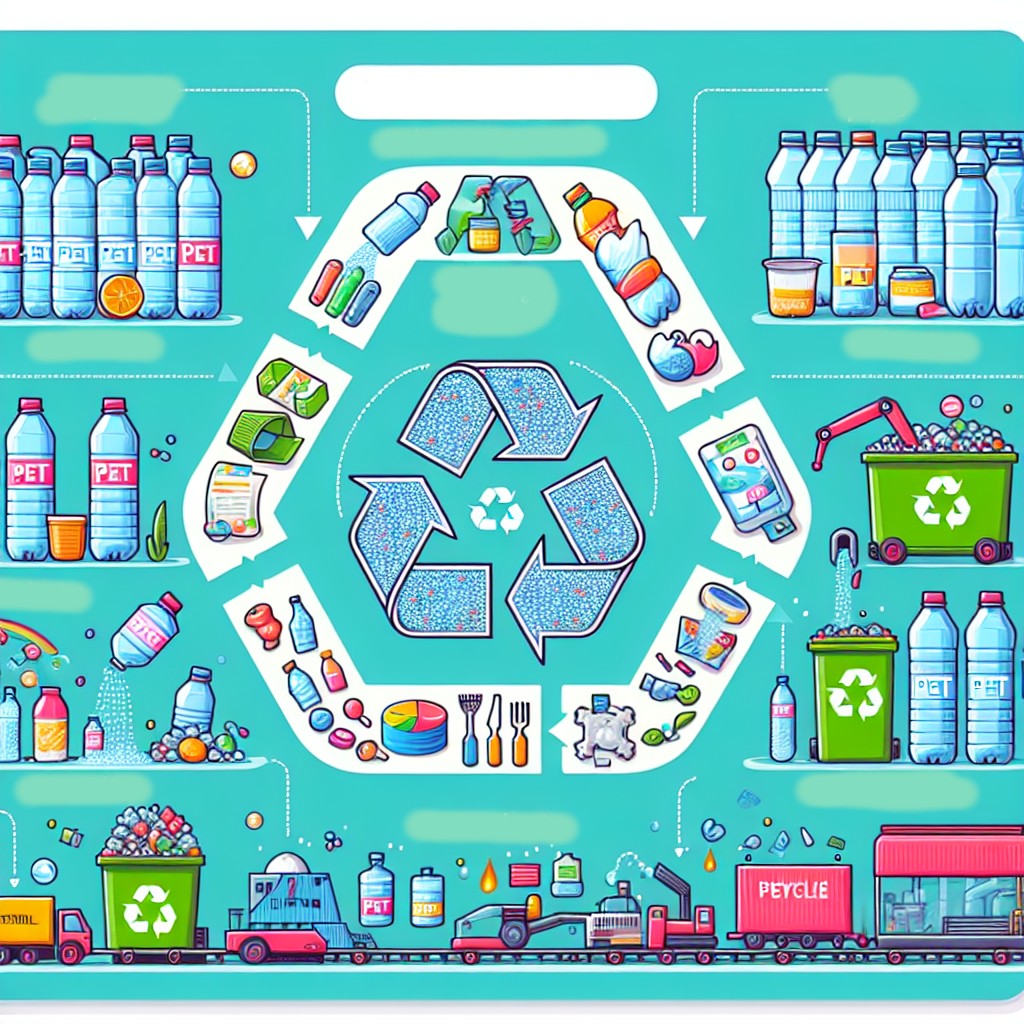
Recycled polymers primarily originate from post-consumer and post-industrial plastic waste that is otherwise destined for landfills. The fundamental science involves collecting, sorting, cleaning, and finally processing these materials to create new, usable polymer products. Through processes such as mechanical recycling—where plastics are shredded, melted, and reformed—or chemical recycling, which breaks down plastics into constituent monomers for re-polymerization, the journey from waste to valuable material begins.
Each type of polymer, from PET to HDPE and LDPE, undergoes a unique recycling process designed to maintain the integrity and quality of the material. Understanding these processes is key to improving recycling rates and enhancing the material’s properties. Interestingly, substituting virgin materials with recycled polymers often results in significant energy savings. For instance, recycling plastics can save over 80% of the energy that would be required to produce new plastics from raw hydrocarbons. This energy efficiency translates into reduced greenhouse gas emissions, highlighting recycled polymers’ vital role in mitigating climate change and promoting sustainability in industrial operations.
Benefits of Recycled Polymers in Manufacturing
The utilization of recycled polymers in manufacturing offers numerous advantages. Firstly, it directly contributes to waste reduction. By diverting plastics from landfills and reducing the need for virgin materials, manufacturers can substantially minimize their environmental impact. Furthermore, reduced extraction of fossil fuels for new plastic production diminishes energy consumption across the supply chain.
Moreover, recycled polymers exhibit significant versatility in application. While they are fundamentally the same as virgin polymers, advancements in recycling technology have allowed them to match the performance and quality of their counterparts in many instances. This versatility opens up numerous possibilities across industries—from automotive and construction to packaging and textiles—where recycled polymers are becoming the material of choice for eco-conscious products.
The transition from linear to circular economies is another crucial benefit. In a linear economy, products are made, used, and disposed of without much thought to their lifecycle. However, a circular economy emphasizes sustainability by designing products whose materials can be repurposed and continuously cycled back into production, thereby extending the product’s lifecycle. Recycled polymers epitomize this philosophy by closing the material loop.
Challenges in Utilizing Recycled Polymers
Despite their many benefits, recycled polymers face several challenges that hinder widespread adoption. Quality consistency is perhaps the most significant hurdle. Due to the varied nature of feedstock in the recycling process, maintaining the uniformity of recycled polymers can be challenging. This inconsistency can deter manufacturers concerned with product specification and standardization.
Additionally, the collection and sorting process can be labor-intensive and costly. Efficient recycling relies heavily on the effectiveness of waste management systems, which vary greatly across different regions. Inefficiencies in these systems can lead to contamination, further complicating the recycling process.
Moreover, widespread misconceptions about the quality and performance of recycled materials persist. There is often a reluctance to adopt recycled polymers due to fears they may compromise the durability or safety of products. Educating stakeholders and the public about advances in recycling technology, which ensure that recycled polymers can meet or even exceed performance expectations, is crucial for overcoming skepticism.
The Role of Technology in Enhancing Recycled Polymer Utilization
Technological advancements have significantly bolstered the use of recycled polymers. Innovations in sorting technology, such as near-infrared and artificial intelligence systems, have improved the accuracy and speed of material separation, increasing the efficiency of the recycling workflow. Chemical recycling technologies are also advancing, addressing some of the limitations of mechanical recycling by enabling the breakdown of complex materials into purer polymer forms.
Moreover, developments in additive manufacturing and 3D printing are demonstrating the potential of recycled polymers in producing complex and customized components with minimal waste. By utilizing these technologies, manufacturers can create more sustainable and innovative products while reducing both material costs and environmental impact.
Case Studies of Recycled Polymers in Action
The application of recycled polymers is already visible in various industries. For example, the automotive industry employs recycled plastics in the production of non-critical components, such as car bumpers and interior parts, demonstrating their capacity to meet robust industry standards. This practice significantly reduces the vehicle’s ecological footprint by minimizing dependence on virgin plastics and reducing overall emissions.
In the textile sector, brands are increasingly deploying recycled polyester and nylon, particularly in fashion and sports apparel. These materials offer the same durability and comfort as virgin fibers, with the added benefit of reduced environmental impact. The growing consumer demand for sustainable products is pushing companies to adopt recycled polymers on a broader scale.
Packaging is another industry where recycled polymers are making significant headway. Numerous companies are committing to sustainable packaging solutions, replacing single-use plastics with materials sourced from recycled content. Not only does this alleviate the pressure on landfills, but it also aligns with consumer expectations for environmentally responsible products.
Government and Policy Influence on Recycled Polymers
Government regulations and policies have a substantial influence on the adoption and success of recycled polymers. Many administrations are implementing stringent recycling and waste reduction goals, often providing incentives or subsidies for companies that utilize recycled materials. Such policies aim to stimulate the market for recycled polymers, ensuring manufacturers prioritize their use over raw materials.
International treaties and frameworks like the European Union’s Circular Economy Action Plan and China’s National Sword policy illustrate global efforts toward stricter recycling standards and reduced waste exportation. These initiatives encourage investments in recycling technologies and infrastructure, paving the way for increased integration of recycled polymers in manufacturing. They provide frameworks that support the research and development essential for overcoming existing challenges and advancing recycling processes.
Sustainability and Economic Impacts of Recycled Polymers
The sustainability benefits offered by recycled polymers are undeniable. They provide the potential to tackle pressing global issues such as climate change and resource scarcity. By relying on recycled materials, the industry not only reduces greenhouse gas emissions but also curtails resource depletion. These actions directly contribute to achieving global sustainability targets.
From an economic perspective, the integration of recycled polymers can result in financial savings for manufacturers. The reduced energy requirements during production and the lower cost of recycled materials compared to virgin resources translate into a cost-effective solution. Additionally, companies adopting eco-friendly materials may enjoy enhanced brand reputation and customer loyalty, leading to increased market share. As sustainability becomes integral to business strategies, firms that proactively integrate recycled polymers position themselves as industry leaders.
Conclusion
The role of recycled polymers in sustainable manufacturing is both profound and far-reaching. Their impact extends beyond simple material substitution, offering tangible environmental, economic, and social benefits. By effectively turning waste into a resource, recycled polymers drive the transition from linear to circular manufacturing models, embodying sustainability at their core. As industries continue to evolve, the harmonization of technology and environmentally conscious practices will secure the prominence of these polymers in innovation.
No longer a mere option, recycled polymers are fast becoming a necessity within forward-thinking manufacturing sectors. By overcoming challenges related to quality and system inefficiencies through technological advancements and supportive policies, the potential for these polymers is immense.
The future trajectory of manufacturing inherently involves a commitment to sustainable practices. Embracing recycled polymers represents an integral step toward this commitment, enabling industries to mitigate environmental impact while remaining competitive. With continued dedication to research, technology, and policy development, recycled polymers will undeniably remain at the forefront of driving sustainable innovation in manufacturing.
In conclusion, the journey towards sustainable manufacturing is ongoing, and recycled polymers play a vital role in this narrative. Their incorporation signals a concerted effort by industries to bridge the gap between ecological responsibility and industrial growth. In doing so, they ensure a balanced approach to economic development that will benefit both current and future generations.
Frequently Asked Questions
1. What are recycled polymers, and why are they important in sustainable manufacturing?
Recycled polymers are essentially plastics that have been reprocessed and repurposed after their initial use. They are derived from polymer materials that would otherwise contribute to waste or landfill but are instead given a new lease on life through the recycling process. In sustainable manufacturing, recycled polymers play a significant role because they help reduce the reliance on virgin materials. By using recycled polymers, manufacturers not only decrease the need for raw material extraction – which can be energy-intensive and environmentally harmful – they also help mitigate the ecological impact of waste. This closed-loop system significantly reduces environmental degradation and aligns with the growing demand for eco-friendly production processes. Ultimately, recycled polymers contribute to conserving resources and lowering the carbon footprint associated with new plastic production, making them vital to sustainable practices.
2. How does the use of recycled polymers affect the quality of manufactured products?
One common misconception about recycled polymers is that they compromise the quality of the final product. However, with advancements in recycling technologies, the quality and performance of recycled polymers have improved significantly. Manufacturers are continuously optimizing processing techniques to ensure recycled polymers meet the rigorous standards required for various applications. That being said, while some specific use cases, particularly those demanding high-precision or high-strength materials, might still rely on virgin polymers, a vast array of products can be and are made from recycled materials without sacrificing integrity. The use of recycled polymers also brings the added advantage of enhanced public perception, as consumers are increasingly favoring products that are sustainably sourced and manufactured.
3. In which industries are recycled polymers most commonly used?
Recycled polymers are gaining prominence across a diverse range of industries. In the packaging industry, for instance, they are widely used to create containers, bottles, and films, helping to reduce plastic waste dramatically. The automotive sector leverages recycled polymers in components like dashboards, bumpers, and wheel arches, contributing to a reduction in the vehicle’s weight and, as a result, improving fuel efficiency. Construction materials, such as composite lumber and insulation, also frequently incorporate recycled polymers, providing an enduring solution to traditional building materials. In textiles, recycled polymers are found in clothing, carpets, and upholstery, all contributing to a reduction in resource consumption and waste. Each of these industries not only benefits from the material advantages recycled polymers offer but also builds a narrative around sustainability that resonates with the consumer base.
4. What challenges do manufacturers face when integrating recycled polymers into their production processes?
Despite the numerous benefits, the integration of recycled polymers into manufacturing does present certain challenges. One major hurdle is ensuring consistency and quality in the recycled materials, as polymers vary based on their previous life cycle and usage. Manufacturers often need to invest in advanced sorting and processing technologies to maintain high-quality standards, which can be costly. Regulatory compliance is another area of concern, as recycled polymers in certain applications are subject to strict guidelines to ensure safety and effectiveness. Additionally, supply chain complexities arise due to the fluctuating availability of quality recycled materials, making scalability another challenge. However, with continued advancements and innovations in recycling technologies, many of these challenges are expected to be mitigated over time, leading to a smoother integration process.
5. How does consumer demand influence the adoption of recycled polymers in manufacturing?
Today’s consumers are keenly aware of sustainability issues and increasingly seek products that align with their environmental values. This shift in consumer mindset exerts significant pressure on manufacturers to adopt recycled polymers in their production processes. Brands that prioritize sustainable practices gain a competitive edge by enhancing their reputation and establishing a loyal customer base. Moreover, consumers are more willing to support companies that demonstrate a commitment to reducing their environmental impact. In response to this demand, manufacturers are not only increasing the use of recycled polymers but also enhancing transparency about their processes and product sourcing. As a result, consumer demand serves as both a driving force and a catalyst for change in adopting more sustainable practices across industries. This pivotal role underscores the importance of consumer influence in shaping a more sustainable future.