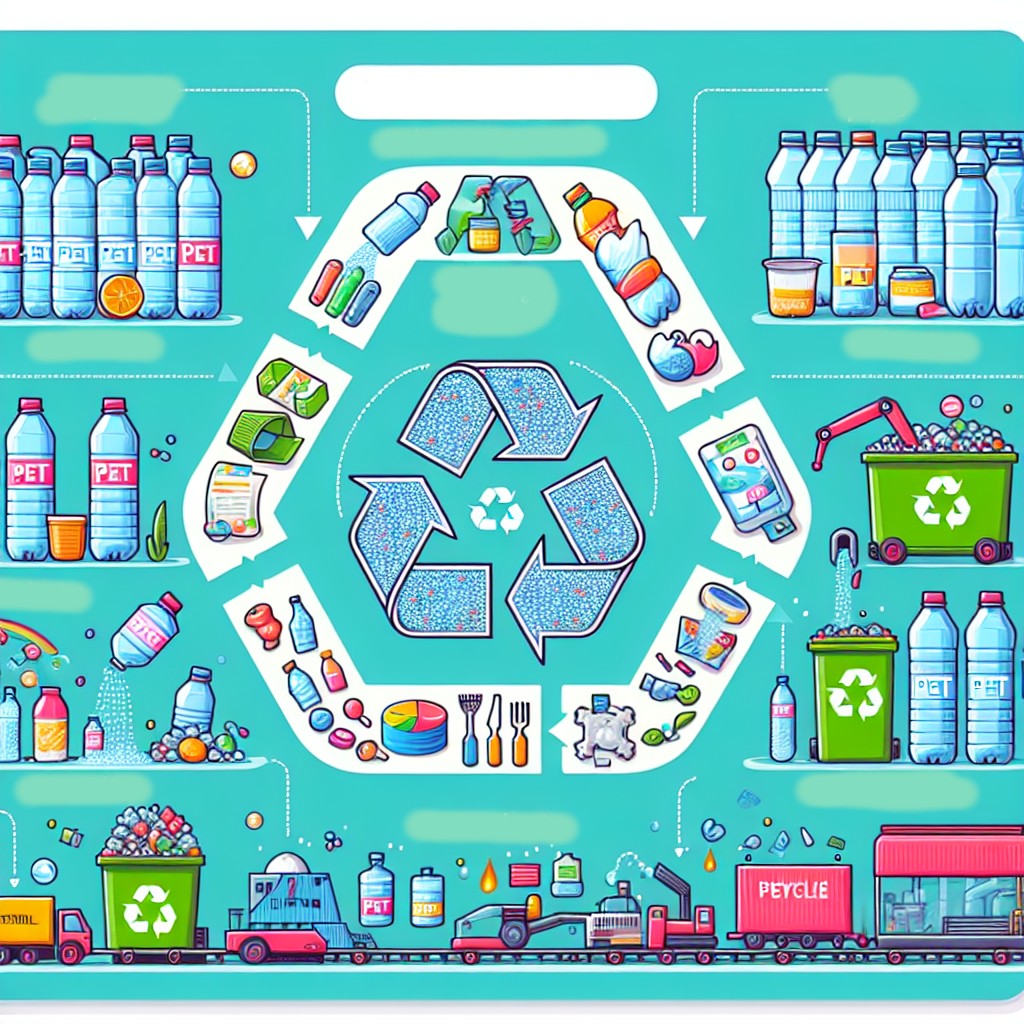
Chemical recycling of polymers marks a significant shift from traditional waste management approaches, offering a promising solution to the growing environmental issues caused by plastic waste. As our society grapples with the increasing accumulation of polymer materials, it’s clear that innovative recycling methodologies are needed more than ever. Currently, most recycling methods are mechanical and often result in the downcycling of materials, reducing them to lower-quality products. Unlike these conventional methods, chemical recycling breaks down polymers into their monomers or other useful chemicals, enabling the production of high-quality polymers with characteristics similar to virgin materials. This form of recycling is not only key to managing polymer waste but also contributes to a more sustainable circular economy. The focus of this article is to explore the cutting-edge technologies and innovations that are making chemical recycling a viable solution for handling polymer waste. We will delve into the principles behind chemical recycling, current advancements in this field, the challenges faced by researchers and industries, and the potential impacts these innovations could have on our world.
The increasing demand for plastic products has driven the polymer industry to such an extent that traditional methods of waste management are no longer sustainable. Chemical recycling introduces a transformative approach by technically reprocessing plastic waste into valuable resources, essentially creating a closed-loop system. Within this context, numerous processes such as depolymerization, pyrolysis, and gasification have come to the fore as innovative methods that enhance the efficacy of polymer recycling. These developments not only empower industries to transition towards more environmentally friendly practices but also ensure that high-quality materials are continuously made available for product manufacturing.
The journey towards effective chemical recycling entails overcoming numerous hurdles, including technological constraints, economic viability, and environmental safety. Yet, with ongoing research and technological breakthroughs, several promising methods and strategies are emerging. These innovations are reshaping how we handle plastic waste and glean sustainable resources from discarded materials. As such, understanding the intricacies of these innovative recycling technologies and their implications is essential for policymakers, industry leaders, and environmental advocates. Together, these stakeholders can contribute to a future where plastic waste becomes a valuable commodity rather than an environmental burden.
Innovative Techniques in Chemical Recycling
Understanding the variety of innovative techniques employed in the chemical recycling of polymers involves looking into several distinct processes that each bring unique value to the table. Among the plethora of technologies, some of the most notable include depolymerization, pyrolysis, and gasification. These processes are not only at the forefront of recycling research but have also begun to find their way into commercial applications in recent years.
Depolymerization is a process that specifically targets breaking down polymers into their constituent monomers, a method often equated with unzipping a polymer chain. This method is particularly useful for recycling polymers like polyethylene terephthalate (PET) and polylactic acid (PLA). Through advanced catalytic processes or thermal applications, depolymerization can efficiently reproduce monomers that serve as the building blocks for new, high-quality polymers. The primary advantage here is that the resultant materials from this method can be virtually indistinguishable from virgin resources, allowing industries to produce goods without compromising on quality. Companies active in this space are continually exploring enhanced catalytic systems that could make the depolymerization of a wider range of polymers economically viable.
Pyrolysis presents another forward-thinking innovation in the chemical recycling of polymers. This thermal decomposition process occurs in an oxygen-free environment at elevated temperatures, converting waste polymers into smaller molecules, such as oils. These secondary products can then be further refined into fuels or used as feedstock for the creation of new polymers. While the method can handle a broad spectrum of polymer types, ongoing research aims to improve the efficiency of pyrolysis and optimize the yield of useful byproducts. The process is gaining traction due to its ability to effectively handle mixed plastic waste, which is often a challenge for other recycling methods.
Gasification represents a versatile method of polymer recycling, utilizing high temperatures in a controlled amount of oxygen to convert waste into synthesis gas, or syngas. This gaseous mixture, consisting primarily of carbon monoxide and hydrogen, can serve as a precursor for chemical production or energy generation. Gasification offers a promising approach for managing polymer waste that is otherwise non-recyclable through mechanical means. Innovations in reactor designs and catalyst development are driving advancements in this field, boosting the overall efficiency and economic appeal of gasification as a means of chemical recycling.
Moreover, enzymatic recycling is gaining significant attention as an eco-friendly alternative to traditional chemical processes. Harnessing the natural abilities of enzymes to depolymerize certain polymers, this method offers mild reaction conditions and minimal energy requirements. Although enzymatic recycling is still in its early stages, especially compared to other methods, the potential environmental benefits present significant opportunities for future advancement. Efforts to genetically engineer more efficient enzymes are opening up new avenues for recycling polymers that were previously deemed difficult to process.
Challenges and Opportunities
Despite promising advancements in chemical recycling techniques, numerous challenges hinder widespread adoption and optimization of these innovations. Among the most pressing issues facing the industry is the economic viability of chemical recycling technologies. Currently, the cost of recycled polymers often surpasses that of virgin materials, mainly due to the complex processes involved and the high energy requirements. Addressing these economic barriers requires continued investment in research and development to enhance the efficiency of recycling processes, reduce operational costs, and scale up technologies for industrial deployment.
Environmental considerations also pose significant challenges to the progression of chemical recycling innovations. Ensuring that these processes remain sustainable involves addressing concerns such as emissions, energy consumption, and the management of chemical byproducts. As these technologies evolve, it is crucial that they align with green chemistry principles to minimize adverse environmental impacts. Implementing comprehensive life cycle assessments of these processes is a step towards ensuring that they contribute positively to a sustainable future.
The integration of chemical recycling innovations into existing waste management systems presents another key opportunity for improvement. Effective coordination between different stakeholders, including waste collectors, recycling facilities, and manufacturers, is essential for creating a seamless recycling ecosystem. Policymakers and industry leaders play crucial roles in setting frameworks that encourage the adoption of chemical recycling technologies and facilitate the transition towards more sustainable practices.
The Role of Policy and Industry
As chemical recycling technologies continue to develop, the role of policy and industry becomes increasingly crucial in driving these innovations forward. Regulatory frameworks can influence the adoption and advancement of chemical recycling by setting standards that promote environmentally friendly practices and by providing incentives for the development and use of sustainable technologies. Governments across the globe are beginning to recognize the importance of chemical recycling innovations and are thus implementing regulations and policies aimed at fostering these advancements.
Industries also have a significant impact on the progression of chemical recycling technologies. Companies involved in the polymer supply chain are in a unique position to leverage these innovations, reducing waste and promoting a circular economy. Collaborative efforts between industry leaders and research institutions are instrumental in overcoming technical challenges and scaling up chemical recycling technologies. Moreover, consumer demand for sustainable products is encouraging companies to adopt chemical recycling, thus creating a market-driven incentive for innovation.
Future Prospects
The future of chemical recycling lies in continued technological advancements and the successful integration of these innovations into global waste management systems. With ongoing research efforts focused on enhancing the efficiency and cost-effectiveness of these processes, it is anticipated that the practical applications of chemical recycling will expand. The development of novel catalysts and reaction conditions is likely to open up new possibilities for recycling a broader range of polymer types.
Another prospect involves the digital transformation of recycling facilities through the integration of smart technologies. Employing sensors, automation, and data analytics can optimize the efficiency and monitoring of chemical recycling processes, contributing to higher yields and reduced operational costs. This digital transformation offers promising avenues for enhancing the environmental and economic benefits of chemical recycling while promoting transparency and accountability within the industry.
Conclusion
In conclusion, the innovations in chemical recycling of polymers present an exciting frontier in the battle against plastic waste and the pursuit of a sustainable future. These technologies, ranging from depolymerization to enzymatic recycling, represent a paradigm shift in how we approach polymer waste management, providing viable solutions that align with the principles of a circular economy. The numerous challenges faced by these technologies, including economic feasibility and environmental sustainability, underscore the need for continued research, collaboration, and investment.
The role of policy and industry in facilitating the growth of chemical recycling cannot be overstated. Regulatory frameworks encouraging sustainable practices and market-driven demand for eco-friendly products play essential roles in driving the adoption and advancement of these technologies. As the industry progresses, the potential impacts of chemical recycling on reducing polymer waste, conserving resources, and mitigating climate change become increasingly significant.
The innovation and integration of chemical recycling into mainstream waste management systems pave the way for a future where polymer waste is no longer seen as an environmental burden but as a resource that holds immense value. It is clear that chemical recycling technologies hold the promise of transforming the global plastic economy, offering sustainable solutions to one of the most pressing environmental challenges of our time. With continued efforts and collaboration across sectors, the potential for these innovations to revolutionize waste management and contribute to a cleaner, greener planet is indeed vast and inspiring.
Frequently Asked Questions
1. What is chemical recycling of polymers and how does it differ from traditional mechanical recycling?
Chemical recycling of polymers is a cutting-edge approach that breaks down plastic waste into its fundamental chemical components. Unlike traditional mechanical recycling, which merely melts and remolds plastics—often compromising quality and resulting in downcycling—chemical recycling processes deconstruct plastic materials on a molecular level. This means that the polymers can be rebuilt almost as if they were brand new. This innovation allows for the recovery of pristine, high-quality materials from plastic waste, which can then be reused indefinitely, greatly reducing environmental stress. Chemical recycling also opens up the possibility of handling complex multi-layered or contaminated plastics that mechanical methods struggle with, thus expanding the scope and efficiency of recycling efforts.
2. What are the different types of chemical recycling processes in use today?
There are several types of chemical recycling processes currently being explored and implemented, each with its unique approach and benefits. The primary ones include:
- Pyrolysis: This involves heating plastics in the absence of oxygen, converting them into liquid or gaseous hydrocarbons. It’s a versatile method that can process mixed and contaminated plastic waste, transforming them into fuels or raw materials for new plastic production.
- Gasification: An advanced process that exposes plastics to high temperatures in a controlled oxygen environment to produce syngas—a mixture of hydrogen and carbon monoxide. This syngas can be used to create new chemicals, fuels, or electricity, and works well for a wide range of materials.
- Hydrolysis: By adding water and applying heat, hydrolysis breaks down certain plastics, particularly polyamides and polyesters, back into their monomers. These can then be repolymerized to manufacture plastics of similar quality to the original.
- Depolymerization: Specifically used for plastics like PET, this process breaks polymers into their constituent monomers or oligomers using chemical agents. It’s highly efficient for producing high-quality recycled plastic that meets original specifications.
Each of these processes offers unique advantages and is suited for different types of polymers, highlighting the versatile nature of chemical recycling techniques.
3. Why is chemical recycling important for the environment?
Chemical recycling is increasingly viewed as a crucial component in the fight against plastic pollution for several reasons. Firstly, it offers a solution to the vast amounts of plastic waste that traditional recycling methods can’t adequately address, especially when dealing with contaminated or mixed materials. By converting plastic waste into high-value raw materials, chemical recycling not only extends the life cycle of plastics but also reduces the need for virgin materials, thus conserving fossil resources and lowering carbon emissions. Furthermore, since chemical recycling can handle complex and difficult-to-recycle polymers, it greatly reduces the plastic waste that ends up in landfills and oceans. This reduction in landfill reliance is critical for mitigating soil and water contamination, preserving biodiversity, and cutting down on greenhouse gas emissions produced by waste decomposition. As industries and governments strive for circular economy models, chemical recycling stands out as a key innovation for sustainable waste management.
4. What challenges are faced in the widespread adoption of chemical recycling?
Despite its potential, several challenges impede the widespread adoption of chemical recycling technologies. One major hurdle is the high cost associated with developing and scaling these technologies while ensuring they are economically viable compared to traditional recycling or disposal methods. Furthermore, the technological complexity of chemical recycling means that it requires significant investment in research and infrastructure to optimize each process to suit different types of polymers. Another challenge lies in regulatory and policy frameworks, which in many regions do not yet fully support or incentivize chemical recycling, often favoring more established waste management practices. A lack of consumer awareness and understanding about the benefits of chemically recycled products also presents a barrier, as public perception and demand play key roles in driving industry adoption. Overcoming these challenges requires a concerted effort from governments, industry stakeholders, and the scientific community to foster innovation and create supportive ecosystems for these technologies.
5. How can consumers support the development and success of chemical recycling technologies?
Consumers play a vital role in supporting the development and success of chemical recycling technologies. One of the most significant ways they can contribute is by increasing demand for products made from chemically recycled materials. By choosing and advocating for companies that commit to using sustainably sourced materials, consumers can drive industry trends towards more eco-friendly practices. Additionally, staying informed and educating others about the advantages of chemical recycling can help shift public perception, creating a broader support base that encourages regulatory changes and investment in the sector. Engaging in community recycling programs and supporting policies and initiatives aimed at improving waste management and recycling infrastructures also helps foster an environment where chemical recycling can thrive. Overall, consumer actions and advocacy are essential in shaping a sustainable future and encouraging the transition towards innovative recycling solutions that prioritize environmental health.