The use of recycled polymers in automotive applications is gaining traction as the automotive industry seeks sustainable, cost-effective solutions. This shift is pivotal in addressing environmental concerns while meeting growing consumer demand for eco-friendly vehicles. Recycled polymers, derived from post-consumer or industrial materials, play a crucial role in reducing waste, conserving resources, and minimizing the carbon footprint associated with vehicle production. The automotive sector, a significant contributor to global carbon emissions, stands to benefit greatly from integrating recycled polymers into its manufacturing processes. However, the transition isn’t without challenges, such as ensuring material performance and consumer acceptance. Despite these obstacles, advancements in recycling technologies and polymer processing have improved the quality and variety of recycled materials, making them viable alternatives to virgin polymers. This article delves into the multifaceted use of recycled polymers, examining their types, benefits, challenges, and evolving role within the automotive industry. By doing so, the discussion highlights how these materials are reshaping automotive manufacturing and contributing to a more sustainable future.
Types of Recycled Polymers
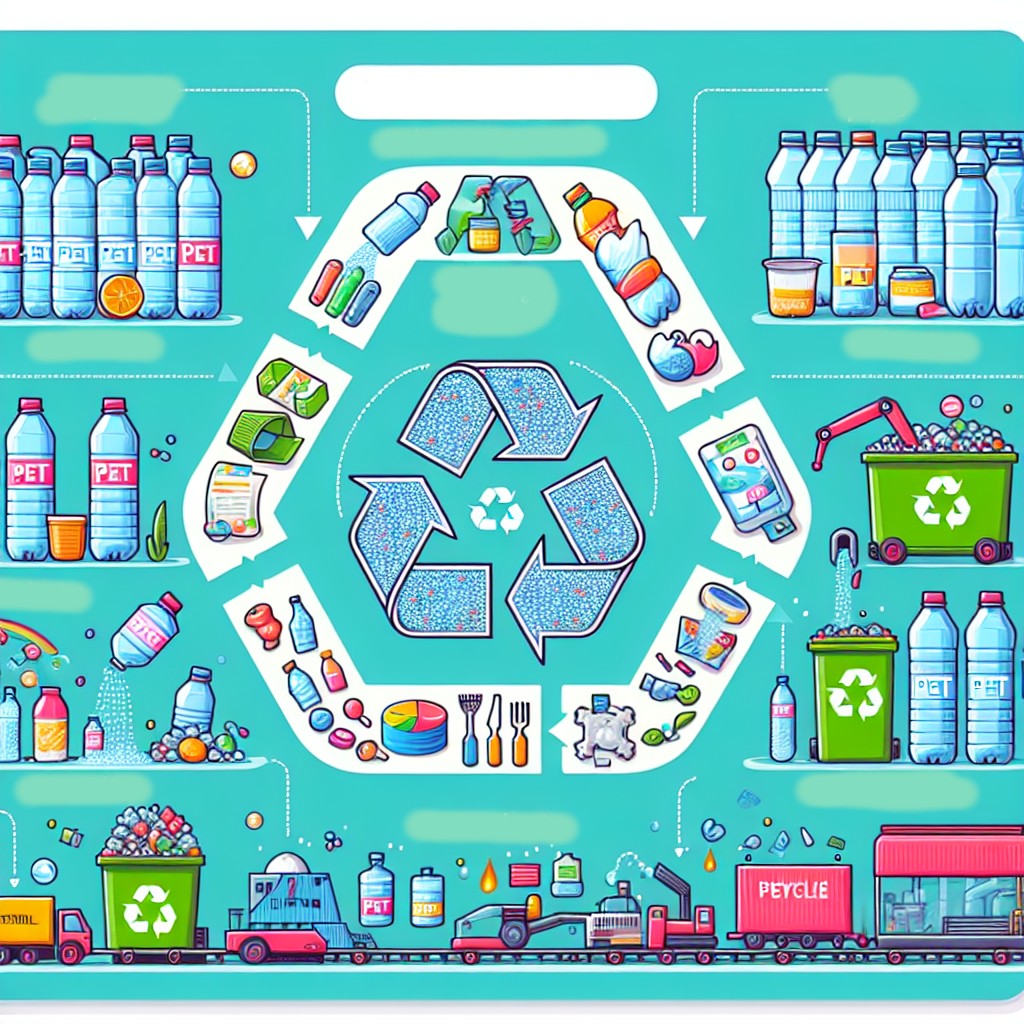
There are several types of recycled polymers used in automotive applications, including polystyrene, polypropylene, polyethylene, and polyethylene terephthalate. Each polymer type is sourced differently and offers unique benefits, which can be utilized according to specific automotive application needs. Post-consumer waste, like plastic bottles, is commonly processed into polyethylene terephthalate, often used for interior trim components. This recycling process involves collection and sorting, followed by cleaning and reprocessing into pellets suitable for automotive applications. Polystyrene, frequently used in packaging, can be recycled into exterior body parts, offering rigidity and durability. Polypropylene, known for its versatility, is used extensively in bumpers and other components. The ability to choose from various recycled polymers allows manufacturers to match material properties with application requirements, enhancing the performance and sustainability of automotive components.
Benefits of Using Recycled Polymers
Recycled polymers provide numerous benefits, primarily contributing to environmental sustainability by diverting waste from landfills and reducing dependency on non-renewable resources. Their use in automotive applications significantly cuts down on emissions by decreasing the energy required for manufacturing compared to virgin materials. Additionally, these polymers can lead to cost reduction as the sourcing of recycled materials often comes at a lower price than new raw materials, allowing manufacturers to allocate resources more effectively. Beyond these advantages, recycled polymers offer opportunities for innovation in design and performance. For instance, using advanced polymers allows for lightweight vehicle designs, improving fuel efficiency. Moreover, they provide manufacturers with the flexibility to meet regulatory requirements related to environmental impact and sustainability, which are becoming increasingly stringent worldwide.
Challenges in Using Recycled Polymers
Despite their benefits, the use of recycled polymers in automotive applications comes with challenges. One of the primary concerns is ensuring the consistency and quality of recycled materials. Unlike virgin polymers, the properties of recycled polymers can vary significantly based on their source and processing history. Manufacturers must implement stringent quality control measures to ensure that recycled polymers meet safety and performance standards. Another hurdle is the investment required for modifying manufacturing processes to accommodate recycled materials, which can be capital intensive. Furthermore, consumer perception and confidence are critical, as some buyers may question the durability and reliability of recycled components. It is imperative for manufacturers to educate consumers and provide assurance about the quality and performance of vehicles made with recycled polymers. Overcoming these challenges requires continuous innovation in recycling technologies to improve material consistency, quality, and performance, making recycled polymers a more attractive option for automotive manufacturers.
Advancements in Recycling Technologies
The progress in recycling technologies has been instrumental in increasing the viability of recycled polymers in automotive applications. Technologies such as chemical recycling offer the potential to degrade plastics to their monomer forms, allowing for re-polymerization into high-quality materials. This process can produce polymers with properties comparable to virgin materials, addressing concerns about quality and performance consistency. Additionally, advancements in material purification and contamination removal have enhanced the quality of recycled polymers, making them suitable for more demanding applications. Innovations in automated sorting technologies, using AI and machine learning, have improved the efficiency of recycling operations by accurately distinguishing different polymer types. These advancements not only bolster the supply of quality recycled materials but also reduce costs, making recycled polymers a more cost-competitive alternative to traditional materials.
Applications of Recycled Polymers in the Automotive Industry
Recycled polymers find diverse applications in the automotive industry, ranging from interior to structural components. In the interior, recycled plastics are used for dashboard panels, seating, and carpeting, providing aesthetic appeal and comfort while promoting sustainability. For exterior applications, recycled polymers are employed in parts such as bumper fascias, fenders, and underbody shields, where durability and resistance to impact are critical. Structural applications are also expanding, with certain reinforced polymer composites being used for non-load-bearing components. These applications demonstrate how recycled polymers contribute to vehicle weight reduction, enhancing fuel efficiency and reducing emissions. By replacing traditional materials, manufacturers are able to achieve significant gains in sustainability without sacrificing performance, a crucial factor in the competitive automotive market.
Regulatory and Industry Initiatives
Governments and industry bodies worldwide are driving the push for the use of recycled polymers through regulatory measures and initiatives promoting sustainable practices. Legislation mandating recycled content in automotive components, such as the European Union’s End-of-Life Vehicles Directive, compels manufacturers to incorporate a greater proportion of recycled materials. Industry groups, including automotive alliances and trade associations, are fostering collaboration among stakeholders to advance recycling technologies and establish best practices. At the same time, automakers have pledged to increase the use of recycled polymers as part of broader corporate sustainability agendas. These efforts underscore the collective commitment to a circular economy, propelling the automotive industry toward a more sustainable future.
Challenges and Opportunities Ahead
As the automotive industry moves toward increased use of recycled polymers, it faces an evolving landscape of challenges and opportunities. Technological advancements must continue to address quality and performance concerns to ensure consumer confidence in recycled components. Investments in recycling infrastructure are also essential to scale operations and meet growing demand. Manufacturers must navigate these challenges by fostering innovation, pursuing strategic partnerships, and participating in industry initiatives. The opportunities for integrating recycled polymers are vast, offering manufacturers the potential to differentiate themselves by not only producing eco-friendly vehicles but also by gaining a competitive edge in an increasingly sustainability-focused market. With the continued push for regulatory compliance and the industry’s commitment to environmental responsibility, the future of recycled polymers in automotive applications is promising.
Conclusion
The integration of recycled polymers into automotive applications represents a transformative step towards sustainability in manufacturing. By decreasing reliance on non-renewable resources and reducing waste, recycled polymers offer significant environmental benefits. The continuous advancements in recycling technologies and improvements in the quality of recycled materials enhance their applicability across diverse automotive components, balancing performance and sustainability. Despite the challenges of ensuring quality, managing cost, and securing consumer trust, the automotive industry is well-positioned to capitalize on the opportunities presented by recycled polymers. Regulatory pressures, consumer demand for sustainable products, and corporate sustainability goals are converging to accelerate this shift. As a result, recycled polymers will increasingly define the future of automotive manufacturing, paving the way for a greener, more sustainable industry. By embracing these materials, the automotive sector not only meets the growing demand for environmentally responsible vehicles but also fosters innovation and progress toward a circular economy.
Frequently Asked Questions
1. What are recycled polymers, and how are they used in the automotive industry?
Recycled polymers are materials processed from post-consumer or industrial plastic waste that are re-engineered for new applications, such as automotive components. In the automotive industry, these polymers are being integrated into various vehicle parts, such as interior trims, dashboards, fender liners, bumpers, and even under-the-hood applications. The versatility of recycled polymers comes from their ability to be reformed and tailored into a wide range of mechanical properties suitable for different automotive needs. By incorporating recycled materials, car manufacturers are able to reduce waste and resource consumption, substantially cutting down on environmental impact while pushing for a more sustainable production cycle. This recycling initiative not only enhances the sustainability of the manufacturing process but also addresses growing consumer interest in eco-friendly vehicles that contribute to a lower carbon footprint. Using these materials effectively turns waste into new, valuable resources, thereby promoting a circular economy within the automotive field.
2. How do recycled polymers impact vehicle performance and safety?
One of the main concerns often revolved around the use of recycled materials is whether they compromise vehicle performance or safety standards. Fortunately, advances in polymer technology and engineering have ensured that recycled polymers meet or even exceed the stringent quality and safety standards set by the automotive industry. These materials are rigorously tested to ensure that they maintain structural integrity, endurance, and durability even in challenging conditions. In fact, recycled polymers can be engineered to offer enhanced characteristics such as impact resistance, thermal stability, and weight reduction, all of which are crucial for vehicle efficiency and safety. For instance, by reducing the overall weight of the vehicle with lighter yet equally durable materials, fuel efficiency is improved, thus contributing to lower emissions. Importantly, manufacturers have established comprehensive testing protocols that involve a variety of simulations and real-world assessments to ensure that these recycled components perform just as well, if not better, than their virgin counterparts.
3. What are the environmental benefits of using recycled polymers in cars?
Recycled polymers bring significant environmental benefits to the automotive world, primarily through waste reduction and conservation of natural resources. When post-consumer plastics are diverted from landfills and oceans to be repurposed as automotive parts, this minimizes plastic pollution and landfill dependency. Furthermore, the manufacturing process of recycled polymers typically requires less energy compared to producing new plastic from virgin materials, leading to a lower carbon footprint. Another key benefit is the reduction in raw material extraction, which conserves vital resources and promotes environmental sustainability. Moreover, the integration of recycled polymers in vehicles helps reduce the overall ecological impact of automotive production by supporting a more circular economy, where products are reused, recycled, and reintegrated into new products rather than disposed of, giving these materials a second life.
4. Are there any limitations or challenges associated with using recycled polymers in vehicles?
While recycled polymers offer numerous benefits, they also come with certain challenges that need to be addressed. One of the main hurdles is consistency in quality and availability. Recycled materials can often vary in terms of composition depending on the recycling source, which can result in variability in performance. Achieving a consistent supply of high-quality recycled polymers requires a robust supply chain and efficient recycling system, which is still an evolving infrastructure in many regions. Additionally, there are technical challenges in terms of maintaining the desired mechanical properties and durability levels over time, especially with exposure to various automotive operational conditions. Additivation and complex formulations are often necessary to tailor the performance characteristics of recycled polymers to match specific automotive requirements. Overcoming these challenges requires ongoing technological innovation, proper process control, and collaboration across the recycling and automotive sectors. Nonetheless, as technology advances, these barriers are gradually being downscaled, allowing recycled polymers to become more widely adopted in automotive applications.
5. How does the use of recycled polymers in automotive manufacturing align with global sustainability goals?
The use of recycled polymers in automotive applications aligns closely with broader global sustainability goals, including those outlined by international agencies such as the United Nations Sustainable Development Goals (SDGs). It particularly contributes to goals related to Responsible Consumption and Production as well as Climate Action. By opting for recycled materials, the automotive industry promotes the efficient use of resources and waste reduction, addressing the overconsumption of natural materials and minimizing environmental degradation. Furthermore, it aligns with efforts to combat climate change by reducing greenhouse gas emissions associated with manufacturing processes and resource extraction. By integrating recycled polymers, automotive manufacturers commit to reducing their carbon footprint, enhancing resource efficiency, and advancing cleaner production technologies. Additionally, this shift towards recycled materials helps foster sustainable economic growth by encouraging innovative recycling technologies and creating new opportunities for green jobs in the recycling sector. Overall, the initiative reflects a resolute commitment by automotive companies to do their part in tackling environmental issues and enhancing sustainability across their value chains.