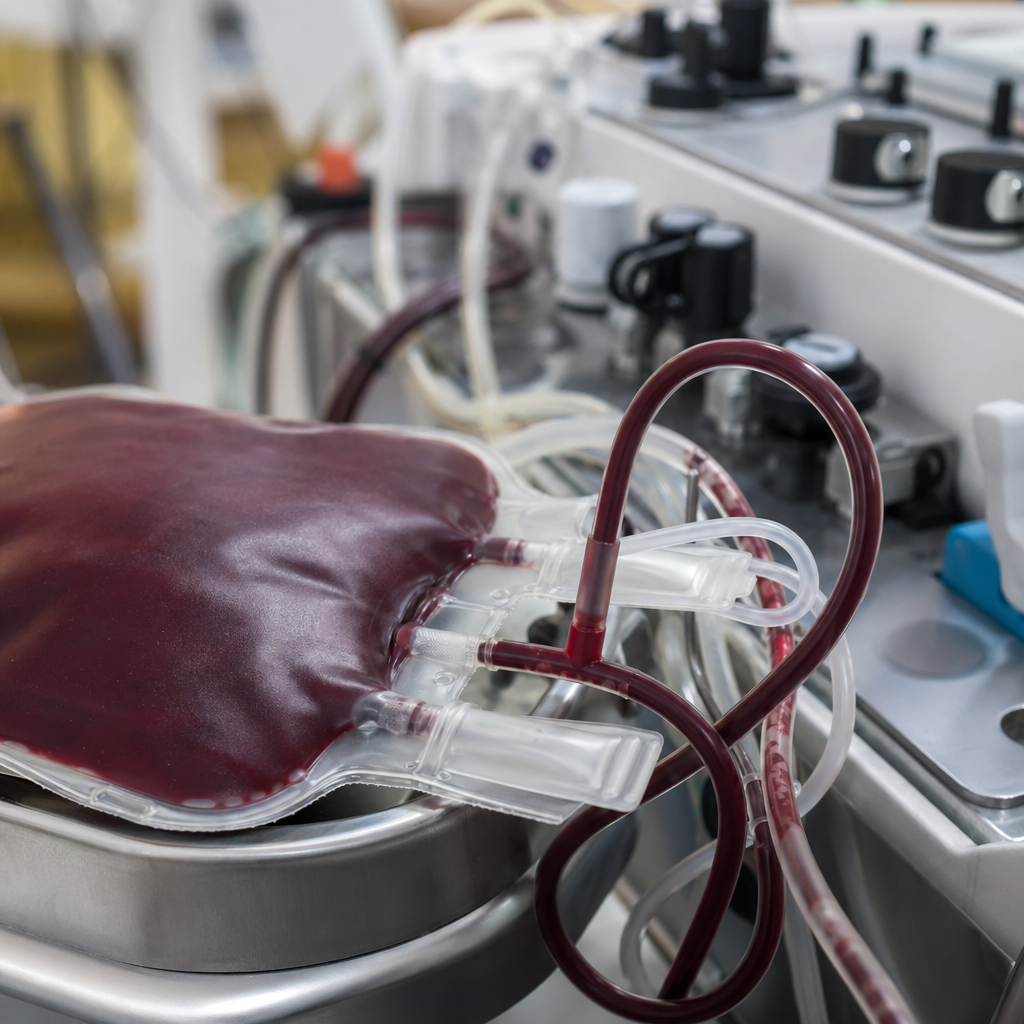
Polymers are central to blood contact applications because they can be engineered to balance biocompatibility, mechanical performance, sterilization tolerance, and manufacturability across a wide range of medical and healthcare devices. In practical terms, blood contact applications include any product that touches circulating blood directly or indirectly, from intravenous tubing and catheters to hemodialysis circuits, blood bags, heart valves, vascular grafts, oxygenators, and implantable sensors. The phrase matters because blood is not a passive fluid. The moment it meets a foreign surface, proteins adsorb, platelets activate, coagulation can begin, complement pathways may trigger inflammation, and red cells can be damaged by poor surface design or excessive shear. I have worked on material selection for tubing and disposable device components, and the lesson is consistent: choosing the wrong polymer can turn a promising design into a thrombosis, hemolysis, or extractables problem very quickly.
For medical and healthcare manufacturers, polymer selection is never just about cost or processability. It involves understanding the interface between material chemistry and blood physiology. Commonly used polymers include polyvinyl chloride, polyethylene, polypropylene, polyurethane, silicone, polytetrafluoroethylene, polyether ether ketone, and specialty hydrogels. Each has a distinct profile of flexibility, transparency, gas permeability, chemical resistance, and surface energy. Those traits influence how a device behaves in use and how blood responds to it. A blood bag needs durability, sealability, and stability during storage. A dialysis membrane needs selective permeability and controlled pore structure. A vascular graft needs fatigue resistance and low thrombogenicity. A catheter may need softness in the vessel, torque control in insertion, and compatibility with drug or antithrombotic coatings.
This article serves as a hub for the medical and healthcare side of polymer applications by explaining the core principles that connect these products. It covers the performance requirements, major polymer families, common blood contact devices, regulatory expectations, and current design trends. If you are comparing materials for a medical device, planning validation, or trying to understand why one polymer appears repeatedly across blood handling systems while another is reserved for implants, this overview provides the framework. The stakes are high because blood-compatible materials affect patient safety, device longevity, clinical outcomes, and total manufacturing risk. Getting the material choice right early reduces redesigns, shortens verification work, and improves the odds that a device will perform consistently from benchtop testing to real clinical use.
What blood compatibility means in medical and healthcare devices
Blood compatibility is the ability of a material or finished device to contact blood without causing unacceptable thrombosis, hemolysis, inflammation, toxicity, or loss of device function. In industry discussions, people often say “biocompatible polymer” as if it were an intrinsic label. In reality, blood compatibility depends on the whole system: polymer chemistry, additives, processing history, residuals, surface finish, sterilization method, geometry, flow conditions, and duration of contact. A smooth extruded tube made from one formulation can perform acceptably, while a similar tube with a different plasticizer package or a rougher inner surface may produce very different results.
The first event after blood contacts a polymer surface is usually protein adsorption. Fibrinogen, albumin, immunoglobulins, and other plasma proteins arrive within seconds. Their conformation on the surface shapes what happens next. Surfaces that promote platelet adhesion and activation can accelerate clot formation. Hydrophobic materials often adsorb proteins strongly, although the relationship is nuanced and can be modified by coatings, hydration layers, and flow. Shear also matters. In pumps and extracorporeal circuits, even a polymer with acceptable chemistry can contribute to blood damage if the design creates recirculation zones or high localized stress. That is why engineers evaluate both material and device architecture together.
Standards guide this work. ISO 10993 remains the core framework for biological evaluation of medical devices, with ISO 10993-4 focused on interactions with blood, including hemolysis, thrombosis, coagulation, platelet response, and complement activation. Device teams also consider extractables and leachables, particulate generation, endotoxin control, and sterilization effects. In blood-contacting disposables, the practical question is simple: can this polymer maintain safety and function over the intended contact time under expected clinical conditions? A temporary extracorporeal circuit has different expectations than a long-term implanted graft. That distinction drives both material choice and testing strategy.
Core polymer families used in blood contact applications
Polyvinyl chloride, or PVC, has been one of the workhorses of blood handling for decades, especially in tubing and blood bags. Its appeal comes from clarity, weldability, and tunable flexibility when plasticized. In transfusion systems, those properties support visual inspection, heat sealing, and high-volume production. The tradeoff is concern around plasticizer migration, particularly with legacy phthalates such as DEHP, which can leach into stored blood products. Many manufacturers now use alternative plasticizers or move to other polymers where clinical, regulatory, or customer requirements demand lower migration profiles.
Polyolefins such as polyethylene and polypropylene are valued for chemical resistance, low cost, and established processing routes. Polypropylene appears in housings, connectors, and rigid disposable components, while polyethylene is common in films and containers. These materials are generally less flexible than plasticized PVC, so they are not automatic substitutes for every soft blood line. However, multilayer constructions and modified formulations have expanded their use in blood storage and fluid management systems where reduced additive concerns are important.
Polyurethanes are widely used in catheters and certain implantable leads because they offer an attractive balance of flexibility, abrasion resistance, and mechanical strength. In vascular access devices, polyurethane can provide a softer profile in vivo than many rigid thermoplastics while preserving insertion performance. Surface-modified polyurethanes are also used in blood-contact devices to reduce protein fouling or support antithrombotic coatings. Silicone, by contrast, is extremely flexible and highly biocompatible in many applications, with excellent thermal stability and gas permeability. It is common in long-term catheters, pump components, and tubing where softness is essential. Its drawbacks include relatively lower tear strength and the potential for surface-related fouling if left unmodified in demanding blood pathways.
Fluoropolymers, especially polytetrafluoroethylene and expanded PTFE, are important in vascular grafts and low-friction liners because of their chemical inertness and low surface energy. Expanded PTFE grafts have a long clinical history in peripheral vascular surgery, though performance depends heavily on implant site, graft diameter, and patient condition. High-performance polymers such as PEEK are used where structural strength, sterilization durability, and dimensional stability are critical, including implantable pump components and instrument parts. Hydrogels and hydrogel-like coatings form another major class. These highly hydrated surfaces can reduce friction and alter protein adsorption, making them useful on guidewires, catheters, and sensor interfaces.
How polymers are matched to specific blood contact devices
Different medical and healthcare devices impose different demands, so no single polymer dominates every blood contact application. In hemodialysis, membranes are often based on polysulfone, polyethersulfone, or modified cellulose systems because they can deliver controlled ultrafiltration and solute clearance with acceptable hemocompatibility. Dialysis bloodlines may still use PVC or alternative flexible thermoplastics, while housings often use polycarbonate or polypropylene. In blood bags, film choice must preserve red cell, platelet, or plasma quality during collection, processing, storage, freezing, and transport. Material performance affects gas transfer, platelet viability, seal integrity, and resistance to low-temperature cracking.
Catheters illustrate the complexity well. A central venous catheter may use polyurethane for shaft strength and insertion behavior, with a hydrophilic or antithrombotic coating on the blood-contacting surface. A long-term implanted catheter may favor silicone for softness and patient comfort. Hemodialysis catheters, introducers, and guidewires all place different demands on flexibility, kink resistance, lubricity, and thrombus control. In cardiopulmonary bypass circuits and extracorporeal membrane oxygenation systems, tubing, connectors, reservoirs, and oxygenator fibers must handle continuous blood flow for hours or days. Material chemistry, surface treatment, and component geometry all contribute to clotting risk and inflammatory response.
| Application | Common polymers | Why they are used | Key limitation to manage |
|---|---|---|---|
| Blood bags and tubing | PVC, polyolefins | Flexibility, transparency, sealing, scalable manufacturing | Plasticizer migration or lower flexibility in alternatives |
| Catheters | Polyurethane, silicone | Softness, strength, kink resistance, patient comfort | Thrombus formation without surface modification |
| Dialysis membranes | Polysulfone, polyethersulfone, cellulose derivatives | Selective permeability and stable membrane formation | Protein fouling and complement activation |
| Vascular grafts | ePTFE, PET | Mechanical durability and surgical handling | Small-diameter graft thrombosis |
| Pump and oxygenator components | Silicone, polycarbonate, specialty coatings | Flow performance, clarity, thermal stability | Surface-induced clotting under long runs |
Vascular grafts and heart-assist components demand another level of durability. Polyethylene terephthalate, commonly called PET or Dacron in graft contexts, and ePTFE remain established options for large-diameter vascular prostheses. Yet small-diameter synthetic grafts still struggle against thrombosis and intimal hyperplasia compared with autologous vessels. That challenge has driven interest in porous scaffolds, bioresorbable polymers, and endothelialization strategies. Across these device categories, successful polymer use depends on matching bulk properties with the realities of blood flow, implantation time, sterilization, and clinician handling.
Surface engineering, coatings, and hemocompatibility strategies
In many blood contact applications, the winning solution is not a new bulk polymer but a modified surface. Surface engineering allows manufacturers to preserve the mechanical and processing benefits of a familiar polymer while reducing adverse blood interactions. Heparin coatings are a classic example. They are used on extracorporeal circuits, vascular devices, and some stents to reduce coagulation activity at the interface. Hydrophilic coatings create water-rich surfaces that lower friction and can reduce nonspecific protein adsorption. Zwitterionic chemistries, polyethylene glycol derivatives, and grafted hydrogels are also used to resist fouling.
From development experience, coatings solve one problem only if they survive the rest of the product lifecycle. Adhesion under flexing, shelf-life stability, sterilization compatibility, particulate shedding, and manufacturing reproducibility are common failure points. Ethylene oxide, gamma irradiation, and electron beam sterilization can each alter surface chemistry differently. A coating that performs beautifully in benchtop blood loop testing may degrade after packaging studies or accelerated aging. That is why qualification plans must include not only initial hemocompatibility but also coated-device durability under simulated use.
Another important strategy is controlling topography and cleanliness. Smoother surfaces can reduce sites for platelet adhesion, although absolute smoothness does not guarantee low thrombogenicity. Residual processing aids, mold release agents, and contamination can undermine an otherwise sound material choice. Plasma treatment, corona treatment, and graft polymerization are often used to activate surfaces before further functionalization. The strongest programs combine material science with fluid dynamics, because surface chemistry and flow design are inseparable in blood-facing devices.
Regulatory, testing, and manufacturing considerations
Medical and healthcare companies using polymers in blood contact applications operate under demanding regulatory expectations. Beyond biological evaluation under ISO 10993, teams typically assess chemical characterization under ISO 10993-18, toxicological risk, sterilization validation under ISO 11135 or ISO 11137, packaging integrity, shelf life, and process validation. In the United States, submissions to the FDA often require a clear materials rationale tied to device classification, predicate comparisons when relevant, and performance data from bench, animal, or clinical studies depending on risk. European compliance under the Medical Device Regulation places similar emphasis on evidence, traceability, and post-market follow-up.
Testing usually spans several layers. Material-level screening may include hemolysis, cytotoxicity, extractables, and protein adsorption studies. Device-level testing may involve whole-blood loop models, thrombogenicity assessments, particulate analysis, flow visualization, and simulated use. For implantables, chronic studies and long-term degradation data become more important. Manufacturing consistency is equally critical. Lot-to-lot resin variation, regrind practices, additive changes, and supplier notifications can materially affect blood compatibility. Well-run programs lock specifications tightly and monitor critical attributes such as hardness, molecular weight distribution, residual monomer, and surface treatment energy.
One lesson that repeatedly proves true is that scale-up changes risk. A polymer formulation validated on pilot equipment may behave differently on full production lines because cooling rates, shear history, and dwell time alter morphology or additive distribution. Extrusion conditions can affect tubing surface quality. Injection molding can create flow lines or residual stresses. Adhesive bonding, solvent exposure, and secondary assembly steps may introduce new extractables. For blood-contact devices, these details are not secondary manufacturing concerns; they are part of the clinical performance equation.
Where the field is moving next in medical and healthcare
The future of polymers in blood contact applications is being shaped by four trends: lower-risk additives, smarter surfaces, more complex combination devices, and better predictive testing. Hospitals and procurement teams increasingly ask about DEHP-free systems, bisphenol concerns, and sustainable material choices without compromising clinical performance. That pressure is pushing broader use of alternative plasticizers, polyolefin films, and specialty thermoplastic elastomers in disposables. At the same time, long-term implants are moving toward surfaces that actively manage biology rather than merely endure it.
Researchers are developing nitric-oxide-releasing coatings, endothelial cell-supportive surfaces, and biomimetic interfaces that imitate the glycocalyx or other natural antithrombotic features of blood vessels. Additive manufacturing is opening new possibilities for patient-specific blood-contact components, although qualification remains demanding because printed microstructure, porosity, and residuals can vary significantly. Digital modeling is also improving. Computational fluid dynamics, paired with hemolysis and thrombosis models, helps teams narrow design options before expensive prototypes enter animal or clinical work.
For anyone building within the medical and healthcare segment, the main takeaway is straightforward: polymer selection for blood contact applications is a multidisciplinary decision that must connect chemistry, device design, processing, regulation, and clinical reality. The best materials are not universally “most biocompatible”; they are the ones proven fit for a defined use, with risks understood and controlled. Use this hub as your starting point for deeper exploration of blood bags, catheters, dialysis systems, grafts, coatings, and validation strategies. A disciplined material strategy will improve safety, speed development, and create devices clinicians trust.
Frequently Asked Questions
Why are polymers so widely used in blood contact applications?
Polymers are widely used in blood contact applications because they offer an unusual combination of design flexibility, processability, and performance that is difficult to achieve with metals, ceramics, or glass alone. In devices that contact blood directly or indirectly, materials must do much more than simply hold their shape. They must function safely in a complex biological environment, resist unwanted protein adsorption and clot formation as much as possible, maintain mechanical integrity during use, tolerate sterilization, and be manufacturable at consistent quality and scale. Polymers can be engineered to meet these competing requirements through careful control of chemistry, molecular weight, additives, surface treatment, and fabrication method.
Another major reason polymers are so important is the sheer range of blood-contacting products they support. Flexible materials are needed for intravenous tubing, blood bags, peristaltic pump sets, and dialysis circuits. More rigid or reinforced polymer systems are used in catheter components, housings, connectors, and sensor platforms. Porous and textile-like polymer structures can be used in vascular grafts, filtration media, and membrane applications such as oxygenators and hemodialysis cartridges. In each case, the material can be tailored for properties such as kink resistance, transparency, softness, strength, gas permeability, chemical resistance, or dimensional stability.
Polymers also enable cost-effective, high-volume manufacturing through extrusion, injection molding, blow molding, dip coating, film casting, and additive manufacturing methods. That makes them especially valuable in healthcare settings where many blood-contact products are disposable and must be produced reliably at scale. Just as importantly, the surface of a polymer can often be modified to improve hemocompatibility, reduce thrombogenicity, add lubricity, or support specific sensing or drug-delivery functions. For all of these reasons, polymers have become foundational materials in modern blood management, extracorporeal therapy, vascular access, and implantable medical technologies.
What properties make a polymer suitable for use in blood contact devices?
A polymer intended for blood contact use must satisfy a broad set of performance criteria, because blood is a highly reactive biological fluid and medical devices often operate under demanding mechanical and clinical conditions. One of the most important requirements is biocompatibility, especially hemocompatibility. The material should minimize adverse interactions such as excessive protein adsorption, platelet activation, hemolysis, complement activation, inflammation, and thrombus formation. While no material is completely invisible to blood, suitable polymers are selected and engineered to reduce these responses to acceptable levels for the intended duration and mode of contact.
Mechanical performance is equally critical. Depending on the application, the polymer may need flexibility, burst strength, fatigue resistance, abrasion resistance, tensile strength, pressure resistance, or elasticity. Tubing and catheters must bend without kinking and withstand repeated handling. Membranes in oxygenators or dialysis systems must maintain structural integrity while supporting controlled transport. Implantable devices may need long-term durability under pulsatile flow and cyclic loading. Dimensional stability and resistance to cracking, creep, or environmental stress failure are also important, especially when the device is exposed to fluids, temperature changes, or sterilization processes.
Processing and sterilization compatibility also play a major role in material selection. A useful polymer must be manufacturable into the required form factor with tight tolerances and reproducible quality. It should perform well with fabrication methods like extrusion, molding, or coating and remain stable after ethylene oxide, gamma, electron beam, or steam sterilization, depending on the product. Additional considerations include transparency for fluid visualization, gas permeability for oxygenation devices, chemical resistance to drugs or cleaning agents, extractables and leachables profile, bondability to other materials, and regulatory history. In practice, a polymer is considered suitable not because of one outstanding property, but because it delivers the right balance of biological, mechanical, chemical, and manufacturing performance for a specific blood-contacting use.
Which polymers are commonly used in blood contact applications, and where are they typically found?
Several classes of polymers are commonly used in blood contact applications, with each material chosen for a specific set of advantages. Polyvinyl chloride, or PVC, has long been used in blood bags, intravenous tubing, and extracorporeal circuit components because it is flexible, transparent, and easy to process. Polyurethane is another major material family, valued for its toughness, elasticity, abrasion resistance, and ability to be formulated across a wide hardness range. It appears in catheters, vascular access devices, coatings, and certain implantable components. Silicone is widely used where softness, flexibility, temperature stability, and biocompatibility are priorities, such as in tubing, seals, and some long-term implantable elements.
Polyolefins such as polyethylene and polypropylene are also widely used, especially in connectors, housings, containers, films, and molded parts where chemical resistance and manufacturability are important. Polytetrafluoroethylene, commonly known as PTFE, and expanded PTFE are known for low surface energy, chemical inertness, and use in vascular grafts, liners, and specialized blood-contacting pathways. Polycarbonate has historically been used in hard, transparent medical components such as reservoirs and housings, although material selection today often considers evolving preferences related to sterilization performance and regulatory expectations. Polysulfone and polyethersulfone are important in hemodialysis and filtration applications because of their thermal stability and membrane-forming capabilities. Polyether ether ketone, or PEEK, may be selected for more demanding structural applications where strength, chemical resistance, and dimensional stability are needed.
Beyond these established materials, many blood-contact applications depend on surface-engineered polymers rather than base resin alone. For example, a catheter may use a polymer substrate with a hydrophilic coating for lubricity, or a circuit component may have an anticoagulant-oriented surface treatment to improve blood compatibility. Membrane technologies in oxygenators, dialysis cartridges, and biosensors often rely on highly specialized polymer architectures designed to control permeability, fouling, and flow behavior. As a result, the most relevant question is often not simply which polymer is used, but how the polymer has been formulated, processed, and surface-modified for the clinical demands of the device.
How do engineers improve the blood compatibility of polymer surfaces?
Improving the blood compatibility of polymer surfaces is one of the central challenges in blood-contact device design, because the first interaction between blood and a device occurs at the surface, not in the bulk material. As soon as blood touches a foreign surface, proteins adsorb rapidly, and that can trigger platelet adhesion, coagulation pathways, complement activation, and inflammatory responses. Engineers therefore focus heavily on controlling surface chemistry, charge, energy, roughness, wettability, and topography to reduce these unwanted reactions. Even if a polymer has excellent bulk mechanical properties, its clinical performance may depend on how effectively the surface has been optimized.
One common strategy is surface coating. Hydrophilic coatings can create a water-rich interface that reduces friction and can help limit protein and cell adhesion in some applications, especially on catheters and guide surfaces. Heparin-bonded or other anticoagulant-inspired coatings are used to reduce thrombogenicity in selected extracorporeal circuits and blood-handling components. Other approaches include grafting polymer brushes, plasma treatment, corona treatment, UV-initiated surface modification, and immobilization of bioactive molecules that influence protein interactions or endothelialization. Surface passivation techniques may also be used to create more uniform and less reactive interfaces.
Engineers also improve blood compatibility by considering device-level factors along with material science. Surface treatment alone cannot fully compensate for poor flow design, stagnant zones, excessive shear, or abrupt geometry changes that damage blood cells or encourage clot formation. For this reason, hemocompatibility development often combines polymer selection with fluid dynamics optimization, roughness control, manufacturing refinement, and testing under realistic use conditions. The best results usually come from an integrated design approach in which the bulk polymer provides the necessary structural and processing benefits while the surface is engineered to better manage the biological response at the blood-material interface.
What testing and regulatory considerations apply to polymers used in blood contact applications?
Polymers used in blood contact applications are subject to extensive testing because the consequences of material-related failure can be serious, including thrombosis, hemolysis, inflammation, infection risk, device malfunction, or toxicological exposure from additives and degradation products. Evaluation typically begins with chemical and physical characterization of the polymer, including identity, formulation control, extractables and leachables assessment, and stability under manufacturing and sterilization conditions. These studies help determine whether the material remains consistent and whether any substances might migrate into blood or other fluids during clinical use.
Biological evaluation is another major requirement. Depending on the nature and duration of blood contact, testing may include hemolysis, coagulation-related assessment, thrombogenicity, complement activation, cytotoxicity, sensitization, irritation, systemic toxicity, pyrogenicity, and implantation-related studies where relevant. Standards such as ISO 10993 provide an established framework for biological evaluation of medical devices, including considerations specific to blood-contacting products. Developers must also assess how processing steps, additives, pigments, plasticizers, adhesives, coatings, and sterilization methods affect final device safety. Importantly, regulators evaluate the finished device, not just the raw polymer, because manufacturing can significantly change surface behavior and biocompatibility