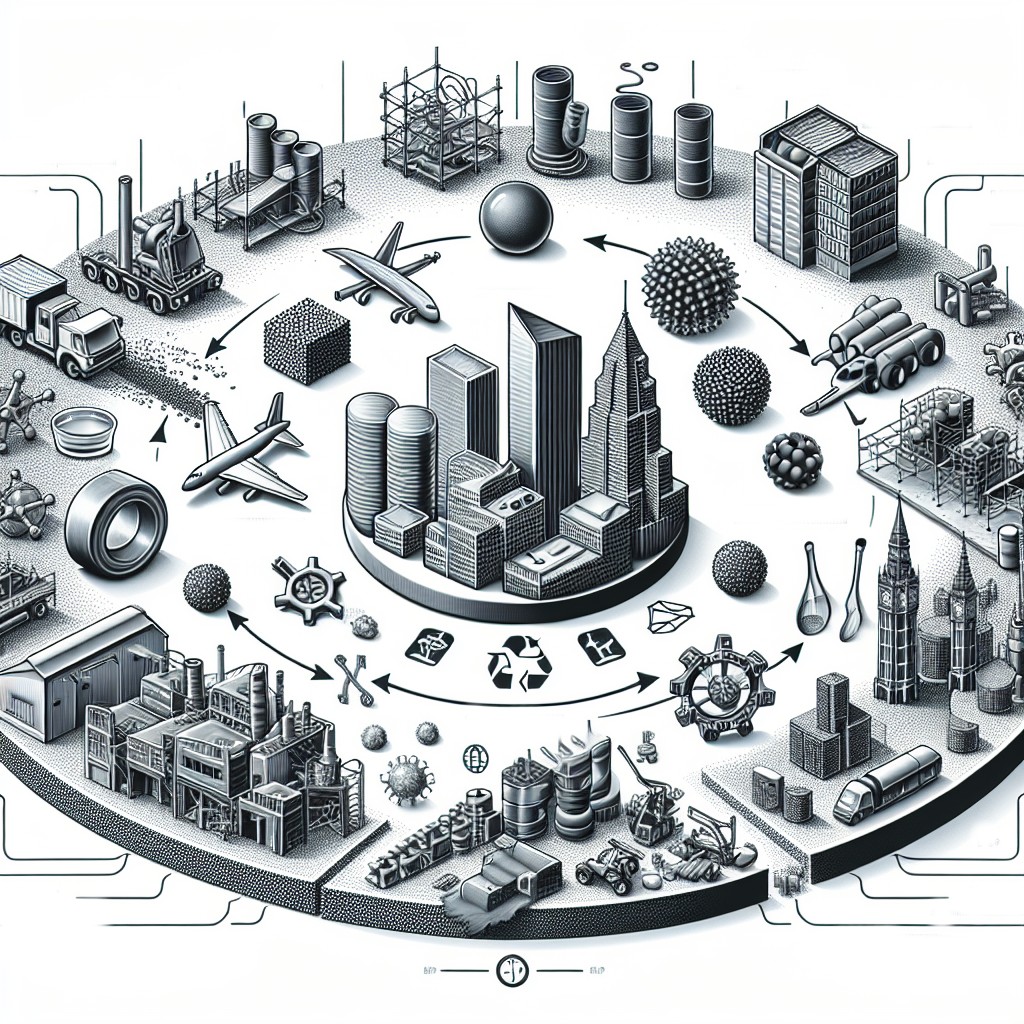
Green polymers are moving from niche materials research into mainstream manufacturing because companies need lower-impact alternatives to conventional plastics without sacrificing performance, safety, or cost control. In materials science, the term green polymers usually refers to polymers that are bio-based, biodegradable, recyclable through efficient recovery systems, or produced with significantly reduced emissions, toxicity, and resource use. That definition matters because many products marketed as sustainable meet only one criterion. A polymer made from plant feedstock is not automatically biodegradable, and a compostable polymer is not automatically low carbon if production and disposal are poorly managed.
Environmental impact is the most important lens for evaluating these materials because polymers are tied to climate emissions, land and water use, waste generation, microplastic pollution, and chemical exposure across their full life cycle. I have worked with packaging teams and compounders evaluating resin choices, and the most common mistake is to compare materials only at the use stage. A responsible decision requires life cycle assessment, often aligned with ISO 14040 and ISO 14044, to measure impacts from feedstock extraction through processing, transport, use, and end of life. This article serves as a hub for the environmental impact of green polymers, explaining the metrics, tradeoffs, applications, and decision criteria that shape the future of the field.
What makes a polymer environmentally preferable
A polymer is environmentally preferable when it demonstrably reduces total harm relative to a realistic incumbent in the same application. That means comparing like for like: barrier packaging against barrier packaging, durable housings against durable housings, medical disposables against medical disposables. Key indicators include greenhouse gas emissions, cumulative energy demand, fossil resource depletion, eutrophication, acidification, ecotoxicity, human toxicity potential, water scarcity, land occupation, and end-of-life leakage risk. No single metric is sufficient. A resin can have a lower carbon footprint yet create problems in agricultural land use, or it can compost well but fail in recycling streams.
Feedstock origin is one important factor. Bio-based polymers derive carbon partly or fully from biomass such as corn, sugarcane, cellulose, castor oil, algae, or agricultural residues. Examples include polylactic acid, polyhydroxyalkanoates, bio-polyethylene, starch blends, cellulose acetate, and partially bio-based polyamides. However, feedstock alone does not determine environmental benefit. Process energy, fertilizer intensity, irrigation, and conversion yield can shift results substantially. A sugarcane-based polymer produced with renewable electricity and bagasse energy can perform very differently from one made in a fossil-heavy grid using irrigated crops. Good environmental assessment always follows the carbon and the chemistry through the whole system.
End-of-life behavior is equally decisive. Biodegradable does not mean it will harmlessly disappear in any environment. Some polymers biodegrade only under industrial composting conditions with controlled heat, moisture, oxygen, and residence time. Others can biodegrade in soil, anaerobic digestion, or marine environments, but rates vary and certification is essential. Standards such as EN 13432, ASTM D6400, and ASTM D6866 help verify compostability and bio-based content, while recycling compatibility must be tested in actual sorting and reprocessing conditions. In practice, the best material is usually the one that matches local waste infrastructure and preserves value for as long as possible.
Life cycle assessment and carbon accounting
Life cycle assessment is the backbone of credible environmental comparison because it converts broad sustainability claims into measurable results. A proper study defines system boundaries, functional unit, allocation rules, data quality requirements, and scenario assumptions. For green polymers, the functional unit often matters more than marketers expect. Comparing one kilogram of resin can be misleading when two materials deliver different stiffness, barrier performance, or thickness. A better functional unit might be one thousand food packages protecting fresh produce for seven days, or one automotive interior panel meeting impact and heat resistance specifications. That approach reveals whether material substitution really cuts impacts.
Carbon accounting requires particular care with bio-based materials. Biogenic carbon uptake during biomass growth can lower cradle-to-gate greenhouse results, but temporary carbon storage should not be treated as permanent climate removal. Emissions from land-use change, nitrous oxide from fertilizer application, methane at end of life, and electricity intensity during polymerization all matter. The Greenhouse Gas Protocol and product carbon footprint methods are useful reference points, but assumptions must be transparent. I have seen resin selections change after teams moved from generic datasets to supplier-specific primary data for fermentation yield, drying energy, and transportation distance. That level of granularity often separates a credible lower-impact material from a greenwashed one.
| Polymer type | Primary environmental strength | Main limitation | Typical best-fit use |
|---|---|---|---|
| PLA | Lower fossil use and strong industrial composting profile | Heat resistance and end-of-life infrastructure constraints | Food service items, clear packaging |
| PHA | Biodegradation potential in multiple environments | Higher cost and variable scale | Agricultural films, specialty packaging |
| Bio-PE | Drop-in compatibility with existing recycling streams | Not biodegradable | Bottles, caps, flexible packaging |
| Recycled PET blends | High avoided virgin emissions when collection works | Quality loss and contamination risk | Beverage packaging, textiles, trays |
Beyond climate, LCA helps identify burden shifting. For example, replacing multilayer fossil packaging with a compostable monomaterial may reduce persistent waste in food-soiled applications, yet increase transport emissions if the alternative requires greater thickness or has lower product-to-package efficiency. Similarly, a bio-based engineering polymer may cut fossil carbon but increase water stress if sourced from irrigated feedstock in arid regions. This is why environmental impact should be read as a portfolio of indicators, not a single score. Decision-makers need hotspot analysis, sensitivity testing, and scenario modeling for waste management routes such as recycling, composting, incineration with energy recovery, and landfill.
Feedstocks, land use, and resource pressure
The future of green polymers depends heavily on feedstock strategy. First-generation biomass from food crops can be effective at industrial scale, but it raises valid concerns about land competition, biodiversity, fertilizer runoff, and social acceptance. Second-generation feedstocks, including agricultural residues, forestry by-products, waste oils, and lignocellulosic sugars, promise lower land pressure but are technically harder to process. Third-generation options such as algae and carbon capture-based pathways are scientifically promising, though cost and infrastructure still limit broad adoption. The environmental profile of a polymer improves when it uses waste streams, non-food biomass, or feedstocks grown within regenerative agricultural systems with verified soil and water management.
Land-use change is especially important because it can erase climate benefits. If forests, peatlands, or species-rich grasslands are converted to grow feedstock crops, the resulting carbon debt can outweigh years of operational savings. Responsible sourcing therefore requires traceability, certification, and procurement standards. Programs such as ISCC PLUS and Bonsucro are frequently used to verify sustainable biomass chains, while chain-of-custody accounting supports claims for mass balance feedstocks in chemically recycled or bio-attributed polymers. In procurement reviews, the strongest suppliers are those that disclose geography, farming inputs, energy mix, and by-product utilization rather than offering only a broad renewable percentage.
Water use deserves equal attention. Fermentation routes, irrigation-intensive crops, and cleaning stages can create substantial water footprints, especially in water-stressed regions. A polymer that appears favorable on carbon can still be problematic if it depends on scarce freshwater resources. In practice, this means environmental screening should include regionalized water scarcity indicators rather than simple volumetric water consumption. It also means that future growth will likely favor feedstocks that thrive on marginal land, use brackish water, or integrate with existing industrial ecosystems. Circular carbon pathways that combine captured carbon, green hydrogen, and renewable power may eventually reduce both land dependence and resource volatility.
Waste, biodegradation, and circularity in practice
Waste management is where public expectations and technical reality often diverge. Many people assume green polymers solve plastic pollution by default, but outcomes depend on collection systems, sorting technology, contamination levels, and clear labeling. For durable products, mechanical recycling remains one of the highest-value options because it preserves material utility with relatively low energy use when streams are clean. Drop-in bio-based polymers such as bio-PE or bio-PET can fit into existing infrastructure, making them attractive where recycling access is strong. For food-contaminated items, compostable polymers may offer benefits if municipal organics programs accept them and if certified articles break down within the operational timeframe.
Biodegradation must be treated precisely. A polymer may biodegrade in controlled composting but persist in home compost, soil, or seawater. Marketing that ignores those distinctions damages both trust and system performance. Certifications from TÜV Austria, DIN CERTCO, and the Biodegradable Products Institute help clarify conditions, yet labels still confuse consumers if disposal instructions are inconsistent with local services. In design reviews, I push teams to ask one direct question: where will this item actually go after use? If the answer is mixed municipal waste in most markets, then claims about marine biodegradability or specialized composting may be environmentally irrelevant, even if technically true.
Circularity also depends on product design. Colorants, fillers, multilayer structures, adhesives, and incompatible additives can undermine recovery even when the base polymer is theoretically recyclable or compostable. Packaging that uses dark pigments may be missed by near-infrared sorters. Compostable labels on recyclable bottles can contaminate PET streams. Fiber-reinforced biocomposites can extend product life and lower mass, but they may complicate end-of-life processing. The future of green polymers therefore includes design for disassembly, mono-material formats where possible, digital product passports, and harmonized labeling. Better materials matter, but better systems determine whether environmental gains are realized at scale.
Sector applications shaping the future
Packaging is the largest and most visible arena for green polymers because short product life and high leakage risk make environmental scrutiny intense. Fresh produce packs, coffee capsules, films for organic waste, and food service items are common trial areas. The best results come when material choice is tied to a specific waste problem, such as compostable caddy liners that increase food waste capture or high-recycled-content PET trays in closed retail loops. Agriculture is another major sector. Mulch films made from biodegradable polymers can reduce retrieval costs and soil contamination from fragmented polyethylene, but field performance and certification under local soil conditions remain essential.
Textiles, automotive, electronics, and biomedical products show a more complex future. In textiles, bio-based polyesters and polyamides can lower fossil dependence, yet microfiber shedding remains a concern regardless of feedstock origin. Automotive manufacturers use natural fiber composites and recycled-content polymers to cut weight and embodied emissions, but durability, odor, and flame performance impose strict constraints. In electronics, housings need heat stability, dimensional precision, and regulatory compliance under standards such as UL requirements and RoHS-related material restrictions. Medical uses present another tradeoff: biodegradable implants and resorbable sutures can deliver clear clinical value, while single-use medical plastics often prioritize sterility and reliability over circularity.
The strongest long-term opportunities combine material innovation with infrastructure alignment. Enzyme-assisted depolymerization, advanced mechanical recycling with compatibilizers, bio-based epoxy systems, and PHA production from waste carbon streams are all promising because they address both feedstock and end-of-life challenges. Still, scale will depend on economics. Green polymers win when they solve a compliance issue, reduce total system cost, protect brand value, or improve recovery rates, not just when they look better in a brochure. Companies that treat environmental impact as an engineering and supply-chain discipline, rather than a branding exercise, are the ones building durable advantage.
Exploring the future of green polymers means understanding that environmental impact is not a label attached to a resin but a measurable outcome shaped by feedstocks, manufacturing, product design, use conditions, and disposal systems. The most reliable path forward is comparative, application-specific, and evidence-based. Bio-based content can reduce fossil dependence, biodegradability can help in selected leakage-prone or food-soiled applications, and recycling-compatible materials can preserve value in established collection systems. None of those benefits are automatic. They appear only when the polymer, the product, and the local infrastructure are aligned.
For teams working within materials and properties, this environmental impact hub should guide every downstream decision: ask what problem the polymer is solving, what burdens it may shift, how performance affects material efficiency, and whether end-of-life claims match reality on the ground. Use life cycle assessment early, demand supplier transparency, and design for the waste systems that actually exist. The future of green polymers is promising because the industry now has better data, better chemistry, and clearer standards than it did a decade ago. Start with one product category, benchmark it rigorously, and build your next material choice on verified environmental evidence.
Frequently Asked Questions
What are green polymers, and how are they different from traditional plastics?
Green polymers are a broad class of polymer materials designed to reduce environmental impact across sourcing, production, use, and end-of-life management. In practice, that can mean a polymer is made from renewable biological feedstocks, engineered to biodegrade under specific conditions, recyclable through efficient recovery systems, or manufactured using processes that lower emissions, toxicity, energy demand, and resource consumption. This definition is important because “green” does not describe a single property. A material can be bio-based without being biodegradable, biodegradable without being widely recyclable, or recyclable without being derived from renewable inputs.
That is the key difference from many conventional plastics, which are typically produced from fossil-based raw materials and often optimized primarily for cost, durability, and processing efficiency. Green polymers aim to keep those performance advantages while improving environmental outcomes. Instead of focusing only on whether a product is “plastic,” materials scientists and manufacturers increasingly evaluate the full life cycle: where the raw materials come from, how much energy is required to produce them, whether hazardous additives are involved, how the material performs in real-world use, and what realistic pathways exist for recovery, reuse, or decomposition after disposal.
In other words, green polymers are not simply replacements for traditional plastics based on marketing claims. They represent a more systems-based approach to material design. The goal is to create polymers that meet technical and commercial needs while fitting into a lower-impact manufacturing model and a more circular economy.
Why are green polymers becoming more important in mainstream manufacturing?
Green polymers are gaining momentum because manufacturers are under growing pressure to cut environmental impact without compromising product quality, regulatory compliance, or profitability. Companies in packaging, consumer goods, automotive, construction, electronics, textiles, and medical products all face similar challenges: reduce dependence on fossil resources, lower carbon emissions, respond to changing regulations, and satisfy customers who increasingly expect more responsible material choices.
What makes this shift especially significant is that green polymers are no longer confined to laboratory research or specialty applications. Advances in polymer chemistry, compounding, processing, and supply chain integration have made many lower-impact materials more practical at industrial scale. Manufacturers now have access to bio-based resins, improved biodegradable formulations, chemically recyclable polymers, and drop-in alternatives that can work with existing molding, extrusion, and film-converting equipment. That lowers the barrier to adoption and makes transition strategies more realistic.
There is also a business case. Companies want materials that help manage long-term risk related to feedstock volatility, waste disposal costs, extended producer responsibility rules, and sustainability reporting requirements. In many sectors, choosing green polymers can support brand differentiation and help meet internal decarbonization targets. The future of these materials is tied not just to environmental ambition, but to operational resilience, market competitiveness, and the need for manufacturing systems that can deliver high performance with fewer negative externalities.
Are all bio-based or biodegradable polymers automatically sustainable?
No, and this is one of the most important points to understand. A polymer being bio-based or biodegradable does not automatically make it sustainable in every application. Sustainability depends on the full context of the material’s life cycle and how it behaves in actual use and disposal systems. For example, a bio-based polymer may come from renewable feedstocks, but if its cultivation drives land-use change, requires intensive water use, or depends on high chemical inputs, the environmental benefits may be reduced. Likewise, a biodegradable polymer may sound ideal, but if it only breaks down under tightly controlled industrial composting conditions that are not widely available, then its practical end-of-life advantage may be limited.
Performance also matters. If a green polymer fails too quickly, requires thicker material to do the same job, shortens shelf life, or increases product waste, the net environmental outcome may be worse than a conventional option. That is why experts rely on life cycle assessment, recovery infrastructure analysis, and application-specific testing rather than broad labels alone. The most sustainable choice often depends on whether the product is reusable, recyclable, compostable, chemically recoverable, or designed for safe long-term durability.
In short, sustainability is not determined by a single claim on a datasheet. It comes from the interaction between feedstock sourcing, manufacturing impacts, additive chemistry, product function, collection systems, and end-of-life realities. The future of green polymers will depend heavily on making those connections clearer and more transparent for manufacturers, regulators, and consumers.
What challenges must green polymers overcome to compete with conventional materials at scale?
Although progress has been substantial, green polymers still face several barriers to widespread adoption. Cost remains one of the biggest. Conventional plastics benefit from decades of manufacturing optimization, global supply infrastructure, and massive production volumes. Many green polymers are still scaling up, which can make them more expensive or more sensitive to feedstock availability. For manufacturers operating on tight margins, even small price differences can slow adoption unless there is a clear regulatory, technical, or brand advantage.
Performance consistency is another challenge. A material may perform well in one application but struggle in others that require high heat resistance, moisture stability, mechanical strength, barrier performance, or long service life. In sectors such as food packaging, automotive components, or medical devices, performance standards are strict, so green polymers must prove they can deliver reliability under demanding conditions. Processing compatibility also matters. If a new resin requires major changes to equipment, cycle times, tooling, or quality control systems, adoption becomes more difficult.
End-of-life infrastructure is equally critical. Some green polymers promise compostability, recyclability, or chemical recovery, but those benefits depend on whether collection and processing systems actually exist. Without appropriate sorting, labeling, and waste management pathways, even well-designed materials can end up in landfill or incineration streams. Finally, there is the challenge of market clarity. Terms like bio-based, compostable, recyclable, and low-carbon are often used loosely, creating confusion and skepticism. For green polymers to succeed at scale, the industry needs better standards, stronger infrastructure, more transparent data, and continued innovation that closes the gap between sustainability goals and manufacturing realities.
What does the future of green polymers look like over the next decade?
The future of green polymers is likely to be defined by diversification rather than a single breakthrough material. Over the next decade, the field will probably expand through multiple pathways at once: more bio-based feedstocks, improved polymer designs for mechanical and chemical recycling, smarter biodegradable materials for specific use cases, and lower-emission production methods for both new and existing polymer families. Instead of asking whether one material will replace all conventional plastics, industry leaders are increasingly asking which polymer system is best suited to each application within a broader circular and lower-impact strategy.
We can expect significant advances in polymer engineering, catalyst development, additive selection, and processing technologies that improve durability, barrier properties, heat performance, and end-of-life recovery. There will likely be stronger integration between material science and digital tools, including traceability systems, lifecycle modeling, and data-driven quality control that help companies verify sustainability claims and optimize performance. Policy will also play a major role. Regulations tied to packaging waste, emissions, recycled content, and chemical safety are expected to accelerate investment and help define which green polymer solutions gain traction fastest.
Perhaps most importantly, the future will be shaped by system design. Successful green polymers will not just be novel materials; they will be materials aligned with manufacturing capacity, product requirements, waste infrastructure, and economic incentives. That means the winners are likely to be polymers that offer a credible combination of lower environmental impact, reliable technical performance, scalable supply, and realistic recovery options. As that alignment improves, green polymers are poised to move from promising alternatives to foundational materials in mainstream manufacturing.