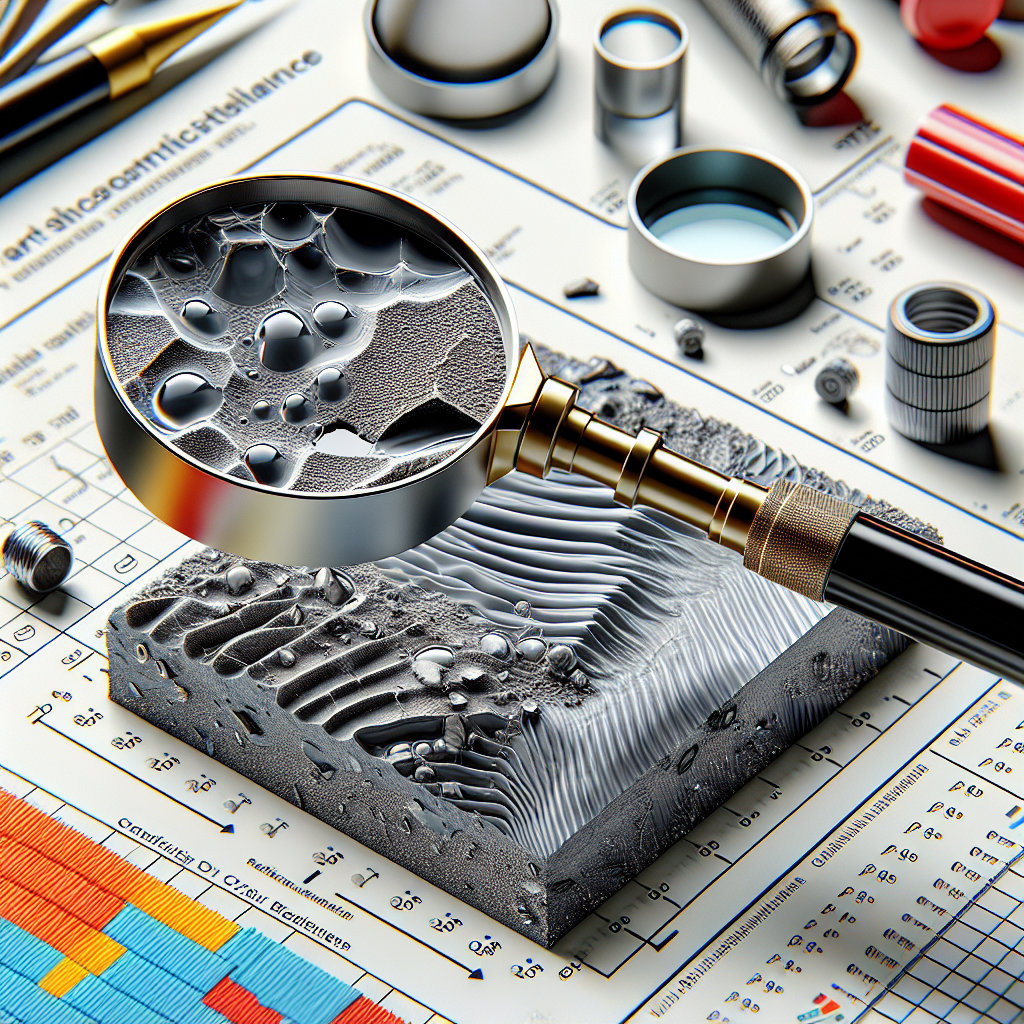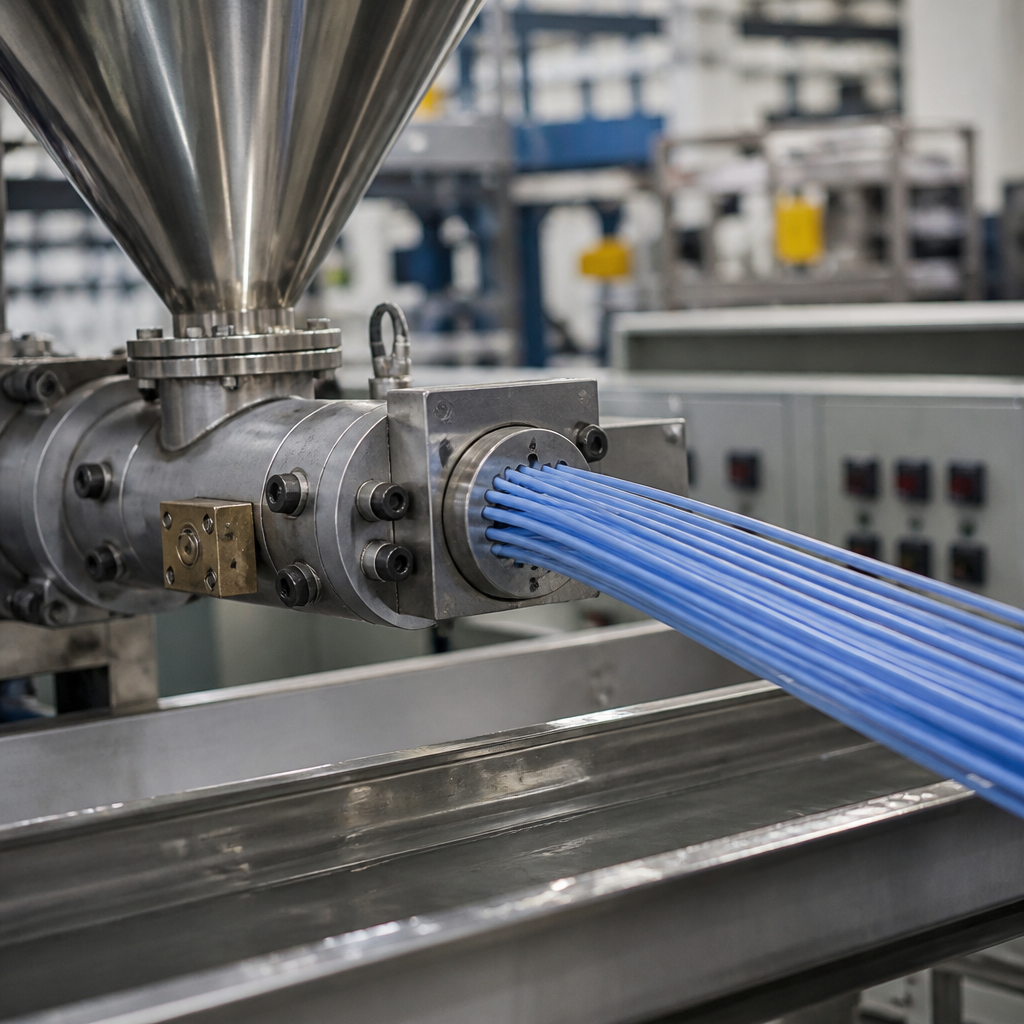
Physical properties determine how a polymer melts, flows, cools, crystallizes, shrinks, and ultimately performs, so they sit at the center of every successful processing decision. In polymer manufacturing, “physical properties” refers to measurable characteristics such as density, melt flow behavior, viscosity, thermal conductivity, specific heat, crystallinity, moisture absorption, coefficient of thermal expansion, and mechanical response under load. These are distinct from chemical composition, yet in practice they are inseparable from processing because the same resin can behave very differently on an extruder, injection molding press, blow molding line, or thermoforming machine depending on its physical profile. I have seen two grades of nominally similar polypropylene produce different fill patterns, cooling times, and warpage simply because one had a higher melt flow rate and a different nucleation package. That is why processors, tooling engineers, and product designers treat physical properties not as reference-sheet trivia but as production variables.
For a hub article under materials and properties, the critical point is simple: polymer processing is the controlled conversion of pellets, powder, or sheet into a finished shape, and control depends on predicting how the material responds to heat, pressure, shear, and time. If the melt viscosity is too high, filling becomes difficult and weld lines worsen. If thermal stability is poor, the resin degrades in the barrel. If shrinkage is anisotropic, dimensional tolerances drift and parts twist after ejection. If the polymer absorbs water, hydrolysis, splay, or bubbles can appear unless drying is tightly managed. In other words, physical properties govern process window, cycle time, part quality, energy use, and scrap rate. Understanding them also improves communication across design, purchasing, quality, and production teams because it links data-sheet numbers to machine settings and final performance.
This article serves as the main gateway to the physical properties subtopic by explaining which properties matter most, how they influence common conversion methods, where tradeoffs appear, and what engineers should evaluate before selecting a material. It covers the practical meaning of flow properties, thermal behavior, dimensional response, moisture effects, and mechanical characteristics in plain terms while keeping the technical definitions accurate. Whether the application is a thin-wall food container, a medical housing, an under-hood automotive clip, or an extruded pipe, the same rule applies: good processing starts with matching the resin’s physical behavior to the process demands and the part geometry. Once that link is understood, troubleshooting becomes faster, material selection becomes more defensible, and production becomes more consistent.
Why physical properties control processability
Processability is the degree to which a polymer can be converted into a stable, defect-free part within an economical operating window. The most important reason physical properties control processability is that machines apply energy and force, but the polymer decides how that input is absorbed. During injection molding, the screw plasticizes the resin through a combination of external heater bands and viscous dissipation generated by shear. During extrusion, the melt must remain homogeneous long enough to pass through the die without surging, sharkskin, or melt fracture. During thermoforming, the sheet must heat evenly and stretch without thinning excessively in corners. Every one of those outcomes depends on measurable physical behavior, not guesswork.
A useful way to think about this is to divide processing into four stages: melting, flow, solidification, and post-mold dimensional stabilization. Different properties dominate each stage. Specific heat, thermal conductivity, and melting temperature shape how quickly a polymer reaches processing temperature. Viscosity, melt flow rate, and shear sensitivity determine pressure requirements and cavity filling. Crystallization kinetics, glass transition temperature, and heat deflection behavior affect cooling time and demolding. Shrinkage, coefficient of thermal expansion, and residual orientation determine whether the part stays within tolerance after ejection or after exposure to service conditions. In production settings, processors rarely adjust one variable in isolation because changing melt temperature, screw speed, hold pressure, or mold temperature changes how several physical properties express themselves at once.
Flow behavior, viscosity, and melt strength
When processors ask whether a resin “runs easy” or “runs tight,” they are usually describing its rheology. Rheology is the study of how materials deform and flow, and for polymers it is one of the most decisive physical property categories. Melt flow index, or melt flow rate, is commonly used as a screening value because it indicates how much material passes through a standard die under specified load and temperature. Higher melt flow generally means lower viscosity and easier filling in injection molding, especially for thin walls or complex geometries. However, melt flow index is only one-point data. In real processing, shear rate changes throughout the barrel, gate, runner, and cavity, so full viscosity curves from capillary rheometry often predict performance better.
Shear thinning is especially important. Most polymer melts become less viscous as shear rate increases, which helps them fill thin sections under high injection speeds. Polycarbonate, ABS, polypropylene, nylon, and many engineering thermoplastics all show this behavior, but to different degrees. In practice, a strongly shear-thinning material may fill a long flow path well yet still require attention to gate design because local shear heating can become excessive. I have used Moldflow studies where a small gate improved fill balance but pushed predicted shear stress high enough to risk gloss variation and material degradation. That tradeoff is typical: lower viscosity improves flow, but too much reduction in viscosity at processing temperature can reduce melt strength.
Melt strength matters most in extrusion, blow molding, and thermoforming. A polymer with low melt strength may sag after exiting a die or collapse before a bubble or parison is stabilized. High-density polyethylene is widely used in blow molding partly because it combines workable viscosity with sufficient melt strength. Linear low-density polyethylene grades selected for film extrusion are tuned to survive drawdown without tearing. Polypropylene can be excellent for injection molding but standard grades may need modification for thermoforming applications where sheet sag resistance is critical. The processor therefore cannot evaluate flow behavior by asking only, “Will it fill?” The better question is, “Will it flow enough to shape well while still holding itself together during and after shaping?”
Thermal properties and temperature control
Thermal properties define how a polymer responds to heating and cooling, and they directly affect cycle time, energy consumption, and defect formation. The key values include melting temperature for semicrystalline polymers, glass transition temperature for amorphous polymers, thermal conductivity, specific heat, and thermal degradation limits. Semicrystalline materials such as polyethylene, polypropylene, polyamide, and POM have ordered regions that must melt before smooth flow occurs. Amorphous materials such as polycarbonate, polystyrene, and ABS soften over a temperature range around the glass transition rather than exhibiting a sharp melt point. That difference changes barrel settings, mold temperatures, shrinkage behavior, and surface finish outcomes.
Low thermal conductivity is a recurring challenge because most polymers transfer heat far more slowly than metals. This means the surface of a molded part may solidify while the core remains hot, creating temperature gradients that influence residual stress and sink marks. It also means cycle time is often governed by cooling rather than filling. In injection molding, a processor may reduce total cycle more by optimizing water-channel layout and mold steel conductivity than by increasing injection speed. Beryllium copper inserts, conformal cooling, and carefully tuned mold temperature controllers are standard responses when hot spots threaten dimensional stability or cosmetic quality. These are not secondary tooling details; they are direct answers to the thermal limitations of polymer materials.
Thermal stability sets the upper safe boundary of the process window. PVC can degrade if residence time and temperature are not tightly managed, producing discoloration and corrosive byproducts. PET requires careful drying because moisture and heat together can reduce molecular weight during processing. PEEK processes at very high temperatures and demands equipment that can maintain thermal uniformity without contamination. The practical lesson is that processing temperature is never chosen just to make the resin softer. It must be high enough for flow, low enough to preserve molecular integrity, and matched to mold or die temperatures that support the target morphology.
Crystallinity, shrinkage, and dimensional stability
Crystallinity is one of the most consequential physical characteristics in polymer processing because it changes density, stiffness, chemical resistance, shrinkage, and cooling behavior. Semicrystalline polymers form ordered regions as they cool from the melt. The amount and rate of crystallization depend on material chemistry, additives, wall thickness, and cooling conditions. Faster crystallization can shorten the time required before ejection, but it also tends to increase volumetric shrinkage compared with amorphous materials. That is why polypropylene or nylon parts usually need more shrinkage allowance in tooling than ABS or polycarbonate parts.
Dimensional stability problems often start here. If one region of a part cools faster than another, or if molecular orientation differs across the geometry, shrinkage becomes nonuniform and warpage follows. Glass-filled materials reduce shrinkage in the flow direction but can introduce anisotropy, meaning shrinkage differs along and across flow. In a flat automotive cover, that may result in a twist that appears small on the bench yet causes assembly failure at the snap features. Mold designers counter this with balanced gating, uniform wall thickness, strategic ribbing, and material-specific shrinkage compensation. Processors reinforce the strategy through hold pressure optimization, mold temperature control, and consistent cooling time.
| Physical property | Processing effect | Typical risk if unmanaged | Common control method |
|---|---|---|---|
| High viscosity | Raises fill pressure and shear heating | Short shots, burn marks, weak weld lines | Increase melt temperature, adjust gate, shorten flow length |
| Low thermal conductivity | Slows heat removal | Long cycles, sink, residual stress | Improve cooling channels, use conductive inserts |
| High crystallinity | Increases shrinkage and chemical resistance | Warpage, tolerance drift | Compensate tool dimensions, tune mold temperature |
| Moisture absorption | Changes viscosity and can trigger hydrolysis | Splay, bubbles, brittle parts | Dry resin to specification, control exposure time |
| High coefficient of thermal expansion | Amplifies size change with temperature | Poor fit in service, stress at inserts | Use fillers, redesign tolerances, verify service temperatures |
Moisture absorption and pre-processing control
Some of the most expensive polymer processing mistakes begin before material reaches the hopper. Hygroscopic polymers absorb moisture from the surrounding air, and that moisture can alter viscosity, create cosmetic defects, or chemically degrade the resin during melting. Nylon, PET, PBT, TPU, and polycarbonate are common examples. For PET in particular, inadequate drying can lower intrinsic viscosity through hydrolysis, which weakens mechanical performance and destabilizes molding behavior. For nylon, absorbed moisture affects both processing and end-use dimensions because water acts as a plasticizer. The same material that molded cleanly in a controlled room can produce splay and inconsistent shot size after sitting exposed near a humid press.
Proper drying is therefore a process requirement, not a housekeeping preference. Desiccant dryers, dew point monitoring, residence-time control, and closed conveying systems are standard tools because simply heating wet resin is not enough for hygroscopic materials. Drying specifications are material-specific; polycarbonate commonly requires drying around 120°C for several hours, while PET often needs stricter moisture targets measured in parts per million before processing. Commodity polyolefins like polyethylene and polypropylene are generally not hygroscopic, but even they can carry surface moisture or contamination that affects appearance. Good processors verify incoming material condition, dryer performance, and hopper exposure time as part of setup because moisture-related defects often resemble temperature or venting problems.
Mechanical properties during processing and after molding
Mechanical properties are usually discussed in relation to final part performance, but they also influence processing decisions. Stiffness, elongation, impact resistance, and modulus interact with mold design, demolding forces, and downstream assembly methods. A brittle, highly filled polymer may need larger radii and gentler ejection to prevent cracking at thin ribs or boss intersections. A ductile material may tolerate aggressive snap-fit geometry but still require slower cooling control to limit post-mold deformation. Even the coefficient of friction matters in processing because it affects pellet feeding, screw conveying, and part release from polished or textured cavities.
Fillers and reinforcement change this picture significantly. Glass fiber raises stiffness, lowers creep, and often reduces overall shrinkage, but it increases abrasion in screws, barrels, nonreturn valves, and gates. Mineral fillers can improve dimensional stability and heat resistance while increasing density and affecting surface appearance. Elastomer modification can improve impact strength, yet it may broaden the processing window in some cases and narrow it in others by changing viscosity and thermal response. In production trials, I have seen a switch from unfilled nylon to 30% glass-filled nylon solve a stiffness problem and immediately create new wear and warpage challenges. That is normal. Mechanical gains nearly always come with processing consequences that must be planned for early.
Matching physical properties to major polymer processes
Different conversion methods reward different physical property profiles. Injection molding favors resins with predictable viscosity, adequate thermal stability, and shrinkage behavior that can be controlled across complex cavities. Extrusion depends heavily on melt strength, die swell behavior, and stable viscosity over time because output must remain continuous. Blow molding needs parison strength and resistance to sag. Thermoforming relies on sheet uniformity, controlled softening, and elongation without tearing. Rotational molding requires powder flow, sintering behavior, and long-term thermal stability during slow cycles. There is no single “best” physical property set for all polymer processing methods; there is only fit between material behavior and process demands.
This is why resin selection should start with the process and geometry, not with a generic ranking of material properties. A high-flow polycarbonate blend may be perfect for a thin electronic enclosure yet unsuitable for an extrusion profile that demands shape retention at the die exit. A blow-molding HDPE may process beautifully in a bottle application but be a poor choice for an injection-molded living hinge. The practical habit I recommend is to review the material data sheet, rheology data, drying requirement, shrinkage range, recommended melt and mold temperatures, and any processor notes before tooling decisions are finalized. That discipline reduces expensive iteration and creates a stronger foundation for every page in the wider materials and properties library.
Physical properties affect polymer processing at every stage, from resin handling through melting, shaping, cooling, and long-term dimensional stability. Flow behavior determines pressure, fill, and melt strength. Thermal properties set the process window and often control cycle time. Crystallinity and shrinkage define how accurately a part holds shape after cooling. Moisture absorption can ruin quality before the machine even reaches steady state. Mechanical characteristics and fillers influence wear, ejection, warpage, and final performance. When these factors are understood together rather than separately, processors make better choices about machine settings, tool design, and material selection.
The main benefit of mastering physical properties is predictability. Predictable materials produce predictable cycles, dimensions, and part performance, which lowers scrap and shortens troubleshooting. Use this hub as your starting point for deeper exploration of individual properties and related materials guidance, then compare your current resin choices against the processing demands of your parts. That review will usually reveal the fastest path to more stable production.
Frequently Asked Questions
1. Why do physical properties matter so much in polymer processing?
Physical properties matter because they directly control how a polymer behaves at every stage of manufacturing, from melting and conveying to filling, cooling, solidifying, and final part performance. In practical terms, processors do not work with chemistry in the abstract; they work with how a material flows under heat and pressure, how quickly it transfers heat, how much it shrinks as it cools, how sensitive it is to moisture, and how it responds to mechanical stress during and after forming. These measurable characteristics determine machine settings, tooling design, cycle time, dimensional consistency, and defect risk.
For example, a polymer with high melt viscosity may require higher injection pressure or slower extrusion rates to achieve stable flow, while a low-viscosity material may fill thin sections more easily but be more prone to flash if conditions are not controlled. A semicrystalline polymer behaves differently from an amorphous one during cooling, often showing more shrinkage and a stronger dependence on mold temperature. Likewise, polymers with low thermal conductivity cool slowly in thick sections, which can extend cycle times and increase the risk of warpage or internal stress.
Physical properties also help explain why a process that works well for one resin may fail for another, even if the two materials look similar on paper. Density affects output calculations and part weight, specific heat affects how much energy is needed to raise the material to processing temperature, and coefficient of thermal expansion influences how much the finished part changes dimensions with temperature. When processors understand these relationships, they can make better decisions about resin selection, screw design, mold geometry, drying protocols, and operating windows. In short, physical properties are central because they connect the material itself to the realities of efficient, repeatable manufacturing.
2. How do melt flow behavior and viscosity affect molding and extrusion?
Melt flow behavior and viscosity are among the most important physical properties in polymer processing because they describe how easily the material moves when heated and subjected to shear. Viscosity is not a fixed number for most polymers; it changes with temperature, shear rate, and sometimes residence time. That means a polymer can seem relatively stiff under one set of conditions and flow much more readily under another. In both injection molding and extrusion, that behavior determines how much pressure is required, how uniformly the material fills a cavity or die, and how stable the process remains over time.
In injection molding, a polymer with lower apparent viscosity usually fills thin walls and complex geometries more easily, reducing the likelihood of short shots and hesitation marks. However, if viscosity is too low for the tool and process setup, the melt may overpack, flash, or create inconsistent dimensions. Higher-viscosity materials often need higher melt temperatures, faster injection speeds, or greater injection pressure to fill the part completely. They may also be more sensitive to gate design, runner size, and venting because resistance to flow is higher throughout the system.
In extrusion, viscosity influences throughput, die pressure, melt uniformity, and surface finish. If the melt is too viscous, output may drop and pressure may rise to levels that stress equipment or create unstable flow. If it is too fluid, shape retention after exiting the die can become more difficult, especially in profiles, film, or sheet. Melt flow behavior also affects phenomena such as die swell, melt fracture, and orientation. Because viscosity decreases as shear rate increases for many polymers, processors must account for the fact that the material may behave differently in the screw, in the runner, and at the gate or die exit.
This is why melt flow index or related flow measurements are useful screening tools but not complete processing guides. They offer a quick indication of flowability, yet real processing depends on the broader rheological profile of the resin. Successful processors use viscosity and melt flow data to set temperatures, optimize pressures, design tooling, and maintain a balance between fill performance, part quality, and cycle efficiency.
3. What role do cooling, thermal conductivity, and specific heat play in cycle time and part quality?
Cooling is one of the most decisive steps in polymer processing because it strongly affects both productivity and final part quality. Two physical properties are especially important here: thermal conductivity and specific heat. Thermal conductivity describes how efficiently heat moves through the polymer, while specific heat describes how much energy must be removed to lower the material’s temperature. Together, these properties influence how quickly a melt can solidify and how evenly temperature is distributed throughout the part.
Most polymers are relatively poor conductors of heat compared with metals, which is one reason cooling often dominates total cycle time in injection molding. If a resin has low thermal conductivity, heat leaves the core of the part slowly, especially in thick sections. That can create large temperature gradients between the outer surface and the interior. As a result, the outside may appear solid while the inside is still soft, increasing the risk of sink marks, voids, distortion, or residual stress. Parts may also warp if different areas cool at different rates due to uneven wall thickness or inconsistent mold temperature control.
Specific heat is equally important because it affects the amount of cooling energy required. A polymer with a higher specific heat needs more energy removed to reach ejection or handling temperature, which can extend the cycle even if everything else is optimized. Processors must account for this when selecting mold cooling layouts, setting barrel and mold temperatures, and estimating productivity. Thermal diffusivity, which combines conductivity, density, and specific heat, is also valuable because it gives a broader picture of how quickly the material responds to heating and cooling.
These thermal properties also influence crystallization behavior in semicrystalline polymers. If cooling is too rapid or too uneven, crystallinity may vary through the part, leading to dimensional inconsistency, differences in stiffness, or post-mold shrinkage. If cooling is well controlled, processors can improve repeatability, shorten cycles, and reduce cosmetic and structural defects. In short, thermal conductivity and specific heat are not just academic numbers; they are practical indicators of how quickly a polymer can be processed and how reliably high-quality parts can be made.
4. How do crystallinity and shrinkage influence dimensional stability in finished polymer parts?
Crystallinity and shrinkage are closely linked, and together they play a major role in determining whether a finished polymer part holds its intended dimensions. Crystallinity refers to the degree of ordered molecular packing that forms as certain polymers cool from the melt. Semicrystalline materials such as polypropylene, polyethylene, nylon, and acetal develop crystalline regions during solidification, while amorphous materials such as polycarbonate or polystyrene do not crystallize in the same way. This difference has major processing consequences.
As a semicrystalline polymer cools and crystallizes, the molecular structure becomes more tightly packed, which usually leads to greater volumetric shrinkage than in amorphous polymers. That means parts made from semicrystalline resins often need more careful allowance in mold design and closer control of mold temperature, packing pressure, holding time, and cooling rate. If crystallization varies from one region of the part to another, shrinkage may also vary locally, causing warpage, internal stress, ovality, or out-of-tolerance features.
Amorphous polymers generally show lower and more predictable shrinkage, but that does not mean they are free from dimensional problems. They can still warp due to uneven cooling, orientation, or residual stress frozen into the part during molding. However, semicrystalline polymers tend to be more sensitive because morphology continues developing as the material cools, and in some cases even after ejection. That is why two parts molded from the same resin can show different dimensions if they were run with different mold temperatures or cooling times.
Understanding crystallinity also helps explain changes in stiffness, chemical resistance, impact behavior, and heat resistance. A higher degree of crystallinity may improve rigidity and thermal performance but increase shrinkage and reduce transparency. For processors, the key is to match process conditions to the resin’s crystallization behavior and the dimensional demands of the application. Proper gate placement, uniform wall thickness, balanced cooling, and realistic shrink-rate assumptions are all essential if tight tolerances are required.
5. Why is moisture absorption such a critical physical property for polymer processing?
Moisture absorption is critical because even small amounts of water can significantly change how a polymer processes and how the final part performs. Some polymers are relatively non-hygroscopic and mainly carry surface moisture, while others, such as nylon, PET, polycarbonate, and certain polyesters, absorb moisture into the bulk material. That absorbed water can affect melt behavior, dimensional stability, surface appearance, and, in some cases, molecular integrity during processing.
For hygroscopic polymers, insufficient drying can lead to hydrolytic degradation at processing temperatures. In simple terms, water can break polymer chains while the material is being melted, lowering molecular weight and reducing mechanical properties such as toughness, impact resistance, and elongation. A part may still fill the mold and look acceptable on the surface, but it can be weaker, more brittle, or less durable than intended. This is one reason drying recommendations from material suppliers are so important and why dew point, drying time, and hopper residence conditions must be monitored rather than assumed.
Moisture also affects aesthetics and processing stability. Excess water can cause splay, bubbles, silver streaks, poor surface finish, inconsistent viscosity, and