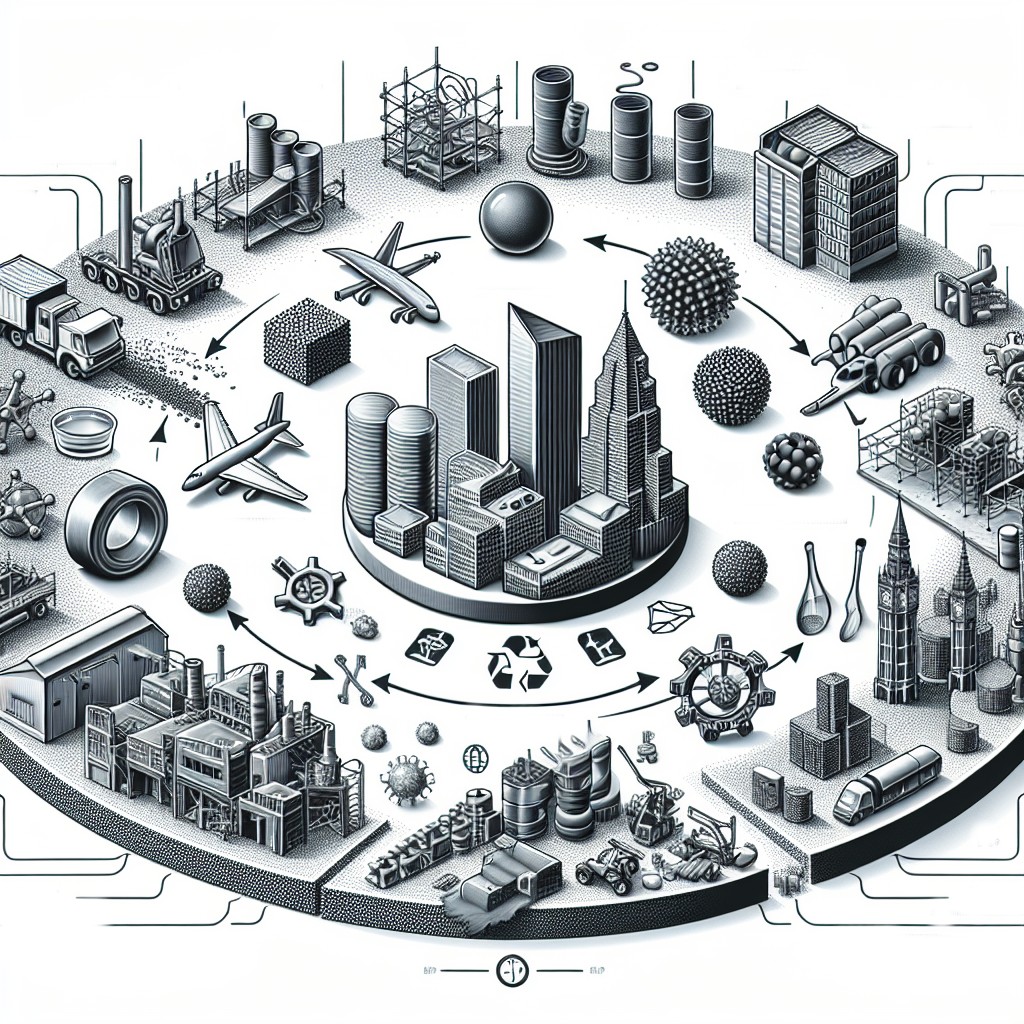
Polymers are ubiquitous in our daily lives, from the plastics in our household items and medical devices to the composites in aerospace and automotive applications. While base polymers possess a myriad of beneficial properties, their mechanical performance can often fall short of required standards for specific applications. This is where additives come into play. Additives are substances incorporated into polymers to enhance or impart desirable properties. They can modify a polymer’s behavior under load, impact, or stress, ensuring the material can meet the necessary performance criteria. This article dives into the various types of additives, their roles, and how they improve the mechanical properties of polymers.
In industrial and consumer applications, it’s often not enough for a polymer to simply exist in its natural state. While polymers like polyethylene, polypropylene, and polystyrene offer significant advantages due to their intrinsic properties, they can also exhibit limitations, such as brittleness, low tensile strength, or inadequate impact resistance. By introducing additives, manufacturers can address these issues, enhancing the polymer’s mechanical properties to suit a broader range of applications. Understanding the types and effects of these additives is crucial for engineers and product developers looking to optimize polymer materials.
Types of Additives and Their Roles
Additives can be broadly categorized into several groups based on their roles in enhancing mechanical properties. These include fillers, plasticizers, stabilizers, impact modifiers, and coupling agents.
Fillers: Fillers are materials added to polymers to improve their mechanical strength and rigidity. Common fillers include talc, calcium carbonate, and glass fibers. These fillers create a reinforcing effect, thereby increasing the composite material’s modulus of elasticity and tensile strength. The exact improvements in mechanical properties depend on the type, shape, and size of fillers used.
Plasticizers: Plasticizers are additives that increase the flexibility and toughness of polymers. They work by inserting themselves between polymer chains, reducing intermolecular forces and allowing the chains to slide past each other more easily. This results in a material that is more flexible and less brittle. Typical plasticizers include phthalates and adipates.
Stabilizers: While stabilizers are primarily known for enhancing weatherability and processing stability, they also play a crucial role in maintaining mechanical properties over time. Heat stabilizers, for instance, protect polymers from degradation during processing, which can otherwise diminish mechanical strength. UV stabilizers prevent damage caused by ultraviolet light exposure, ensuring the material retains its structural integrity when used outdoors.
Impact Modifiers and Their Importance
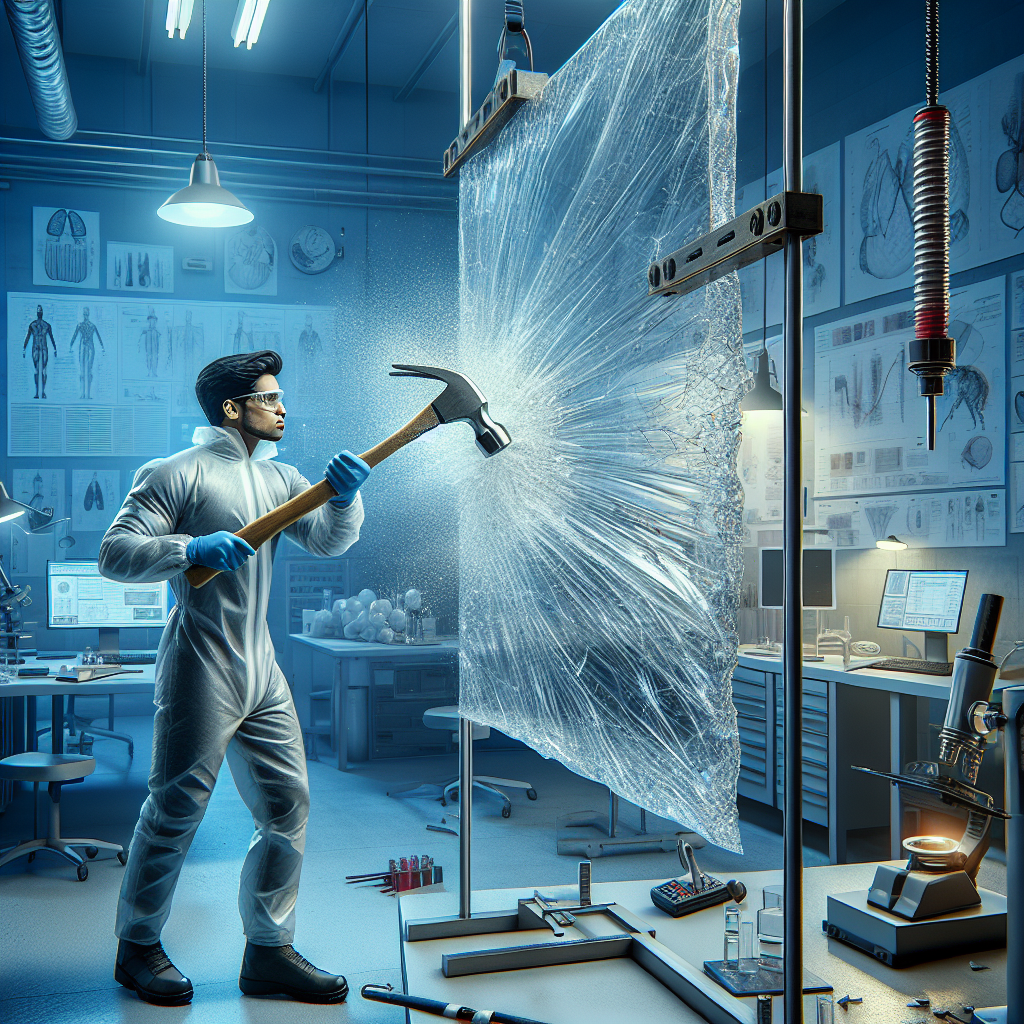
Impact Modifiers: Impact modifiers are essential for applications where the polymer must absorb shock or withstand sudden impacts without fracturing. These additives improve the toughness and ductility of polymers. For example, acrylonitrile butadiene styrene (ABS) is often added to polyvinyl chloride (PVC) to enhance its impact resistance. By creating a more flexible matrix within the polymer, impact modifiers help disperse the energy from an impact, reducing the likelihood of fracture.
Plastics used in automotive applications, such as bumpers and dashboards, benefit significantly from impact modifiers. These components are often subject to unpredictable forces, and maintaining their integrity is critical for safety and functionality.
Additionally, the construction industry relies heavily on polymers with enhanced impact resistance. Materials such as high-impact polystyrene (HIPS) are frequently used in applications where long-term durability and resistance to mechanical stresses are paramount.
Coupling Agents: Bridging the Gap
Coupling Agents: These additives enhance the adhesion between the filler and the polymer matrix, leading to better dispersion of the filler and improved mechanical properties. Silane and titanate coupling agents are commonly used in composite materials. By improving the bonding between dissimilar materials, coupling agents ensure that the benefits imparted by fillers are fully realized in the final product.
For instance, in glass-fiber reinforced polymers, coupling agents play a pivotal role in ensuring the strong adhesion needed for superior mechanical performance. Without these agents, the reinforcement effect of the glass fibers would be less effective, and the composite would be prone to delamination and reduced structural integrity.
Applications such as wind turbine blades and structural components in buildings greatly benefit from the enhanced properties provided by coupling agents, ensuring these critical components perform reliably under various stresses and loads.
Surface Modifiers and Lubricants
Surface Modifiers: Surface modifiers alter the properties of the polymer surface, enhancing properties like abrasion resistance or hardness. These modifiers are crucial for creating materials that must endure harsh operating conditions while maintaining their mechanical properties. For example, fluoroadditives can be employed to reduce surface wear in high-friction applications.
Lubricants: Lubricating additives ease the processing of polymers by reducing internal friction. They ensure that the polymer melt flows more smoothly during extrusion or molding, which can enhance the mechanical properties of the final product by reducing stress concentrations and defects. Typical lubricants include stearates and polyethylene waxes.
Surface modifiers and lubricants are often used in tandem to create high-performance polymers that require precision, such as in medical devices or intricate electronic components. By ensuring smooth processing and enhanced surface characteristics, these additives help produce materials that meet stringent mechanical performance criteria.
Reinforcing Agents
Reinforcing Agents: Reinforcing agents are often used to provide specific mechanical improvements such as increased tensile strength, elongation, and fatigue resistance. The most common reinforcing agents are carbon fibers, aramid fibers, and nanotubes. These materials impart high strength-to-weight ratios, making the resulting composites ideal for applications requiring both strength and lightness.
One prime example is the aerospace industry, where carbon fiber-reinforced polymers (CFRPs) are extensively used. CFRPs offer exceptional mechanical strength while being significantly lighter than traditional metals, thereby contributing to fuel efficiency and overall performance in aircraft.
Reinforcing agents are also integral in the production of sports equipment, such as tennis rackets and bicycles, where enhanced mechanical properties can directly influence performance and endurance.
Conclusion
In conclusion, the incorporation of additives into polymers is an indispensable aspect of modern material science. These substances enable polymers to meet the rigorous mechanical demands of diverse applications. From improving flexibility and toughness with plasticizers to enhancing impact resistance with modifiers and coupling agents, additives play a crucial role in optimizing the mechanical properties of polymer materials.
The strategic use of fillers, stabilizers, surface modifiers, lubricants, and reinforcing agents allows engineers and product developers to tailor polymers to specific needs, pushing the boundaries of what these versatile materials can achieve. This not only expands the usability of polymers but also paves the way for innovative applications across industries.
Understanding the roles and effects of different additives is essential for anyone involved in material design and development. It ensures that the right materials are selected and modified to meet performance criteria efficiently. As technology progresses and new additives emerge, the possibilities for enhancing the mechanical properties of polymers continue to grow, promising even more advanced and resilient materials for future applications.