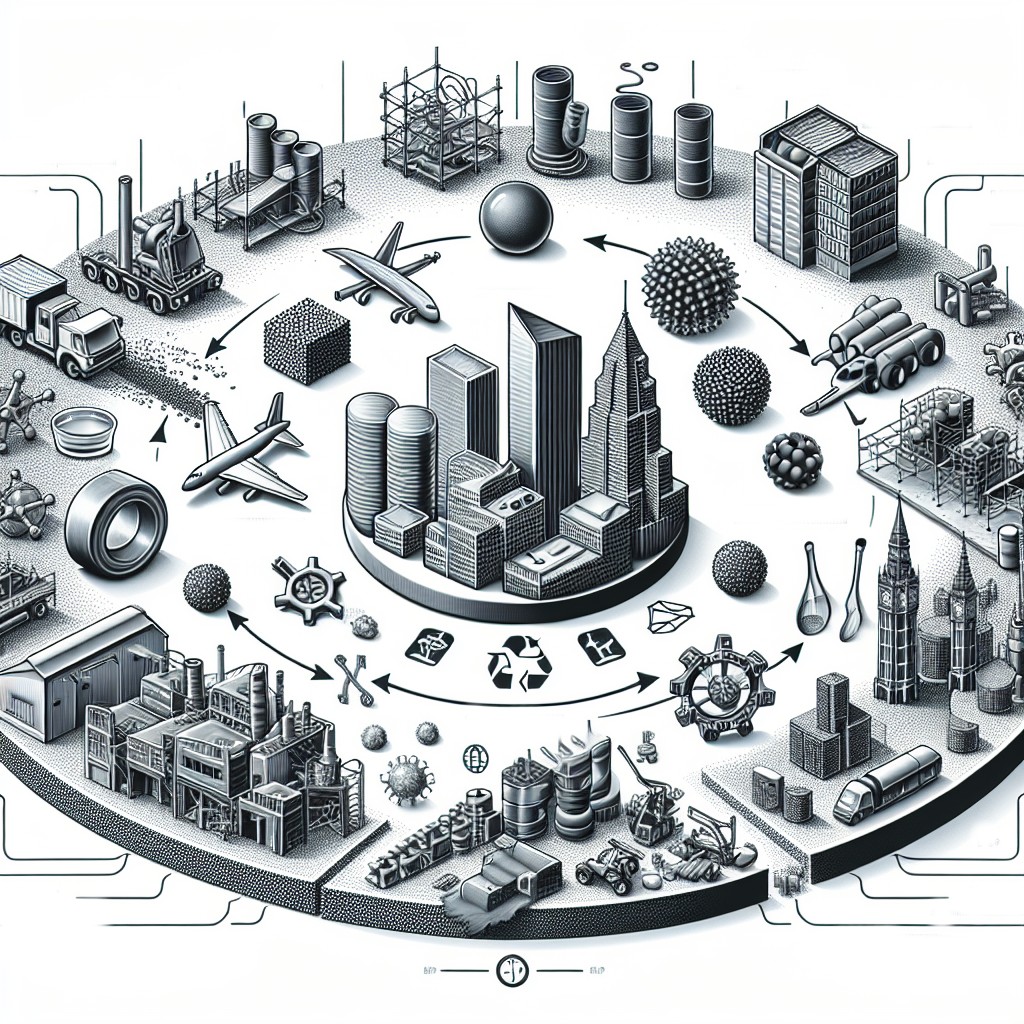
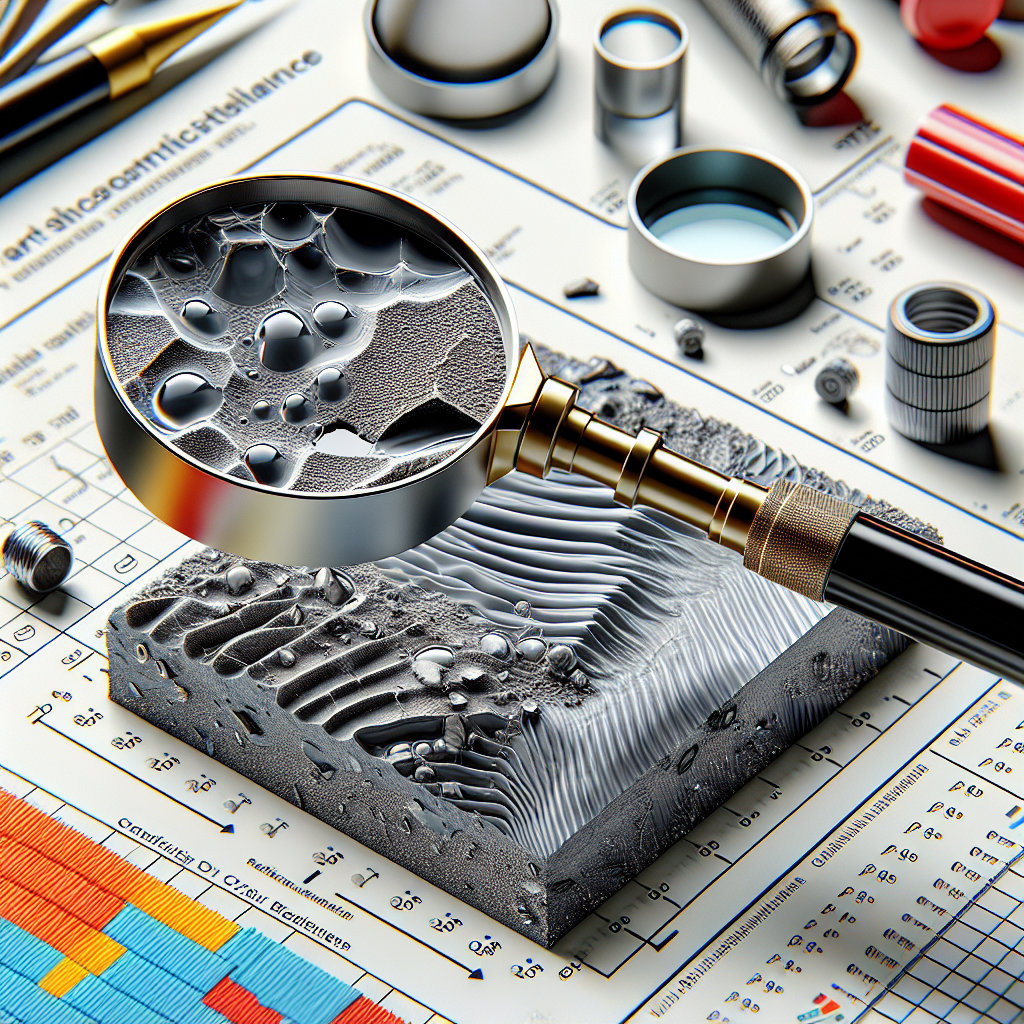
The field of polymers has seen remarkable advancements over the years, particularly in the development of high-temperature polymers. These materials are crucial for applications that demand excellent thermal stability and mechanical properties under extreme conditions. From aerospace engineering to automotive manufacturing, high-temperature polymers are indispensable. Their ability to maintain structural integrity at elevated temperatures makes them suitable for a range of cutting-edge applications. This article dives into recent advancements in high-temperature polymers, exploring their material composition, properties, and potential applications.
Understanding High-Temperature Polymers
High-temperature polymers are engineered to perform under thermal stress, often sustaining temperatures above 200°C without significant degradation. These polymers are characterized by unique molecular structures that provide thermal stability and resistance to oxidation and chemical degradation. Some well-known high-temperature polymers include polyimides, polyetheretherketone (PEEK), and polybenzimidazole (PBI). Their exceptional thermal properties stem from rigid aromatic backbones and strong intermolecular interactions. Innovations in this field continually push the boundaries, developing polymers that sustain even higher temperatures while maintaining their mechanical properties.
Innovations in Polymer Synthesis
One of the key areas of advancement in high-temperature polymers has been in their synthesis. Improved synthetic techniques have enabled the creation of polymers with finely tuned properties for specific applications. For instance, the development of crosslinked polymers and copolymers enhances thermal stability and mechanical strength. Additionally, researchers have been exploring new catalytic systems and polymerization methods that produce high-temperature polymers more efficiently and with fewer environmental impacts. These synthetic advancements not only extend the temperature range of polymers but also make them more versatile for various industrial applications.
Applications in Aerospace Engineering
Aerospace engineering is one of the primary sectors benefiting from high-temperature polymers. The materials used in aircraft and spacecraft must endure harsh thermal environments and mechanical stresses. High-temperature polymers, such as PEEK and polyimides, are used in components like fuel line coatings, insulation panels, and structural elements. These polymers offer the dual advantages of lightweight and durability, critical for aerospace applications. Moreover, their resistance to radiation and chemicals adds another layer of reliability and safety, essential qualities in this high-stakes sector.
Role in Automotive Engineering
The automotive industry has also seen significant improvements due to high-temperature polymers. Components such as engine parts, transmission systems, and electrical insulation benefit from these advanced materials. Due to their high thermal resistance, these polymers can withstand the intense heat generated during vehicle operation. Moreover, their light weight contributes to fuel efficiency, a major concern in modern automotive design. The use of high-temperature polymers in electric vehicles (EVs) is particularly promising, as they ensure the safe and efficient functioning of high-energy battery systems.
Environmental and Economic Impacts
The increasing adoption of high-temperature polymers comes with both environmental and economic implications. On the environmental front, advancements in polymer synthesis techniques aim to reduce the ecological footprint, emphasizing sustainable practices and recyclable materials. Economically, while the initial costs of high-temperature polymers can be substantial, their long-term benefits such as durability, maintenance reduction, and improved performance often outweigh the expenses. This section explores how industry players are navigating these complex trade-offs to optimize both performance and sustainability.
Conclusion
Advancements in high-temperature polymers continue to reshape various industries, offering unprecedented thermal stability and mechanical strength. From aerospace to automotive applications, these materials are pivotal in pushing the boundaries of what is possible, overcoming challenges presented by extreme operational environments. Continued research and innovation in polymer synthesis and application will likely yield even more remarkable materials, further expanding their utility and impact. With a focus on sustainability and efficiency, high-temperature polymers are set to play a crucial role in future technological developments.