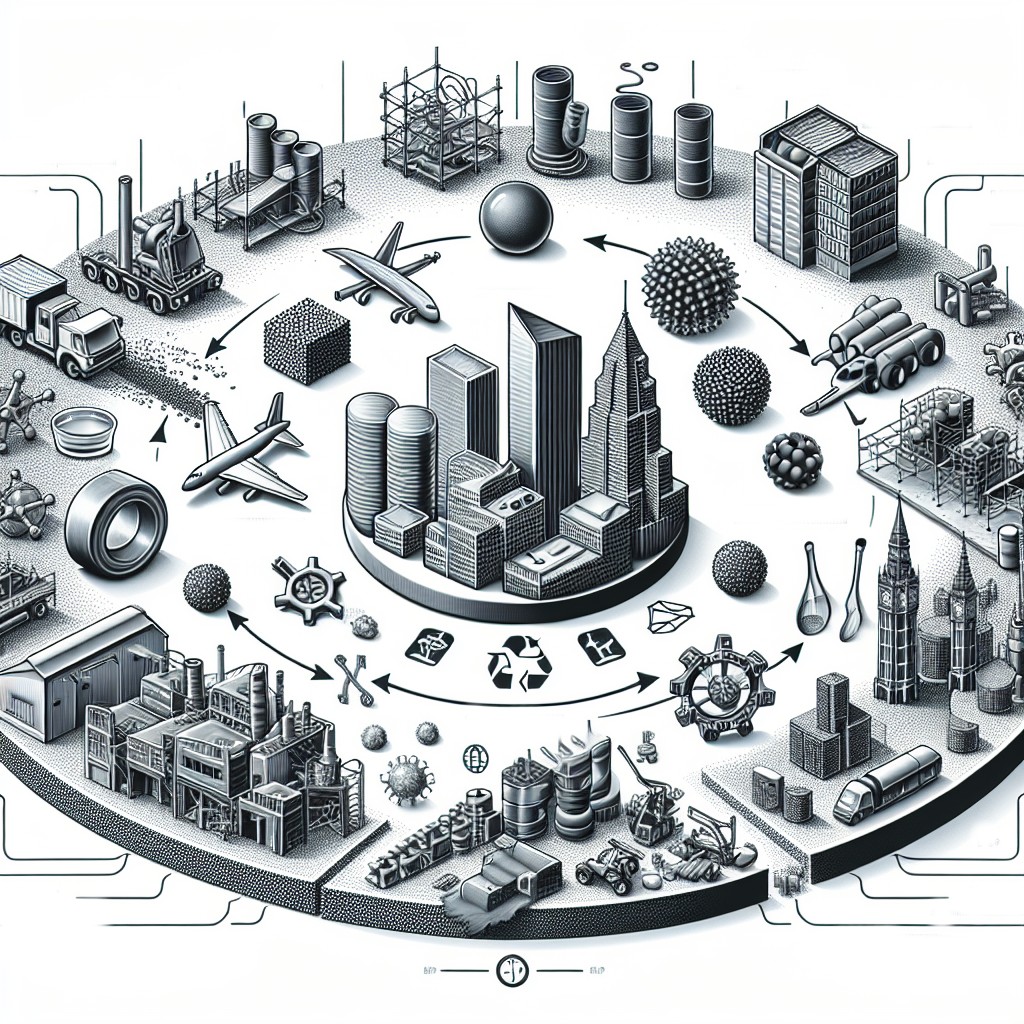
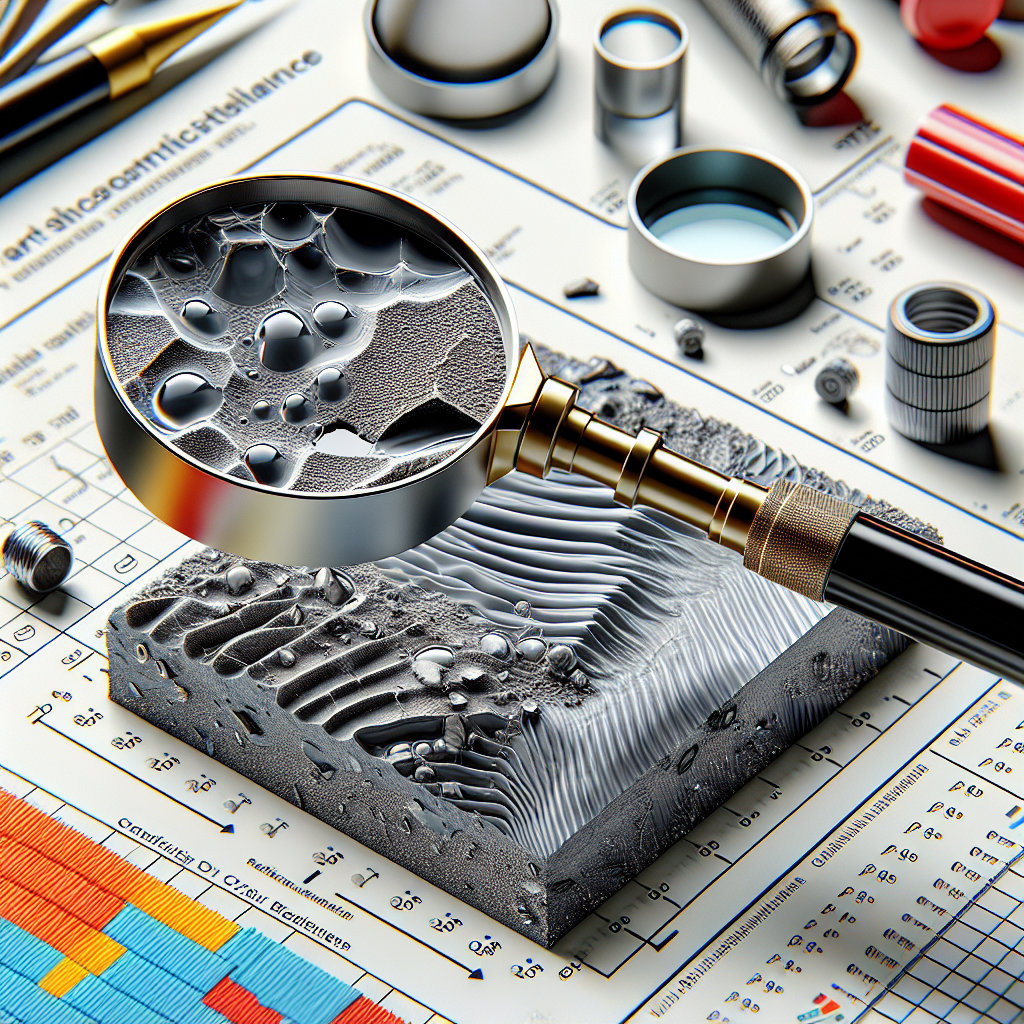
The surge in global sustainability efforts has propelled the importance of biodegradable polymers in modern industry. Unlike their non-degradable counterparts, biodegradable polymers offer the significant advantage of breaking down naturally over time through the action of living organisms, ensuring minimal environmental impact. This characteristic alone has fueled extensive research and development across various sectors such as packaging, agriculture, and biomedical industries. But to effectively replace conventional, non-degradable materials, these biodegradable polymers must possess mechanical properties that meet stringent application requirements. Understanding these mechanical properties—like tensile strength, elasticity, and impact resistance—is critical for their successful adoption in real-world applications.
Biodegradable polymers are synthesized from renewable resources, offering an eco-friendly alternative not just in structure but in their entire lifecycle. Polymers such as polylactic acid (PLA), polyhydroxyalkanoates (PHA), and starch-based polymers are among the front-runners in this sector. Each of these materials brings unique mechanical properties to the table, which are pivotal for their functionality in various applications. While the need for biodegradable polymers is clear, the challenge lies in their ability to consistently perform under mechanical stresses akin to traditional plastics.
This article delves deep into the mechanical properties of these materials, providing a comprehensive overview that spans composition, performance metrics, and real-world applications. By the end of this discussion, you’ll have a clearer understanding of how biodegradable polymers measure up against non-degradable alternatives and the potential they hold for the future.
Types of Biodegradable Polymers
Biodegradable polymers come in various forms, each with specific mechanical properties that make them suitable for different applications. The primary types include polylactic acid (PLA), polyhydroxyalkanoates (PHA), and starch-based polymers, among others. Let’s take a closer look at each of them.
Polylactic Acid (PLA): One of the most extensively used biodegradable polymers, PLA is synthesized from renewable resources like cornstarch or sugarcane. It is known for its good tensile strength and modulus but is generally brittle, limiting its use in applications requiring flexibility. PLA is especially useful in the packaging industry due to its clarity and compostability. However, its low impact resistance and thermal stability present challenges, particularly in high-temperature applications.
Polyhydroxyalkanoates (PHA): PHA encompasses a family of biopolyesters produced by bacterial fermentation. These polymers show a wide range of mechanical properties depending on their monomer composition. Generally, PHAs exhibit good flexibility and toughness, making them versatile for various applications, including medical implants and agricultural films. They are highly resistant to moisture and can be tailored for specific mechanical requirements, although their high production cost remains a barrier.
Starch-Based Polymers: Derived from natural starch sources like potatoes and maize, starch-based polymers are often blended with other biodegradable polymers to improve their mechanical properties. These polymers tend to have moderate tensile strength and elongation at break but are highly biodegradable. They are widely used in short-term applications such as disposable cutlery and agricultural mulching films. While they offer excellent biodegradability, the mechanical performance of starch-based polymers is generally lower compared to PLA and PHA.
Mechanical Properties: Tensile Strength and Elasticity
The tensile strength and elasticity of biodegradable polymers are critical factors that determine their suitability for various applications. Tensile strength measures the resistance of a material to breaking under tension, while elasticity refers to its ability to return to its original shape after deformation.
Tensile Strength: Biodegradable polymers exhibit varying tensile strengths, influenced by their molecular structure and composition. PLA, for instance, has a tensile strength that ranges between 50 to 70 MPa, making it comparable to some conventional plastics like polystyrene. However, its brittleness limits its use in applications requiring high impact resistance. On the other hand, PHAs demonstrate tensile strengths that can range from 10 to 40 MPa, which can be modified through copolymerization to enhance flexibility and toughness.
Elasticity: The elasticity of biodegradable polymers is another important property, particularly for applications that require flexibility. PLA shows low elasticity, with an elongation at break of around 5-10%. In contrast, PHAs can exhibit higher elasticity, with elongation at break values reaching up to 300%, depending on their specific monomer composition. Starch-based polymers generally offer moderate elasticity but can be enhanced through blending with more flexible biodegradable polymers.
Impact Resistance
Impact resistance is a measure of a material’s ability to absorb energy and resist fracture under sudden force. For biodegradable polymers, achieving a balance between biodegradability and impact resistance is crucial for their effectiveness in various applications.
PLA: While PLA offers good tensile strength, its impact resistance is relatively low, making it less suitable for high-impact applications. Research is ongoing to enhance PLA’s impact resistance through blending with other materials or incorporating impact modifiers.
PHA: PHAs generally exhibit better impact resistance compared to PLA. Their toughness can be tailored through copolymerization, making them suitable for a wider range of applications, including packaging and automotive components.
Starch-Based Polymers: Starch-based polymers typically have lower impact resistance but can be improved through reinforcement with other biodegradable polymers. These polymers are more suited for short-term, single-use applications where high impact resistance is not a primary requirement.
Thermal Stability
Thermal stability refers to a polymer’s ability to maintain its mechanical properties at elevated temperatures. This is a critical property for applications that involve heat exposure, such as in automotive or consumer electronics.
PLA: PLA tends to have low thermal stability, with a glass transition temperature (Tg) of around 60°C. This limits its use in high-temperature applications. Research efforts focus on improving PLA’s thermal stability through blending with other polymers or incorporating heat stabilizers.
PHA: PHAs generally offer better thermal stability compared to PLA. Their melting temperatures can range from 40 to 180°C, depending on the specific type of PHA. This makes PHAs more versatile for applications requiring higher thermal resistance.
Starch-Based Polymers: Starch-based polymers have low thermal stability and are not suitable for high-temperature applications. Their thermal properties can be improved through blending with more thermally stable biodegradable polymers.
Applications in Industries
Biodegradable polymers are finding increasing use across various industries due to their eco-friendly nature and improving mechanical properties.
Packaging Industry: The packaging industry is one of the largest consumers of biodegradable polymers, particularly PLA. These materials are used in making biodegradable bags, containers, and films. Their compostability is a significant advantage for reducing plastic waste.
Medical Industry: In the medical field, biodegradable polymers like PHA are used for making biodegradable sutures, drug delivery systems, and tissue engineering scaffolds. Their biocompatibility and biodegradability are critical for these applications.
Agriculture: Starch-based polymers are widely used in agriculture for applications like mulch films and controlled-release fertilizer coatings. Their biodegradability ensures they do not contribute to soil pollution.
Automotive Industry: The automotive industry is exploring the use of biodegradable polymers for interior components and non-structural parts. PHAs, with their good mechanical properties and thermal stability, show promise in this sector.
Conclusion
The quest for sustainable materials has highlighted the potential of biodegradable polymers as viable alternatives to traditional plastics. While each type of biodegradable polymer—be it PLA, PHA, or starch-based polymers—comes with its unique set of mechanical properties, the collective advancements in this field are promising. PLA offers good tensile strength but struggles with brittleness and low thermal stability. In contrast, PHAs provide a versatile range of mechanical properties, making them suitable for various applications, although they come with higher production costs. Starch-based polymers, despite their lower mechanical performance, are highly biodegradable and perfect for short-term applications.
Continued research and development in this area aim to overcome the current limitations of biodegradable polymers, especially in terms of enhancing their mechanical properties and reducing production costs. Blending different biodegradable polymers and incorporating various additives can offer solutions to some of these challenges. With time, we can expect to see these materials becoming more prevalent across various industries, driven by the urgent need for eco-friendly alternatives.
Ultimately, the mechanical properties of biodegradable polymers will play a crucial role in determining their usability and adoption in the market. As we advance, the focus will be on balancing mechanical performance with sustainability to achieve materials that not only meet the demands of modern applications but also contribute to a greener planet.