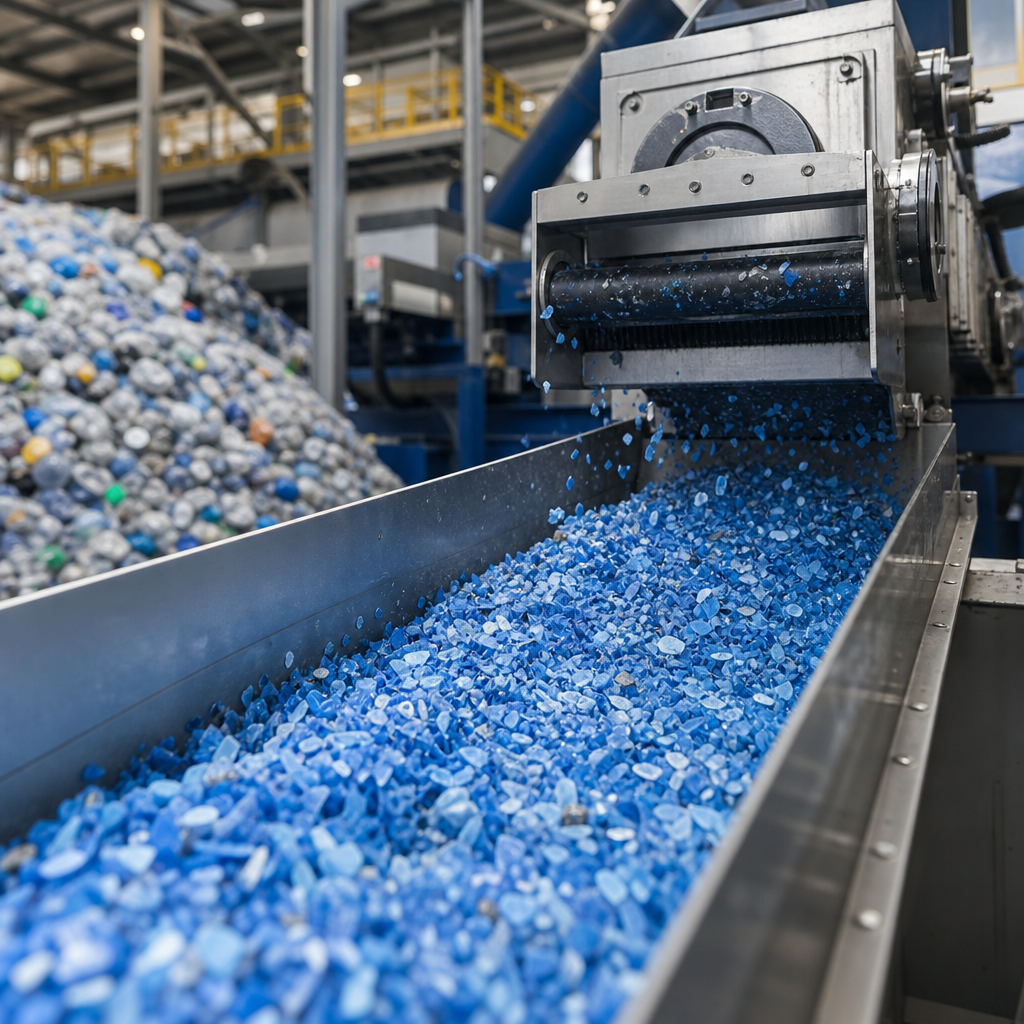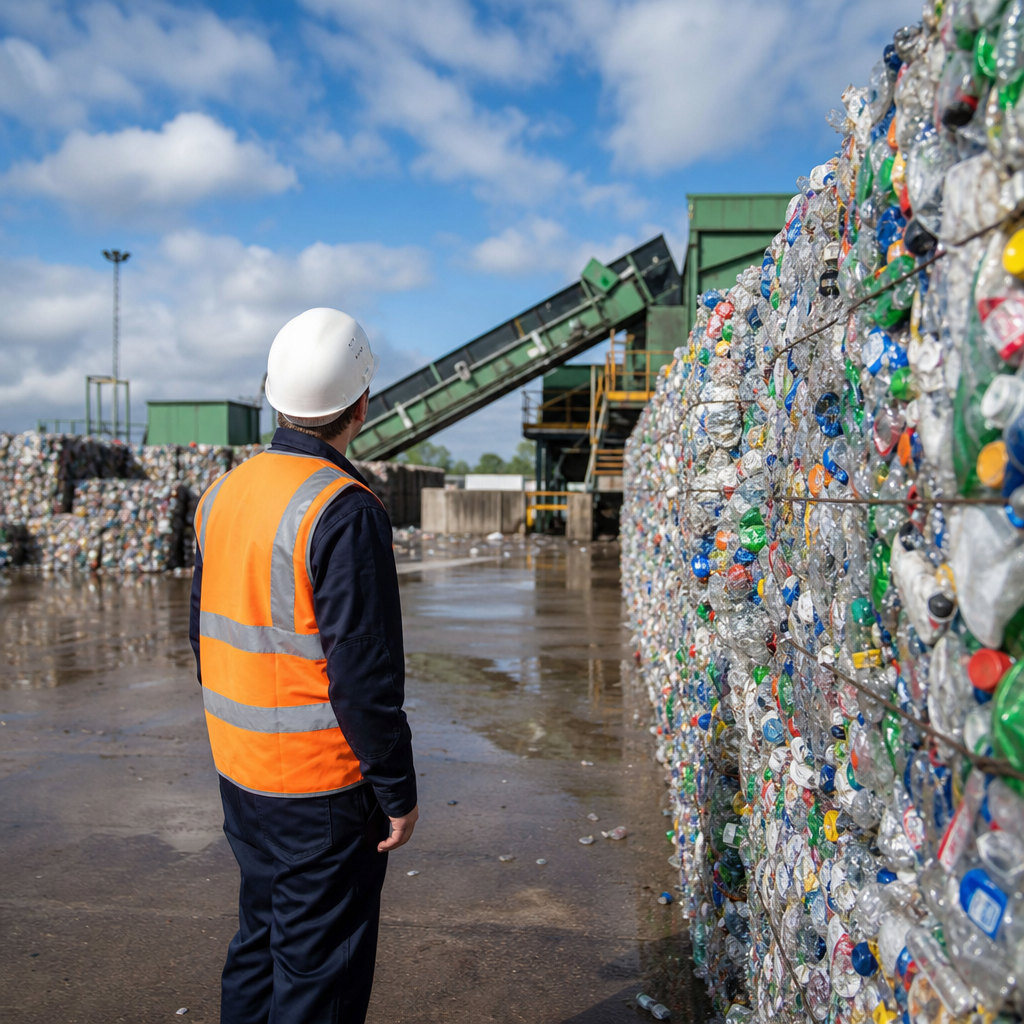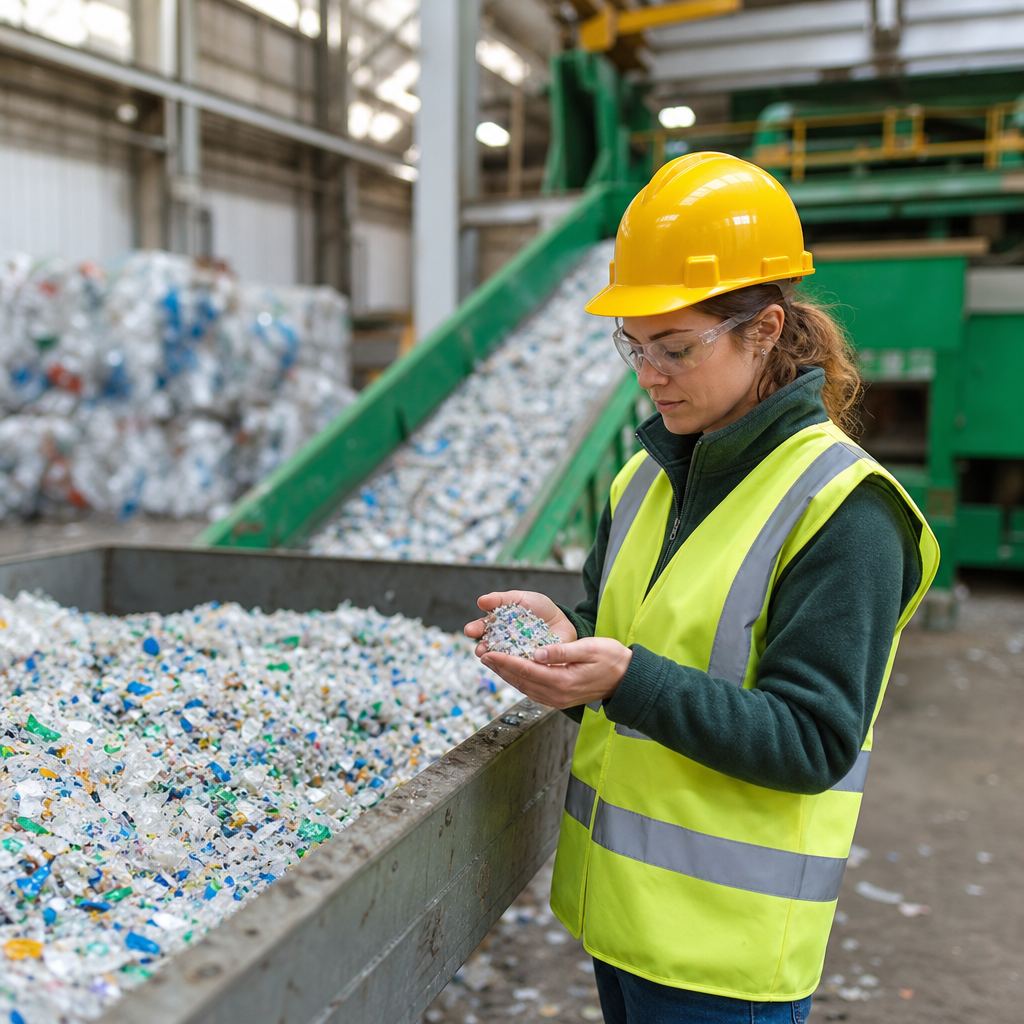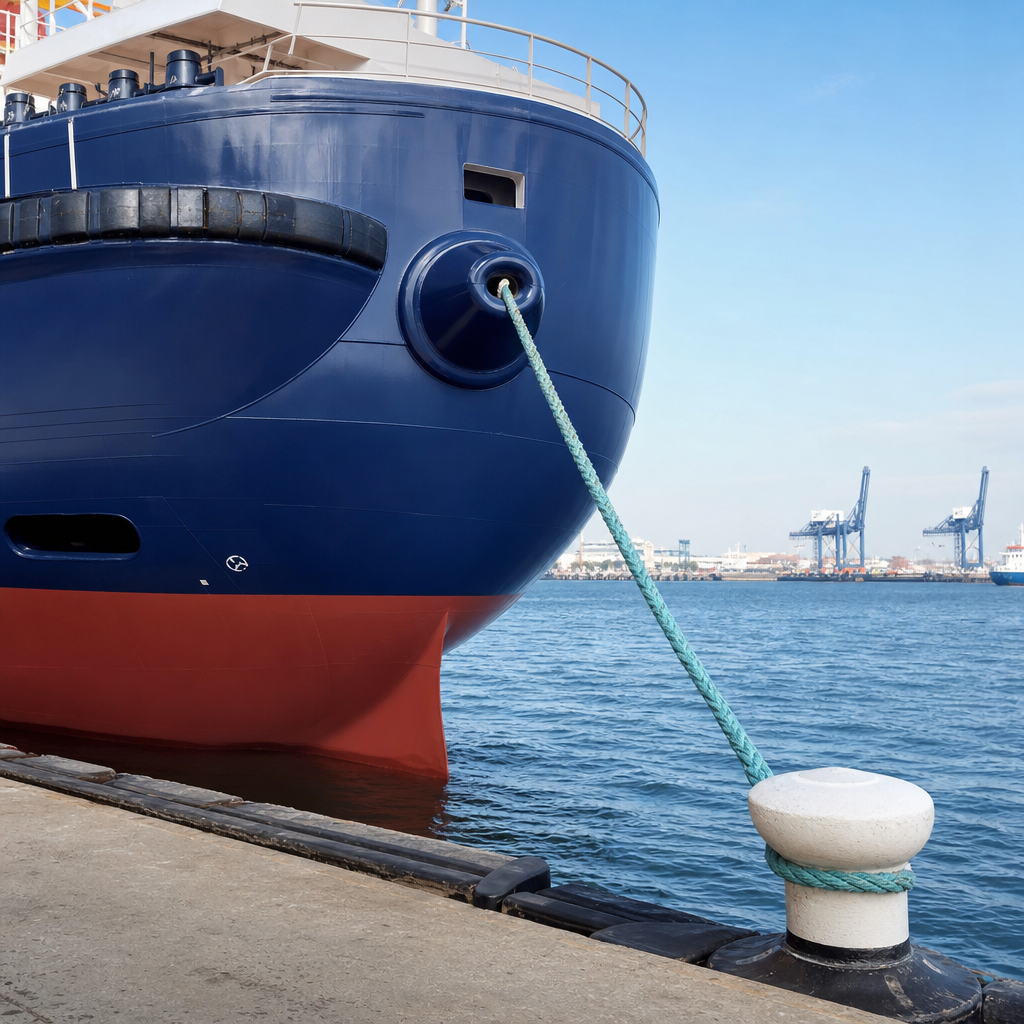
Polymers have become essential materials in marine engineering applications because they solve persistent problems that metals, wood, and ceramics handle less effectively in saltwater environments. In marine engineering, polymers include thermoplastics such as polyethylene and polyamide, thermosets such as epoxy and vinyl ester, elastomers such as neoprene, and high-performance composites reinforced with glass, carbon, or aramid fibers. I have worked on material selection reviews for offshore platforms, port infrastructure retrofits, and vessel maintenance programs, and the same pattern appears every time: when engineers need corrosion resistance, weight reduction, electrical insulation, impact tolerance, or low maintenance, polymers quickly move from optional to critical. This matters across shipbuilding, offshore energy, aquaculture, naval systems, desalination plants, subsea equipment, and coastal civil works.
The use of polymers in marine engineering applications is not a niche trend; it is now a core design strategy shaped by lifecycle cost, safety, and reliability. Salt spray, ultraviolet exposure, biofouling, cyclic loading, and galvanic corrosion create harsh service conditions that punish traditional materials. Properly selected polymers can resist seawater attack, reduce topside weight, damp vibration, and simplify installation. They also support complex geometries through molding, pultrusion, filament winding, and additive manufacturing. At the same time, engineers must manage tradeoffs involving creep, fire performance, solvent compatibility, temperature limits, and long-term aging. This hub article covers industry-specific case studies across major marine sectors, explains where polymers deliver measurable value, and outlines the design criteria that determine whether a polymer solution will perform offshore, in port, or underwater over decades of service.
Why Polymers Perform Well in Marine Environments
Marine environments attack materials through chloride-driven corrosion, wet-dry cycling, abrasion from suspended solids, and continuous mechanical fatigue from waves, currents, and vessel motion. Polymers perform well because most are inherently corrosion resistant and do not rely on sacrificial coatings to survive. High-density polyethylene, for example, is widely used for floating structures, dredge pipelines, and aquaculture cages because it resists seawater, many chemicals, and impact at low temperatures. Epoxy and vinyl ester resins are heavily used in fiber-reinforced polymer structures because they bond strongly to reinforcement fibers and provide good environmental durability. Elastomers contribute sealing, vibration isolation, and flexible hose performance where rigid materials would crack or leak.
In practice, the biggest engineering advantage is not just corrosion resistance but system-level optimization. A glass-fiber-reinforced polymer grating panel can replace steel grating on a jetty and remove the need for blasting and repainting while lowering manual handling risk during installation. A composite seawater pipe can reduce weight enough to change support spacing and crane requirements. A polymer bearing can run in water-lubricated service and eliminate oil contamination risk. These are operational gains, not only material substitutions. Standards and test methods guide this work, including ASTM procedures for mechanical properties, ISO methods for plastics exposure, and classification society rules from DNV, ABS, and Lloyd’s Register for offshore and marine structures. Good marine polymer design starts with environmental loading, not catalog properties.
Shipbuilding and Commercial Vessel Case Studies
Commercial shipbuilding uses polymers in both structural and non-structural roles. On ferries, patrol craft, and workboats, fiber-reinforced polymer composites reduce weight above the waterline, improving stability and fuel efficiency. Glass-reinforced polyester and vinyl ester laminates are common in superstructures, radomes, deckhouses, and interior modules. Carbon fiber composites appear where stiffness-to-weight ratio is critical, though cost usually limits use to fast craft, naval platforms, or specialized components. In engine rooms and accommodation spaces, polymers also appear as cable insulation, pipe systems, acoustic damping panels, protective coatings, and fire-tested interior products.
One repeated case study pattern in refit programs involves replacing corroded steel ladders, grating, handrails, and cable trays with pultruded composite systems. Operators choose these materials because dry-dock maintenance costs drop noticeably when repainting cycles are reduced. Another example is seawater piping. Glass-reinforced epoxy and GRE pipe systems are used on offshore support vessels and process ships for fire mains, ballast, cooling water, and produced water service. Compared with cupronickel or carbon steel, these systems are lighter and more corrosion resistant, but success depends on proper joint design, impact protection, and support spacing. Where installers ignore thermal expansion or point loading, failures occur at fittings rather than in straight pipe runs.
Offshore Oil, Gas, and Wind Energy Applications
Offshore energy has provided some of the strongest proof of polymer value under extreme service conditions. Platforms, floating production units, and offshore wind structures all use polymers in coatings, insulation, seals, cable protection, composite piping, buoyancy modules, and secondary structures. Syntactic foams, which combine polymer matrices with hollow microspheres, are especially important in deepwater buoyancy because they maintain compressive performance under hydrostatic pressure. Polyurethane and polypropylene systems are standard in subsea thermal insulation for flowlines and risers, helping operators control hydrate and wax formation by retaining heat.
In offshore wind, blade manufacturing is one of the clearest examples of polymer engineering at industrial scale. Modern blades rely on epoxy or polyester resin systems with glass and sometimes carbon reinforcement to create long, fatigue-resistant structures. Blade erosion at the leading edge remains a major maintenance issue, so polyurethane-based protective coatings and elastomeric films are increasingly used to extend service life. On fixed and floating foundations, composite gratings, cable covers, and corrosion-resistant enclosures reduce maintenance exposure for technicians working in splash-zone and topside areas. I have seen operators justify composite replacements not because the initial material was cheaper, but because helicopter lifts, rope-access maintenance, and weather delays made conventional corrosion repairs disproportionately expensive.
Ports, Harbors, and Coastal Infrastructure
Ports and coastal structures expose materials to some of the most punishing combinations of abrasion, impact, UV radiation, and tidal wetting. Polymers are widely used in fender systems, pile wraps, deck drainage, access platforms, utility conduits, and bearing pads. High-molecular-weight polyethylene and ultra-high-molecular-weight polyethylene are common in marine fender facings because they provide low friction, high wear resistance, and impact tolerance, allowing vessel hulls to slide against berthing structures with less damage. Rubber compounds remain central to energy-absorbing fender bodies, where formulation determines resilience, fatigue life, and ozone resistance.
Composite pile repair systems are another important case study. Aging concrete and steel piles can be rehabilitated using fiber-reinforced polymer jackets filled with grout or resin systems. These wraps restore confinement, protect against further chloride ingress, and can often be installed faster than full pile replacement. In many harbor projects, this shortens outage time at busy berths. Polymer-modified coatings also play a major role in splash-zone protection, where repeated wet-dry cycles accelerate degradation. The most successful port applications pair material selection with inspectability. If an operator cannot easily inspect a buried wrap termination, a theoretically durable polymer system may still create maintenance uncertainty.
Subsea Systems, Aquaculture, and Desalination
Subsea systems depend on polymers for flexibility, sealing, buoyancy, and environmental protection. Flexible risers combine multiple polymer and metallic layers, with materials such as polyamide 11, PVDF, and polyethylene providing pressure containment, chemical resistance, and sheath protection. Subsea connectors use elastomeric seals engineered for compression set resistance and long immersion life. ROV tooling, cable sheathing, and sensor housings also rely on polymers because electrical insulation and corrosion resistance are mandatory underwater. Failures in these systems usually come from permeation, stress cracking, or unanticipated chemical exposure, not simple seawater contact.
Aquaculture offers a more visible example. HDPE cages dominate many salmon farming regions because they float, flex under wave loading, and resist marine growth better than many alternatives. Nets increasingly use engineered polymer fibers selected for strength retention and abrasion resistance. In desalination plants, polymers appear in intake and outfall pipes, membrane housings, seals, and internal pump components. Reverse osmosis itself depends on polymeric membranes, commonly thin-film composite polyamide layers, to separate salts from water. The marine engineering significance is straightforward: without durable polymers, energy-efficient seawater desalination at large scale would be far harder to achieve.
| Marine sector | Common polymer systems | Main engineering benefit | Typical limitation to manage |
|---|---|---|---|
| Shipbuilding | GRE pipe, GFRP panels, epoxy coatings | Corrosion resistance and weight reduction | Fire compliance and joint detailing |
| Offshore energy | Syntactic foam, polyurethane insulation, composites | Deepwater buoyancy and thermal control | Long-term aging under pressure and heat |
| Ports and harbors | UHMWPE facings, rubber fenders, FRP wraps | Wear resistance and structural rehabilitation | Impact damage and inspection access |
| Aquaculture and desalination | HDPE structures, polyamide membranes, elastomer seals | Seawater durability and process reliability | Biofouling, creep, and chemical compatibility |
Design Rules, Testing, and Material Selection
Selecting polymers for marine service requires more than choosing a corrosion-resistant resin. Engineers must evaluate tensile and compressive strength, interlaminar shear, fatigue behavior, creep, impact resistance, water absorption, thermal expansion, UV stability, flammability, and compatibility with fuels, hydraulic fluids, cleaning agents, and process chemicals. For composites, fiber orientation and laminate schedule matter as much as resin chemistry. For elastomers, hardness alone is insufficient; compression set, tear resistance, and swell behavior often determine service life. I advise teams to start with failure mode mapping: identify whether the design is governed by wear, buckling, permeation, fatigue, fire, or accidental impact, then choose the polymer family accordingly.
Qualification should combine lab testing and field evidence. Accelerated aging, seawater immersion, abrasion testing, and cyclic mechanical loading are useful, but marine assets rarely fail from a single variable. The best programs correlate laboratory results with inspection data from actual service. Classification approvals, manufacturer data, and third-party certification all help, yet they do not replace installation quality. A well-specified composite pipe can still fail if crews over-tighten supports or mishandle spools during lifting. Likewise, adhesive bonding in humid dockside conditions demands process control, surface preparation, and cure verification. Material selection is therefore inseparable from fabrication and maintenance planning.
Lifecycle Economics, Sustainability, and Future Trends
Lifecycle economics explain why polymer adoption keeps expanding. Marine operators increasingly compare total cost of ownership rather than purchase price alone. If a polymer component eliminates blasting, coating renewal, corrosion-related downtime, or heavy-lift installation, it often wins financially even when the upfront material cost is higher. Composite gratings, HDPE floating systems, and polymer bearings have all followed this path. Weight savings also reduce fuel use and emissions on vessels, while corrosion-free systems can reduce the release of coating debris and contaminated runoff during maintenance. These benefits are real, but sustainability claims should remain grounded. Some polymers are difficult to recycle, thermoset composites are particularly challenging at end of life, and additives can complicate waste handling.
Future development is moving in several clear directions: recyclable thermoplastic composites, better fire-safe resin systems, smarter antifouling surfaces, and digital monitoring of polymer degradation. Embedded sensors in composite structures already support strain tracking and condition assessment in high-value offshore assets. Additive manufacturing is also finding a role in marine spare parts, especially for non-critical polymer housings, ducting, and protective covers where long logistics chains create downtime risk. The core lesson from industry-specific case studies is consistent. Polymers deliver the most value when engineers treat them as engineered systems, not generic plastics. For shipyards, offshore operators, port authorities, and desalination designers, the use of polymers in marine engineering applications means longer service life, lower maintenance, and more flexible design options when matched carefully to loads, exposure, and regulation. If you are building a content hub on marine case studies, the next step is to map each sector to specific materials, standards, and failure lessons so decision-makers can move from interest to informed specification.
Frequently Asked Questions
Why are polymers so widely used in marine engineering applications?
Polymers are widely used in marine engineering because they address some of the most difficult material challenges found in seawater service. Marine environments expose equipment and structures to salt, moisture, ultraviolet radiation, impact, cyclic loading, biofouling, and wide temperature swings. Traditional materials such as carbon steel, wood, and certain ceramics can perform well in specific roles, but they often require heavier maintenance, add weight, or struggle with corrosion-related degradation. Polymers offer a different balance of properties that is especially valuable offshore and onboard vessels.
One of the biggest advantages is corrosion resistance. Many polymers do not rust or suffer galvanic corrosion the way metals do, which makes them attractive for piping, cable insulation, tank linings, bearing components, seals, buoyancy systems, and protective coatings. They can also be engineered for chemical resistance, which is critical when components are exposed not only to seawater but also to fuels, hydraulic fluids, cleaning chemicals, and process media. In addition, polymers are often lighter than metals, which helps reduce vessel weight, improve fuel efficiency, simplify installation, and lower lifting and handling requirements during maintenance.
Polymers also give engineers a lot of design flexibility. Thermoplastics such as polyethylene and polyamide can be formed into complex shapes, thermosets such as epoxy and vinyl ester can provide strong structural and protective systems, and elastomers such as neoprene can absorb vibration, provide sealing, and tolerate repeated flexing. When reinforced with glass, carbon, or aramid fibers, polymer composites can achieve impressive strength-to-weight ratios and directional stiffness, which is why they are increasingly used in panels, gratings, riser components, housings, and selected structural elements. In practice, polymers are not replacing every conventional material, but they are indispensable in areas where corrosion resistance, weight reduction, durability, and lower lifecycle maintenance matter most.
Which types of polymers are most common in marine engineering, and what are they used for?
Marine engineering uses several major polymer families, each selected for a different performance profile. Thermoplastics are among the most common. Polyethylene, including high-density grades, is often used in piping, fender facings, liners, and floating systems because it combines chemical resistance, low moisture sensitivity, and good toughness. Polyamide, often referred to as nylon, appears in bearings, wear pads, rope-related hardware, and mechanical components where abrasion resistance and mechanical strength are important. Other thermoplastics, depending on the application, may include polypropylene, PVC, fluoropolymers, and engineered grades for higher temperature or more chemically aggressive environments.
Thermosets are equally important, especially when higher structural integrity or durable chemical-resistant barriers are needed. Epoxy systems are widely used in marine coatings, adhesives, repair laminates, and composite structures because they offer strong adhesion, good mechanical properties, and excellent performance when properly formulated and cured. Vinyl ester resins are valued for strong corrosion resistance and are frequently used in tanks, pipes, ducts, and composite components exposed to seawater and chemicals. Polyester systems may also appear in cost-sensitive composite structures, though they are often selected with more caution in demanding offshore duty compared with epoxy or vinyl ester.
Elastomers serve a different but essential role. Materials such as neoprene are used in seals, gaskets, hoses, vibration mounts, flexible connectors, cable jackets, and protective covers. These materials are selected for flexibility, resilience, weather resistance, and the ability to maintain function under repeated movement or compression. In highly engineered systems, the choice of elastomer may also depend on resistance to oil, ozone, temperature, and marine growth.
Then there are fiber-reinforced polymer composites, which combine a polymer matrix with reinforcements such as glass, carbon, or aramid fibers. Glass-reinforced systems are common because they offer a practical balance of cost, corrosion resistance, and mechanical performance. Carbon fiber composites are used where weight savings and high stiffness justify the cost, while aramid fibers may be selected for impact resistance or specialized reinforcement needs. In marine engineering, these composite systems show up in walkways, ladders, platforms, housings, panels, propeller-related components, masts, piping, and selected offshore structures. The best material is rarely chosen by category alone; it is chosen by matching polymer type, reinforcement, manufacturing method, and service environment to the exact duty of the component.
How do polymers compare with metals in saltwater and offshore environments?
Polymers compare favorably with metals in many saltwater applications, but the comparison has to be made carefully and by function rather than by broad generalization. Metals still dominate in many primary load-bearing structures because of their well-established design codes, high absolute strength, stiffness, and predictable long-term behavior. However, in offshore and marine service, metals also face persistent challenges from corrosion, coating breakdown, galvanic interaction, and maintenance-intensive inspection programs. This is where polymers can provide major advantages.
In seawater exposure, many polymers are inherently corrosion resistant, so they do not require the same sacrificial systems, paint maintenance cycles, or corrosion allowances that metallic systems often need. For secondary structures, piping, cladding, wear surfaces, insulation, protective housings, and non-structural or semi-structural components, this can translate into lower lifecycle cost and reduced downtime. Their lower density is another major benefit. Weight reduction matters in ship design, topside modules, floating systems, and subsea equipment because every kilogram affects stability, transport, installation strategy, and operational efficiency.
That said, polymers are not automatically superior. Compared with metals, many polymers have lower stiffness, lower heat resistance, and greater sensitivity to creep under long-term load. Some degrade under ultraviolet exposure if not stabilized properly. Others can absorb moisture, swell, soften, crack under certain chemicals, or lose properties if they are taken outside their design temperature range. Fiber-reinforced composites can solve some stiffness and strength limitations, but they introduce other engineering considerations such as anisotropy, impact damage sensitivity, repair complexity, and the need for proper quality control during fabrication.
From a practical engineering standpoint, polymers are best understood as strategic materials rather than universal substitutes. They outperform metals in many corrosion-prone, weight-sensitive, chemically aggressive, and maintenance-critical applications. Metals remain preferable where very high loads, elevated temperatures, fire performance, or established code compliance are the dominant factors. The most effective marine systems usually combine both, using each material where it performs best.
What factors should engineers consider when selecting polymers for marine service?
Material selection in marine engineering should always start with the full service profile, not just a catalog property sheet. Engineers need to understand what the component will experience over its entire design life: continuous seawater exposure, splash-zone cycling, submerged operation, ultraviolet radiation, abrasion, hydrostatic pressure, fatigue loading, shock, chemical contact, biological growth, and maintenance access constraints. A polymer that performs well in a sheltered onboard application may fail quickly in an exposed offshore splash zone if these environmental differences are not accounted for.
Mechanical requirements come next. The engineer should evaluate tensile and compressive strength, stiffness, creep resistance, impact tolerance, wear behavior, and fatigue performance. This is especially important for polymers because some materials can carry load well in short-term tests but deform significantly over time under sustained stress. Dimensional stability also matters for components such as bearings, seals, liners, and housings where clearances are critical. If the application involves repeated load cycles, vibration, or dynamic movement, then fatigue and crack-growth behavior deserve close attention.
Chemical and environmental resistance are equally important. Seawater alone is not the whole story in marine service. Components may also contact fuels, lubricants, hydraulic fluids, solvents, cleaning agents, cargo residues, and production chemicals. The polymer must resist these exposures without embrittlement, swelling, softening, or extraction of additives. Temperature limits must be reviewed for both normal operation and upset conditions. Fire, smoke, and toxicity requirements may also be mandatory for certain vessel, offshore, or naval applications, which can significantly narrow the material options.
Manufacturing and inspection considerations should never be overlooked. The same polymer chemistry can perform very differently depending on processing quality, fiber architecture, cure state, void content, and dimensional control. Engineers should also consider whether the material can be fabricated consistently at the required scale, whether repairs can be performed in the field, and whether inspection methods are practical. Finally, cost should be evaluated on a lifecycle basis. A polymer component may have a higher upfront price than a metal alternative but still be the better choice if it reduces corrosion maintenance, extends replacement intervals, or improves installation efficiency. The strongest material selection decisions in marine engineering come from balancing environment, mechanics, manufacturability, regulations, and total ownership cost.
What are the main limitations and future opportunities for polymers in marine engineering?
The main limitations of polymers in marine engineering come from the fact that they are highly versatile but not universally forgiving. Many polymers are more sensitive than metals to temperature, long-term loading, fire exposure, and damage accumulation that is not always visible on the surface. Creep can be a serious issue in load-bearing parts if the design does not account for sustained stress over time. Some materials lose toughness in cold conditions, while others soften too much at elevated temperatures. Ultraviolet degradation, moisture uptake, wear, and environmental