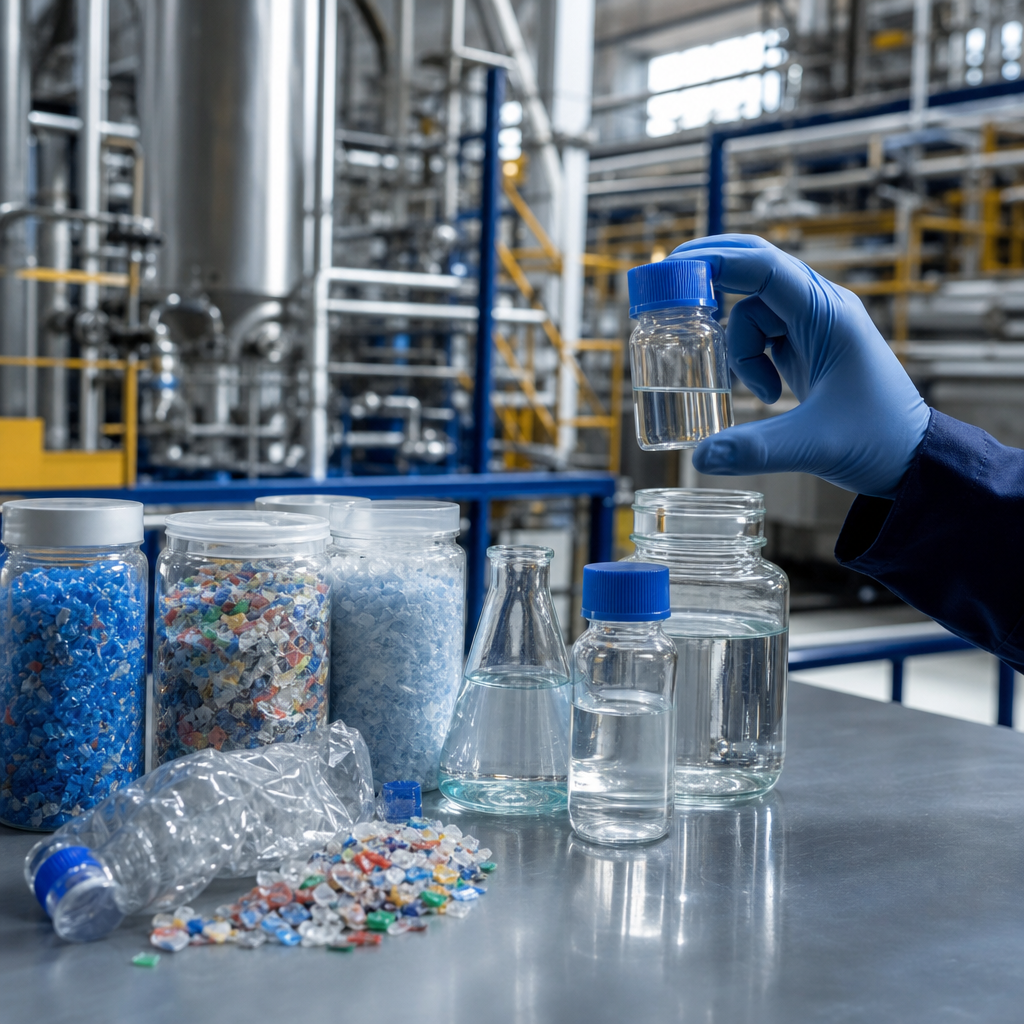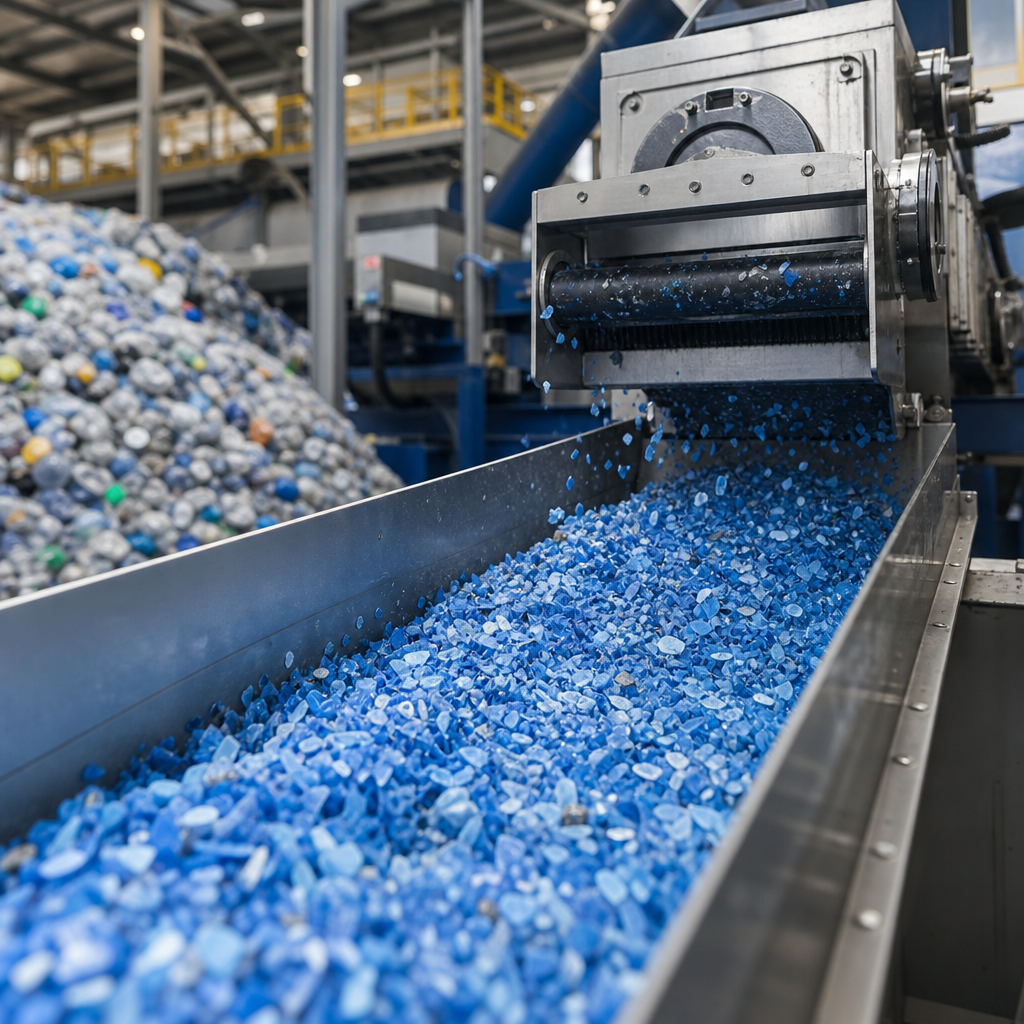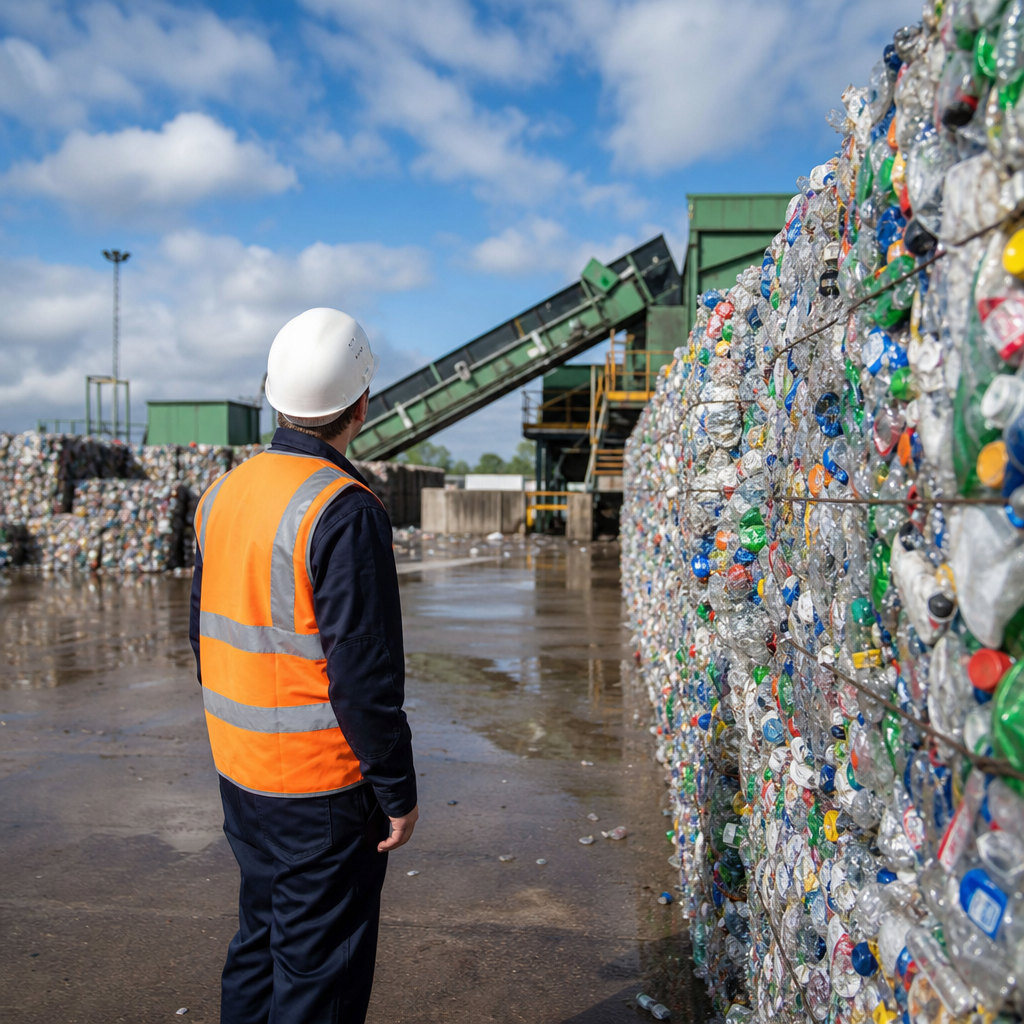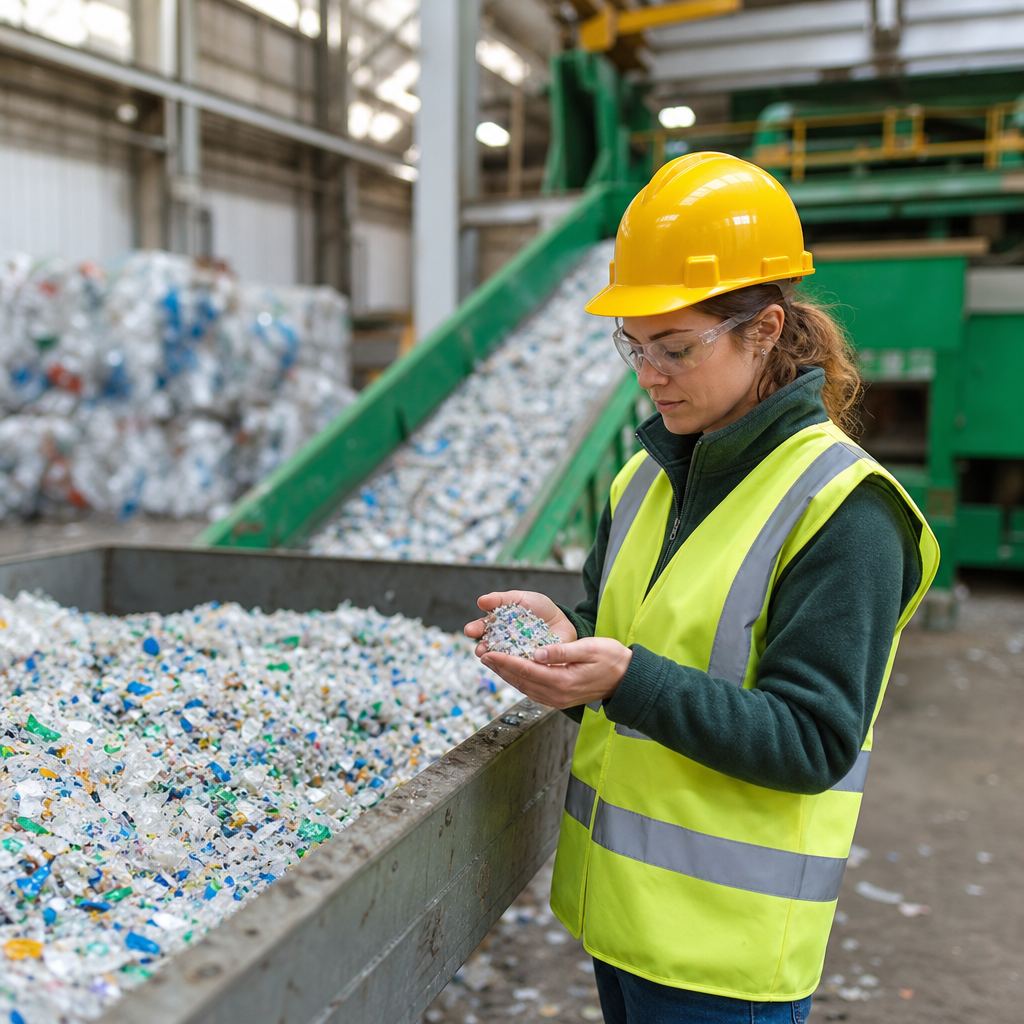
Polymer recycling programs succeed when they align material science, collection design, sorting technology, and end-market demand instead of treating recycling as a single-bin disposal problem. In this hub article on case studies in polymer recycling, I will examine what makes programs work, why some stall, and which lessons transfer across packaging, automotive plastics, textiles, and durable goods. Polymer recycling refers to the recovery and reprocessing of plastic materials such as PET, HDPE, PP, LDPE, PS, and engineering resins into feedstocks for new products. Programs can use mechanical recycling, where polymers are sorted, washed, shredded, and remelted, or chemical routes, where polymers are depolymerized, dissolved, or converted into hydrocarbon outputs. The distinction matters because program design depends on contamination levels, resin type, additive package, and buyer specifications.
After working with recycling audits and post-consumer plastics procurement reviews, I have seen that successful programs are rarely built on technology alone. They depend on practical details: whether labels release in a wash tank, whether near-infrared sorters can detect black plastics, whether bale specifications match reprocessor tolerances, and whether a municipality has contracts that reward quality instead of tonnage. This topic matters because plastic demand remains high while regulators, brands, and manufacturers face pressure to reduce virgin resin use, cut landfill dependence, and document circularity claims. Well-run polymer recycling programs can lower lifecycle emissions for selected resins, protect commodity value, and create supply resilience. Poorly designed programs can do the opposite by producing unusable bales, excessive residue, and expensive contamination. The case studies below show the difference.
Deposit return systems and PET bottle loops
The clearest example of a successful polymer recycling program is the PET beverage bottle loop supported by deposit return systems. In countries and states with deposits, consumers pay a small amount at purchase and reclaim it when containers are returned. That simple incentive dramatically improves capture rates and reduces contamination because bottles are collected separately from mixed household recyclables. Germany, Norway, and several Canadian provinces consistently demonstrate the model: high return rates, cleaner PET streams, and reliable feedstock for bottle-to-bottle recycling. PET works especially well because it has established optical sorting signatures, mature washing and flake production processes, and strong demand from packaging companies seeking recycled content.
What makes these programs successful is not just the deposit. It is the full chain. Reverse vending machines identify barcodes, compact containers, and generate traceable counts. Material recovery specifications limit PVC, opaque PET, metal closures, and residual liquid. Reprocessors use hot wash, sink-float separation, and solid-state polycondensation to restore intrinsic viscosity for food-contact applications. The European Food Safety Authority and the U.S. Food and Drug Administration have both shaped standards around super-clean recycling processes, which gave converters confidence to use recycled PET in new bottles. In practice, I have found that brands achieve the best yield when they pair clear bottle design, perforated sleeve labels, compatible adhesives, and tethered but sortable closures. The lesson for hub readers is direct: successful PET programs are system-level designs, not isolated collection campaigns.
HDPE milk jugs, natural color streams, and local market discipline
High-density polyethylene offers another strong case study, especially natural HDPE from milk, detergent, and household product bottles. In North America, natural HDPE has long been one of the highest-value curbside plastics because the resin can be recycled into nonfood bottles, pipe, decking, and durable containers with relatively predictable performance. The most successful programs preserve color quality and limit contamination by separating natural from mixed-color HDPE early in the process. A natural bale with low polypropylene, paper label, and residual contamination can command a meaningful premium over mixed rigid plastics, which is why material recovery facilities invest in dedicated optical sorting and quality control lines.
Several municipal and private programs improved results by changing collection guidance rather than adding expensive new infrastructure. For example, campaigns that clarified “empty and replace caps” reduced liquids while keeping valuable closures in the stream. Contracts that paid facilities based on bale quality, not just throughput, also improved outcomes. I have reviewed operations where one adjustment in screen maintenance and one retraining session for sort-line staff cut natural HDPE losses noticeably because flat paper and stray containers no longer traveled with the bottle fraction. The broader lesson is that polymer recycling programs become economically durable when material grades are aligned with known buyers. HDPE succeeds because reclaimers know exactly what they can make from a consistent stream, and collection systems protect that consistency.
Film recycling, store drop-off, and why contamination determines viability
Plastic film is often cited as evidence that polymer recycling does not work, but the better case studies show a narrower truth: film recycling works when the stream is controlled. Store drop-off programs for polyethylene bags and wraps have performed better than curbside collection because they avoid entanglement in sorting equipment and limit contamination from food, labels, and mixed materials. Retail collection bins that accept clean grocery bags, stretch wrap, bread bags, and air pillows create a relatively uniform PE film stream that can be pelletized into composite lumber, bags, and new film applications. Programs tied to retail logistics also benefit from existing backhaul systems, reducing transportation cost.
Where these programs fail, the cause is usually input quality or unclear claims. Multi-material pouches, metallized films, food-soiled wrap, and “compostable” lookalikes can degrade output or create residue. That is why the most credible film programs use strict acceptance lists, front-of-store signage, bale inspection, and downstream testing for melt flow and contamination. The Association of Plastic Recyclers has repeatedly emphasized design compatibility for films, including limits on incompatible barrier layers and problematic adhesives. In my experience, retailers that train staff and audit bins outperform those that simply place collection containers near entrances. Film recycling is viable, but only for defined polyethylene streams with disciplined contamination control.
Automotive polypropylene recovery and closed-loop manufacturing
Automotive polymer recycling programs show how closed-loop systems can outperform municipal recycling because manufacturers control the material mix, dismantling process, and product specifications. Polypropylene from bumpers, battery cases, wheel liners, and interior trim is a leading example. Carmakers and suppliers in Europe and Asia have built programs that recover PP from end-of-life vehicles, sort it by application and filler content, and compound it for new parts. This works because automotive production already relies on detailed part identification, resin coding, and supplier quality systems. When dismantlers can separate PP-rich parts before shredding, the resulting stream has far more value than mixed automotive shredder residue.
The technical challenge is maintaining impact performance, color consistency, odor control, and dimensional stability. Successful programs address that challenge with compatibilizers, mineral filler management, deodorization, and application-specific recipes. A bumper fascia does not need the same formulation as an underbody shield, so reclaimers match recycled PP grades to realistic use cases. Renault, BMW, and several major Tier 1 suppliers have publicly described increasing recycled plastic content through design-for-recycling and controlled material loops. The practical lesson is important for every reader exploring polymer case studies: the closer a program is to a known manufacturer and a known specification, the higher its chance of stable success.
| Program type | Main polymer | Success factor | Common failure point |
|---|---|---|---|
| Deposit return bottles | PET | High capture and low contamination | Problematic labels and opaque containers |
| Natural bottle recycling | HDPE | Color separation and bale quality | Mixed resins and residual liquid |
| Store drop-off film | PE film | Controlled accepted materials | Food soil and multilayer films |
| Automotive closed loop | PP | Known parts and buyer specifications | Mixed shredder residue |
| Carpet and textile recovery | Nylon, PET | Dedicated take-back and chemical processing | Blended fibers and weak collection |
Textile and carpet recycling programs under producer responsibility models
Textiles and carpets are harder than bottles, yet several programs provide useful case studies in polymer recycling. Carpet recovery initiatives have focused on nylon 6, nylon 6,6, and PET face fibers combined with backing materials. The challenge is obvious: carpets are heavy, dirty, and built from multiple layers that are not easily separated. Programs improved once they shifted from generic collection to targeted take-back tied to installers, commercial renovations, and producer responsibility structures. The most effective operations pre-sort by product family and use depolymerization for nylon 6, where caprolactam recovery can support high-quality outputs that are difficult to achieve through mechanical recycling alone.
Textile recycling shows similar patterns. Mono-material polyester garments are easier to process than cotton-poly blends, and programs that control feedstock through brand take-back, warehouse returns, or industrial uniforms achieve better economics than open, mixed post-consumer streams. Companies such as Aquafil have demonstrated regeneration pathways for nylon waste, while chemical recyclers working on polyester have targeted cleaner feedstocks first because contaminants, dyes, elastane, and trims complicate process yields. My direct takeaway from reviewing these systems is that collection architecture determines technical feasibility. When polymer streams are mixed before anyone identifies them, costs rise quickly. When products are designed for disassembly and returned through controlled channels, recycling becomes a manufacturing operation rather than a waste gamble.
What the best polymer recycling programs have in common
Across these case studies, successful polymer recycling programs share a repeatable set of traits. First, they define accepted materials narrowly enough to protect output quality. Second, they create economic incentives at the point of return, sorting, or procurement. Third, they use design guidelines that reduce incompatibilities, including removable labels, sortable pigments, and limited multilayer structures. Fourth, they secure end markets before scaling collection. Fifth, they measure performance with practical metrics such as capture rate, bale contamination, wash yield, pellet rejection rate, and recycled resin substitution in final products. Programs that skip these basics tend to overstate diversion while underdelivering usable material.
Another common trait is transparency about limits. Not every polymer can be recycled in every format, and not every recycled resin can return to the same application. Food-contact compliance, odor, molecular weight degradation, and additive carryover are real constraints. The strongest case studies succeed because they match the right polymer, the right collection model, and the right end use. If you are building out a broader understanding of case studies and applications, use this hub as a framework: evaluate feedstock control, process compatibility, buyer demand, and policy support in every program you assess. Polymer recycling works best when it is engineered backward from material specifications and forward from collection behavior. That is the central lesson from the most durable programs in the field.
Successful polymer recycling programs do not emerge from good intentions alone; they are built through disciplined system design, realistic material matching, and verified end markets. The strongest case studies, whether in PET bottle deposits, HDPE bottle recovery, PE film store drop-off, automotive polypropylene loops, or nylon take-back systems, all show the same pattern: clean feedstock creates better economics, and better economics sustain collection. When program leaders define accepted materials clearly, align packaging or product design with sorting technology, and secure downstream buyers before expansion, recycling rates improve and resin quality becomes commercially useful rather than nominally diverted.
For readers using this page as a hub for case studies in polymer recycling, the next step is to compare each application through a consistent lens. Ask four questions every time: How controlled is the feedstock? Which recycling process fits the polymer? What specification does the buyer require? Where does contamination enter the system? Those questions reveal more than marketing claims or headline diversion figures. They also help explain why some programs scale nationally while others remain pilots. Use the examples here to guide deeper reading across packaging, textiles, automotive plastics, and durable goods, and apply the same criteria to any new initiative you evaluate. Better recycling programs start with better case study analysis.
Frequently Asked Questions
What do successful polymer recycling programs have in common?
Successful polymer recycling programs usually share one core trait: they are designed as complete systems rather than as simple disposal options. The strongest case studies show alignment across several connected factors, including material selection, product design, collection access, consumer participation, sorting accuracy, contamination control, processing capacity, and dependable end-market demand. In practice, that means a program works best when the type of polymer being collected—such as PET or HDPE—matches what local sorting and reprocessing infrastructure can actually identify, separate, wash, and remanufacture at scale.
Another common factor is program specificity. Effective initiatives are rarely built around the vague idea that “all plastics can be recycled.” Instead, they define which materials are targeted, what form those materials take, how they enter the collection stream, and where they will go after processing. For example, a bottle-to-bottle PET system succeeds when bale quality standards, label and cap compatibility, optical sorting performance, and food-grade recycled resin requirements are all addressed in advance. The same disciplined approach applies to automotive plastics, textiles, and durable goods, although the logistics and technical barriers differ by sector.
Successful programs also tend to rely on strong market pull. Recycling is economically durable when there is real demand for the recovered polymer, whether from packaging producers seeking recycled content, automotive suppliers using recycled resins in non-visible components, or manufacturers that can tolerate some variation in color or mechanical properties. Without an end market, even well-collected material can become stranded. The best programs therefore treat recycled polymer as a feedstock with quality specifications, not as waste that somehow becomes valuable later.
Finally, high-performing programs measure outcomes and adjust. They track capture rates, contamination levels, yield losses, sorting purity, resin quality, and actual product incorporation. This data-driven feedback loop is what allows one program to scale while another stalls. In case studies across sectors, success is rarely accidental; it comes from engineering the full chain from collection to re-use.
Why do some polymer recycling programs stall even when participation appears high?
A polymer recycling program can appear healthy on the surface—full bins, strong public messaging, high reported participation—yet still struggle operationally or financially. One of the most common reasons is contamination. If collected material includes food residue, mixed polymer formats, multi-layer packaging, incompatible additives, or non-target items, the apparent volume of recyclables may not translate into usable feedstock. In other words, a high collection rate does not necessarily mean a high recovery rate. Large quantities can enter the system and still fail to become quality recycled resin.
Another major reason programs stall is technology mismatch. Sorting systems are not equally effective across all polymer types, colors, shapes, and product formats. Black plastics, flexible films, multi-material packaging, fiber blends, and parts containing fillers or flame retardants often create challenges for automated recovery. If the incoming material stream is more complex than the sorting and reprocessing equipment was designed to handle, output quality drops and costs rise. Many stalled programs underestimated how much precision was needed after collection.
Economics also play a decisive role. Recycling programs can weaken when virgin resin prices fall, transportation costs increase, bale quality declines, or buyers reduce their acceptance of lower-grade recycled material. A program may be technically feasible but still commercially unstable if it lacks long-term procurement commitments or policy support. This is why successful case studies often include some mechanism that reduces market volatility, such as recycled-content targets, extended producer responsibility frameworks, or direct partnerships between collectors, processors, and manufacturers.
Stalled programs may also suffer from poor design-for-recycling at the product level. When packaging or products are made with incompatible layers, difficult-to-remove labels, problematic adhesives, mixed fibers, or additives that interfere with reprocessing, the burden shifts downstream to sorters and recyclers. In many case studies, failure was not caused by one weak link, but by several small inefficiencies adding up across the system. Participation matters, but without technical compatibility and market readiness, participation alone cannot guarantee success.
How do collection design and sorting technology influence polymer recycling outcomes?
Collection design and sorting technology have an enormous influence on whether polymer recycling programs deliver clean, valuable output or expensive mixed material. Collection design determines what enters the stream in the first place. If instructions are clear, access is convenient, and accepted materials are limited to what the local system can truly process, contamination tends to be lower and material quality tends to be higher. By contrast, broad or confusing collection rules often encourage “wishcycling,” where consumers place non-recyclable or hard-to-process items into bins in the hope they will be recovered.
Sorting technology then determines how effectively the system can convert that collected stream into usable fractions. Modern facilities may use optical sorters, near-infrared detection, ballistic separation, air classification, metal removal, washing systems, and increasingly data-enabled quality control. These technologies can separate PET from HDPE, identify container shapes, remove contaminants, and improve bale purity. However, even advanced sorting has limits. Flexible films, dark materials, composites, and products with overlapping polymer signatures can still reduce efficiency and yield.
The most successful case studies show that collection and sorting must be designed together. A municipality or brand owner cannot simply expand accepted materials without considering the downstream impact. If a collection system introduces too many formats, the sorting line may lose purity. If the sorting line is upgraded but residents are given unclear guidance, contamination can still undermine performance. Good program design asks a practical question: what exact materials can be collected consistently and sorted into marketable outputs at the local or regional scale?
This is especially important across different sectors. Packaging systems often benefit from relatively standardized, high-volume flows, while automotive plastics and durable goods may rely more on dismantling, take-back programs, or pre-sorting by component type. Textile recycling faces even more complexity because blends, finishes, and fiber-to-fiber requirements create additional barriers. In every case, the lesson is the same: collection quality and sorting capability are not separate issues; they are tightly linked drivers of overall recycling performance.
What lessons from PET and HDPE packaging programs transfer to automotive plastics, textiles, and durable goods?
Programs focused on PET and HDPE packaging have generated some of the clearest lessons in polymer recycling, and many of those lessons transfer well to other categories. The first transferable lesson is the importance of stream definition. PET bottle recycling works best because the material format is relatively recognizable, the volume is high, and there are established end uses. That same principle applies elsewhere: automotive plastics programs perform better when parts are identified by resin type, textiles programs improve when fiber composition is known and separated, and durable goods recycling becomes more efficient when components are designed for disassembly and material recovery.
A second major lesson is that design decisions upstream shape recovery success downstream. In packaging, choices about labels, sleeves, closures, pigments, adhesives, and multilayer structures can either support or hinder recycling. The parallel in automotive plastics involves fillers, coatings, bonded assemblies, and mixed-material components. In textiles, blends of polyester with cotton or elastane complicate recycling pathways. In durable goods, embedded fasteners, electronics, and incompatible plastic combinations increase separation costs. Across all these sectors, design-for-recycling is not an abstract ideal; it directly affects yield, quality, and economics.
The third lesson is that end-market certainty matters as much as collection. PET and HDPE systems became stronger where there was consistent demand for recycled resin in new packaging, containers, fibers, or molded products. Similar market development is essential in other sectors. Automotive recyclers need buyers for recovered polypropylene, ABS, and engineering plastics. Textile systems need viable applications for mechanically or chemically recovered fibers and polymers. Durable goods recycling needs manufacturers willing to incorporate recovered content into components that can tolerate variation in aesthetics or performance.
That said, not every packaging lesson transfers perfectly. Packaging often moves through municipal systems, while automotive and durable goods streams may require reverse logistics, dismantling networks, or producer-managed take-back models. Textiles often face additional challenges related to fiber blends and contamination from dyes and finishes. The broader insight from successful PET and HDPE case studies is not that every sector should copy packaging systems exactly, but that every sector should build an equally intentional chain linking product design, collection method, sorting strategy, reprocessing technology, and final-market use.
How should companies measure the success of a polymer recycling program?
Companies should measure polymer recycling success using operational, material, financial, and market-based indicators rather than relying on a single headline number. One of the most common mistakes is focusing only on the amount of material collected. Collection volume is important, but it does not reveal whether the material was sortable, whether it met quality specifications, how much was lost during washing and reprocessing, or whether it ultimately displaced virgin resin in a real application. A more meaningful assessment follows the material through the entire chain.
At the operational level, key metrics include capture rate, contamination rate, sorting purity, process yield, residue generation, and downtime. These show whether the program is collecting the right materials and converting them efficiently into usable outputs. At the material-performance level, companies should evaluate polymer quality indicators such as melt flow behavior, intrinsic viscosity where relevant, color consistency, odor, mechanical property retention, and the presence of problematic additives or non-target polymers. These measures matter because recycled polymer only creates value when it performs