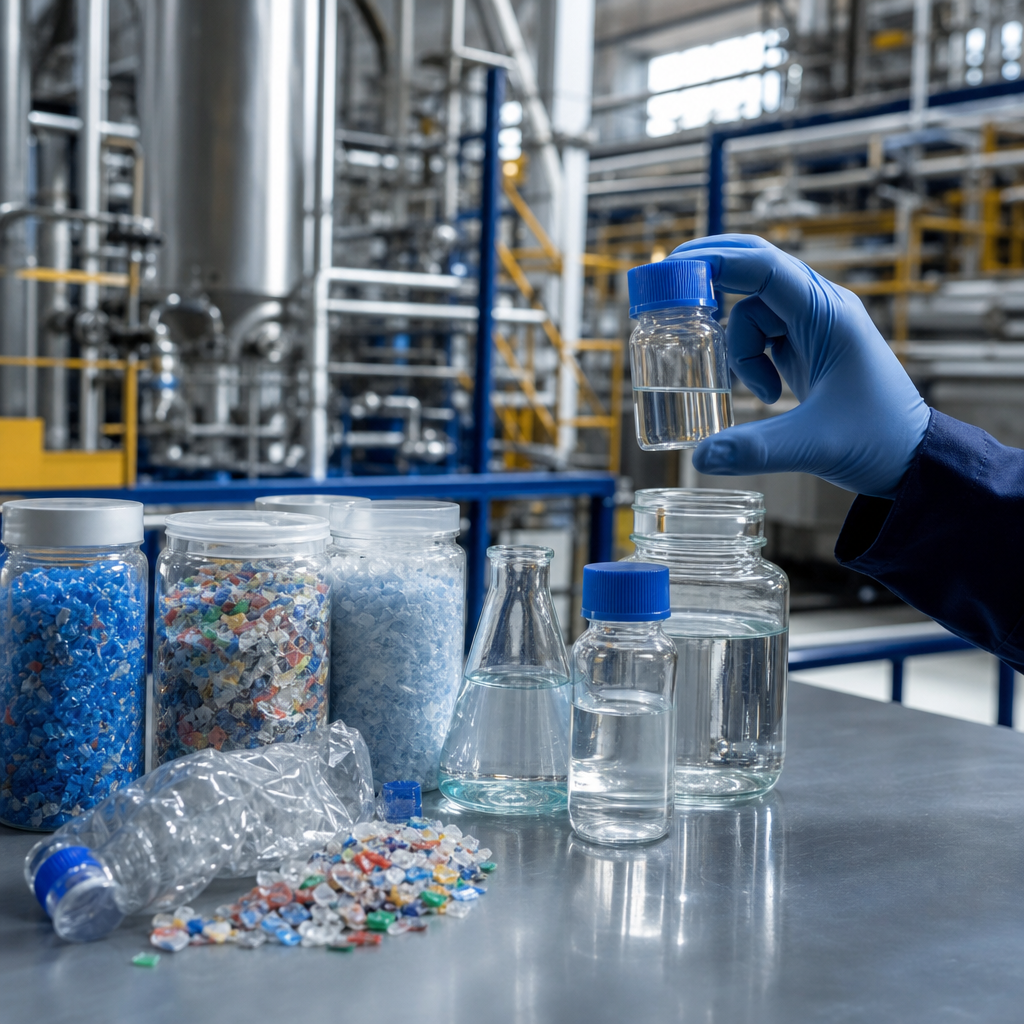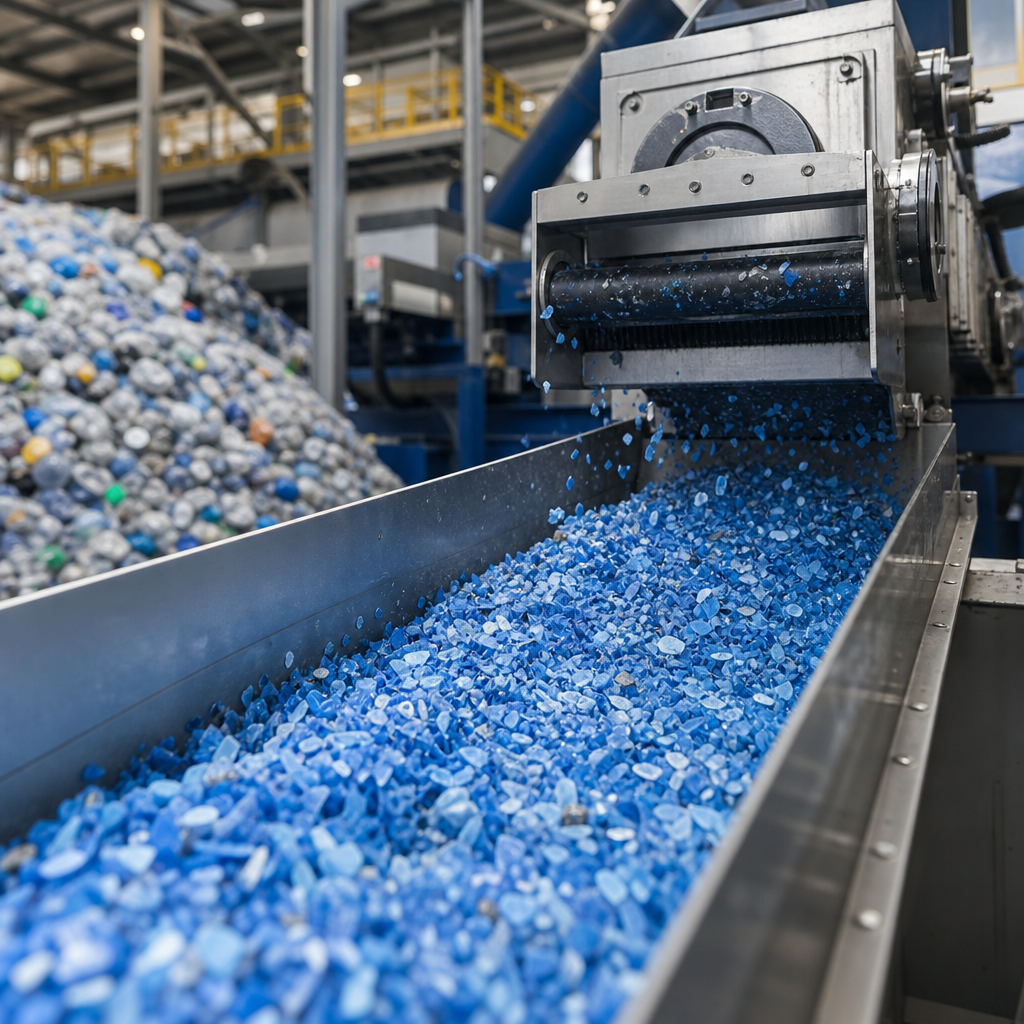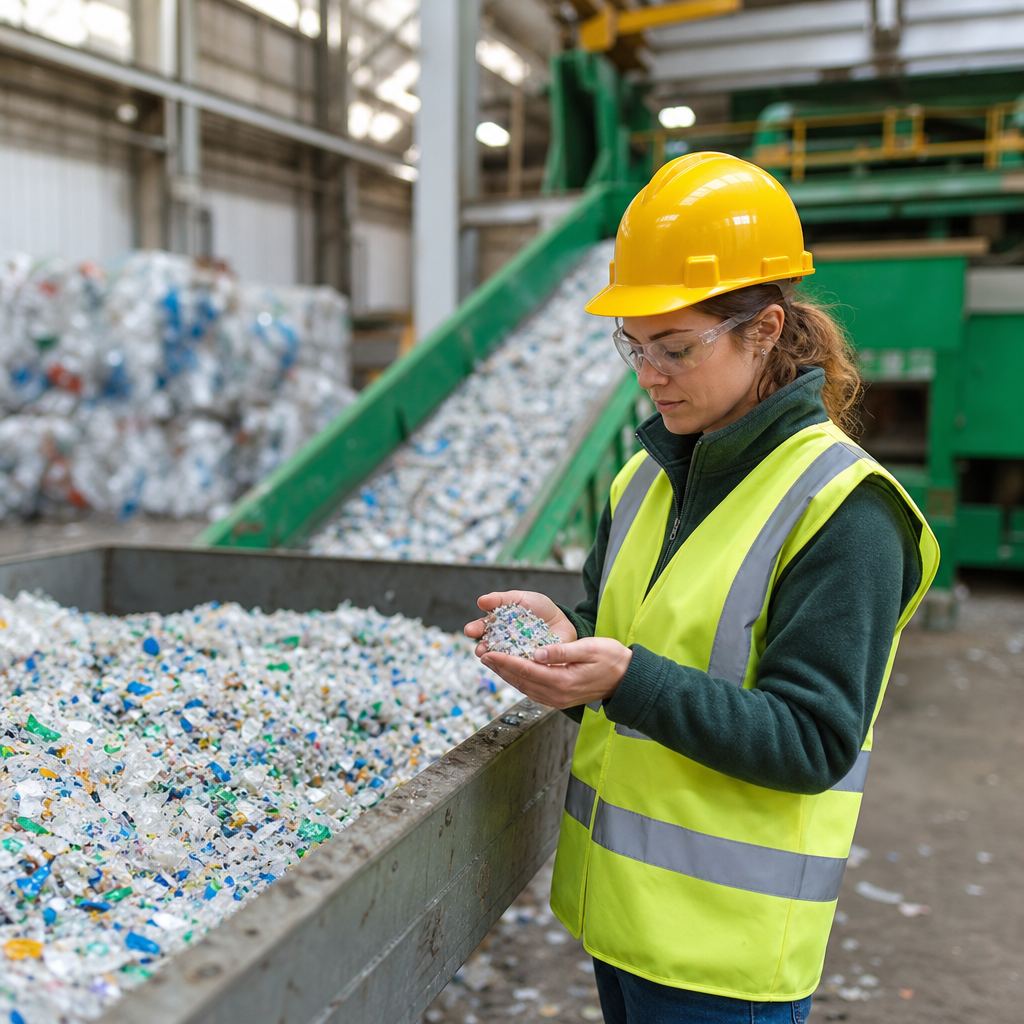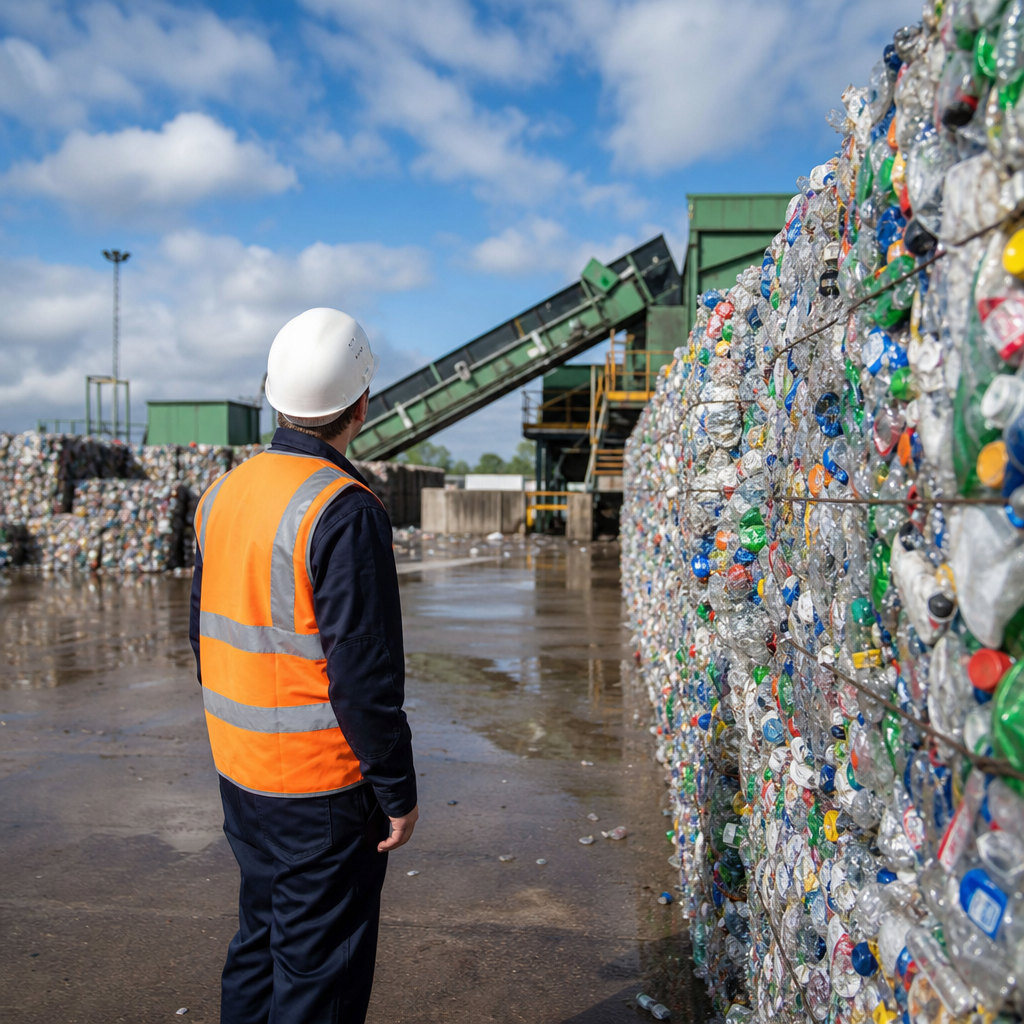
Public policies shape polymer recycling efforts more than any single technology, market trend, or corporate pledge because they determine what gets collected, how it is financed, which materials are prioritized, and whether recycled polymers can compete with virgin resin. In practice, I have seen the same polyethylene film or PET bottle treated as waste in one jurisdiction and as a valuable feedstock in another, purely because policy design changed the economics. For a hub article on case studies in polymer recycling, that contrast matters: real progress rarely comes from technical capability alone. It comes from rules, incentives, standards, and enforcement working together.
Polymer recycling refers to the recovery and reprocessing of plastics such as PET, HDPE, LDPE, PP, PS, and engineering polymers into new materials or products. Public policy includes laws, regulations, taxes, subsidies, procurement rules, recycled-content mandates, landfill restrictions, deposit return systems, and producer responsibility frameworks. These tools influence collection rates, contamination levels, sorting investment, end-market demand, and disclosure requirements. They also affect whether recycling follows mechanical routes, where polymers are sorted, washed, shredded, and remelted, or chemical routes, where plastics are depolymerized, dissolved, or converted into feedstocks.
This topic matters because polymers are deeply embedded in packaging, construction, automotive components, textiles, healthcare, and electronics. Yet global plastic waste management remains uneven, and recycling rates differ sharply by resin and region. PET bottles often achieve stronger recovery because they have established markets and relatively clear sorting pathways, while films, multilayer packaging, and mixed polyolefins remain difficult. Policy can narrow that gap by standardizing design, reducing problematic additives, funding infrastructure, and creating reliable demand for recyclate. It can also fail, especially when targets are set without enforcement, when collection expands faster than sorting capacity, or when definitions of recyclability are too loose to guide industry behavior.
Case studies are the best way to understand these dynamics because polymer recycling is a systems problem. A successful program usually combines municipal collection, materials recovery facilities, resin-specific specifications, brand-owner participation, and stable downstream buyers. A weak program tends to break at one of those points. Across Europe, North America, and parts of Asia, the strongest examples show the same lesson: policy works when it aligns incentives across the value chain, from packaging design to reprocessing to procurement. The sections below explain how different policy models affect polymer recycling outcomes and why these case studies matter for companies, municipalities, and researchers building the next generation of circular polymer systems.
How policy instruments directly change polymer recycling performance
Public policy influences polymer recycling through four direct levers: collection, quality, economics, and accountability. Collection policy determines whether households and businesses separate plastics at source, return containers through retail systems, or discard them into mixed waste. Quality policy affects contamination thresholds, bale specifications, labeling requirements, and accepted formats. Economic policy changes the price relationship between recycled and virgin polymer through taxes, credits, grants, or mandated procurement. Accountability policy requires producers, municipalities, and recyclers to report data, meet targets, and verify claims.
Among the most effective tools is extended producer responsibility, or EPR. Under EPR, producers finance all or part of post-consumer collection and treatment. In well-designed systems, fees are modulated so packaging that is easy to recycle pays less, while problematic formats such as multilayer sachets or carbon-black trays pay more. This approach does more than raise money. It sends a design signal. Companies redesign labels, adhesives, colorants, and barrier layers because poor design increases compliance costs. France and Belgium have both used producer responsibility systems to improve packaging management, though implementation details differ and performance depends on governance quality.
Deposit return systems are another proven policy instrument, especially for beverage containers made from PET, HDPE, aluminum, and glass. By attaching a refundable deposit to each container, governments create a clean, consumer-facing incentive that consistently improves return rates and reduces contamination. In operational terms, deposit systems produce better PET feedstock than mixed curbside collection because returned containers are less likely to be mixed with food waste, paper fibers, or non-target plastics. That higher quality matters at the recycler level, where color sorting, hot washing, and food-grade pellet production depend on clean streams.
Recycled-content mandates address a different failure point: demand. Even when collection is strong, recyclers can struggle if brand owners switch back to virgin polymer during oil-price declines. Minimum recycled-content requirements reduce that volatility. The European Union’s Single-Use Plastics Directive and related packaging rules have accelerated demand for recycled PET in beverage applications. California has also implemented recycled-content requirements for plastic beverage containers. These policies do not solve every challenge, especially for food-contact approvals or non-bottle packaging, but they create a floor under market demand and support investment in sorting and reprocessing capacity.
Case studies in polymer recycling: what leading regions show
The most instructive case studies in polymer recycling come from regions that combined policy layers rather than relying on one instrument. Germany’s packaging system is a classic example. Its producer responsibility framework, separate collection structure, and high public participation helped build one of the world’s most recognized recycling systems. Germany has not eliminated plastic waste problems, and critics rightly note that collection does not always equal domestic closed-loop recycling. Still, the system demonstrates how mandatory producer financing and consistent household sorting can create feedstock volume at national scale.
Norway provides one of the clearest examples of how deposit return policy improves polymer recovery quality. The country’s beverage container return system consistently achieves very high collection rates, supported by reverse vending infrastructure and a clear financial incentive for consumers. For PET bottles, this means a relatively pure stream suitable for bottle-to-bottle recycling. In my experience reviewing recycling systems, this quality advantage is often underestimated. Clean PET flakes and pellets open pathways to food-grade applications, while contaminated PET frequently gets downcycled into fibers or straps, reducing circularity.
Japan illustrates another model: highly structured material separation supported by strong municipal discipline and detailed sorting rules. Japanese plastic recycling policy has historically included both material recycling and feedstock recycling pathways, reflecting space constraints and waste management realities. The lesson from Japan is not that one technology always wins, but that policy clarity matters. Citizens know what to sort, municipalities know what to collect, and processors know how materials will be classified. That administrative precision reduces ambiguity, which is often a hidden source of recycling inefficiency.
In the United States, state-level variation creates a natural laboratory for policy comparison. California has moved aggressively on recycled-content requirements, labeling standards, and plastic waste reduction measures. Oregon, Maine, Colorado, and California have enacted producer responsibility laws for packaging, each with different structures and implementation timelines. Meanwhile, bottle bill states have generally outperformed non-deposit states in container recovery. The broader U.S. lesson is that fragmented policy produces fragmented results. Where rules are stable and enforceable, recyclers invest. Where rules shift slowly or differ across municipal boundaries, scale becomes harder to achieve.
| Policy model | Primary polymer impact | Typical strength | Common limitation |
|---|---|---|---|
| Extended producer responsibility | Improves packaging design and funds collection | Aligns producer costs with end-of-life outcomes | Weak results if fees are not modulated or enforced |
| Deposit return system | Raises PET and HDPE container recovery quality | Produces cleaner streams for closed-loop recycling | Usually focused on beverage formats only |
| Recycled-content mandate | Creates demand for recyclate | Supports investment during virgin price swings | Harder to apply where food-contact approvals are limited |
| Landfill tax or disposal restriction | Pushes material toward recovery options | Changes economics across the waste system | Can shift waste without enough sorting capacity |
Why some polymer recycling policies underperform
Not every public policy improves recycling in practice. Some fail because they focus on collection tonnage without building domestic processing capacity. Others count exports or mixed-plastic outputs as recycling even when material quality is too low for meaningful substitution. I have seen municipal programs celebrate broader plastic acceptance lists while local materials recovery facilities lacked optical sorters, ballistic separators, or film capture systems to handle the added material. The result was predictable: contamination rose, residue rates increased, and public trust declined.
Another common weakness is poor material specificity. “Plastic” is too broad a category for effective policy. PET bottles, HDPE detergent containers, polypropylene tubs, agricultural films, polyurethane foams, and glass-fiber-reinforced thermosets behave differently in collection, sorting, and reprocessing. Policies that set generic plastic recycling targets can unintentionally reward the easiest streams while leaving hard-to-recycle polymers unaddressed. Better policy names the resin classes, product formats, and performance thresholds involved. It also distinguishes between open-loop and closed-loop outcomes, because replacing a food-grade PET bottle with textile fiber is not the same as returning that bottle to bottle-grade resin.
Economic volatility also undermines recycling policy. Virgin polymer prices are linked to fossil feedstocks and can fall quickly, making recyclate less competitive. Without procurement requirements, long-term offtake agreements, or minimum recycled-content rules, reprocessors face unstable margins. This is especially true for mechanically recycled polyolefins, where odor, color, melt-flow variability, and additive history can limit end uses. Policy cannot remove those technical constraints, but it can make investment more rational by reducing demand uncertainty.
Finally, enforcement determines credibility. Targets without audits, reporting standards, and penalties do little. Reliable policy uses harmonized definitions, third-party verification, and traceable mass-balance rules where advanced recycling claims are made. Standards from organizations such as ISO, ASTM, and the European Committee for Standardization help create consistency in testing, terminology, and recycled-content declarations. When those foundations are absent, public policy may sound ambitious while delivering little measurable improvement in polymer circularity.
What these case studies mean for future polymer recycling strategy
The clearest lesson from case studies in polymer recycling is that policy works best when it matches material realities. For PET beverage bottles, deposit systems plus recycled-content mandates produce strong results because the polymer has established collection routes, high-value end markets, and proven food-grade recycling processes. For flexible films, policies need different tools: design-for-recycling standards, store drop-off systems or separate film collection, end-market development for recycled PE and PP, and restrictions on non-recyclable multilayer structures where substitutes exist. For automotive, construction, and electronics polymers, recovery often depends more on dismantling rules, product passports, and industrial take-back requirements than on household collection.
This hub article also points to a broader strategic principle: policy should be evaluated by actual material outcomes, not by headline ambition. The right questions are concrete. Did PET bottle return rates rise? Did bale contamination fall? Did food-grade recycled resin output increase? Did EPR fees push brands away from problematic formats? Did domestic reprocessing capacity expand? These are the questions practitioners ask because they reveal whether policy changed the system or merely changed the language around it.
For companies, the practical response is to prepare for a policy environment that increasingly rewards polymer simplicity, traceability, and verified recycled content. Packaging teams should review resin choices, labels, colorants, closures, and barrier layers against recognized design guides such as those published by the Association of Plastic Recyclers and RecyClass. Municipalities should align accepted-material lists with actual sorting and end-market capability rather than public expectations alone. Recyclers should track upcoming EPR rules, procurement standards, and content mandates because these policies shape capital planning as much as feedstock availability.
Public policies do not guarantee successful polymer recycling, but the best case studies show they are the difference between isolated pilot programs and durable circular systems. If you are building knowledge in case studies and applications, use this page as your starting point: compare policy models, examine resin-specific outcomes, and focus on measured results. The strongest polymer recycling strategies are never purely technical or purely political. They are designed at the intersection of both, where rules support infrastructure, markets reward recyclability, and recovered polymers re-enter production at scale.
Frequently Asked Questions
Why do public policies have such a large impact on polymer recycling outcomes?
Public policies influence polymer recycling so strongly because they shape the full system in which recycling either succeeds or fails. Recycling is not just a technical process; it is a chain of decisions about collection, sorting, transportation, processing, product standards, end-market demand, and financing. Policy determines who pays for collection programs, which polymer formats are accepted, what performance standards recycled materials must meet, and whether manufacturers have incentives to use recycled resin instead of cheaper virgin material. In other words, policy does not merely support recycling at the margins—it defines the rules of the market.
This is why the same PET bottle, HDPE container, or polyethylene film can have very different fates in different jurisdictions. In one region, a bottle may be captured through a well-funded deposit return system, sorted cleanly, and sold into a stable recycling market because recycled-content requirements create dependable demand. In another, that same bottle may end up in landfill or incineration because collection is underfunded, contamination is high, and there is no regulatory signal encouraging manufacturers to buy recycled polymer. The polymer itself has not changed; the policy environment has.
Strong policy also reduces uncertainty across the value chain. Recyclers are more likely to invest in new equipment when they know material flows will be consistent, local governments are more likely to expand service when financing is predictable, and brand owners are more willing to reformulate packaging when legal requirements and procurement signals are clear. Without that structure, even promising technologies can struggle to scale. That is why public policy often matters more than any single innovation or voluntary corporate commitment: it can align the economics of the entire system.
Which types of public policies are most effective at improving polymer recycling rates?
The most effective policies are usually the ones that address several bottlenecks at once rather than relying on a single lever. Extended producer responsibility, or EPR, is one of the most influential tools because it shifts at least part of the financial and operational responsibility for post-consumer packaging waste onto producers. When designed well, EPR can provide stable funding for collection and sorting, encourage packaging redesign, and reward materials that are easier to recycle. It is especially powerful when fees are modulated so that hard-to-recycle polymers or problematic formats cost more, while readily recyclable designs cost less.
Deposit return systems are another highly effective policy, especially for beverage containers made from PET, HDPE, aluminum, and glass. These systems typically produce higher collection rates and cleaner material streams because consumers have a direct incentive to return containers. Cleaner input material matters enormously in polymer recycling because contamination lowers yield, increases processing cost, and reduces the quality of recycled resin. Where the policy goal is to capture food-grade PET or similar high-value streams, deposit systems often outperform conventional curbside collection alone.
Recycled-content mandates are also increasingly important. They help solve one of the biggest structural problems in polymer recycling: even when collection and processing improve, demand for recycled polymer can still collapse when virgin resin prices fall. Minimum recycled-content requirements create a baseline market for recycled material, making investment in recycling infrastructure less risky. Complementary policies such as landfill taxes, disposal restrictions, public procurement standards, eco-design rules, and clearer labeling requirements can further strengthen results. The most effective policy environments are usually not built around one standalone regulation; they combine collection incentives, financing mechanisms, design standards, and end-market demand signals into a coherent framework.
How do public policies affect the economics of recycled polymers compared with virgin resin?
Public policies affect recycling economics by changing both costs and market demand. Virgin resin often benefits from mature supply chains, large-scale petrochemical production, and price structures that do not fully reflect environmental externalities. Recycled polymers, by contrast, must absorb the cost of collection, sorting, cleaning, processing, and quality control, all while dealing with contamination and inconsistent feedstock supply. Policy can narrow or widen that economic gap.
On the cost side, policies such as EPR can provide dedicated funding for collection and sorting systems, which lowers the burden on municipalities and helps ensure that recyclable polymers actually reach processors in usable form. Disposal taxes or landfill restrictions can make it less attractive to send polymer waste to landfill, improving the relative competitiveness of recycling. Grants, tax incentives, low-interest financing, and infrastructure support can also help recyclers invest in advanced sorting, washing, and reprocessing capacity, improving yields and lowering per-unit costs over time.
On the demand side, recycled-content mandates, green public procurement, and packaging regulations can create dependable buyers for recycled resin. That matters because the recycled polymer market is highly sensitive to price volatility. When oil prices fall or virgin polymer production expands, recycled material can quickly become less competitive unless policy creates a floor for demand. In practical terms, this means public policy can turn recycled polymers from a niche option into a stable industrial input. It can also determine whether a recycler sees feedstock as a risky, inconsistent material stream or as a bankable resource with long-term value.
Perhaps most importantly, policy affects investment confidence. If recyclers, converters, and packaging producers believe regulations will remain stable and enforcement will be credible, they are more likely to commit capital to long-term improvements. If policy is weak, fragmented, or frequently revised, the market tends to underinvest. That is why policy design is so central: it changes the business case for recycled polymers at every stage from collection to final product manufacturing.
Why do some jurisdictions achieve much better polymer recycling results than others?
The biggest reason is not that one place has fundamentally different plastic waste than another; it is that the policy architecture is different. High-performing jurisdictions usually combine clear targets, reliable funding, consistent definitions, strong enforcement, and a practical understanding of local waste management realities. They do not assume that markets alone will solve recycling challenges. Instead, they build systems that make recovery the default outcome rather than the exception.
For example, one jurisdiction may have universal access to collection, harmonized accepted-material lists, modern sorting facilities, producer-funded systems, and minimum recycled-content requirements. Another may rely on underfunded municipal programs, inconsistent local rules, weak data collection, and no real market signal for recycled resin. The result is that identical polymers can move through entirely different economic pathways. In the first case, they are treated as feedstock with recoverable value. In the second, they are treated as residual waste because the system does not support recovery at scale.
Administrative capacity also matters. Good policy on paper is not enough if reporting systems are weak, enforcement is limited, or stakeholders lack guidance. Jurisdictions that perform well typically invest in governance, data transparency, and continuous adjustment. They measure capture rates, contamination, processing losses, and end-market performance, then refine policy based on evidence. They also tend to align recycling policy with broader industrial and environmental strategy, which helps ensure that polymer recycling is not treated as an isolated waste issue but as part of a circular economy agenda.
Local context plays a role as well. Population density, informal waste sectors, transportation costs, packaging mix, and domestic manufacturing capacity all influence what policy design will work best. That is why policy transfer requires care. A successful model in one country may need adaptation elsewhere. Still, the broad lesson holds: jurisdictions that treat policy as system design rather than symbolic regulation generally achieve stronger and more durable recycling outcomes.
What should readers look for when evaluating policy case studies on polymer recycling?
Readers should start by looking beyond headline recycling rates and asking how the policy actually changed system behavior. A useful case study should explain the policy mechanism, the materials targeted, the financing structure, and the market conditions before and after implementation. Did the policy increase collection volume, improve material quality, reduce contamination, expand sorting capacity, or create stable demand for recycled polymer? These details matter far more than broad claims that a regulation was “successful.”
It is also important to examine what kind of polymers and formats were affected. A policy may perform very well for PET bottles and rigid HDPE containers but do little for multilayer films, flexibles, or mixed polyolefins. That does not necessarily mean the policy failed; it may mean its design was suited to certain streams and not others. Strong case studies acknowledge those distinctions and avoid presenting polymer recycling as if all materials respond the same way to the same rules.
Readers should also pay close attention to economics and implementation. Who paid for the system? Were producer fees sufficient? Were municipalities compensated effectively? Did recyclers have access to clean, predictable feedstock? Was there enough domestic demand for recycled resin, or did the system depend on export markets? A policy can improve collection numbers while still producing weak circularity if the recovered material lacks viable end markets. The best case studies therefore track not only collection and sorting, but also actual material reprocessing and reuse.
Finally, it helps to ask whether the results are durable. Some policies deliver short-term gains but weaken when commodity prices shift, political attention fades, or enforcement becomes inconsistent. Others create long-lasting structural improvements because they change incentives across the entire chain. For a hub article built around case studies, the most valuable examples are the ones that show how policy design changed the economics of specific polymers over time. That is where the clearest lessons emerge: not just whether a policy increased recycling in the abstract, but how it transformed waste into feedstock through durable institutional and market signals.