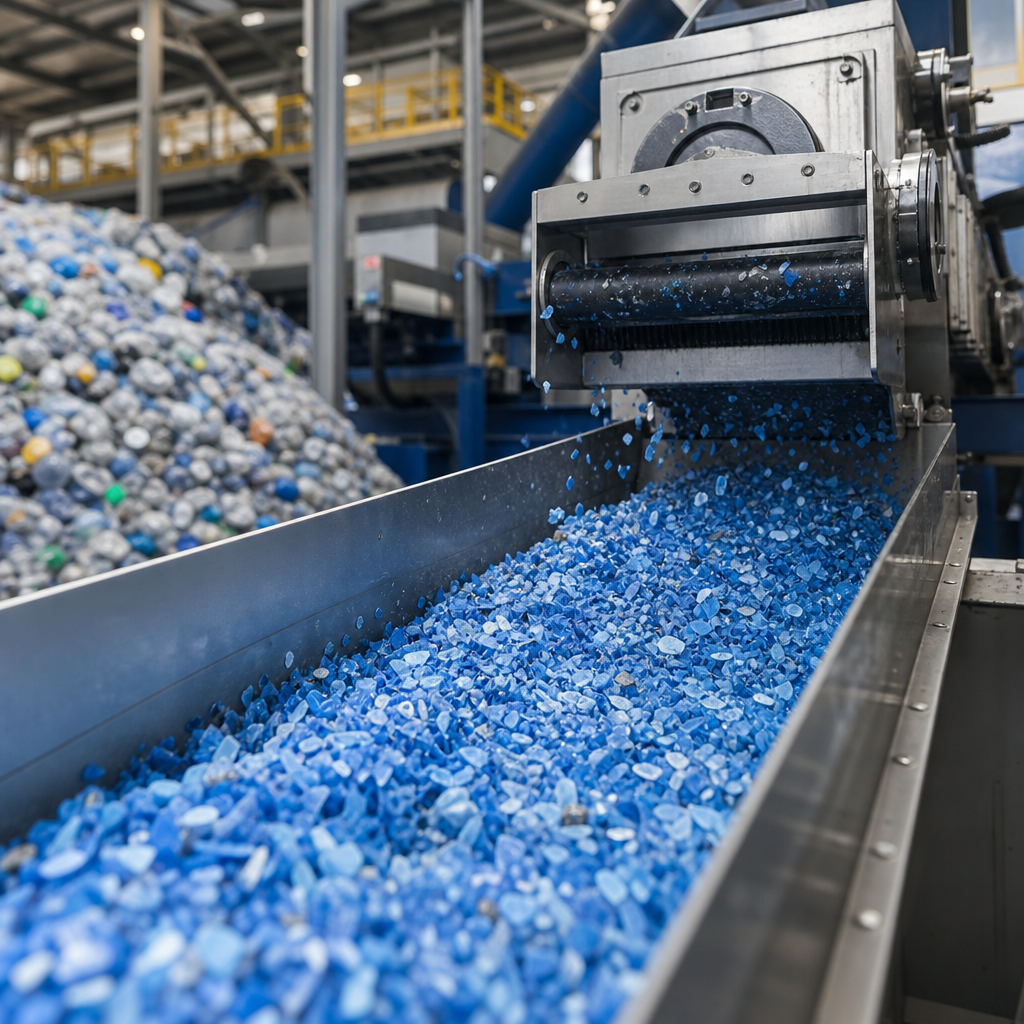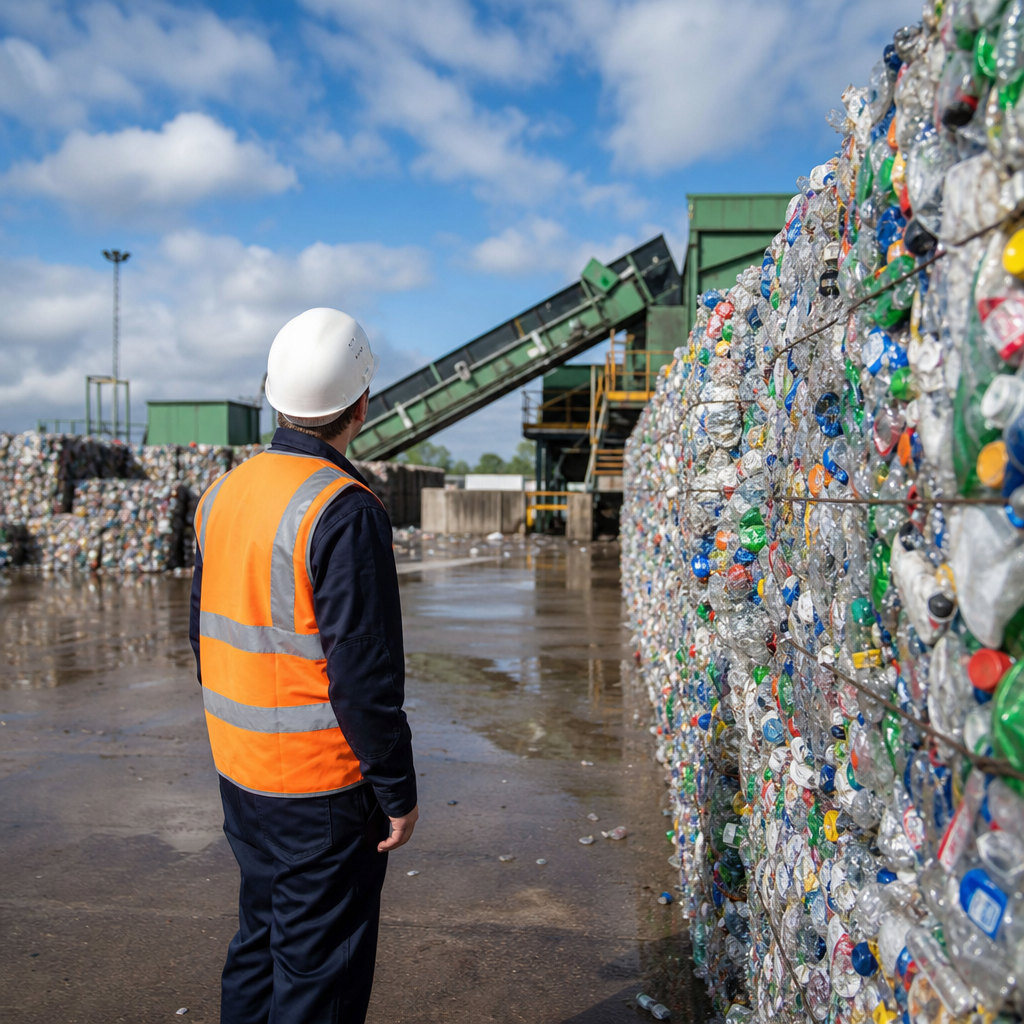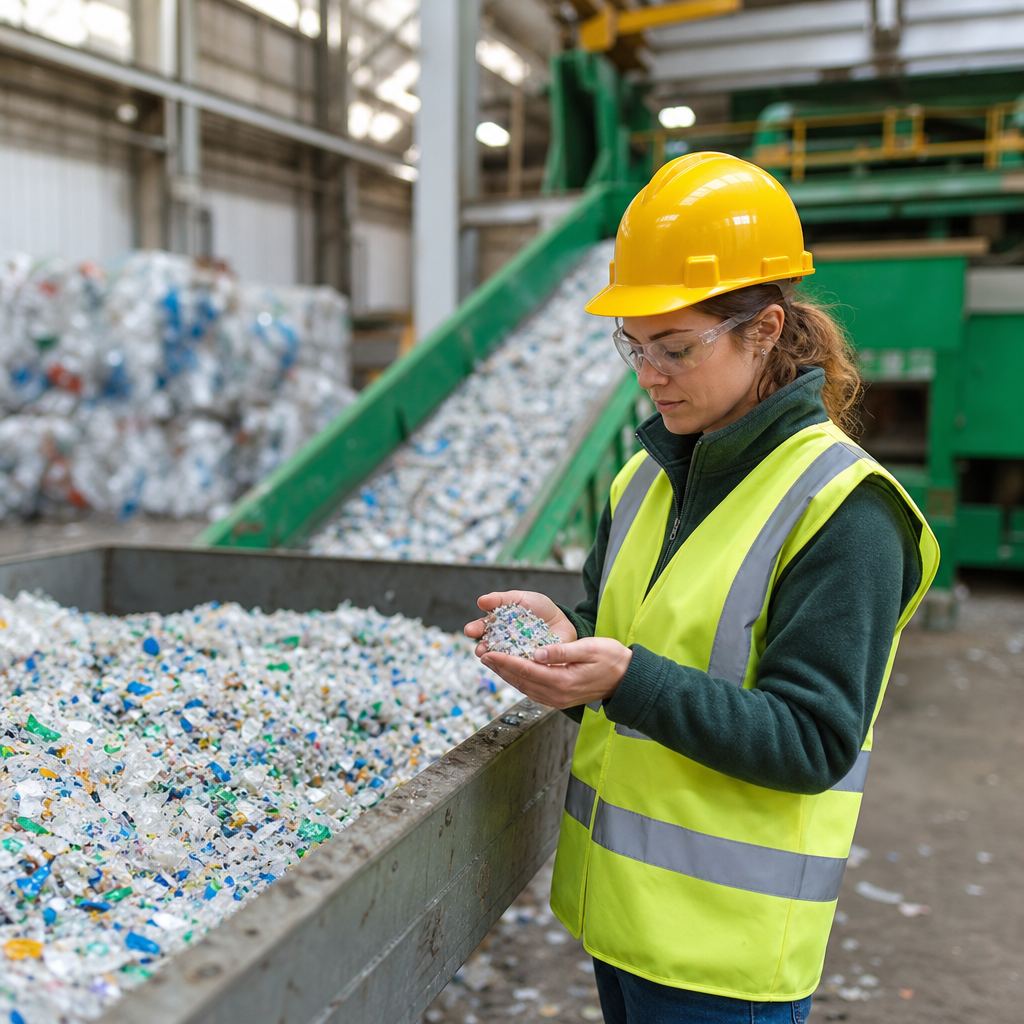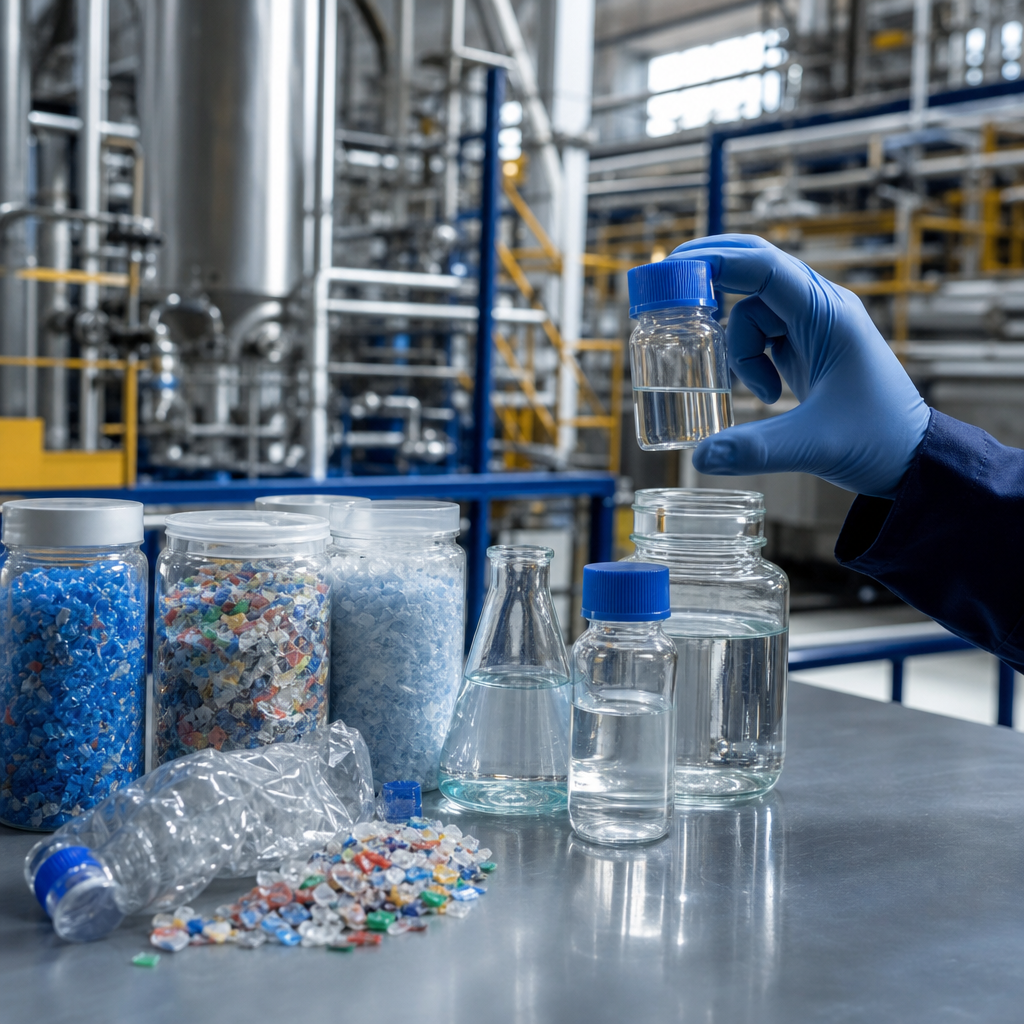
Chemical recycling is becoming a central strategy for managing polymer waste because it addresses a problem mechanical recycling cannot solve alone: mixed, contaminated, and degraded plastics that no longer meet quality requirements for conventional reprocessing. In practice, polymer waste includes packaging films, multilayer pouches, textiles, automotive parts, electronics housings, and industrial scrap, each with different resin chemistries, additives, and contamination profiles. Chemical recycling refers to processes that change polymers at the molecular level, either by breaking long chains into monomers, oligomers, or hydrocarbon fractions, or by converting them into feedstocks for new chemicals and fuels. For organizations tracking case studies in polymer recycling, this distinction matters. Mechanical recycling preserves polymer chains and usually works best with clean, sorted streams such as PET bottles or HDPE containers. Chemical recycling handles more complex waste streams and can produce outputs suitable for virgin-equivalent materials when process control, purification, and economics align.
I have worked with packaging and materials teams evaluating recycling pathways, and the pattern is consistent: the waste challenge is rarely just disposal volume. It is material complexity. Labels, pigments, barrier layers, flame retardants, food residue, and incompatible polymers reduce the value of post-consumer bales. That is why chemical recycling matters as part of a broader polymer waste management system. It expands the range of recoverable materials, supports circular design targets, and creates options for sectors that need high purity, including food-contact packaging, healthcare, and automotive applications. It also matters because regulators and brand owners are raising recycled content targets while landfill restrictions and incineration scrutiny are increasing. This hub article explains the role of chemical recycling in managing polymer waste, how major process types work, where they fit in real-world case studies, and what decision-makers should evaluate when comparing technologies within the wider field of case studies in polymer recycling.
What Chemical Recycling Means in Polymer Waste Management
Chemical recycling is an umbrella term covering several distinct technologies, and clarity starts with separating them by output. Depolymerization converts polymers back into monomers or close intermediates. PET can be processed by glycolysis, methanolysis, or hydrolysis to recover BHET, dimethyl terephthalate, terephthalic acid, and ethylene glycol depending on the route. Polyamides such as nylon 6 can be depolymerized to caprolactam. Polyurethane foams can undergo chemolysis to recover polyol fractions. Dissolution, sometimes grouped alongside chemical recycling, uses solvents to selectively dissolve target polymers and remove dyes, fillers, and additives without changing the polymer backbone. Conversion technologies such as pyrolysis or gasification break mixed polyolefins and other waste into oils, waxes, syngas, or naphtha-like feedstocks for petrochemical processing.
These routes are not interchangeable. A decision about chemical recycling begins with the polymer family, contamination level, collection system, and target market for the output. PET bottle waste with established deposit return systems often remains best suited for bottle-to-bottle mechanical recycling because the economics and carbon profile can be favorable. Flexible multilayer films made from polyethylene, polypropylene, tie layers, inks, and metallized barriers are far more difficult. In those cases, pyrolysis may provide a route to recover hydrocarbon value, though yield, chlorine management, and mass-balance accounting become critical. Textile waste creates another example. Polyester garments blended with cotton, elastane, dyes, and finishes are difficult to recycle mechanically at high value. Chemical methods can separate or depolymerize the polyester fraction and preserve more material value than disposal.
For a hub covering case studies in polymer recycling, the practical lesson is simple: the role of chemical recycling is not to replace every existing method. It is to complement reduction, reuse, design for recyclability, collection improvement, and mechanical recycling by addressing the waste streams that are currently stranded.
Major Technology Pathways and Where They Fit
The most common chemical recycling pathways can be mapped by feedstock and output quality. Depolymerization is strongest where polymers have known chemistry and where monomer recovery creates a clear route back into existing supply chains. PET and nylon are the leading examples because the chemistry is established and purification steps are well understood. Solvent-based purification fits applications where the polymer backbone remains usable but contamination prevents direct remelting. Pyrolysis fits mixed polyolefin streams such as post-consumer films, agricultural plastics, or hard-to-sort packaging fractions. Gasification has been evaluated for highly heterogeneous waste but often faces high capital intensity and difficult economics compared with alternatives.
| Pathway | Typical Feedstock | Main Output | Best Use Case |
|---|---|---|---|
| Depolymerization | PET, nylon, polyurethane | Monomers or intermediates | High-purity circular feedstock for new polymers |
| Dissolution | Polystyrene, PE, PP, multilayer plastics | Purified polymer resin | Removing additives, dyes, and contaminants |
| Pyrolysis | Mixed polyolefins, films, flexible packaging | Pyrolysis oil, gas, wax | Recovering value from hard-to-recycle mixed streams |
| Gasification | Mixed residual waste | Syngas | Chemical feedstock or energy in specialized systems |
In project reviews, I look first at feedstock discipline. Technology claims often sound strongest when discussed in abstract terms, but performance depends on stable input material. Pyrolysis units processing mostly polyethylene and polypropylene behave very differently from units exposed to PVC, PET, dirt, moisture, or brominated flame retardants. Small concentrations of halogens can increase corrosion, poison downstream catalysts, and require extensive gas cleaning. Similarly, solvent systems that work well on production scrap may struggle on post-consumer packaging with inks, adhesives, and unknown additive packages. That is why the best case studies in polymer recycling always document not only the reactor technology but also sorting, washing, pretreatment, and output qualification.
Case Studies in Polymer Recycling: Packaging, Textiles, and Industrial Waste
Packaging is the most visible arena for chemical recycling because flexible films and multilayer structures are abundant and difficult to process mechanically. Several brand-owner partnerships in Europe and North America have tested pyrolysis oils derived from mixed polyolefin packaging and then upgraded through steam crackers into certified circular polyethylene or polypropylene under mass-balance systems. These projects show both the promise and the caution. The promise is that food-grade or high-specification applications may be supplied with recycled-attributed content when direct mechanical pathways are not feasible. The caution is that supply chains become complex, requiring chain-of-custody verification, strict contaminant controls, and clear accounting for how much waste actually becomes polymer rather than fuel or process loss.
Textiles provide another important set of case studies in polymer recycling. Polyester dominates global fiber demand, and blended fabrics complicate recovery. Depolymerization processes targeting polyester can recover feedstocks suitable for remanufacturing, especially when sorting systems identify high-polyester fractions. Some emerging projects combine automated sorting with chemical processing to separate polyester from cellulosic fibers, a critical step for garments that cannot be mechanically recycled into quality yarn. In my experience, the success factor is not only chemistry. It is feedstock logistics: take-back programs, digital product passports, and partnerships with sorters determine whether a pilot can scale.
Industrial waste often delivers the most reliable early wins. Manufacturing scrap from film production, automotive molding, or electronics assembly is more homogeneous than household waste and usually has known composition. Chemical recycling plants frequently begin with post-industrial streams because they reduce variability while validating the process. Polyurethane mattress recycling, nylon carpet recovery, and solvent purification of polystyrene from industrial scrap are practical examples. These cases matter for polymer waste management because they create commercial proof points, but they should not be mistaken for universal evidence that all post-consumer streams are ready for scale. The gap between clean industrial scrap and mixed municipal waste remains significant.
Benefits, Constraints, and Environmental Tradeoffs
The main benefit of chemical recycling is feedstock flexibility. It can recover value from polymer waste streams that would otherwise be landfilled or incinerated, and in some cases it can deliver outputs suitable for high-performance applications where recycled content requirements are difficult to meet. Depolymerization can remove legacy additives and contaminants through purification steps, enabling near-virgin quality. For sectors under pressure to increase circularity without compromising safety or performance, this is a genuine advantage. Chemical recycling also supports design innovation by creating an end-of-life route for materials that remain challenging today, though that should not excuse avoidable complexity in packaging design.
The constraints are equally real. Chemical recycling is usually more energy-intensive than mechanical recycling and often more capital-intensive. Life-cycle outcomes depend heavily on electricity mix, yield, solvent recovery efficiency, pretreatment burden, and how co-products are handled. A well-run closed-loop depolymerization process for PET can compare favorably with virgin production, but poorly controlled conversion of mixed waste may offer only modest environmental benefit if yields are low and a large share of output is burned. This is why comparative assessment must use full life-cycle analysis aligned with recognized methods such as ISO 14040 and ISO 14044, rather than headline claims alone. Mass balance accounting also requires careful interpretation. It can support chain-of-custody in integrated petrochemical systems, but it does not mean every molecule in a final package came directly from recycled waste.
Another tradeoff involves scale and infrastructure. Chemical recycling cannot function without collection and sorting. If municipalities and material recovery facilities do not produce usable feedstock, plant utilization falls and economics weaken. The best systems pair advanced recycling capacity with better front-end sorting, near-infrared identification, wash lines, contaminant monitoring, and procurement standards for bales. In other words, chemical recycling succeeds as infrastructure, not as a standalone machine.
How to Evaluate Chemical Recycling Projects and Future Directions
Decision-makers comparing case studies in polymer recycling should use a practical screening framework. Start with feedstock fit: what polymers, additives, moisture levels, and contaminants can the process tolerate? Then test yield and destination: what percentage becomes polymer feedstock, what becomes fuel, and what is lost as char, gas, or residue? Review product acceptance next. Has the output been qualified by polymer producers, compounders, or brand owners for real applications? Then verify environmental performance through transparent life-cycle data, not marketing summaries. Finally, assess economics and policy exposure. Gate fees, offtake contracts, recycled content mandates, extended producer responsibility systems, and carbon pricing can materially change project viability.
Looking ahead, the most credible future for chemical recycling is targeted, not universal. Expect stronger adoption in polyester textiles, nylon applications, polyurethane recovery, and mixed polyolefin packaging where mechanical routes remain limited. Expect more integration with digital sorting, tracer technologies, and design guidelines that reduce problematic additives. Expect regulators to demand clearer accounting rules, especially around mass balance, food-contact approvals, and definitions of recycled content. And expect investors to scrutinize whether facilities can run consistently at scale with real waste, not curated pilot feedstock.
The role of chemical recycling in managing polymer waste is therefore substantial but specific. It expands the toolbox for hard-to-recycle materials, enables circular feedstocks for demanding applications, and strengthens the broader portfolio of case studies in polymer recycling. Its value is highest when paired with material reduction, reusable systems, better product design, and strong collection infrastructure. If you are building a recycling strategy, use this hub as the starting point: compare technologies by feedstock, output, and evidence from real projects, then map each polymer waste stream to the pathway that preserves the most value with the least environmental burden.
Frequently Asked Questions
1. What is chemical recycling, and why is it important for managing polymer waste?
Chemical recycling refers to a group of processes that break plastic materials down into smaller molecules, feedstocks, or basic chemical building blocks that can be used to make new materials. It is especially important because a large share of polymer waste is not suitable for conventional mechanical recycling. Many waste streams contain mixed resins, multilayer structures, dyes, fillers, additives, food residue, adhesives, or thermal degradation that make it difficult to sort, melt, and remold the material into high-quality products. When plastics have already lost performance through repeated use or processing, mechanical methods alone often cannot restore them to the specifications required for demanding applications.
That is where chemical recycling plays a valuable role. Instead of relying only on physical reprocessing, it aims to convert complex plastic waste into usable raw materials through technologies such as depolymerization, solvolysis, pyrolysis, and gasification. This makes it a strong option for handling packaging films, multilayer pouches, textiles, automotive components, electronics housings, and industrial scrap that would otherwise be difficult to recycle effectively. In a broader waste management strategy, chemical recycling helps expand the range of plastics that can stay in the economy longer, reduces dependence on disposal routes for hard-to-recycle materials, and supports a more circular system for polymers.
2. How is chemical recycling different from mechanical recycling?
Mechanical recycling and chemical recycling serve related but distinct purposes. Mechanical recycling typically involves sorting, washing, shredding, melting, and reprocessing plastic into pellets or new products. It works best when the waste stream is relatively clean, well sorted, and made of compatible polymers. Examples include certain bottles, rigid containers, and other single-resin items that can be collected with limited contamination. Mechanical recycling is often efficient and can be a strong first option when material quality is preserved.
Chemical recycling becomes more relevant when the waste is too mixed, contaminated, or degraded for mechanical methods to deliver consistent performance. For example, multilayer packaging may combine several polymers and barrier layers in a single structure, while post-consumer films may include inks, food residues, and adhesives. Textiles may blend polyester with other fibers, and durable goods such as automotive or electronic components often contain flame retardants, fillers, and complex additives. In these cases, mechanical recycling may produce low-quality output or may not be technically feasible at all. Chemical recycling offers an alternative by transforming the plastic at the molecular level, which can enable recovery of feedstocks for new polymer production or other chemical uses. In practice, the two approaches should not be viewed as competitors in every case. They are complementary tools, with mechanical recycling often preferred for clean, recyclable streams and chemical recycling used to address the more challenging fraction of polymer waste.
3. What types of polymer waste are best suited for chemical recycling?
Chemical recycling is particularly well suited to polymer waste streams that are difficult to process through traditional remelting and re-extrusion. This includes mixed plastic waste, heavily contaminated plastics, multilayer flexible packaging, degraded polymers, synthetic textiles, industrial residues, and certain components from automotive and electronics sectors. These materials often contain combinations of resin types, additives, coatings, reinforcements, or contaminants that reduce the quality and economic value of mechanical recycling output.
For example, packaging films and multilayer pouches are common candidates because they are lightweight, highly engineered, and often made from several bonded materials that are hard to separate. Polyester-based textiles can also be good candidates for depolymerization routes that recover monomers for new fiber or resin production. Industrial scrap may contain off-spec materials or complex formulations that benefit from chemical conversion. Similarly, post-use automotive plastics and electronics housings may include engineering polymers and additives that complicate direct remanufacture. The best fit depends on the chemistry of the polymer and the technology being used. Some processes are designed to recover monomers from condensation polymers such as PET or polyamides, while others target polyolefin-rich streams for conversion into hydrocarbon feedstocks. The key point is that chemical recycling is most valuable where conventional recycling systems struggle to maintain material quality or process efficiency.
4. What are the main technologies used in chemical recycling?
Chemical recycling is not a single process but a family of technologies, each suited to different polymers and waste conditions. One major category is depolymerization, which breaks polymers back into monomers or intermediate chemicals. This is especially relevant for materials like PET, polyamides, and certain polyurethanes, where the chemistry allows relatively targeted recovery. Solvolysis methods, including glycolysis, methanolysis, and hydrolysis, use chemical agents to help disassemble the polymer structure into reusable building blocks.
Another important category is thermal conversion. Pyrolysis heats plastic waste in the absence of oxygen to produce oils, waxes, and gases that can be upgraded into petrochemical feedstocks or fuels, depending on the system design and downstream use. Gasification uses higher temperatures and controlled amounts of oxygen or steam to convert carbon-based waste into synthesis gas, which can then be used to make chemicals or energy products. The suitability of each method depends on factors such as polymer type, contamination level, additive content, and desired output. In real-world operations, preprocessing is also critical. Waste often needs sorting, size reduction, drying, and contaminant control before entering a reactor. The most effective chemical recycling systems are tightly linked to feedstock preparation, process control, product purification, and end-market integration. That is why successful deployment depends not only on chemistry but also on logistics, infrastructure, economics, and regulatory clarity.
5. Can chemical recycling solve the plastic waste problem on its own?
No, chemical recycling should not be viewed as a standalone solution, but it can be an important part of a broader polymer waste strategy. Plastic waste is a systems issue involving product design, material selection, collection, sorting, contamination control, reuse models, recycling infrastructure, and end-market demand. No single technology can address every material stream efficiently or sustainably. Mechanical recycling remains highly valuable for clean and well-sorted plastics, while reduction, reuse, and design-for-recyclability efforts are essential for preventing waste from becoming unmanageable in the first place.
Chemical recycling adds value by addressing the fraction of polymer waste that falls outside the practical limits of mechanical reprocessing. It can help divert difficult materials from disposal, recover chemical value from mixed or degraded plastics, and support circularity for applications where virgin-like feedstocks are needed. However, its performance depends on responsible implementation. That includes selecting appropriate feedstocks, managing contaminants, ensuring credible environmental accounting, and building facilities that are integrated into real supply chains. The strongest approach is a layered one: design products for recyclability, collect and sort materials effectively, prioritize reuse where possible, apply mechanical recycling to suitable streams, and use chemical recycling for the harder residual fraction. When positioned this way, chemical recycling is not a silver bullet, but it is a meaningful and increasingly central tool in modern polymer waste management.