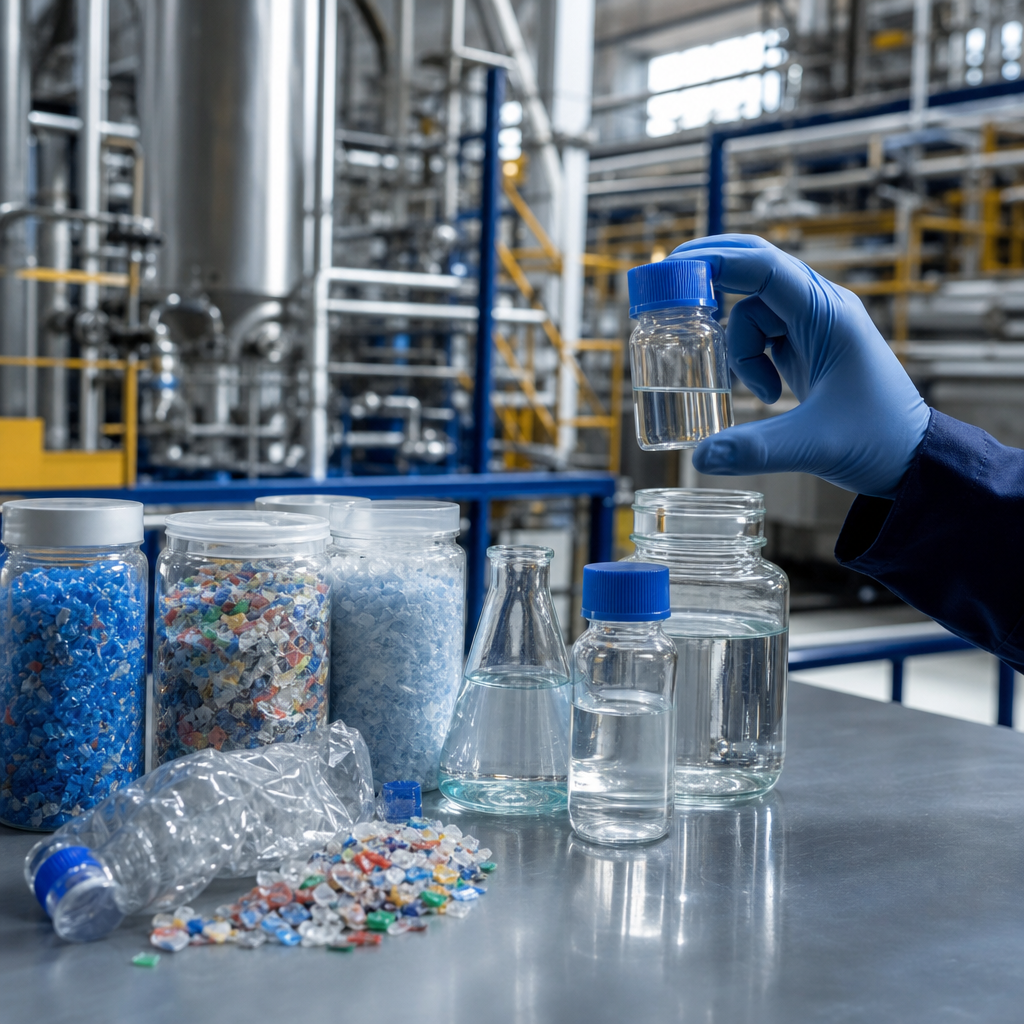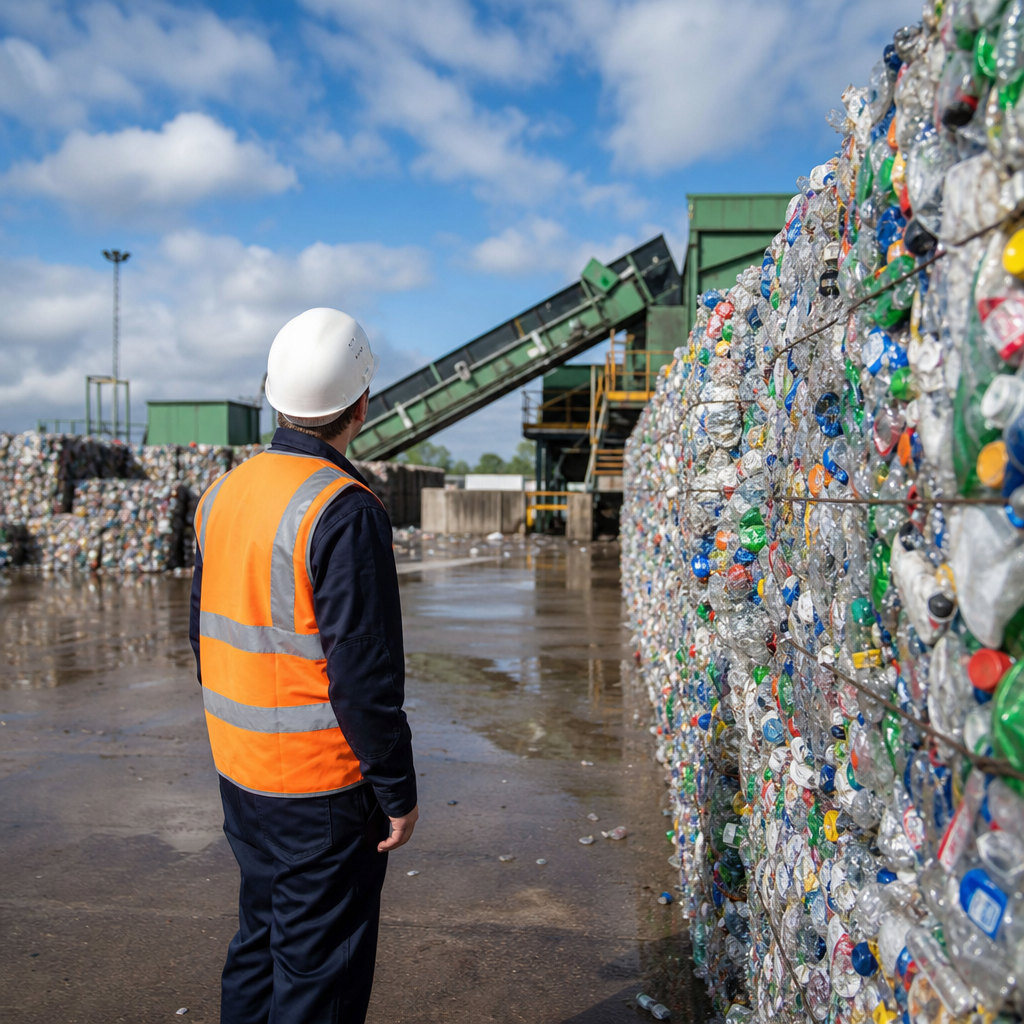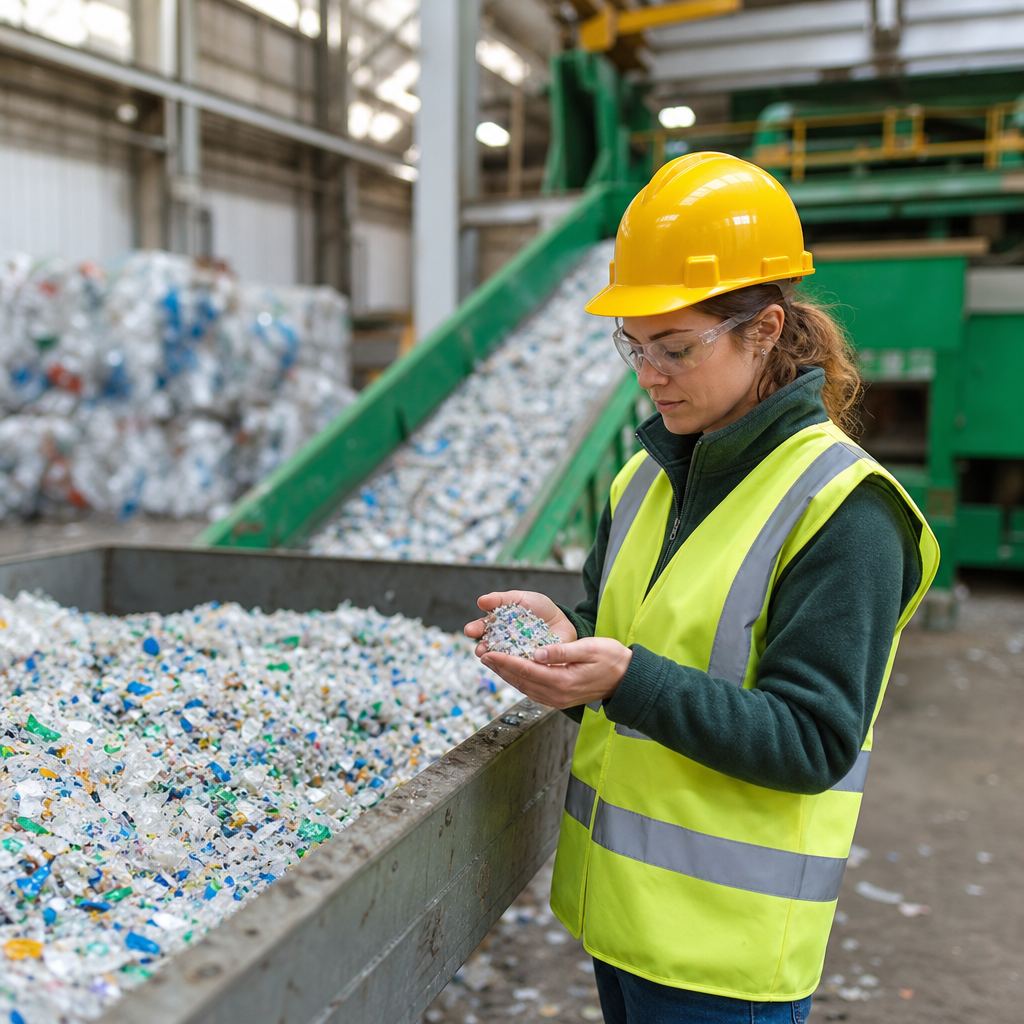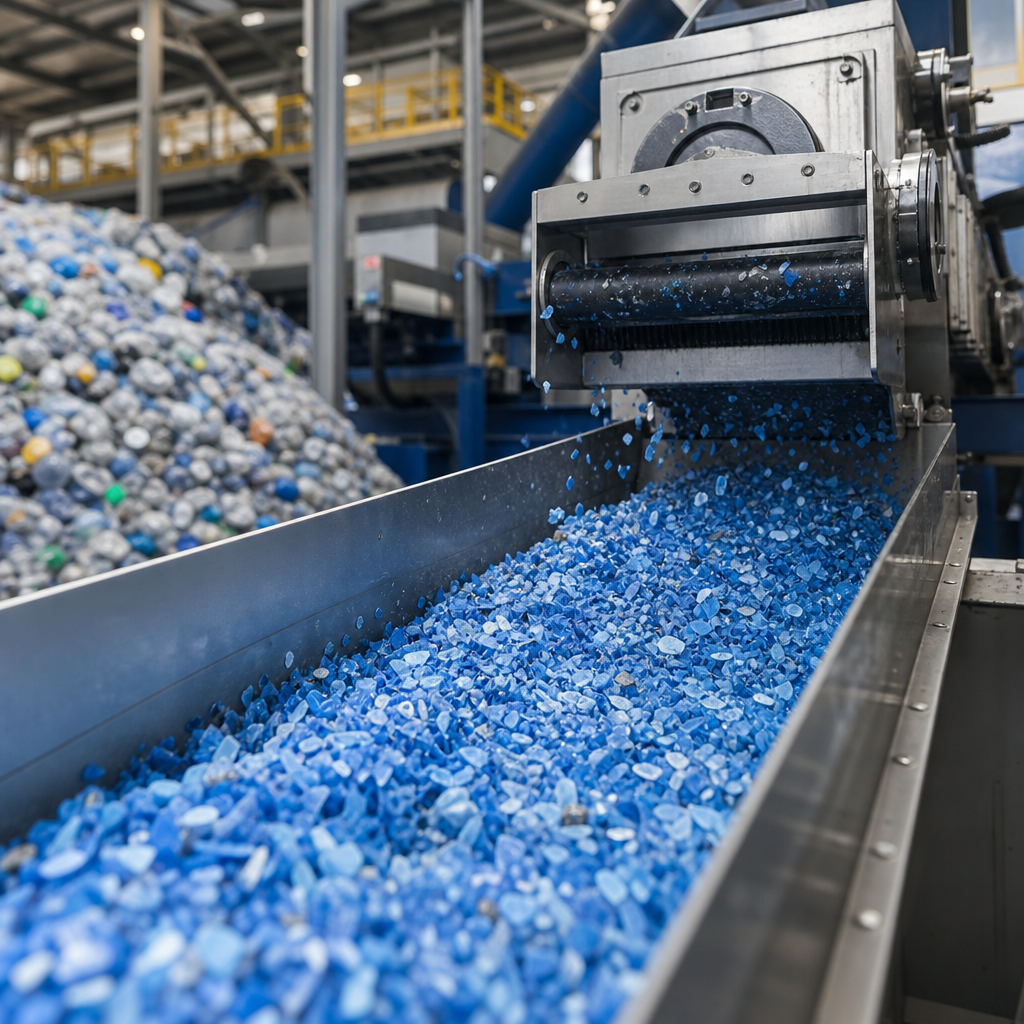
Innovations in mechanical recycling for polymers are reshaping how manufacturers recover value from plastic waste, reduce resin costs, and meet stricter circularity targets. Mechanical recycling refers to the physical reprocessing of discarded polymers into usable material through collection, sorting, washing, shredding, melting, filtration, and pelletizing, without fundamentally changing the polymer’s chemical structure. In practice, that simple definition hides a complex industrial system involving material science, process engineering, product design, and end-market qualification. I have worked with recycling lines, converters, and brand teams long enough to see one pattern clearly: success depends less on one breakthrough machine than on dozens of coordinated improvements across the full chain. This matters because polymers remain essential in packaging, automotive parts, construction, healthcare, electronics, and consumer goods, yet virgin resin production carries high carbon intensity and exposes buyers to volatile feedstock pricing. Mechanical recycling offers the fastest near-term route to keeping common polymers such as PET, HDPE, LDPE, PP, and PS in circulation. As a hub for case studies in polymer recycling, this article explains the most important innovations, where they work, where they struggle, and how real applications are moving from pilot scale to dependable commercial practice.
The most useful way to understand modern polymer recycling is to follow the decisions that determine output quality. Feedstock quality sets the ceiling. Sorting technology determines purity. Washing and decontamination influence odor, color, and food-contact potential. Extrusion and melt filtration control gels, black specks, and contaminant carryover. Compounding, additives, and digital traceability help recyclers tailor recycled content for demanding applications. Across Europe, North America, and parts of Asia, these innovations are being deployed in plants handling post-consumer packaging, agricultural films, automotive bumpers, industrial scrap, and multilayer structures. Case studies matter because they show what actually works under commercial constraints, not just what performs well in a lab. They also reveal the tradeoffs: a process that maximizes yield may reduce color quality, while a line optimized for food-grade PET may reject more material and require tighter bale specifications. For companies building a polymer recycling strategy, the lesson is direct. Mechanical recycling is no longer a commodity back-end operation. It is a precision manufacturing discipline that rewards design for recyclability, disciplined process control, and application-specific qualification.
Advanced sorting is raising polymer purity at scale
Mechanical recycling begins with separation, and recent progress in sorting is one of the biggest reasons recycled polymers now reach higher-value markets. Traditional manual picking and basic near-infrared systems could identify broad resin families, but they often missed dark items, mislabeled formats, and food-grade versus nonfood-grade distinctions. Newer sorting lines combine near-infrared, visible spectrum cameras, object recognition, ballistic separation, and increasingly artificial intelligence-driven classification to improve both polymer purity and throughput. TOMRA, Pellenc ST, and Bühler are among the established suppliers whose systems are now used to distinguish PET trays from PET bottles, separate natural HDPE from colored HDPE, and identify polypropylene packaging with greater consistency.
A practical case study comes from bottle recycling. Plants targeting bottle-to-bottle PET depend on exceptionally low PVC contamination because even small amounts can degrade PET during extrusion. Modern flake sorting after washing, using color cameras and polymer detection, removes residual PVC, polyolefins, metals, and off-color flakes that earlier systems would miss. Recyclers report that this secondary sorting stage can be the difference between sheet-grade output and food-contact compliant pellet. In polyolefin streams, digital watermarking and tracer technologies are being tested to improve package recognition in material recovery facilities, especially for flexible films and food-grade PP tubs. The innovation is not just the sensor. It is the closed-loop data model linking bale composition, line settings, reject rates, and final pellet claims. That data allows recyclers to tune the plant for actual feedstock variability instead of nominal specifications.
Washing and decontamination are turning waste into consistent feedstock
Many recycling failures that appear to be extrusion problems are actually washing problems. Labels, adhesives, food residues, dirt, oils, paper fibers, and cleaning chemicals all affect odor, discoloration, filter pressure, and pellet stability. Innovative washing systems now use staged hot washing, friction washing, sink-float separation, density control, and more precise water treatment to produce cleaner flakes with less polymer loss. Suppliers such as Herbold Meckesheim, EREMA, and Coperion support lines designed around specific waste profiles rather than generic wash recipes.
Consider post-consumer flexible packaging, one of the hardest mechanical recycling streams. Film bales typically contain multilayer structures, organics, sand, labels, and moisture. Older wash lines often produced material suitable only for low-grade film applications because contamination and odor remained too high. New systems combine prewashing, wet granulation, intensive friction cleaning, hydrocyclones, and thermal drying to reduce ash content and volatile contaminants before extrusion. In one common commercial model, the recycler does not try to make every incoming film equivalent. Instead, it grades feedstock into narrower families such as mostly polyethylene stretch film, mixed household PE film, or PP raffia, then adjusts wash severity and downstream compounding accordingly. That change in process philosophy has significantly improved output consistency. For rigid HDPE containers, caustic hot washing and float-sink separation remain critical, especially where labels and closures use different polymers. Better washing means less yellowness, lower odor, and improved mechanical properties in the finished recyclate.
Extrusion, filtration, and deodorization are improving pellet quality
Once material is clean enough to melt, the recycling extruder becomes the center of quality control. Over the past decade, innovations in degassing, melt filtration, laser screen changers, and odor removal have expanded where recycled polymers can be used. EREMA’s VACUNITE and INTAREMA concepts, NGR’s S:GRAN process, and Gneuss rotary filtration systems are examples of established technologies that address moisture, volatile residues, and fine contamination without excessive residence time. These details matter because polymers degrade if they are exposed to heat and shear for too long, especially PET and polypropylene.
A useful case study is recycled polypropylene from post-consumer packaging. PP is attractive because of its wide use in tubs, caps, automotive parts, and household goods, but odor and variable melt flow have historically limited uptake in visible or indoor applications. Advanced venting zones, vacuum systems, and melt treatment now remove a meaningful portion of volatile organic compounds, while fine filtration captures paper, aluminum foil particles, silicone, and char. Some recyclers also use reactive additives or controlled chain scission to tune melt flow for injection molding. The result is not virgin-equivalent PP in every respect, but a much more predictable recyclate that can be specified for paint pails, battery cases, logistics packaging, and selected appliance components. For PET, solid-state polycondensation remains important when intrinsic viscosity must be restored for bottle or sheet applications. Mechanical recycling succeeds when extrusion is treated as a chemistry-sensitive process, not merely a melting step.
Compounding and additive packages are extending application range
High-value polymer recycling increasingly depends on compounding. Rather than selling a generic recycled resin, advanced recyclers formulate grades for targeted end uses with stabilizers, compatibilizers, impact modifiers, nucleating agents, color management, and mineral fillers. This is especially important for mixed polyolefin streams and engineering plastics recovered from durable goods. In my experience, converters are far more willing to adopt recycled content when the supplier delivers a repeatable compound with a technical data sheet, processing window, and performance envelope matched to the application.
Automotive recycling demonstrates this well. End-of-life bumpers made mainly from PP, EPDM-modified PP, and painted multilayer parts are difficult feedstock, yet several recyclers and compounders now convert them into interior trim, wheel liners, underbody shields, and battery support components. They do this by combining sorting, paint-tolerant washing, controlled grinding, and compounding with odor absorbers and stabilizer packages. For engineering polymers, WEEE streams can yield ABS, HIPS, and PC/ABS compounds suitable for electronics housings and industrial components once brominated flame retardant management and compliance screening are handled correctly. The key innovation is not one magic additive. It is the disciplined integration of analytical testing, rheology control, and application development. Recycled polymers perform best when formulated for a specific duty cycle, not marketed as universal substitutes.
Case studies show where mechanical recycling delivers the strongest results
Not every polymer stream is equally recyclable, and the most credible case studies identify both winning conditions and limits. PET beverage bottles remain the benchmark because collection is established, bottle geometry is recognizable, and food-grade recycling pathways are mature. HDPE milk and detergent bottles also perform well where natural and colored streams are separated early. Polypropylene packaging is improving rapidly, especially in countries investing in optical sorting and rigid packaging capture. Flexible polyethylene films are progressing, but performance still depends heavily on stream purity and the share of incompatible laminates.
| Polymer stream | Typical innovation | Common end use | Main limitation |
|---|---|---|---|
| PET bottles | Flake sorting plus solid-state polycondensation | Bottle, sheet, fiber | PVC and colored bottle contamination |
| Natural HDPE bottles | Hot wash and density separation | Bottle, pipe, crate | Label adhesive and odor carryover |
| PP rigid packaging | Advanced deodorization and melt-flow control | Pails, caps, appliance parts | Residual odor and variable stiffness |
| PE films | Intensive washing and fine melt filtration | Trash bags, film, profiles | Multilayer contamination |
These examples explain why case studies are essential for decision-makers. A brand owner considering recycled content in a detergent bottle should look for proven HDPE bottle-to-bottle or bottle-to-nonfood packaging programs, not broad claims about circular plastics. A converter making thermoformed PP trays needs evidence on odor, warpage, migration, and sealing performance. Mechanical recycling works best when feedstock, process, and end use are matched with discipline.
Design for recyclability and traceability are becoming commercial requirements
Many of the newest mechanical recycling innovations begin upstream, at product design. Recyclers consistently get better results when packages avoid carbon black, use wash-off labels, minimize incompatible layers, and simplify closure and adhesive systems. The Association of Plastic Recyclers and RecyClass have both published design guidance that now influences packaging approvals, procurement standards, and brand specifications. In practical terms, that means a pouch, tray, or bottle designed with recycling in mind can materially improve yield and resin value years after launch.
Traceability is advancing in parallel. Recyclers increasingly use digital batch records, contamination dashboards, melt-flow tracking, color measurements, and mass-balance reporting to support customer claims. This matters in case studies because buyers want proof that a recycled polymer grade can be sourced reliably, not just produced once in a successful trial. For example, an appliance manufacturer qualifying recycled HIPS for an internal panel may require data on bromine screening, Izod impact, Vicat softening temperature, volatile emissions, and lot-to-lot consistency. The recycler that can provide documented process control has a commercial advantage. Mechanical recycling is becoming auditable manufacturing, and that shift is helping recycled polymers move into applications where quality assurance used to favor virgin material by default.
Mechanical recycling for polymers has entered a far more capable stage, and the strongest case studies prove that progress comes from system-level innovation. Better sorting lifts purity. Better washing reduces odor and contamination. Better extrusion, filtration, and deodorization create more stable pellets. Better compounding converts variable waste streams into application-ready grades. Better product design and traceability improve both yield and buyer confidence. Together, these changes are expanding the practical use of recycled PET, HDPE, PP, PE films, and selected engineering plastics across packaging, automotive, electronics, and construction.
The central takeaway for anyone evaluating case studies in polymer recycling is simple: performance is specific. Ask what polymer was recovered, what contamination profile was present, what process controls were used, and what end-use tests were passed. Avoid generic claims and look for evidence tied to actual commercial conditions. Mechanical recycling is not a cure-all for every plastic format, especially highly mixed or multilayer waste, but it is the most established route for keeping large volumes of polymers in productive use today. If you are building a recycling roadmap, start with the streams that already show repeatable success, then use those case studies to guide design, procurement, and investment decisions across your portfolio today.
Frequently Asked Questions
What is mechanical recycling for polymers, and how is it different from chemical recycling?
Mechanical recycling for polymers is the process of physically recovering plastic waste and converting it back into usable raw material without breaking the polymer down into its molecular building blocks. In a typical mechanical recycling line, discarded plastics are collected, sorted by resin type and color, washed to remove labels, food residue, adhesives, and dirt, then shredded, melted, filtered, and pelletized for reuse in new products. The key point is that the polymer’s chemical structure remains largely intact throughout the process. This makes mechanical recycling a practical, energy-efficient option for many common plastics, especially when the incoming waste stream is relatively clean and well-sorted.
By contrast, chemical recycling uses processes such as depolymerization, pyrolysis, or solvent-based purification to convert plastics into monomers, fuels, or feedstocks. Those methods can be useful for difficult-to-recycle materials, mixed streams, or contaminated plastics, but they are generally more complex, more capital intensive, and often more energy demanding than mechanical systems. Mechanical recycling is usually the first and most established route for preserving material value because it can keep polymers in circulation with fewer processing steps. For manufacturers focused on reducing virgin resin use, improving circularity, and lowering material costs, mechanical recycling often represents the most immediate and scalable opportunity.
What recent innovations are improving mechanical recycling performance for polymers?
Recent innovations are making mechanical recycling far more precise, efficient, and commercially attractive than earlier generations of equipment and processes. One major area of progress is advanced sorting technology. Near-infrared sensors, artificial intelligence-driven optical sorting, robotics, hyperspectral imaging, and automated quality control systems are helping facilities separate polymers more accurately by resin family, color, density, and even food-grade versus non-food-grade applications. Better sorting directly improves recycled resin consistency, which is one of the most important factors for downstream manufacturing performance.
Another important area is contamination management. Improved washing systems, friction washers, hot wash stages, and de-labeling technologies are helping recyclers remove inks, adhesives, oils, paper fibers, and organic residue more effectively. Melt filtration has also advanced significantly, with finer filtration, continuous screen changers, and degassing systems that reduce gels, black specks, and volatile contamination. Equipment makers have also improved extrusion controls, pelletizing systems, and odor reduction processes, which make recycled polymers more suitable for higher-value applications.
Material stabilization is another notable innovation. Repeated processing can degrade polymers through heat and shear, so recyclers increasingly use compatibilizers, chain extenders, impact modifiers, and tailored additive packages to restore mechanical properties or improve the performance of blends. This is especially valuable for polyolefins and engineering plastics, where maintaining toughness, melt flow behavior, and processing stability matters. In addition, digital traceability, inline monitoring, and data analytics now allow recyclers to monitor feedstock variability and process conditions in real time, improving lot-to-lot consistency. Taken together, these innovations are helping mechanical recycling move beyond low-value applications and into more demanding manufacturing environments.
Why is feedstock quality so important in mechanical polymer recycling?
Feedstock quality is one of the biggest determinants of both economic success and technical performance in mechanical recycling. Because the process does not fundamentally rebuild the polymer, the quality of the output is heavily influenced by the quality of the input. If a recycler receives a stream that is mixed, contaminated, degraded, or poorly sorted, the resulting recycled resin is more likely to have inconsistent melt flow, reduced strength, color variation, odor issues, or processing defects. Even small amounts of incompatible polymers can create major problems. For example, traces of PVC in a PET stream can cause severe degradation during melt processing, while mixed polyolefins can affect stiffness, impact resistance, and sealing behavior.
Clean, well-characterized feedstock allows recyclers to run tighter process controls and produce recycled pellets that manufacturers can trust. That matters because converters and brand owners increasingly need predictable material specifications for extrusion, injection molding, thermoforming, blow molding, and film production. Innovations in collection system design, source separation, digital waste tracking, and pre-processing all help improve feedstock quality before material even reaches the recycling plant. In practical terms, better feedstock means higher yields, lower reject rates, fewer machine stoppages, reduced filtration burden, and more consistent finished pellets. It also broadens the range of applications where recycled polymers can compete with virgin resin, which is essential for scaling circular manufacturing.
What challenges still limit mechanical recycling, even with new technology?
Despite major advances, mechanical recycling still faces several structural and technical challenges. One of the most persistent is the complexity of plastic waste itself. Many products are designed for performance, shelf life, branding, or cost rather than recyclability. That means recyclers must deal with multi-layer packaging, dark colors, labels, adhesives, fillers, additives, barrier coatings, and mixed-material assemblies that are difficult to identify and separate. Even sophisticated sorting systems have limits when products are made from incompatible combinations or when the packaging format was never intended to be mechanically recycled at scale.
Another challenge is polymer degradation over multiple processing cycles. Heat, oxygen exposure, moisture, and shear can reduce molecular weight and alter material properties, especially in more sensitive polymers. While additives and processing optimization can help, they do not eliminate every quality concern. Market economics also remain a challenge. Recycled resin pricing can be volatile, and recyclers must compete with virgin materials that may benefit from scale, existing infrastructure, and fluctuations in oil and gas markets. In addition, regulatory requirements, food-contact standards, and customer specifications can create high barriers for certain end uses.
Infrastructure consistency is another issue. Collection systems vary widely by region, bale specifications are not always standardized, and contamination levels can differ dramatically from one source stream to another. As a result, even well-equipped facilities may struggle with variable input quality. The industry is responding through design-for-recycling standards, stronger supplier agreements, more robust testing, and better collaboration between converters, brands, recyclers, and equipment manufacturers. Still, the success of mechanical recycling depends not only on better machinery, but also on smarter product design and more coordinated supply chains.
How are innovations in mechanical recycling helping manufacturers meet cost and sustainability goals?
Innovations in mechanical recycling are helping manufacturers on two fronts at the same time: economics and sustainability. From a cost perspective, access to reliable recycled polymer streams can reduce dependence on virgin resin and create more flexibility in sourcing strategies. When recycled pellets are consistent in quality and available at scale, manufacturers can incorporate them into products without sacrificing throughput or performance. Better sorting, washing, filtration, and additive technologies make that possible by reducing variability and improving the usability of recycled content in demanding applications. In some cases, process improvements also reduce scrap rates and machine downtime during conversion, which creates additional operational savings.
From a sustainability standpoint, mechanical recycling supports circularity by keeping existing polymer molecules in productive use for longer. This can reduce landfill disposal, lower demand for virgin fossil-based feedstocks, and decrease the overall environmental footprint associated with plastic production. Many manufacturers are also facing stricter recycled content mandates, extended producer responsibility requirements, and customer expectations around measurable sustainability performance. Mechanical recycling gives them a practical pathway to respond, especially when they pair material recovery with design-for-recyclability initiatives and clear procurement standards.
Perhaps most importantly, the latest innovations are making recycled polymers more credible as engineered materials rather than secondary substitutes. Manufacturers increasingly view high-quality recycled resin as a strategic raw material that can support product claims, regulatory compliance, and long-term resilience in supply chains. As equipment, analytics, and formulation science continue to improve, mechanical recycling is becoming a more dependable tool for balancing profitability with environmental responsibility.