Recycled polymers are now central to new product development because manufacturers need materials that lower carbon impact, reduce waste, and still meet performance requirements. In practice, recycled polymers are plastics recovered from post-consumer or post-industrial streams, then sorted, cleaned, reprocessed, and formulated for use in new components, packaging, textiles, construction products, automotive parts, and consumer goods. New product development is the structured process of turning a market need into a manufacturable product, and when recycled polymers are involved, material selection, processing behavior, compliance, and supply consistency become design-critical variables from the first concept review onward.
I have worked with teams qualifying recycled polypropylene, polyethylene terephthalate, acrylonitrile butadiene styrene, and nylon for commercial products, and the lesson is consistent: success depends less on the idea of using recycled content and more on matching the right recycling pathway to the right application. Mechanical recycling preserves polymer value when contamination is controlled. Chemical recycling can recover feedstock quality for harder streams, but economics and energy use must be examined carefully. Designers also need to understand melt flow index, intrinsic viscosity, odor, color drift, additive compatibility, and regulatory constraints. These details determine whether a recycled resin can replace virgin material outright, be used in a blend, or require redesign of wall thickness, tooling, or finishing steps.
This article serves as a hub for case studies in polymer recycling by showing how recycled polymers are used in new product development across sectors, what technical decisions shape outcomes, and where the real opportunities and limits sit. It matters because procurement teams are setting recycled content targets, brands are publishing packaging commitments, and regulations such as extended producer responsibility, deposit return systems, and minimum recycled content rules are changing design incentives. For product teams, the key question is no longer whether recycled polymers can be used, but where they create lasting value without compromising function, safety, cost, or manufacturability.
How Recycled Polymers Enter the Product Development Process
Recycled polymers enter product development earlier than many teams expect. The first gate is not aesthetics or marketing; it is feedstock definition. Engineers need to know whether the resin comes from bottles, films, mixed rigid packaging, industrial scrap, fishing nets, carpets, or automotive shredder residue, because source strongly influences contamination profile and property variation. A recycled PET pellet from deposit-return bottles behaves very differently from PET recovered from thermoforms. The same is true for recycled polyethylene from clean industrial offcuts versus household film bales. When a project begins, I usually ask for the recycler’s specification sheet, a processing history, odor notes, allowable moisture content, and data on ash, gels, and black specks before design concepts are finalized.
Material screening then focuses on function. If the product needs impact resistance, dimensional stability, chemical resistance, weatherability, or food-contact compliance, that requirement narrows the candidate polymers fast. For example, recycled HDPE works well in blow-molded bottles for detergents and in durable outdoor products, but not every recycled HDPE grade has the environmental stress cracking resistance needed for aggressive surfactant formulations. Recycled polypropylene often fits storage bins, battery cases, and non-visible automotive parts, yet talc-filled grades may affect weld line strength and hinge performance. In each case, development teams must test the recycled grade in the intended geometry, not rely on generic datasheets.
Process selection is equally important. Injection molding, blow molding, extrusion, thermoforming, rotational molding, and fiber spinning each stress recycled polymers differently. Recycled ABS with a wider molecular weight distribution may mold well into electronics housings but need tighter drying and lower residence time to prevent surface defects. Recycled PET for sheet extrusion demands close control of intrinsic viscosity and moisture because hydrolysis rapidly lowers chain length and weakens final parts. The practical rule is simple: every recycled polymer application needs material characterization, processing trials, and design validation as an integrated program rather than a late-stage substitution exercise.
Case Studies in Packaging, Consumer Goods, and Automotive Applications
Packaging remains the clearest example of recycled polymers used in new product development because collection systems and end markets are comparatively mature. Bottle-to-bottle recycled PET is the benchmark case. Clear beverage bottles collected through deposit systems can be sorted by near-infrared scanners, washed, flake-sorted for color, and pelletized into food-grade resin after super-clean recycling steps that satisfy regulatory review. Major beverage brands use high percentages of recycled PET in water and soft drink bottles because the application benefits from existing bottle infrastructure, strong market demand, and the polymer’s ability to retain useful properties when contamination is controlled. The development challenge usually shifts from mechanics to optical quality, acetaldehyde control, and securing enough clear feedstock.
Household and personal care packaging offers another strong case study. Recycled HDPE from milk jugs and detergent bottles is widely used in non-food bottles, caps, and closures. Brands often redesign bottle geometry to accommodate slight color variability and use masterbatch to achieve a stable appearance. In my experience, teams that succeed here set realistic cosmetic standards early. A bottle with 50 percent recycled content can perform well, but expecting virgin-like whiteness from mixed curbside feedstock often drives unnecessary cost. The better strategy is to specify acceptable color bands, use thicker pigments where needed, and focus testing on top load, drop impact, and stress cracking under the actual formula.
Consumer durables provide a different pattern. Vacuum cleaners, storage systems, hangers, office products, and electronics accessories increasingly use recycled polypropylene, ABS, and polystyrene. One common model is closed-loop manufacturing scrap recycled directly back into housings or internal parts. A more advanced model blends post-consumer resin with impact modifiers and mineral fillers to hit stiffness and appearance targets. Electronics brands have used ocean-bound polypropylene in accessories and post-consumer recycled ABS in peripheral devices, but visible surfaces often need texturing to mask flow marks or specks. The best case studies show that recycled content works when designers choose forgiving textures, hide gates intelligently, and avoid overpolished finishes that amplify defects.
Automotive applications demonstrate how recycled polymers move from low-risk parts into engineered systems. Recycled polypropylene compounds are established in wheel arch liners, underbody shields, battery trays, and interior carriers. Recycled PET fibers are used in carpets, acoustic insulation, and seat fabrics. Nylon recovered from fishing nets or industrial waste has entered premium components such as trims and textile reinforcements. Automotive development teams qualify these materials through rigorous testing: heat aging, fogging, VOC emissions, impact at low temperature, dimensional stability, and chemical exposure. Because vehicles have long service lives, suppliers rely on tight compound formulation and traceability. The takeaway is that recycled polymers can meet demanding specifications, but only within disciplined validation frameworks and controlled supply chains.
Technical Constraints, Qualification Methods, and Design Tradeoffs
The main technical constraint with recycled polymers is variability. Virgin polymers are produced to narrow specifications, while recycled streams inherit the noise of collection, sorting, and prior use. That noise appears as changes in melt flow, color, odor, contamination, moisture, residual additives, and molecular degradation. Product developers manage this through specification windows, compounding, and application-specific testing. For example, a recycler may supply recycled polypropylene with a melt flow range broad enough for bins and pallets but too broad for thin-wall precision parts. Compounding with stabilizers, impact modifiers, nucleating agents, or mineral fillers can narrow behavior, but every additive choice affects recyclability, cost, density, and sometimes odor.
Qualification should follow a layered method. First comes feedstock and pellet characterization using differential scanning calorimetry, thermogravimetric analysis, melt flow testing, density, ash content, moisture, and spectroscopy to identify polymer families and contamination. Next come process trials to see how the resin behaves in real equipment under normal cycle times. Then comes end-use validation: impact, tensile, flexural, creep, environmental exposure, and any sector-specific standards. For packaging, migration and stress cracking may matter most. For automotive interiors, VOC and fogging often become gating issues. For construction products, UV stability and long-term creep under load can dominate. Teams that skip this sequence often discover problems only after tooling or launch, when changes are expensive.
| Application | Common Recycled Polymer | Key Development Priority | Main Risk to Control |
|---|---|---|---|
| Beverage bottles | rPET | Optical clarity and food-contact compliance | Color contamination and acetaldehyde |
| Detergent bottles | rHDPE | Stress cracking resistance | Feedstock variability |
| Storage bins | rPP | Impact and moldability | Broad melt flow range |
| Electronics housings | rABS | Surface quality and stiffness | Specks, odor, and warpage |
| Automotive textiles | rPET or recycled nylon | Durability and consistency | Long-term aging performance |
Design tradeoffs are unavoidable, and good teams address them explicitly. A recycled polymer may lower carbon footprint but increase part weight if wall thickness must rise to maintain stiffness. A darker color may improve consistency and yield, while limiting branding options. A high recycled content target may work in the housing but not the snap-fit feature. In many launches, the winning solution is not 100 percent recycled material everywhere. It is a smart architecture: high recycled content in non-critical sections, virgin or highly controlled recycled grades in critical interfaces, and geometry tuned for the resin’s real behavior. That is how recycled polymers are used successfully in new product development: by engineering around facts rather than chasing headline percentages.
Supply Chains, Standards, and What Strong Case Studies Have in Common
Strong case studies in polymer recycling are built as supply-chain projects as much as material projects. A product team can specify recycled content, but the result depends on collection quality, bale composition, sorting technology, washing efficiency, and compounding discipline. Near-infrared sorting, sink-float separation, hot washing, deodorization, filtration, and solid-state polycondensation all influence the final resin. So do chain-of-custody systems and certifications such as the Global Recycled Standard, Recycled Claim Standard, and mass-balance approaches used for chemically recycled feedstocks. In regulated markets, food-contact approvals and regional chemical compliance frameworks must also be checked before commercialization.
The best case studies share five traits. First, they define the waste stream precisely and avoid vague claims about “mixed recycled plastic.” Second, they align polymer choice with application tolerance; demanding clear bottle applications use cleaner streams than garden products or transport packaging. Third, they validate performance in real conditions rather than relying on generic claims. Fourth, they communicate tradeoffs honestly, including cosmetic limitations, cost swings, or supply constraints. Fifth, they build internal links between sustainability, procurement, materials engineering, quality, and manufacturing. That cross-functional discipline is what turns recycled polymer use from a pilot into a repeatable product platform.
For teams building their own case studies and application roadmap, the practical next step is to map products by material risk, cosmetic sensitivity, regulatory burden, and annual volume. Start with applications where recycled polymers already have proven fit, such as PET bottles, HDPE household packaging, PP bins, automotive textiles, and non-visible molded parts. Capture lessons from each qualification program, then expand into higher-value uses as supply and data improve. Recycled polymers are not a single material story; they are a portfolio strategy. Companies that treat them that way develop better products, create more resilient sourcing options, and turn recycling from a compliance topic into a durable innovation advantage.
Frequently Asked Questions
What are recycled polymers, and why are they important in new product development?
Recycled polymers are plastic materials that have been recovered from post-consumer sources, such as used packaging and household goods, or from post-industrial sources, such as manufacturing scrap and production offcuts. Instead of being discarded as waste, these polymers are collected, sorted by resin type, cleaned, processed, and reformulated into usable raw materials for new products. Common examples include recycled PET, HDPE, PP, and other engineering and commodity plastics that can be reintroduced into the manufacturing cycle.
They are important in new product development because they help companies address several critical business and environmental goals at the same time. First, recycled polymers reduce reliance on virgin fossil-based feedstocks, which can lower the carbon footprint of a product. Second, they support waste reduction and circular economy strategies by keeping plastic materials in productive use for longer. Third, they allow manufacturers to respond to growing regulatory, customer, and investor pressure for more sustainable products without necessarily sacrificing functionality or scalability.
From a product development perspective, recycled polymers are no longer viewed as niche or secondary materials. They are increasingly treated as strategic design inputs that can be engineered to meet performance, aesthetic, cost, and compliance targets. When selected and validated correctly, recycled polymers can be used in packaging, automotive parts, consumer goods, construction products, textiles, and electronic housings. Their importance comes from the fact that they enable innovation that is not only technically viable, but also aligned with modern sustainability expectations and market demand.
How are recycled polymers processed and prepared for use in new products?
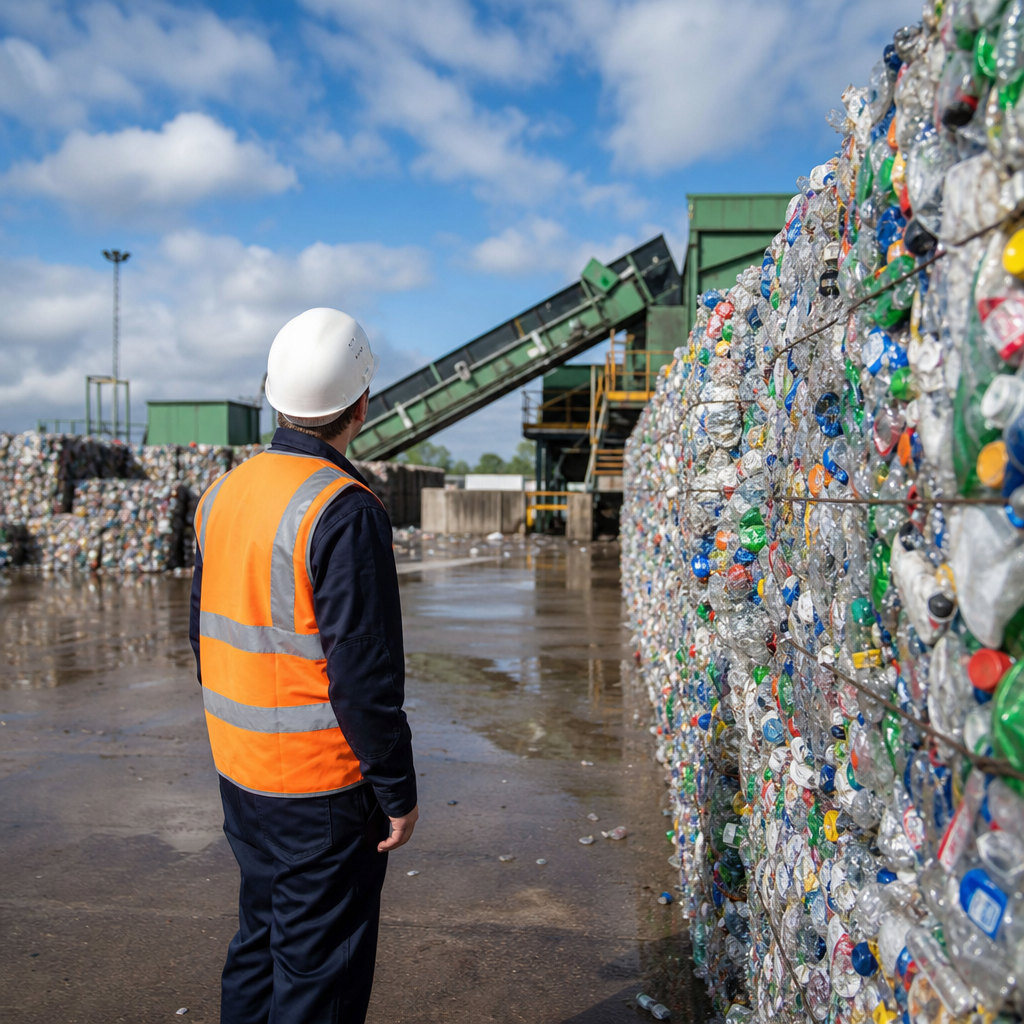
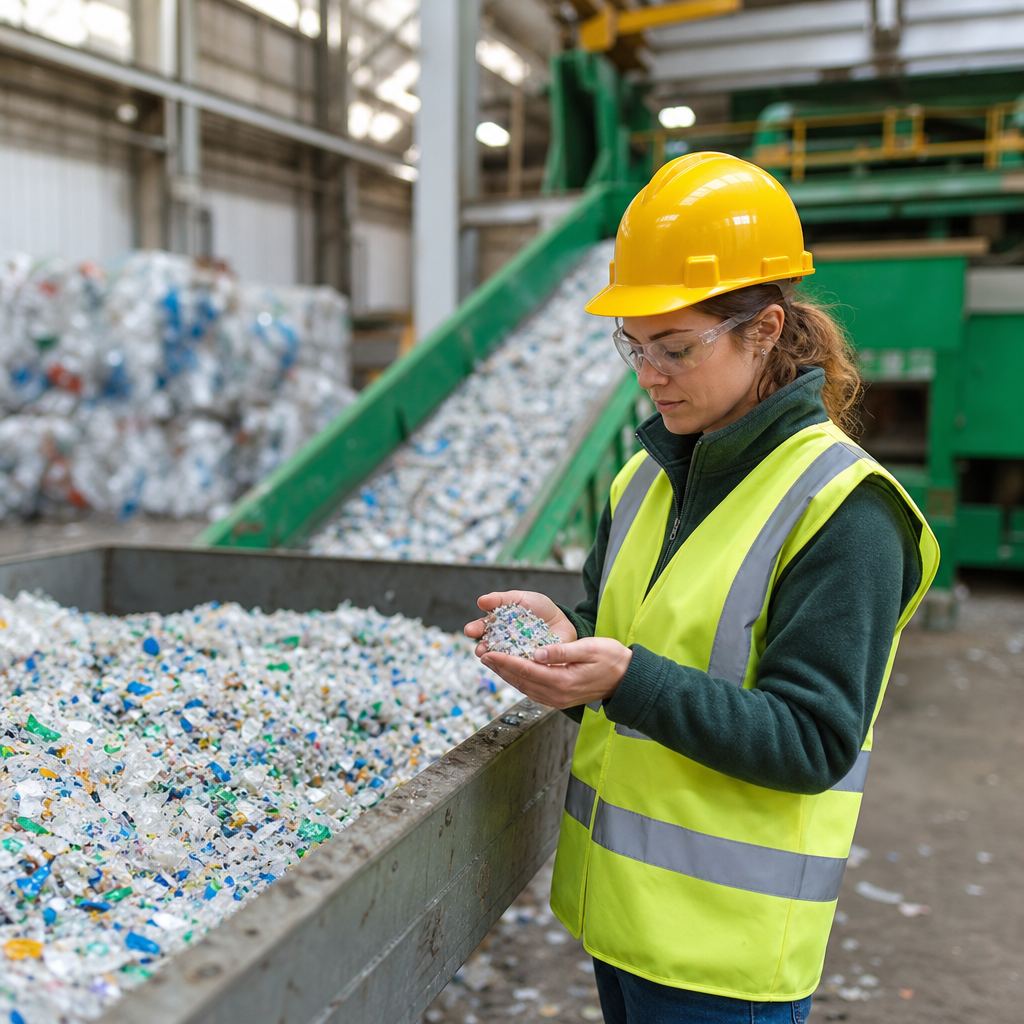
The journey from plastic waste to a usable development material involves multiple controlled steps. It typically begins with collection from municipal recycling systems, commercial waste streams, industrial scrap, or take-back programs. Once collected, the material is sorted according to polymer type, color, and quality level. Sorting may be done manually, mechanically, or with advanced technologies such as near-infrared detection to identify specific resin families. This step is essential because different polymers have different melting behaviors, chemical resistance profiles, and end-use properties.
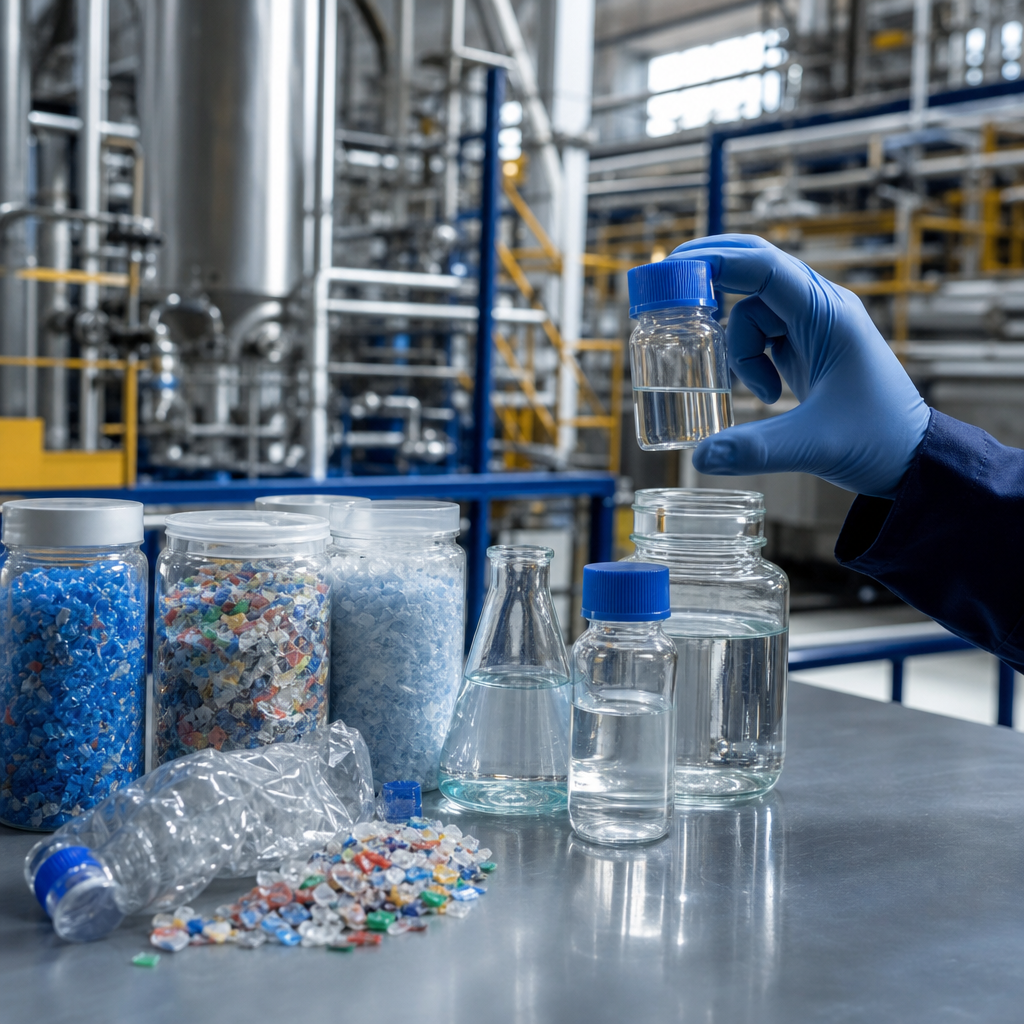
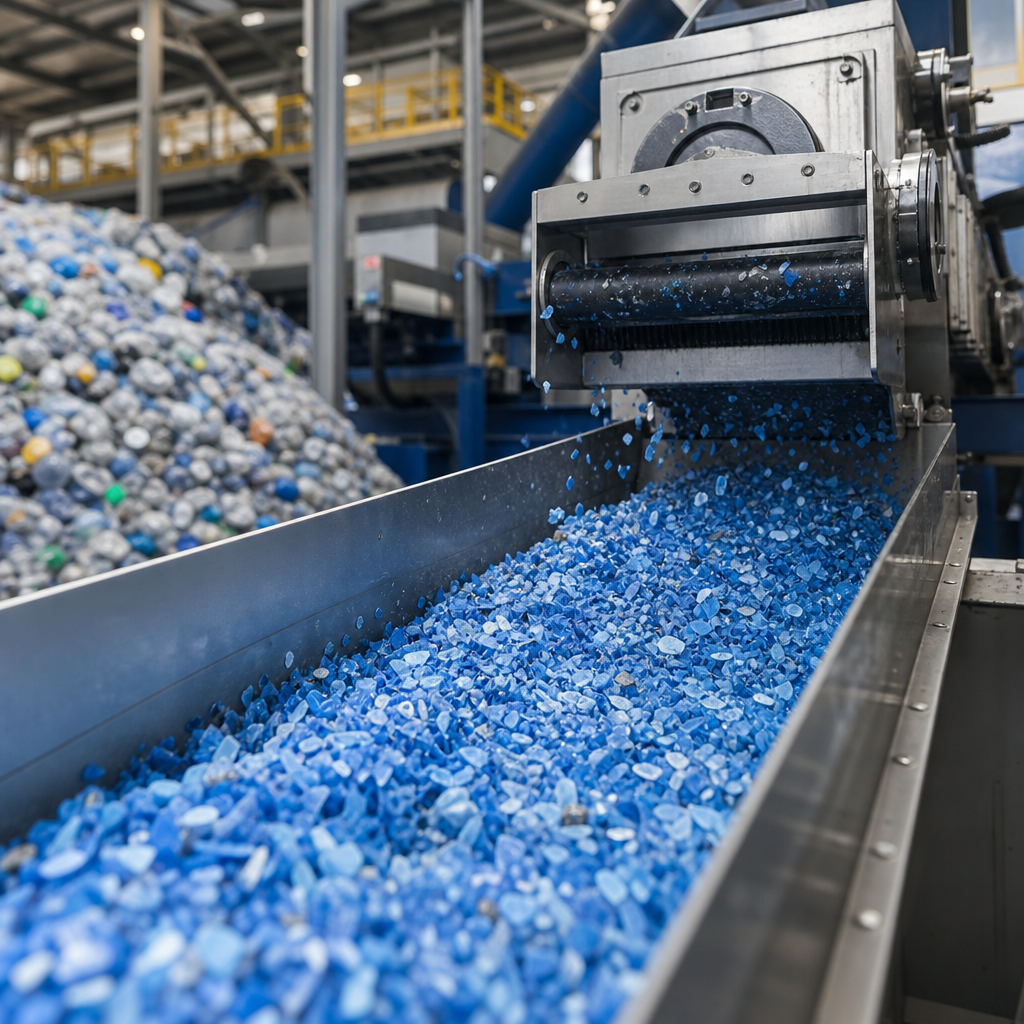
After sorting, the plastic is cleaned to remove labels, food residue, adhesives, dirt, and other contaminants. It is then shredded or ground into flakes, which are washed again if necessary and dried before reprocessing. In mechanical recycling, these flakes are melted, filtered, compounded, and pelletized into resin that can be used in conventional manufacturing processes such as injection molding, extrusion, thermoforming, or blow molding. During compounding, additives, stabilizers, colorants, impact modifiers, or reinforcing agents may be introduced to improve consistency and tailor the recycled polymer for a specific product application.
In some cases, especially where contamination or property degradation is a concern, more advanced recycling methods may be used. Chemical recycling technologies can break polymers down into monomers or other feedstocks, which can then be rebuilt into new polymer materials with more controlled properties. Regardless of the route, manufacturers typically conduct extensive material testing before use in development programs. This can include melt flow analysis, tensile and impact testing, thermal stability checks, odor evaluation, color consistency review, and verification against regulatory or customer specifications. The result is a recycled polymer grade that is suitable for product design, prototyping, and production, provided it has been properly qualified for the intended use.
Can recycled polymers meet the performance requirements of new products?
Yes, recycled polymers can meet performance requirements in many new product applications, but success depends on thoughtful material selection, formulation, and validation. A common misconception is that recycled content automatically means lower quality. In reality, many recycled polymers perform very well when sourced from reliable streams and processed under controlled conditions. For example, recycled PET is widely used in packaging and textiles, recycled HDPE is common in containers and durable goods, and recycled polypropylene can be used in automotive, consumer, and industrial applications.
The key issue is not whether recycled polymers can perform, but whether the right recycled polymer has been matched to the right design requirement. Product developers must evaluate mechanical properties such as stiffness, strength, elongation, and impact resistance, along with thermal performance, dimensional stability, chemical resistance, weatherability, and surface appearance. In some cases, a recycled polymer can be used as a direct replacement for virgin material. In other cases, the resin may need to be blended with virgin polymer or modified with additives to achieve the required balance of performance and processability.
This is why development teams usually treat recycled material integration as part of a structured engineering process. They test prototype parts, assess manufacturability, and confirm that the material works under real-use conditions. For highly regulated or technically demanding applications, additional checks may be needed for traceability, food-contact compliance, flame retardancy, VOC behavior, or long-term durability. When these steps are taken seriously, recycled polymers can absolutely support high-performing products. In fact, many manufacturers now use them not just for sustainability messaging, but because they can be engineered into robust, commercially successful solutions.
What challenges do manufacturers face when using recycled polymers in product design?
One of the main challenges is variability. Unlike virgin polymers, which are produced to highly controlled and predictable specifications, recycled polymers can show differences from batch to batch depending on the source material, contamination level, color mix, prior thermal history, and processing conditions. This variability can affect melt flow, strength, appearance, odor, and molding behavior, all of which are important during product development and scale-up. Managing that inconsistency requires stronger supplier partnerships, tighter incoming quality controls, and more extensive testing during development.
Another challenge is design compatibility. Not every product is immediately suited to recycled content, especially if it requires a very specific visual finish, narrow tolerance range, high clarity, or extreme mechanical performance. In these cases, engineers may need to redesign parts, adjust wall thicknesses, change surface textures, incorporate ribs or reinforcements, or modify manufacturing settings to accommodate the material. There can also be tooling and processing considerations, since recycled polymers may behave differently during molding or extrusion compared with virgin grades.
Regulatory and market expectations also create complexity. Some sectors require strict documentation on composition, traceability, restricted substances, or recycled content claims. Brands must ensure that sustainability statements are accurate and supported, especially where certifications or environmental declarations are involved. Cost and availability can be another issue as demand for high-quality recycled feedstock increases. Despite these challenges, manufacturers are overcoming them through better material science, improved recycling infrastructure, digital traceability systems, and design-for-recycling principles. The companies that succeed are usually the ones that involve materials engineers, product designers, procurement teams, and sustainability specialists early in the development process.
What are the best practices for incorporating recycled polymers into new product development?
The most effective approach is to consider recycled polymers at the very beginning of the development cycle rather than trying to substitute them late in the process. Early-stage material selection allows design teams to align product requirements with realistic recycled material capabilities from the start. This includes defining target properties, identifying acceptable variability ranges, understanding processing requirements, and screening suppliers that can provide consistent, well-documented recycled grades. When recycled content is part of the initial concept, the product is far more likely to succeed technically and commercially.
Another best practice is to use a structured validation process. That means testing the recycled polymer in lab conditions, prototype builds, pilot production, and end-use simulations. Teams should evaluate mechanical and thermal performance, cosmetic quality, manufacturability, and long-term durability. It is also wise to assess supply stability, certification needs, and compliance obligations before finalizing the material. In many cases, developers benefit from working directly with compounders and recyclers who can fine-tune the formulation for the specific application rather than relying on generic recycled resin options.
Designing with circularity in mind is equally important. A product made with recycled polymers should ideally also be easier to recycle at the end of its life. That can involve reducing multimaterial combinations, choosing compatible additives, minimizing problematic coatings or adhesives, and clearly identifying resin types where appropriate. Finally, manufacturers should communicate recycled content claims carefully and credibly, supported by traceable data and recognized standards where possible. The strongest new product strategies do not treat recycled polymers as a marketing add-on. They integrate them into material selection, engineering, sourcing, compliance, and lifecycle thinking, creating products that are more sustainable and more resilient in a market increasingly shaped by resource efficiency and environmental accountability.