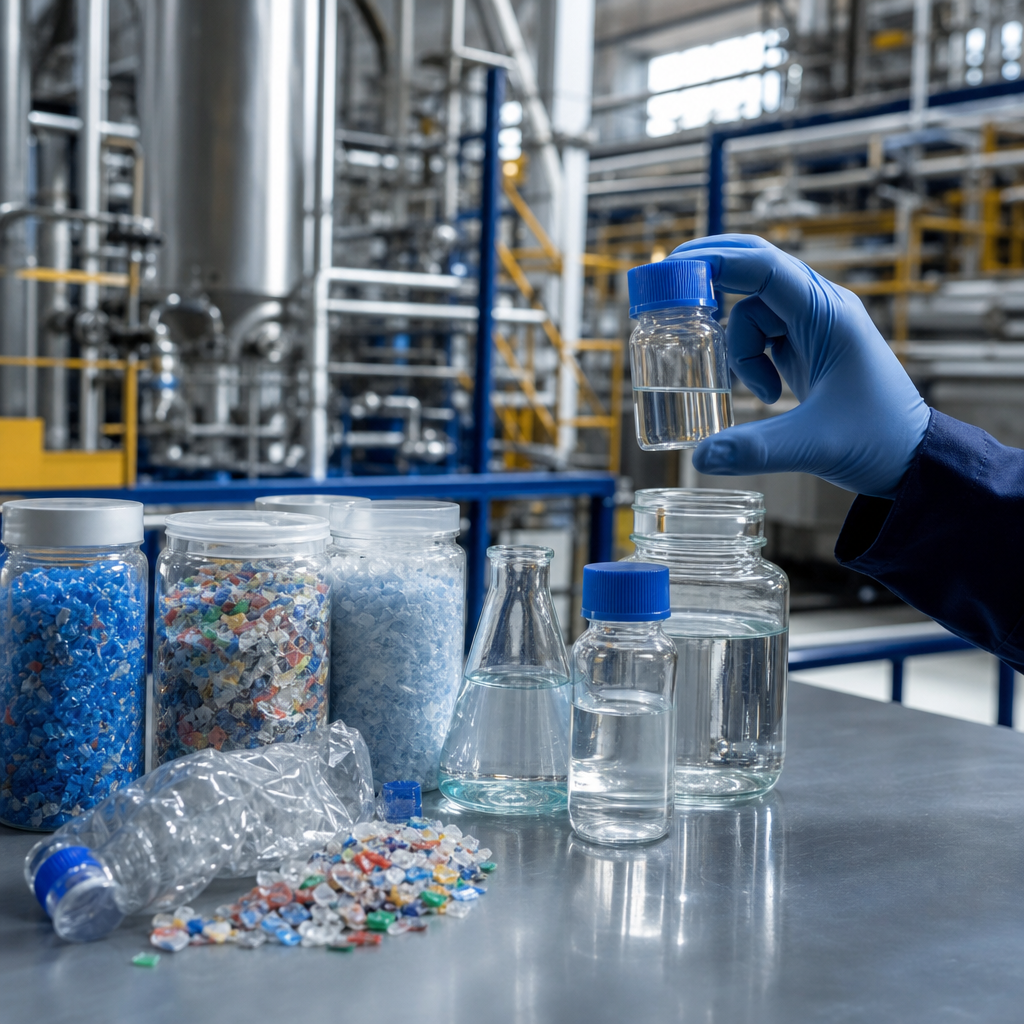
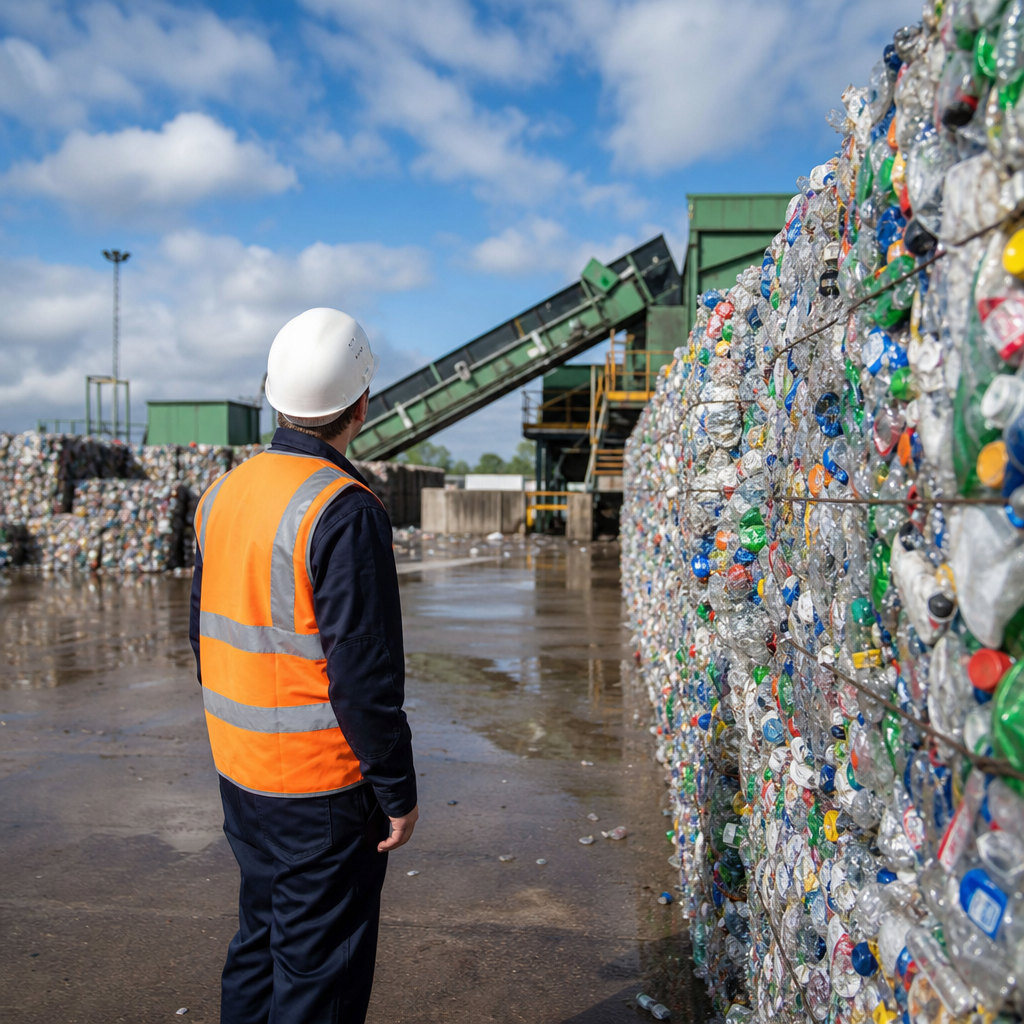
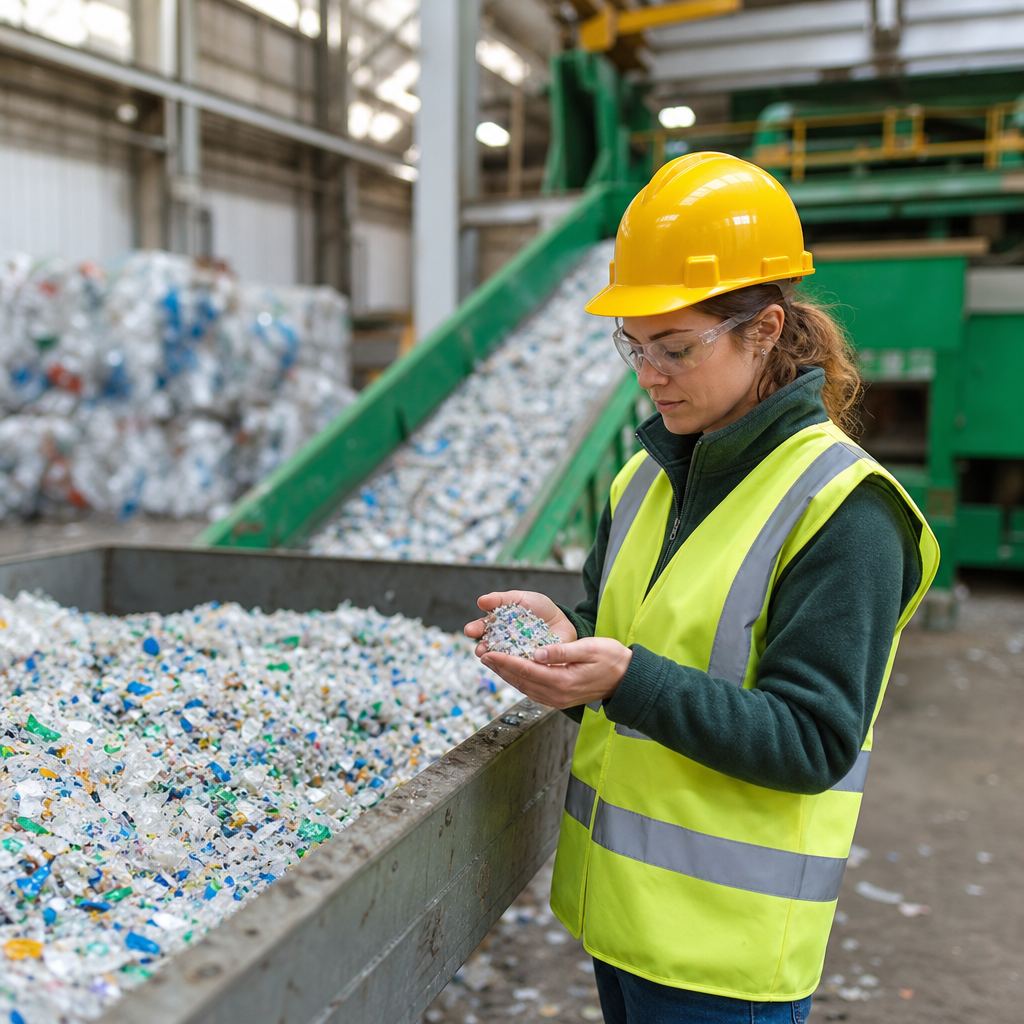
Innovations in recycling technologies for multi-layer packaging are reshaping how the plastics industry handles one of its most stubborn waste streams. Multi-layer packaging combines two or more materials, often different polymers plus aluminum or paper, to deliver barrier performance, strength, sealability, printability, and shelf-life extension in a single format. Common examples include snack pouches made from PET and PE, coffee bags using aluminum foil laminates, and aseptic beverage cartons built from paperboard, polyethylene, and aluminum. These structures perform exceptionally in use, yet they are difficult to recycle because conventional mechanical systems are designed for relatively pure, single-material streams. I have worked with packaging recovery assessments where laminated films were the first fraction rejected at sorting plants, not because they lacked value in theory, but because existing equipment could not separate their layers economically at scale.
This challenge matters far beyond waste management. Multi-layer packaging is deeply embedded in food, personal care, pharmaceutical, and industrial markets because it prevents spoilage, contamination, and product loss. When recycling fails, valuable polymers are landfilled, incinerated, or downcycled, while producers face growing pressure from extended producer responsibility rules, recycled content targets, and corporate sustainability commitments. For anyone researching case studies in polymer recycling, multi-layer packaging is the clearest test of whether advanced recycling can move from pilot promise to repeatable industrial practice. The important terms are straightforward. Mechanical recycling reprocesses polymers through sorting, washing, shredding, melting, and pelletizing. Delamination separates bonded layers before material recovery. Dissolution uses selective solvents to dissolve one polymer while leaving others intact. Chemical recycling breaks polymers into monomers, oils, or gases. Compatibilization improves the performance of mixed recycled plastics that cannot be fully separated. Each route solves a different part of the problem, and the most effective projects combine them rather than treating one technology as a universal answer.
Why Multi-Layer Packaging Is a Defining Polymer Recycling Case
Multi-layer packaging sits at the center of case studies in polymer recycling because it compresses every major challenge into one format: material complexity, food contamination, low weight, variable design, and limited post-consumer collection. A simple mono-material HDPE bottle can be identified by near-infrared sorting, washed, and recycled into nonfood applications with established market demand. A metallized stand-up pouch, by contrast, may include PET for stiffness, aluminum for oxygen barrier, PE for sealability, inks, adhesives, and closure components. The package may weigh only a few grams, making transport and processing economics difficult. In practice, this means recycling success depends less on a single breakthrough machine and more on system design across collection, sorting, pretreatment, separation, purification, and end-market development.
Several industry standards shape how these solutions are evaluated. The Association of Plastic Recyclers design guidance, RecyClass protocols in Europe, and CEFLEX circular economy recommendations all stress that packaging recyclability is not just a lab property. It requires compatibility with existing infrastructure, acceptable yield, and usable output quality. In material flow studies I have reviewed, flexible packaging often has lower capture rates than rigid packaging even when technically recyclable, simply because film collection remains inconsistent. That is why the best case studies do not stop at chemistry. They explain feedstock specification, bale composition, contamination tolerance, solvent recovery rates, pellet quality, and whether the recycled resin achieved a real commercial application. Those details determine whether an innovation belongs in a research paper or in a functioning recycling network.
Mechanical Recycling Innovations and Compatibilized Blends
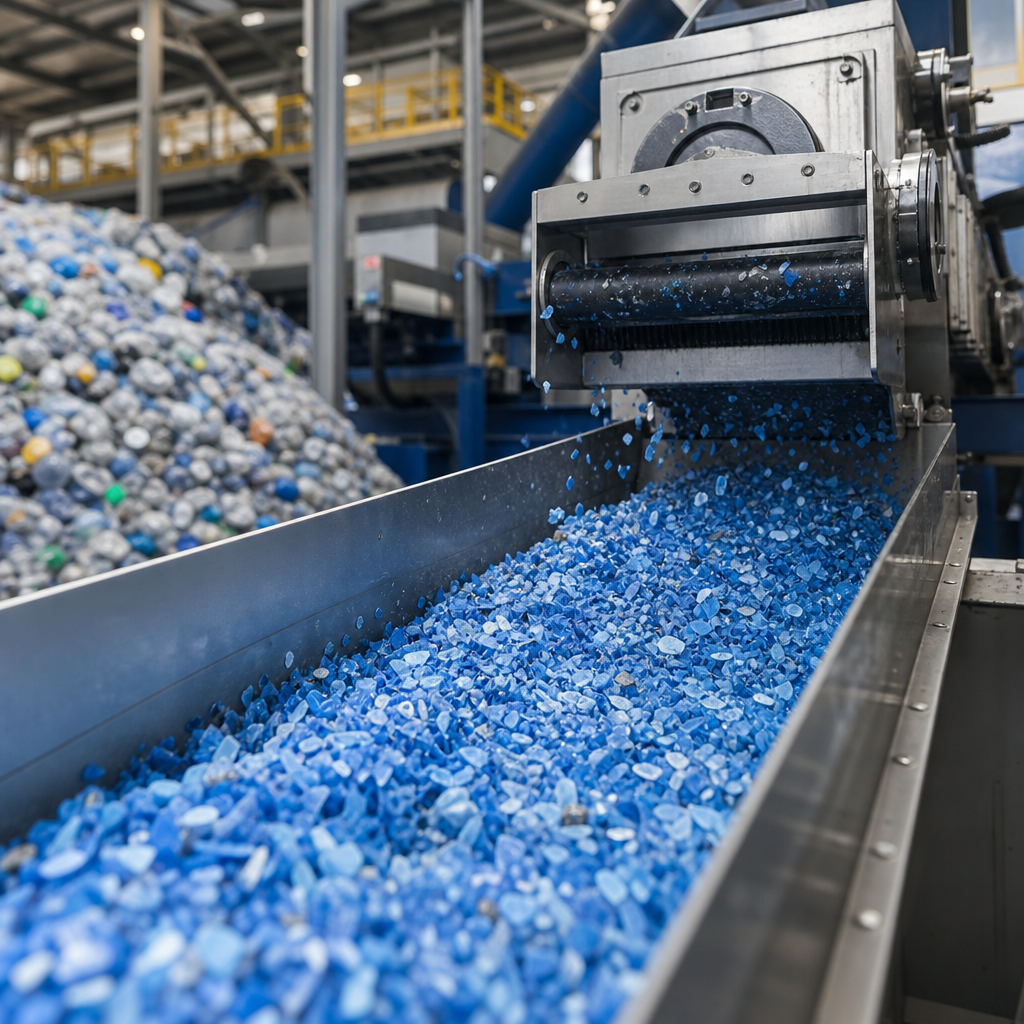
Mechanical recycling remains the lowest-energy route when it can be made to work, so many recent innovations focus on handling mixed polyolefin films and compatible laminates rather than fully separating every layer. Advanced wash lines, improved density separation, and fine melt filtration now recover cleaner fractions from post-industrial and some post-consumer flexible packaging streams. The key limitation is polymer incompatibility. PE and PP can sometimes be blended with acceptable property loss, but PET mixed into polyolefins or EVOH above low percentages can severely weaken final products. This is where compatibilizers matter. Maleic anhydride grafted polyolefins, block copolymers, and reactive extrusion additives reduce phase separation and improve impact strength in mixed recycled blends.
A practical example comes from flexible film recovery programs that produce recycled pellets for garbage bags, construction films, or pallets. The feedstock is not a pristine mono-material stream; it includes printed LDPE film, some LLDPE, traces of PP, labels, and residual contamination. By tightening sorting specifications and using compatibilization during extrusion, recyclers have created stable compounds for durable nonfood products. The outcome is not equivalent to virgin film-grade resin, and it should not be described that way. However, in the hierarchy of polymer recycling case studies, these projects matter because they show that not every mixed laminate must be chemically transformed. Some can be mechanically recycled into lower-specification applications if design choices limit problematic barriers and if processors manage viscosity, odor, and gel formation carefully.
The biggest innovation in this category is design simplification. Many brands are replacing PET/PE or PET/aluminum/PE laminates with mono-material PE structures using EVOH in thin layers and compatible tie resins. That shift does not solve historical waste, but it creates future packaging that can enter PE film recycling streams more easily. I have seen procurement teams underestimate how important this is. A package redesign that removes aluminum foil may deliver a larger real recycling gain than a costly downstream separation process. The lesson from these case studies is clear: recycling technology and packaging design must evolve together.
Solvent-Based Delamination and Dissolution Technologies
Solvent-based recycling has become one of the most important innovations for multi-layer packaging because it targets the central technical barrier: layers are bonded for performance, yet recyclers need them separated for recovery. In delamination systems, a solvent or chemical formulation weakens adhesives or tie layers so the laminate can split into constituent films. In dissolution systems, one selected polymer dissolves while others remain solid, allowing separation, filtration, precipitation, and purification. Properly designed systems recover the solvent in a closed loop, which is essential for economics, safety, and environmental performance.
Companies such as APK in Germany have advanced solvent-based approaches for PE-rich multi-layer films, while the STRAP process developed at the University of Wisconsin-Madison demonstrated selective solvent recovery for complex plastic mixtures. The technical appeal is strong. Instead of degrading polymer chains through repeated melting, dissolution can preserve near-virgin molecular properties if contamination and additive carryover are controlled. That makes the technology especially relevant for high-value barrier films and post-industrial laminate scrap, where feedstock composition is more predictable. In one category of case studies, converters collect edge trim and off-spec laminate rolls, delaminate or dissolve target layers, and return the recovered polymer to film production. These closed-loop industrial applications often succeed before post-consumer systems do because they avoid food residues, label fragments, and broad material variability.
Still, solvent-based recycling is not automatically superior. The process needs carefully matched solvents, robust purification, explosion protection where relevant, and high solvent recovery efficiency. Life cycle impacts depend heavily on energy source, solvent losses, transport distance, and actual substitution of virgin resin. For mixed post-consumer pouches, the economics can be challenging unless feedstock supply is aggregated and contamination rates are tightly managed. The strongest case studies therefore combine process chemistry with supply chain discipline. They define bale specifications, pretreatment requirements, and target products before the plant is built.
Depolymerization, Pyrolysis, and Hybrid Chemical Recycling Routes
When mechanical or solvent-based recovery cannot produce a usable polymer stream, chemical recycling offers another route. Depolymerization works best for condensation polymers such as PET and polyamides, where chemical bonds can be reversed into monomers or oligomers. Glycolysis, methanolysis, and hydrolysis have all been used to recover PET intermediates suitable for repolymerization. For multi-layer packaging containing PET with polyolefin sealant layers, depolymerization can recover PET value if pretreatment removes enough non-PET contamination.
Pyrolysis addresses a different fraction: mixed polyolefin-rich films and flexible packaging that are hard to sort into pure streams. In pyrolysis, plastics are thermally cracked without oxygen into an oil or naphtha-like feedstock that can be upgraded and used in steam crackers to make new polymers. Major industry participants including BASF, SABIC, LyondellBasell, and Plastic Energy have invested in mass-balance models around this pathway. The strength of pyrolysis is feedstock flexibility relative to mechanical recycling. The weakness is equally clear: contamination, chlorine from PVC, oxygenated materials, metals, and moisture can reduce oil quality, increase char, and complicate upgrading. That is why successful case studies rely on stringent feed preparation, not a simplistic claim that any plastic waste can become food-grade resin.
Hybrid systems are increasingly important. A facility may mechanically recover the easiest PE film fraction, send PET-rich material to depolymerization, and direct low-quality mixed residues to pyrolysis. This portfolio approach reflects operational reality. No serious recycling plant manager expects a single technology to maximize yield and value across every multi-layer package design. The best polymer recycling case studies are process integration stories, where each technology handles the stream it is best suited to process.
Case Studies in Polymer Recycling: What Scaled Projects Actually Show
The most useful case studies in polymer recycling share a common structure: defined feedstock, documented process conditions, measured outputs, and a clear end market. They also reveal that progress usually starts with constrained applications. Post-industrial laminate scrap is often the first feedstock commercialized because volume is predictable and contamination is low. Agricultural films may follow because collection can be organized seasonally. Heterogeneous household pouches are usually the hardest stream and often remain at pilot or demonstration scale longer than public announcements suggest.
One recurring example is the recycling of PE-dominant flexible packaging into secondary films and molded products. Facilities using EREMA or Starlinger extrusion systems, hot washing, deodorization, and fine filtration have produced compounds for refuse sacks, protective sheets, and transport packaging. Another example comes from PET tray and film recycling, where depolymerization technologies recover BHET or purified monomers from colored or multilayer PET fractions that mechanical systems cannot use effectively. In Europe, collaboration under CEFLEX and various brand-owner pilots has shown that standardized collection and sorting specifications can improve flexible packaging recovery even before breakthrough chemistry is applied.
| Technology route | Best-fit feedstock | Main advantage | Main limitation | Typical output |
|---|---|---|---|---|
| Mechanical recycling | PE or PP dominant films with limited contamination | Lower energy use and established equipment | Polymer incompatibility and property loss | Bags, films, pallets, durable goods |
| Solvent delamination or dissolution | Predictable multi-layer films, especially post-industrial scrap | High polymer purity with preserved properties | Solvent management and feedstock control | Reclaimed PE, PET, PA, specialized resins |
| Depolymerization | PET or polyamide containing laminates | Recovery of monomers for repolymerization | Sensitive to contamination and pretreatment needs | Monomers, oligomers, repolymerized resin |
| Pyrolysis | Mixed polyolefin-rich flexible packaging residues | Handles difficult mixed streams | High process complexity and variable oil quality | Pyrolysis oil for cracker feed |
Across these examples, the practical insight is that scale comes from matching technology to material reality. Projects fail when they overpromise universal recyclability, ignore collection logistics, or assume output markets will appear automatically. They succeed when they start with specific polymer fractions, verify quality with tools such as DSC, FTIR, melt flow testing, and gas chromatography, and build customers for the recycled output before capacity expands.
Design for Recycling, Policy Pressure, and the Next Wave of Adoption
The next wave of innovation will be shaped as much by policy and packaging design as by reactors and solvent tanks. Extended producer responsibility fees increasingly reward recyclable formats and penalize hard-to-process laminates. Recycled content mandates create demand pull for recovered polymers, though food-contact approval remains a major gate. Digital watermarking, improved NIR detection for films, and AI-assisted sorting are also expanding what material recovery facilities can identify. These tools are not substitutes for better packaging design, but they improve feedstock quality and reduce the burden on downstream processes.
For converters and brand owners, the most effective strategy is a portfolio. First, eliminate unnecessary material combinations. Second, redesign toward mono-material structures where performance allows. Third, qualify advanced recycling partners for formats that cannot yet be simplified. Fourth, measure real outcomes: yield, carbon intensity, contamination, and repeatable end-use performance. If you are building a content hub on case studies and applications, this is the central message to carry into related pages on PET recycling, polyolefin film recovery, compatibilizers, pyrolysis economics, and solvent purification.
Innovations in recycling technologies for multi-layer packaging are no longer abstract research topics; they are operating decisions with regulatory and commercial consequences. Mechanical recycling, delamination, dissolution, depolymerization, and pyrolysis each have a role, but none can solve the problem alone. The strongest case studies in polymer recycling prove that success comes from integration: packaging designed for recovery, feedstocks specified tightly, processes chosen for the right polymer mix, and outputs linked to real customers. For manufacturers, recyclers, and sustainability teams, the benefit is practical: more material retained at higher value and less dependence on disposal. Use this hub as your starting point, then map each packaging format to the recycling route that fits its chemistry, contamination profile, and market destination.
Frequently Asked Questions
Why is multi-layer packaging so difficult to recycle compared with single-material packaging?
Multi-layer packaging is challenging to recycle because it is intentionally engineered to combine several materials into one high-performance structure. A typical pouch, carton, or laminate may include different plastics such as PET, PE, or PP, along with aluminum foil, paper, adhesives, inks, and specialized coatings. Each layer serves a specific purpose, such as moisture protection, oxygen barrier, puncture resistance, heat sealing, or product visibility. While this design improves product preservation and reduces food waste, it creates major problems at end of life because recycling systems generally work best when materials are clean, separated, and chemically similar.
In conventional mechanical recycling, plastics are sorted, shredded, washed, melted, and reprocessed. That process is much more straightforward for mono-material items like clear PET bottles or HDPE containers. With multi-layer packaging, the layers are bonded so tightly that separating them economically at scale is difficult. If different polymers remain mixed, the recycled output often has weaker mechanical properties, inconsistent melt behavior, and limited commercial value. The presence of foil, paper fibers, adhesives, and inks can further contaminate the stream, making it hard to create a high-quality recycled resin.
Another issue is infrastructure. Many material recovery facilities are designed around rigid packaging and high-volume formats, not flexible laminates. Lightweight films and pouches can wrap around sorting equipment, escape detection, or end up in mixed residue. That means even recyclable multi-layer formats may not actually be captured unless dedicated collection and sorting systems are in place. This is why innovation in recycling technologies is so important: the packaging itself is complex, and existing waste management systems were not originally built to handle it efficiently.
What new recycling technologies are making multi-layer packaging more recyclable?
Several promising technologies are improving the recyclability of multi-layer packaging, and they generally fall into three broad categories: advanced sorting, delamination and separation, and chemical or molecular recycling. Each addresses a different part of the challenge. Advanced sorting systems use tools such as near-infrared spectroscopy, digital watermarking, artificial intelligence, and robotics to better identify and separate flexible and composite packaging from mixed waste streams. This is a critical first step because even the best recycling technology cannot succeed if the right materials are not captured and sorted accurately.
Delamination technologies are especially important for multi-layer structures. These processes are designed to separate bonded layers so that valuable components can be recovered individually. Depending on the packaging design, delamination may involve solvents, heat, chemical agents, enzymatic treatments, or mechanical methods that weaken adhesives and release the different substrates. For example, a laminate containing PET and PE may be processed in a way that allows one layer to be removed from the other, making both fractions more suitable for recycling. Some newer adhesives are also being formulated to “debond on demand,” meaning they can be intentionally broken apart under specific recycling conditions.
Chemical recycling technologies are another major area of innovation. These methods go beyond simply melting and remolding plastic. Processes such as pyrolysis, depolymerization, solvolysis, and dissolution can convert mixed or difficult plastic waste into feedstocks, monomers, or purified polymer streams. In the case of multi-layer packaging, chemical recycling can be valuable because it may handle contaminated or mixed-polymer material that mechanical recycling cannot process effectively. Some systems target specific polymers, recovering building blocks that can be used to make new plastics with near-virgin quality. Others use selective dissolution to isolate one polymer from a complex laminate without breaking down the entire structure.
Together, these technologies are expanding the options for flexible packaging and other composite formats. They are not all equally mature or available commercially, but they represent a significant shift from the old assumption that multi-layer packaging is simply unrecyclable. Increasingly, the industry is moving toward packaging designs and recovery systems that are developed together, rather than treated as separate challenges.
How does chemical recycling help recover value from multi-layer packaging waste?
Chemical recycling helps recover value from multi-layer packaging by breaking down or selectively isolating materials that are too mixed, contaminated, or complex for traditional mechanical recycling. Instead of trying to process a laminate as if it were a single plastic, chemical recycling methods work at the molecular or near-molecular level. That allows them to deal more effectively with combinations of polymers, additives, adhesives, and barrier layers that would otherwise reduce the quality of recycled output.
One of the main advantages is flexibility. For example, pyrolysis can convert certain mixed plastic fractions into oils or feedstocks that may be used in petrochemical production, while depolymerization can break specific polymers back into their original monomers. Those monomers can then be purified and repolymerized into new material suitable for demanding applications, including food-contact packaging in some regulatory contexts. Dissolution-based approaches are also gaining attention because they can selectively dissolve a target polymer from a multi-layer structure, remove contaminants, and recover a cleaner resin without fully destroying the polymer chain.
For multi-layer packaging, this matters because value often gets trapped inside a complex format. A pouch may contain useful PE, PET, or nylon, but if those materials are inseparable in a conventional process, the waste may be downcycled, burned for energy, or sent to landfill. Chemical recycling offers a pathway to recover that embedded material value. It can also complement mechanical recycling rather than replace it. In many future recycling systems, simpler mono-material packaging may go through mechanical routes, while more complex multi-layer waste is directed into advanced recycling streams where recovery is technically feasible.
That said, chemical recycling is not a universal fix. Its environmental and economic performance depends on factors such as energy use, process efficiency, feedstock quality, emissions control, and whether the outputs truly displace virgin resources. The most credible progress is coming from systems that are transparent about yields, mass balance, and lifecycle impacts. When applied thoughtfully, chemical recycling can become an important tool for handling packaging formats that have long been considered unrecoverable.
Are companies redesigning multi-layer packaging to work better with recycling technologies?
Yes, and this is one of the most important trends in the packaging industry. Rather than relying only on end-of-pipe recycling solutions, many companies are redesigning multi-layer packaging so it can be processed more effectively within existing or emerging recycling systems. This approach is often called design for recycling, and it recognizes that package performance and package recovery must be considered together from the start.
In practical terms, redesign may involve reducing the number of material types in a structure, replacing incompatible polymer combinations with more compatible ones, removing aluminum foil layers where possible, using recyclable barrier coatings, or choosing adhesives and inks that interfere less with recycling. A common example is the move from PET/PE laminates toward all-PE or all-PP flexible packaging structures. These mono-material approaches are not always simple to engineer because they still need to meet demanding barrier and shelf-life requirements, but advances in coatings, resin formulations, and processing are making them more viable across many product categories.
Some innovations focus on the bond between layers rather than the layers themselves. Debondable adhesives, wash-off labels, and removable coatings can help packages retain performance during use while becoming easier to separate during recycling. In aseptic cartons and similar composite formats, process improvements are also helping recover both fiber and non-fiber components more efficiently. At the same time, packaging producers are increasingly using recyclability testing protocols to validate how a package behaves in real recycling conditions rather than assuming theoretical recyclability is enough.
This redesign trend is significant because recycling technology works best when packaging is created with recovery in mind. The future is unlikely to be one where every complex package is accepted exactly as it exists today. More realistically, success will come from aligning package design, collection systems, sortation infrastructure, and reprocessing technologies. When those elements are developed together, the odds of creating a circular solution improve dramatically.
What does the future of multi-layer packaging recycling look like for the plastics industry?
The future of multi-layer packaging recycling will likely be more integrated, more technology-driven, and more selective than in the past. Instead of treating all packaging waste the same way, the plastics industry is moving toward a system where packaging formats are matched to the most appropriate recovery pathway. Simple, high-volume mono-material packaging will continue to be strong candidates for mechanical recycling. More complex multi-layer structures, especially flexible laminates and barrier packaging, will increasingly be handled through specialized delamination systems, dissolution processes, or other advanced recycling technologies.
Collection and sorting will also play a much bigger role. Better curbside acceptance, store drop-off systems for films, improved sorting hardware, digital package identification, and data-driven material tracking can all increase the amount of multi-layer packaging that is actually captured. Without that front-end improvement, even the best downstream processing technology will remain underutilized. Policy is another major factor. Extended producer responsibility programs, recycled content targets, eco-modulated fees, and clearer recyclability standards are pushing companies to invest in packaging formats and recovery systems that deliver measurable outcomes.
From an industry perspective, the most important shift is that multi-layer packaging is no longer being viewed only as a waste problem. It is increasingly being treated as a materials management challenge that can be addressed through chemistry, engineering, infrastructure, and collaboration across the value chain. Resin producers, converters, brand owners, recyclers, and equipment manufacturers are all contributing