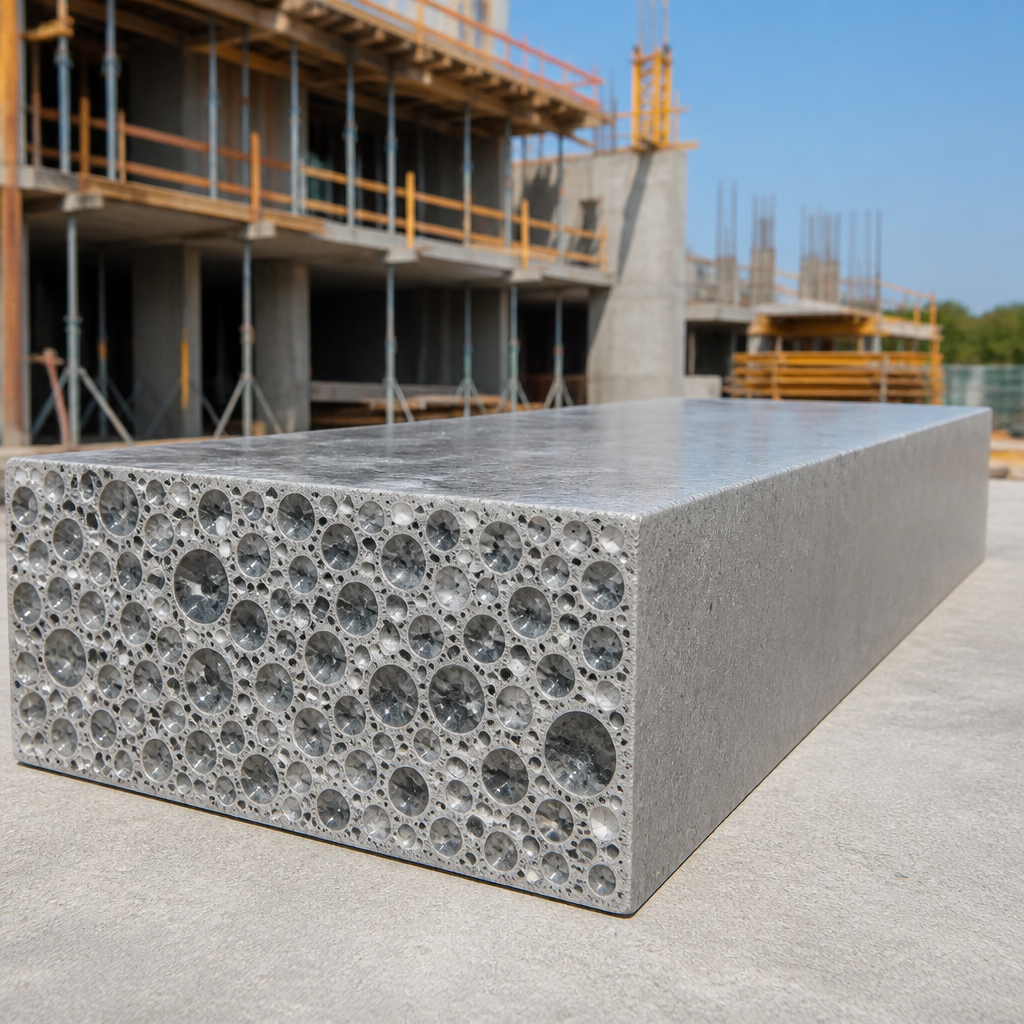
Polymers have become central to modern construction because they improve strength, durability, insulation, corrosion resistance, and installation efficiency across nearly every major class of building materials. In building science, a polymer is a large molecule made of repeating units, and in practice that includes plastics, elastomers, thermosets, thermoplastics, polymer dispersions, foams, sealants, and fiber-reinforced composites used in concrete, roofing, façades, flooring, piping, coatings, and adhesives. I have worked with polymer-modified mortars, fluid-applied membranes, and composite panels on commercial projects, and the pattern is consistent: when specified correctly, polymers solve performance problems that traditional mineral-only materials struggle to address. This matters because buildings are expected to last longer, use less energy, resist harsher weather, and go up faster with fewer labor errors. Polymer solutions help meet those goals by tailoring material behavior at the molecular level. They can make a coating flexible instead of brittle, a concrete repair mortar bond tenaciously instead of debonding, or an insulation system deliver stable thermal performance with lower thickness. For architects, engineers, contractors, and facility owners, understanding the role of polymers in enhancing building materials is now essential, not optional, because these products increasingly determine lifecycle cost, maintainability, and compliance with modern performance standards.
Innovations in polymer solutions are reshaping the full construction value chain, from product formulation in factories to site installation and long-term building operation. The term covers both new polymers and smarter uses of established chemistries such as epoxy, polyurethane, acrylic, polyvinyl chloride, polyethylene, polypropylene, silicone, ethylene vinyl acetate, styrene-butadiene, and polycarboxylate systems. It also includes hybrid technologies like polymer-cement composites, bio-based resins, self-healing encapsulated polymers, and advanced membranes engineered for vapor control, fire performance, or ultraviolet stability. These innovations matter because conventional materials have predictable weaknesses: concrete cracks, steel corrodes, timber swells, joints move, roofs weather, and interior finishes degrade under moisture or chemical exposure. Polymer engineering addresses those weaknesses with targeted properties such as adhesion, elongation, hydrophobicity, chemical resistance, impact toughness, and low permeability. The result is not one universal solution but a toolkit of building material enhancements that can be matched to climate, occupancy, structural demands, and budget. As a hub topic, polymer solutions connect multiple product categories that influence envelope performance, structural rehabilitation, interiors, waterproofing, and energy efficiency.
How polymers improve core building materials
Polymers enhance building materials by changing either the internal matrix of a product or the interface between materials. In cementitious products, latex polymers such as styrene-butadiene rubber and acrylic dispersions reduce water demand, improve flexural strength, increase adhesion, and lower permeability. That is why tile adhesives, self-leveling underlayments, repair mortars, and exterior insulation finishing base coats routinely use polymer modification. On one façade remediation project I supported, switching from a conventional repair mortar to a polymer-modified formulation cut edge cracking around patch repairs and improved bond on sound but dense substrate. In concrete admixtures, polycarboxylate ether superplasticizers allow high workability at lower water-cement ratios, which improves strength and durability. In coatings and membranes, polymers create continuous films that block water and chemicals while remaining flexible enough to bridge hairline cracks. In insulation, polymer foams such as expanded polystyrene, extruded polystyrene, and polyisocyanurate deliver high thermal resistance with low weight. In piping, thermoplastics resist scale buildup and corrosion better than many metal systems. Across these uses, the central benefit is controlled performance: polymers let manufacturers tune stiffness, cure profile, weatherability, and service life to fit specific building demands.
Structural strengthening, repair, and durability
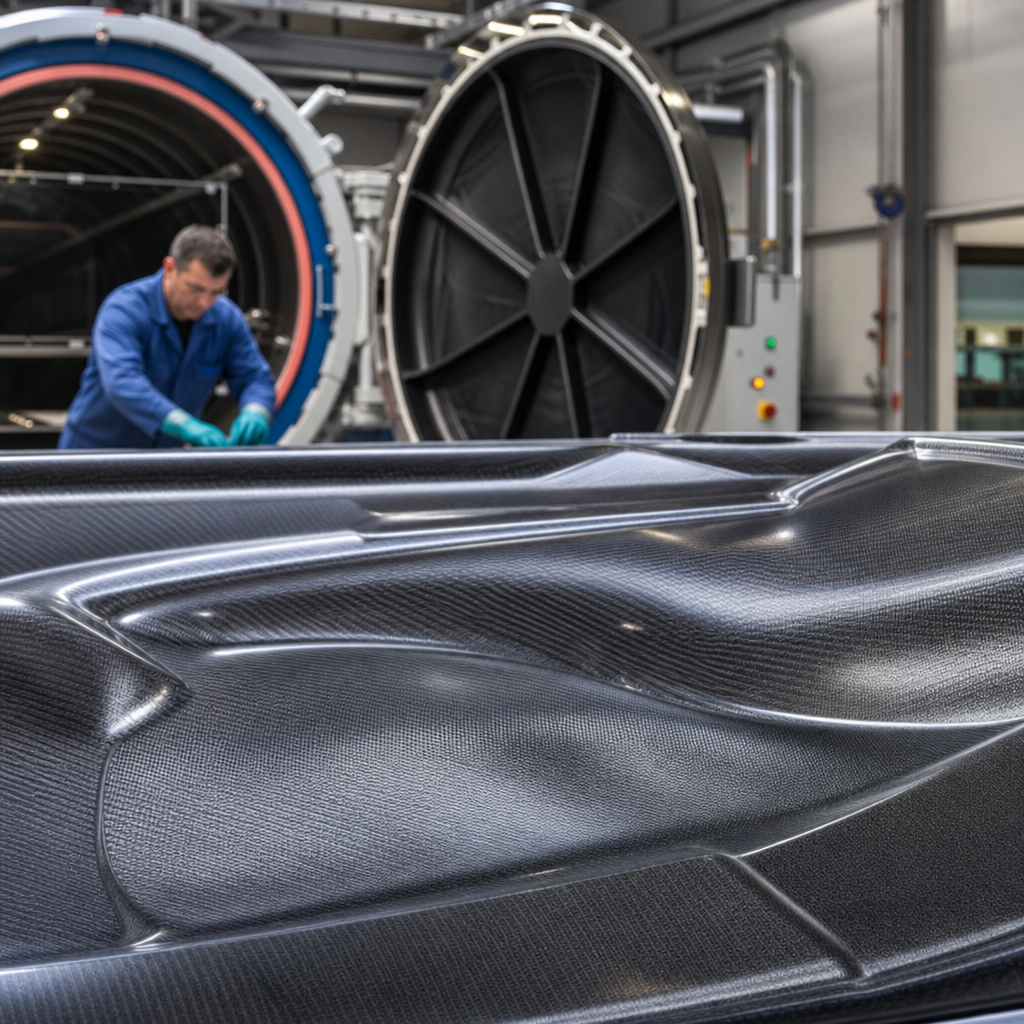
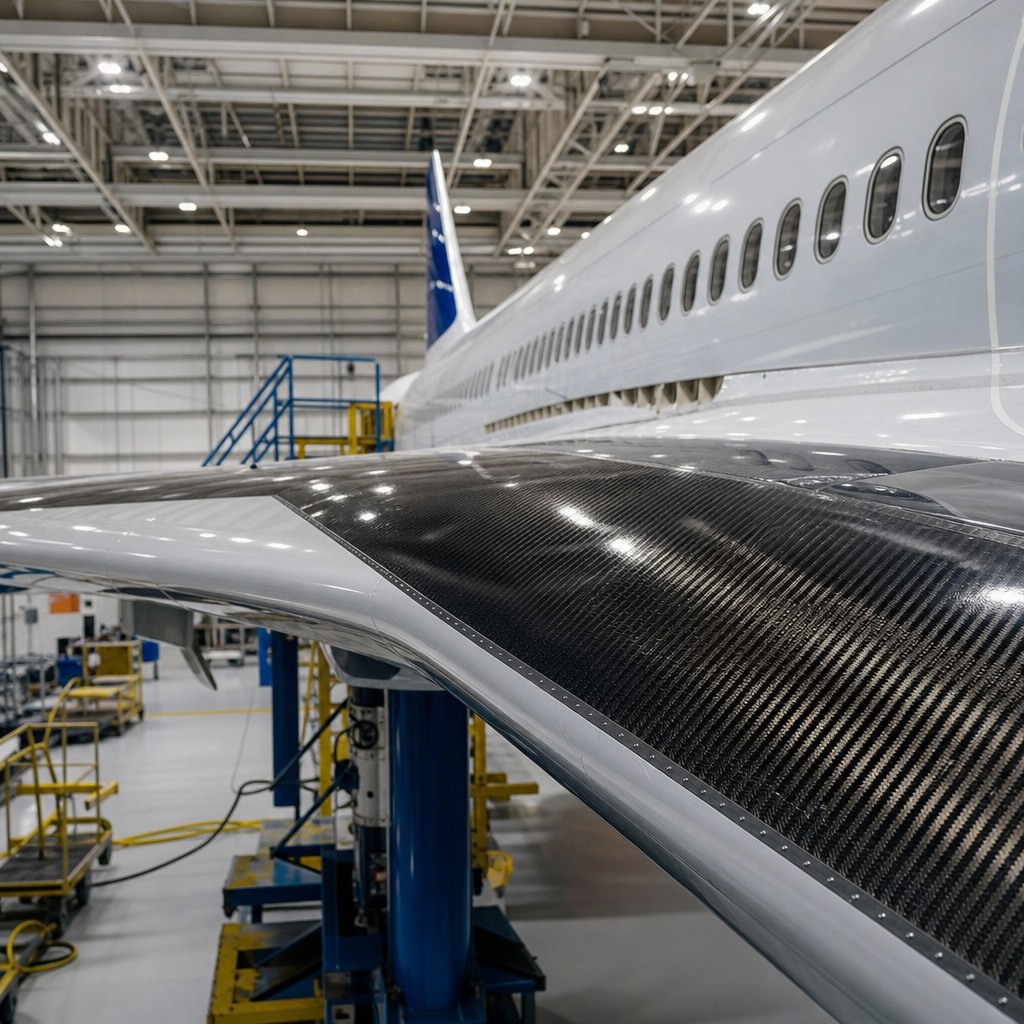
One of the most important innovations in polymer solutions is the use of composites and polymer-modified systems for structural rehabilitation. Fiber-reinforced polymer laminates and fabrics, commonly made with carbon or glass fibers in epoxy matrices, are used to strengthen beams, slabs, columns, and bridges without adding substantial dead load. The American Concrete Institute’s ACI 440 guidance helped standardize this field by defining design and application principles for externally bonded FRP systems. Compared with steel plate bonding, FRP can be easier to install in confined areas and offers excellent corrosion resistance. Epoxy injection systems are also widely used to restore continuity in cracked concrete when structural conditions permit. For nonstructural and semi-structural repairs, polymer-modified mortars provide higher adhesion and lower shrinkage than plain cement repairs, especially in thin-section applications. In parking decks, balconies, and wastewater plants, chemical attack and chloride ingress are constant threats; polyurethane and epoxy protective coatings extend service life by forming dense barriers. These are not cosmetic upgrades. They directly affect asset preservation by slowing reinforcement corrosion, reducing water intrusion, and limiting freeze-thaw damage, all of which lower long-term maintenance costs.
Building envelope, waterproofing, and energy performance
The building envelope is where polymer technologies show their broadest impact because moisture, air leakage, solar radiation, and thermal bridging all converge there. Fluid-applied air barriers based on acrylic, silyl-terminated polyether, or polyurethane chemistry create seamless control layers around complex penetrations that sheet membranes often struggle to detail. Silicone and hybrid sealants accommodate movement at curtain wall joints while resisting ultraviolet degradation better than many older sealant types. Thermoplastic polyolefin, polyvinyl chloride, and EPDM roofing membranes each rely on polymer engineering to balance weldability, puncture resistance, weathering, and flexibility. In below-grade construction, bentonite systems remain useful, but polymeric sheet and liquid membranes often provide more consistent thickness and detailing around corners, tie-ins, and terminations. Polymer foams are equally significant for thermal performance. Polyisocyanurate boards are common above roof decks because of their high R-value per inch, while spray polyurethane foam combines insulation and air sealing in one application. Used correctly, these systems reduce heat flow, control condensation risk, and improve occupant comfort. The limitation is that envelope polymers demand careful compatibility review, substrate preparation, and fire-code compliance; material performance depends as much on detailing and installation quality as on chemistry.
Interior finishes, flooring, piping, and adhesives
Inside buildings, polymers make finishes more resilient, hygienic, and easier to maintain. Vinyl composition tile, luxury vinyl tile, rubber flooring, and resinous epoxy or polyurethane floors are all polymer-driven solutions selected for wear resistance, cleanability, and chemical tolerance. Hospitals, laboratories, food plants, and schools rely on seamless resin floors because they resist staining and can be coved up walls to eliminate dirt-catching joints. Wall coatings based on acrylic and epoxy chemistry improve scrub resistance and moisture tolerance in high-use spaces. Gypsum joint compounds and skim coats often include polymer binders that enhance workability and crack resistance. In building services, CPVC, PEX, HDPE, and polypropylene piping systems have transformed plumbing and hydronic applications by reducing corrosion, simplifying installation, and tolerating aggressive water conditions that shorten metal pipe life. Adhesives are another major category. Wood flooring adhesives, façade panel bonding systems, construction mastics, and tile setting materials increasingly depend on polymer formulations to bond dissimilar substrates while absorbing movement and vibration.
| Application | Common polymer solution | Primary performance gain | Typical example |
|---|---|---|---|
| Concrete repair | Acrylic or SBR polymer-modified mortar | Higher bond, lower permeability, better flexural behavior | Balcony edge patching |
| Structural strengthening | Carbon fiber reinforced polymer with epoxy | High strength-to-weight ratio, corrosion resistance | Beam retrofit |
| Roofing | TPO, PVC, EPDM membranes | Weatherproofing and UV durability | Low-slope commercial roof |
| Insulation | Polyisocyanurate or spray polyurethane foam | High thermal resistance and air sealing | Roof and wall assemblies |
| Piping | PEX, HDPE, CPVC | Corrosion resistance and faster installation | Domestic water systems |
| Flooring | Epoxy or polyurethane resin | Chemical resistance and seamless finish | Healthcare corridors |
Manufacturing innovation, sustainability, and performance tradeoffs
Recent innovations in polymer solutions are not limited to product use; they also involve how materials are formulated, manufactured, and evaluated. Manufacturers now use nanofillers, reactive diluents, advanced catalysts, and tailored copolymers to improve toughness, cure speed, flame behavior, and weatherability. Prefabricated composite panels reduce site labor and improve quality control because factory conditions produce tighter tolerances than exposed job sites. Digital formulation tools and accelerated weathering tests help predict long-term performance, while standards such as ASTM methods, ISO classifications, and EN product specifications give specifiers a common language for comparing products. Sustainability is driving another wave of change. Recycled-content polymers, lower-VOC coatings, phthalate-free formulations, mass-balance bio-attributed feedstocks, and longer-life membranes all aim to reduce environmental impact. Yet tradeoffs remain. Some high-performing polymers are difficult to recycle in mixed construction waste streams. Fire performance, smoke development, and thermal expansion must be managed carefully. Certain solvent-based or moisture-sensitive systems can fail when installed outside their temperature or humidity window. In my experience, the best outcomes come from matching chemistry to exposure, verifying compatibility through mockups, and reviewing whole-life performance rather than purchase price alone. A cheaper membrane, adhesive, or coating that fails early is never truly economical.
The role of polymers in enhancing building materials is ultimately about precision performance across the life of a building. Polymers allow designers and contractors to solve specific problems—cracking, leakage, corrosion, thermal loss, chemical attack, movement, and wear—with material systems engineered for those exact conditions. They strengthen concrete, protect steel, insulate envelopes, seal joints, improve flooring, and modernize water distribution, often while reducing installation time and maintenance frequency. Innovations in polymer solutions are especially valuable because they connect multiple disciplines: structural engineering, enclosure design, interior performance, sustainability, and facility management. The key is not to treat polymers as generic plastics, but as specialized chemistries with distinct behaviors, standards, and application requirements. Successful selection depends on understanding substrate conditions, service environment, code obligations, and installer capability. When those factors are aligned, polymer-enhanced materials deliver longer service life, better energy performance, and more predictable building outcomes. If you are planning specifications, product development, or a renovation strategy, use this hub as your starting point and evaluate where polymer technologies can deliver measurable gains in durability, efficiency, and lifecycle value across your next project.
Frequently Asked Questions
1. What are polymers, and why are they so important in modern building materials?
Polymers are large molecules made of repeating structural units, and in construction they include a broad family of materials such as plastics, elastomers, thermoplastics, thermosets, polymer dispersions, foams, sealants, adhesives, and fiber-reinforced composites. Their importance in modern building materials comes from the fact that they can be engineered to deliver very specific performance characteristics that traditional materials alone may not provide. Depending on the formulation, polymers can increase flexibility, reduce weight, improve bond strength, resist moisture intrusion, enhance thermal insulation, and protect against chemical attack or corrosion.
In practical terms, polymers show up across nearly every major building system. They are used in concrete admixtures and repair mortars, waterproofing membranes, roofing systems, thermal insulation boards and spray foams, façade components, resilient flooring, pipework, protective coatings, glazing sealants, and composite reinforcement products. This wide applicability makes them central to contemporary construction, especially where builders need materials that are durable, easy to install, and capable of performing under demanding environmental conditions.
Another major reason polymers matter is design flexibility. Engineers and manufacturers can tailor polymer-based materials to meet project-specific needs, whether the goal is higher impact resistance, lower thermal conductivity, better weatherability, or faster curing times. That ability to customize performance has helped polymers become indispensable in both new construction and renovation work, where efficiency, lifecycle cost, and long-term durability are increasingly important.
2. How do polymers improve the strength and durability of building materials?
Polymers improve strength and durability in several distinct but related ways. In cementitious systems, polymer modifiers can enhance adhesion, reduce permeability, and improve flexural performance. For example, polymer-modified mortars and concretes tend to bond better to existing substrates, resist cracking more effectively, and tolerate cycles of moisture and temperature change better than unmodified mixes. This makes them especially useful in repairs, overlays, tile adhesives, grouts, and protective rendering systems.
In composite materials, polymers act as matrix binders that hold reinforcing fibers together and transfer loads efficiently. Fiber-reinforced polymer, or FRP, systems used with glass, carbon, or aramid fibers are a good example. These materials provide high strength-to-weight ratios and are commonly used to strengthen structural members, retrofit aging infrastructure, and produce lightweight but robust panels and components. Because they are much lighter than steel and often highly corrosion-resistant, they can offer both performance and logistical advantages.
Durability is also improved because many polymers resist water, salts, ultraviolet exposure, abrasion, and aggressive chemicals better than conventional alternatives. Coatings and sealants formulated with advanced polymers can protect substrates such as steel, concrete, and masonry from premature deterioration. In piping systems, polymer materials can resist corrosion and scaling, extending service life in environments where metal systems may degrade. Over time, these benefits translate into reduced maintenance, fewer repairs, and better long-term performance of the building envelope and structural assemblies.
3. In what ways do polymers enhance insulation and energy efficiency in buildings?
Polymers play a major role in insulation and energy efficiency because many of them have low thermal conductivity and can be manufactured into highly effective insulating products. Rigid foam insulation made from materials such as expanded polystyrene, extruded polystyrene, and polyurethane is widely used in walls, roofs, foundations, and insulated panels. These products help reduce heat transfer through the building envelope, which lowers heating and cooling demands and improves overall energy performance.
Beyond simple thermal resistance, polymers also contribute to air sealing and moisture control. Sealants, tapes, gaskets, and spray foams are often polymer-based, and they help close gaps around windows, doors, penetrations, and façade joints. By reducing uncontrolled air leakage, these materials improve occupant comfort, support HVAC efficiency, and limit condensation risks inside assemblies. In modern building science, thermal performance is closely tied to airtightness and moisture management, and polymers are central to achieving both.
Polymers can also improve energy efficiency indirectly through lightweight construction and reflective or protective coatings. Lightweight polymer composites can reduce structural load demands and simplify prefabrication. Meanwhile, roof coatings and façade finishes made with advanced polymer binders can improve weather resistance and solar reflectance, helping moderate surface temperatures and extend the life of underlying materials. When selected and installed properly, polymer-based insulation and envelope products contribute not only to lower utility costs, but also to more durable and resilient buildings.
4. Why are polymer-based materials often preferred for corrosion resistance and moisture protection?
Polymer-based materials are often preferred for corrosion resistance and moisture protection because they are inherently less vulnerable to many of the degradation mechanisms that affect metals, untreated concrete, and porous masonry. Water, oxygen, salts, industrial pollutants, and chemicals can all drive deterioration in traditional materials, but many polymers form barriers that prevent or slow this process. As coatings, membranes, linings, and sealants, they help isolate substrates from the surrounding environment and preserve their integrity over time.
In roofing and waterproofing, polymer-modified bitumen, liquid-applied membranes, thermoplastic sheets, and elastomeric sealants are commonly used to stop water ingress and accommodate movement in the building envelope. Their flexibility is particularly valuable because buildings naturally expand, contract, and shift under thermal and structural loads. A rigid protective layer may crack under these conditions, but many polymer systems can stretch or deform without losing continuity, making them highly effective in joints, transitions, and exposed assemblies.
In mechanical and plumbing applications, polymer pipes and fittings are often chosen because they resist corrosion, chemical attack, and internal scaling better than some metal alternatives. In reinforced concrete structures, polymer coatings and repair systems can help reduce chloride ingress and protect embedded steel from corrosion. These advantages are especially important in coastal areas, industrial settings, and infrastructure exposed to deicing salts or aggressive groundwater. The result is a longer service life, lower maintenance burden, and more reliable performance in harsh environments.
5. Are there any trade-offs or considerations when using polymers in construction?
Yes, although polymers offer substantial advantages, they must be selected and specified carefully. Not all polymers perform the same way, and their success depends on factors such as ultraviolet stability, temperature tolerance, fire performance, chemical compatibility, load requirements, substrate conditions, and installation quality. A material that performs exceptionally well in a roofing membrane, for example, may not be suitable for a structural composite or an interior finish. That is why product selection should always be tied to the intended application and supported by relevant standards, testing data, and manufacturer guidance.
Fire behavior is one important consideration. Some polymer-based products require additives, protective facings, or specific assembly designs to meet fire safety requirements. Long-term aging is another factor, especially in exterior applications exposed to sunlight, moisture, and thermal cycling. Certain polymers can embrittle, discolor, creep, or lose performance if they are not properly stabilized or if they are used outside their design limits. Installation conditions also matter a great deal; adhesives, coatings, sealants, and membranes often depend on proper surface preparation, temperature control, curing time, and workmanship for full effectiveness.
Sustainability and end-of-life management are also increasingly important in construction decision-making. Many polymer products contribute to sustainability by improving energy efficiency, extending service life, and reducing maintenance frequency, but questions around recyclability, embodied carbon, raw material sourcing, and disposal still need to be addressed. The most responsible approach is not to treat polymers as universally superior or inferior, but to evaluate them based on performance, lifecycle value, code compliance, and environmental impact. When used thoughtfully, polymers are among the most effective tools available for enhancing modern building materials and delivering high-performing buildings.