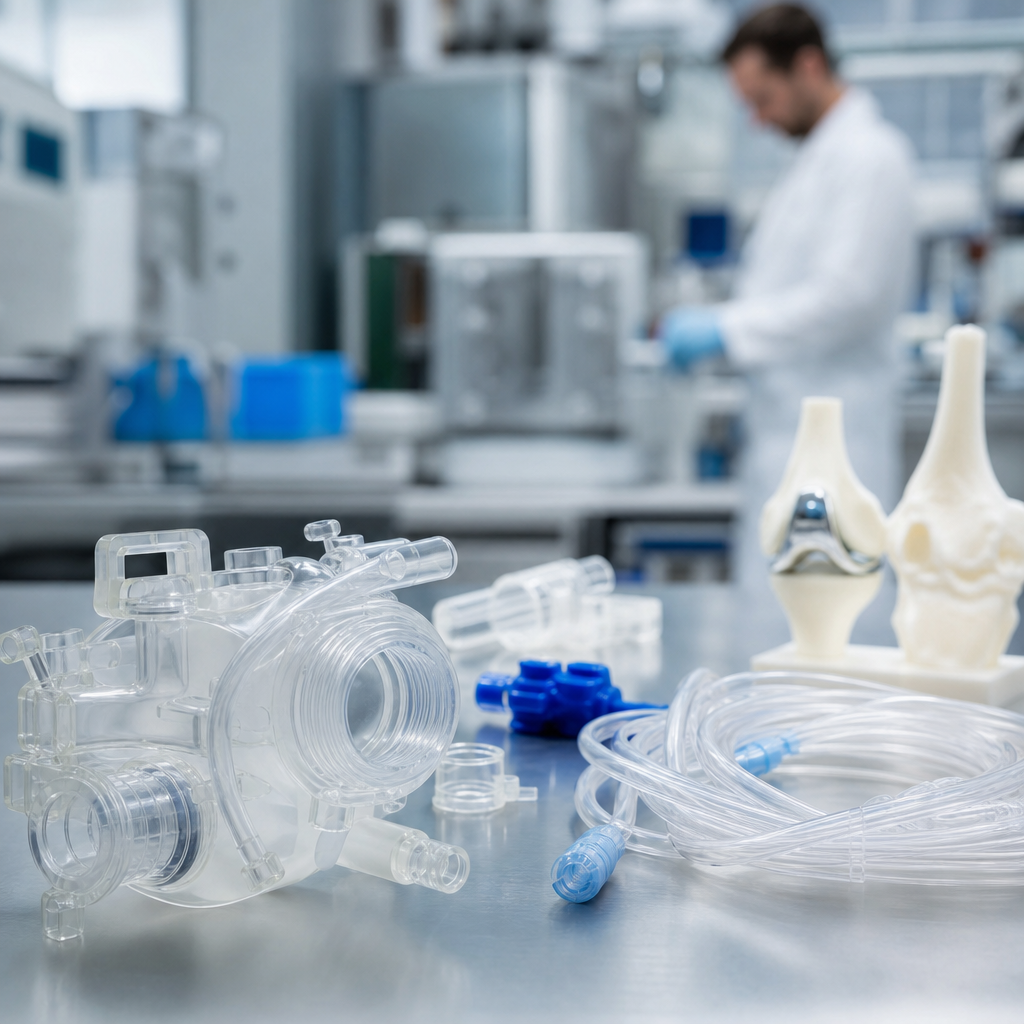
High-performance polymers are reshaping modern sports equipment by delivering lighter weight, higher strength, better impact control, and longer service life than many traditional materials. In practical terms, these are engineered plastics and polymer composites designed to retain mechanical, thermal, and chemical performance under demanding conditions. Examples include polyether ether ketone, ultra-high-molecular-weight polyethylene, thermoplastic polyurethane, polyamide blends, epoxy matrix composites, liquid crystal polymers, and advanced elastomers. I have worked with product teams evaluating these materials in protective gear, footwear components, racket systems, and sliding surfaces, and the pattern is consistent: the right polymer system can improve athlete comfort and measurable performance at the same time. This matters because sports equipment sits at the intersection of biomechanics, safety, manufacturing efficiency, and consumer expectation. Athletes want speed and control, governing bodies require compliance, and brands need durable, scalable designs. High-performance polymers answer all three demands when selected correctly. They can tune stiffness, damping, rebound, abrasion resistance, and friction more precisely than metal, wood, leather, or commodity plastics alone. As a result, they have become central to innovation across cycling, skiing, running, tennis, football, baseball, hockey, swimming, and wearable protection.
At the hub level, understanding high-performance polymers means understanding not just what they are, but how they behave in real sporting environments. A polymer is a material made of long molecular chains, while a high-performance polymer is formulated or structured to maintain specialized properties under stress, heat, repeated loading, moisture exposure, ultraviolet light, or impact. In sports equipment, these properties translate into practical outcomes: a bicycle helmet liner that absorbs energy more predictably, a ski boot shell that stays stiff in cold temperatures, a running shoe plate that returns energy efficiently, or a racket grommet that resists wear after thousands of string movements. The material choice also affects manufacturing methods such as injection molding, thermoforming, filament winding, resin transfer molding, additive manufacturing, and lamination. Because this article serves as a sub-pillar hub under innovative products and solutions, it covers the core material families, performance benefits, application areas, design considerations, sustainability tradeoffs, and evaluation criteria that connect the entire topic. If you need a clear overview of how high-performance polymers enhance sports equipment, this page provides the foundation.
What high-performance polymers do better than conventional materials
The simplest answer is that high-performance polymers allow engineers to place material only where it adds value and to tune the response of a product more precisely. Metals are strong, but they are often heavier and less forgiving in impact-dominant applications. Wood offers feel, but consistency varies with grain, moisture, and age. Commodity plastics are inexpensive, but many soften, crack, creep, or wear too quickly for premium sports use. Advanced polymers and polymer composites close those gaps by offering a superior strength-to-weight ratio, fatigue resistance, corrosion resistance, and controllable elasticity. In a carbon-fiber composite bicycle frame, the polymer matrix binds the fibers and transfers load, making the resin system just as important as the reinforcement. In protective padding, viscoelastic polyurethane foams convert kinetic energy into heat through internal friction, reducing peak force. In sliding sports, polyethylene base materials can be engineered for wax absorption and abrasion resistance, influencing glide and durability.
One of the biggest advantages is property tailoring. By changing molecular weight, crystallinity, fillers, fiber orientation, or copolymer composition, engineers can alter stiffness, damping, resilience, and toughness. I have seen small changes in polymer formulation solve major field complaints. A shin guard shell that felt brittle in winter conditions performed far better after switching to an impact-modified polyamide blend. A grip component that became slick with sweat improved after replacing a standard thermoplastic elastomer with a higher-friction formulation and revised surface texture. These are not abstract improvements; they affect control, confidence, and injury risk. High-performance polymers also support part consolidation. Instead of assembling multiple metal and rubber components, manufacturers can mold complex geometries in one piece, reducing weight, assembly time, and failure points. That is why these materials now appear in everything from helmet fit systems to skate holders and compression-molded boot counters.
Key material families used in sports equipment
Different sports demand different polymer behaviors, so no single material dominates every application. Polyether ether ketone, commonly called PEEK, is valued for high strength, dimensional stability, wear resistance, and performance at elevated temperatures; it appears more often in elite components and specialized bearings than in mass-market gear because of cost. Ultra-high-molecular-weight polyethylene, or UHMWPE, is prized for low friction, abrasion resistance, and impact tolerance. It is used in hockey rink dasher components, ski base materials, wear strips, and cut-resistant fibers when supplied in highly oriented forms. Thermoplastic polyurethane, known as TPU, is one of the most versatile families in sports because it combines flexibility, abrasion resistance, and energy return. It is common in midsoles, outsoles, protective films, inflatable bladders, and overmolded grip zones.
Polyamides, including nylon 6, nylon 66, and long-chain specialty grades, are widely used in boot shells, bindings, eyewear frames, cleats, and housings due to toughness and processability. Reinforced polyamides filled with glass fiber or carbon fiber can achieve excellent stiffness at lower weight than metals. Epoxy resins remain central in thermoset composites for bicycles, rackets, golf shafts, paddles, and fishing rods because they bond fibers effectively and cure into rigid matrices with strong fatigue performance. Polycarbonate remains important where optical clarity and impact resistance are required, especially in visors, goggle lenses, and some protective shells, often with coatings for scratch and fog resistance. Ethylene-vinyl acetate, or EVA, though more common than exotic, still matters because expanded and supercritical-foamed versions deliver tuned cushioning in footwear and pads. Expanded polypropylene, expanded thermoplastic polyurethane, and nitrile foams round out the list in helmets and impact systems. Material selection depends on loading mode, service temperature, regulatory requirements, target price, and expected product lifespan.
How these polymers improve real sports products
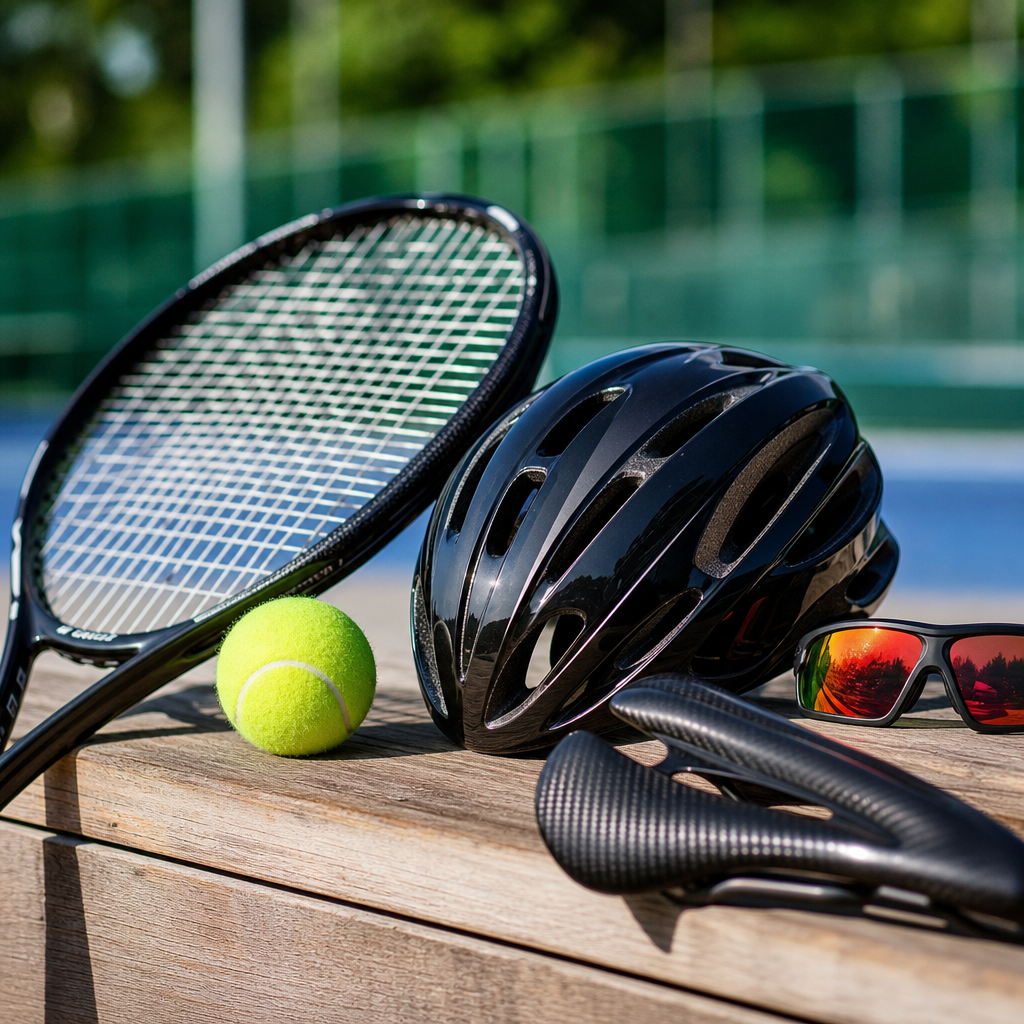
The performance gains become clearest when tied to actual equipment categories. In running shoes, advanced foams and polymer plates change running economy by controlling compression, rebound, and bending stiffness. Pebax-based foams and expanded TPU systems are well known for high resilience at low density, while carbon or glass-reinforced polymer plates help create a rocker effect that can reduce energy loss during toe-off. In cycling, epoxy-carbon composite rims and frames lower mass while maintaining directional stiffness, and TPU or polyamide components improve tubeless sealing, valve durability, and helmet fit mechanisms. In skiing and snowboarding, polyurethane and polyamide boot materials are chosen for their flex profile and temperature stability, while UHMWPE bases influence wax retention and glide. In tennis, polymer grommets, dampers, and composite layups affect feel, string life, and vibration transfer to the arm.
Protective equipment shows another major benefit. Football helmets, cycling helmets, and snow sports helmets increasingly use multi-density foams, expanded polypropylene, rotational-impact management layers, and low-friction polymer liners to address both linear and angular acceleration. Mouthguards rely on thermoformable polymers that can adapt to dental geometry while maintaining shock attenuation. Shin guards, chest protectors, baseball catcher’s gear, and hockey padding combine stiff shells with energy-absorbing foams to spread and dissipate impact. Even in aquatic sports, polymers matter: silicone and thermoplastic elastomers improve goggle seals, while chlorinated-water-resistant elastanes extend swimwear life. The following table summarizes how common high-performance polymer families map to sports equipment needs.
| Polymer family | Typical sports applications | Main performance benefit | Key limitation |
|---|---|---|---|
| TPU | Footwear midsoles, overlays, bladders, guards | Elasticity, abrasion resistance, energy return | Can hydrolyze if poorly formulated |
| UHMWPE | Ski bases, wear components, protective fibers | Low friction, impact and abrasion resistance | Difficult bonding without surface treatment |
| PEEK | Bearings, elite structural parts | High strength, thermal and wear stability | High material and processing cost |
| Reinforced polyamide | Boot shells, bindings, cleats, housings | Stiffness-to-weight ratio and toughness | Moisture absorption can change properties |
| Epoxy composite matrix | Bikes, rackets, paddles, shafts | Excellent fiber bonding and fatigue performance | Repair and recycling are challenging |
| Polycarbonate | Visors, lenses, face shields | Impact resistance and optical clarity | Needs coatings for scratch resistance |
Design, testing, and manufacturing considerations
Choosing a high-performance polymer is never just a materials exercise; it is a system decision involving geometry, process, joining, cost, and test protocol. A polymer that looks ideal in a datasheet can fail in use if notch sensitivity, creep, weld line weakness, or environmental stress cracking are ignored. In sports product development, teams typically begin with target properties tied to athlete use cases: impact attenuation for a helmet, torsional stiffness for a paddle, rebound resilience for a midsole, or coefficient of friction for a grip surface. From there, engineers evaluate candidate materials through finite element analysis, prototyping, and standards-based testing. Common test methods include tensile testing under ASTM D638, impact testing such as Izod or Charpy where relevant, compression set for foams, abrasion testing, and climate exposure for heat, cold, humidity, and ultraviolet radiation. For helmets and protective gear, certification protocols from organizations such as NOCSAE, ASTM, CE frameworks, and sport-specific governing bodies are essential.
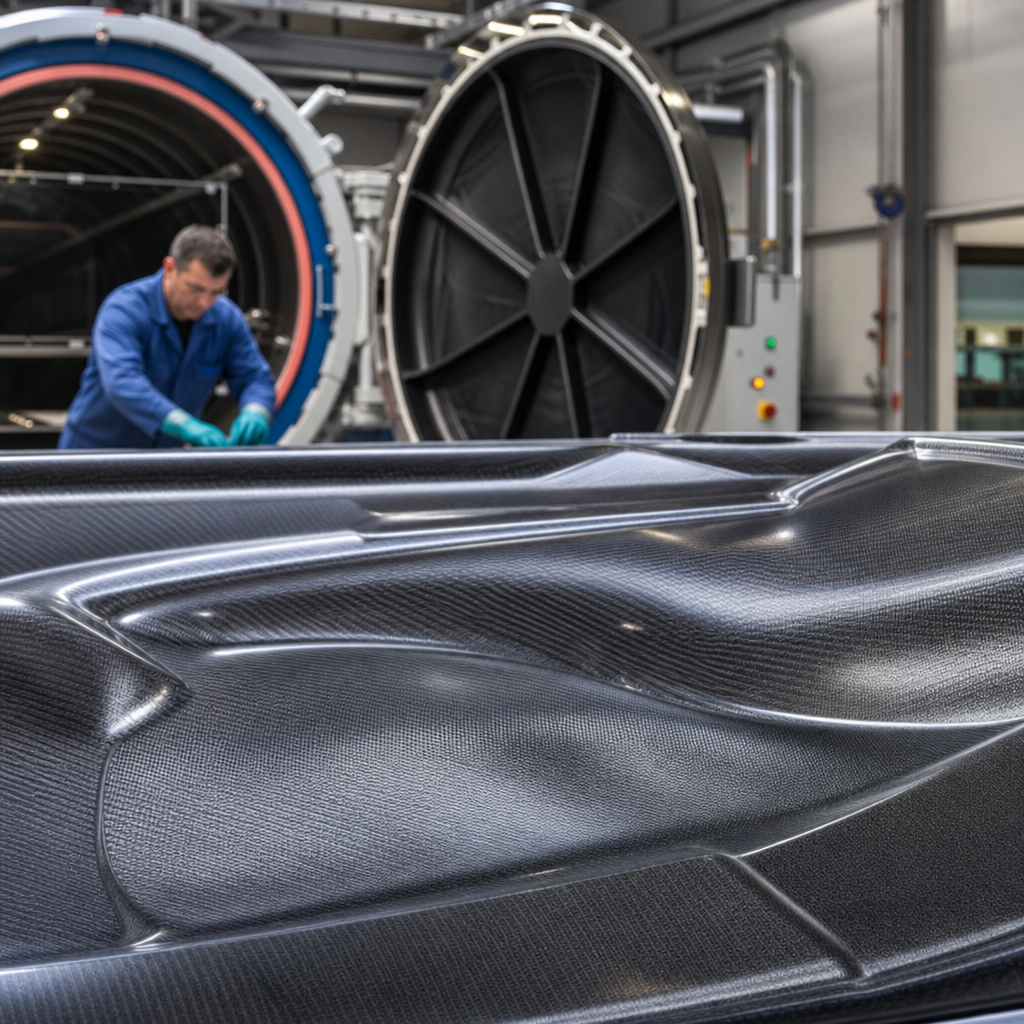
Manufacturing route strongly influences final performance. Injection molding is efficient for repeatable complex parts, but gate location, fiber orientation, and cooling rate affect strength and warpage. Compression molding works well for certain composite sheets and protective shells. Thermoset composite layups enable very high performance, yet curing cycles and void control are critical. Additive manufacturing increasingly supports custom insoles, lattice padding, and individualized protective components, especially with TPU powders in selective laser sintering or elastomeric photopolymers in lattice prototyping. In my experience, the most successful programs treat design for manufacturability as early as material selection. For example, a high-modulus polymer may hit stiffness targets but create sink marks, inconsistent wall sections, or assembly issues unless the part architecture changes. Equally important is long-term testing. Repeated sweat exposure, sunscreen contact, freeze-thaw cycles, and transportation heat can degrade materials in ways lab screening does not always capture. Field validation with athletes remains indispensable.
Sustainability, limitations, and where the market is heading
High-performance polymers improve sports equipment, but they also bring tradeoffs that responsible brands now have to address directly. Many advanced materials are petroleum-derived, energy-intensive to produce, and difficult to recycle, especially thermoset composites with permanent crosslinked structures. Carbon-fiber epoxy products can last a long time, which helps offset impact through durability, yet end-of-life recovery remains limited compared with metals. Footwear is another challenge because midsoles, outsoles, adhesives, textiles, and reinforcement layers are often bonded into multi-material assemblies that are hard to separate. That said, the market is moving toward better solutions. Bio-based polyamides, partially recycled TPUs, mechanically recycled nylons, and mono-material design strategies are becoming more credible. Some brands now use supercritical foaming to reduce material mass, waterless or low-solvent processing to cut emissions, and thermoplastic composite systems that are easier to reshape or reclaim than thermosets. Life cycle assessment is increasingly used to compare options rather than relying on simple recycled-content claims.
Looking ahead, expect three clear trends. First, customization will expand through digital manufacturing and tunable polymer architectures, allowing brands to adjust cushioning, fit, and protective response for different body types and playing styles. Second, smart integration will grow as conductive inks, printed sensors, and flexible polymer substrates make it easier to build data capture into equipment without adding major weight. Third, hybrid structures will become more common, combining polymers with fibers, foams, textiles, and selective metal inserts to optimize localized performance. For buyers, designers, and product managers, the takeaway is straightforward: high-performance polymers are no longer niche materials reserved for elite gear. They are foundational to how modern sports equipment is conceived, tested, and improved. If you are evaluating innovative products and solutions, start by mapping the performance problem, then match it to the polymer properties, processing route, and durability requirements that matter most. That approach leads to equipment that performs better, lasts longer, and serves athletes more intelligently.
Frequently Asked Questions
1. What are high-performance polymers, and why are they becoming so important in sports equipment?
High-performance polymers are advanced engineered plastics and polymer-based composites designed to maintain excellent mechanical, thermal, and chemical properties even under demanding conditions. In sports equipment, that matters because gear is regularly exposed to repeated impacts, flexing, sweat, moisture, temperature changes, UV exposure, and abrasive wear. Unlike many conventional materials, these polymers can be tailored to deliver a very specific combination of low weight, high strength, durability, stiffness, flexibility, and surface performance. That level of tunability makes them especially valuable in modern athletic design.
Manufacturers use materials such as polyether ether ketone (PEEK), ultra-high-molecular-weight polyethylene (UHMWPE), thermoplastic polyurethane (TPU), high-performance polyamide blends, and epoxy matrix composites to solve very practical design problems. For example, they can reduce the mass of a bicycle component without sacrificing structural integrity, improve the abrasion resistance of a shoe outsole, or help a helmet liner manage energy transfer more effectively during impact. In many cases, the advantage is not just one property in isolation, but a better balance of multiple properties working together.
That is why high-performance polymers are becoming so central to sports equipment innovation. Athletes and consumers want gear that feels lighter, responds faster, lasts longer, and improves comfort and safety. Polymers make it possible to engineer those outcomes with a level of precision that is often difficult to achieve with traditional materials alone. As performance standards increase across sports, these materials are helping manufacturers push design further while maintaining reliability in real-world use.
2. How do high-performance polymers make sports equipment lighter without making it weaker?
The key advantage is strength-to-weight performance. Many high-performance polymers and polymer composites offer excellent mechanical strength at a much lower density than metals or heavier conventional materials. That allows designers to reduce total mass while preserving, and sometimes even improving, structural capability. In sports equipment, less weight can translate to quicker movement, lower fatigue, easier handling, and more efficient energy transfer, all of which can affect both performance and user experience.
Composites are particularly important here. When reinforcing fibers are combined with a polymer matrix, such as an epoxy-based system, the result can be a structure with impressive stiffness and strength while remaining very light. This is why polymer composites are widely used in products like tennis racquets, hockey sticks, bicycle frames, paddles, skis, and protective shells. The polymer component helps bind and protect the reinforcement, distribute stress, and support complex shapes that would be difficult or less efficient with more traditional materials.
It is also important to understand that “lighter” does not mean simply using less material. Engineers redesign the geometry of the product around the material’s performance profile. Ribs, layered constructions, foam cores, and selectively reinforced zones can all be used to place material only where it contributes the most. In other words, the polymer allows a smarter structure, not just a thinner one. That design freedom is one of the main reasons sports equipment can become lighter while still meeting demanding strength, fatigue, and safety requirements.
3. In what ways do these polymers improve impact protection and athlete safety?
High-performance polymers can significantly improve impact management because many of them are capable of absorbing, dispersing, and controlling energy in ways that rigid traditional materials cannot. In protective equipment such as helmets, pads, guards, and inserts, the goal is not simply to resist force, but to manage how that force moves through the structure. Certain polymer foams, elastomers, and composite systems can deform in a controlled manner, reducing peak loads and helping limit the energy transmitted to the athlete’s body.
Materials such as TPU and UHMWPE are especially useful in applications where toughness, resilience, and impact resistance are critical. TPU can provide flexibility and repeated energy absorption, making it valuable in footwear cushioning systems, protective overlays, and shock-managing components. UHMWPE is known for exceptional toughness, low friction, and high wear resistance, which can make it useful in protective elements that must endure repeated contact or sliding. In more advanced applications, layered polymer systems can be engineered so that one layer spreads impact while another cushions and dissipates it.
Safety benefits also extend beyond direct collision protection. Better impact control can improve stability, reduce vibration, and enhance comfort, all of which influence athlete confidence and body mechanics. For example, a racquet or stick that transmits less harsh vibration may reduce strain during repeated use, while footwear with polymer-based cushioning can lessen repetitive stress on joints. Although no material alone guarantees safety, high-performance polymers give designers better tools to create equipment that performs more predictably under stress and supports higher standards of protection.
4. Which types of sports equipment benefit the most from high-performance polymers?
High-performance polymers are valuable across a wide range of sports, but they are especially impactful in equipment where low weight, high durability, precise mechanical response, or impact resistance are essential. In cycling, polymer composites and advanced engineering plastics are used in frames, pedals, helmets, saddles, and drivetrain components to reduce weight while maintaining structural performance. In racquet sports, they help produce frames that offer a carefully tuned blend of stiffness, power, control, and vibration damping. In winter sports, they are used in skis, boots, bindings, and protective gear because they perform well under cold conditions and repeated loading.
Footwear is another major category. Modern athletic shoes rely heavily on polymer technology for midsoles, outsoles, plates, heel counters, and uppers. Materials such as TPU and specialty polyamides help improve rebound, flexibility, abrasion resistance, and shape retention. In team sports, helmets, shoulder pads, shin guards, mouthguard components, and stick or bat systems all benefit from polymers that can withstand impacts and repeated use. Water sports, golf, climbing, and fitness equipment also make extensive use of polymer solutions because they resist moisture, chemicals, corrosion, and environmental degradation better than many alternatives.
In practice, the biggest benefits appear wherever equipment must endure repeated stress while still delivering comfort and performance consistency. A casual user may notice lighter feel, reduced vibration, or longer product life. A competitive athlete may notice more responsive handling, tighter tolerances, and equipment that performs the same way over many sessions. That broad versatility is exactly why high-performance polymers are now considered foundational materials in sports equipment design rather than niche upgrades.
5. Are high-performance polymer sports products more durable and cost-effective over time?
In many cases, yes. High-performance polymers are often selected specifically because they resist wear, fatigue, moisture, chemicals, and environmental stress better than standard materials. That can lead to equipment that maintains its shape, strength, surface quality, and performance characteristics over a longer service life. For sports equipment exposed to repeated impacts, flex cycles, sweat, dirt, UV light, and temperature swings, that durability can be a major advantage. A part that stays stable and reliable longer may need less frequent replacement and may provide more consistent performance throughout its usable life.
Examples of this durability are easy to see. UHMWPE is widely recognized for exceptional abrasion and wear resistance, making it well suited for high-contact and sliding applications. PEEK is valued for retaining mechanical properties under demanding thermal and chemical conditions, which is important in precision components or high-load environments. Polyamide blends and thermoplastic elastomers can also provide an effective combination of toughness, fatigue resistance, and resilience in products that are bent, compressed, or stressed repeatedly. This is particularly useful in footwear systems, structural inserts, and modular performance parts.
Upfront cost, however, can be higher. Advanced polymers and composites often involve more specialized raw materials, processing methods, and quality control than standard plastics or basic metals. But cost-effectiveness should be evaluated across the full product lifecycle, not just the purchase price. If a polymer-based product is lighter, more comfortable, safer, more durable, and slower to degrade in performance, it may deliver better long-term value for both athletes and manufacturers. For high-use or performance-critical sports equipment, the ability to extend service life while improving function often justifies the investment.