High-performance polymers are reshaping modern construction by solving problems that steel, concrete, wood, and commodity plastics cannot solve alone. In this context, high-performance polymers are engineered materials such as polyether ether ketone, fluoropolymers, polyphenylene sulfide, advanced epoxies, structural polyurethanes, fiber-reinforced polymer composites, and specialty membranes designed to deliver superior strength-to-weight ratio, chemical resistance, thermal stability, durability, and design flexibility under demanding service conditions. I have worked with these materials in specification reviews, façade remediation planning, roofing retrofits, and infrastructure repair programs, and the pattern is consistent: when lifecycle performance matters more than lowest first cost, polymers move from niche option to strategic material choice. That shift matters because construction is under simultaneous pressure to decarbonize, extend asset life, reduce maintenance shutdowns, accelerate installation, and withstand harsher environmental exposure. High-performance polymers help address each of those pressures, but only when designers understand where they fit, how they fail, and what standards govern their use. As a hub topic, this article maps the core material categories, major applications, performance drivers, risks, and selection criteria shaping the future of high-performance polymers in construction.
The term can be confusing because it covers both pure polymer resins and composite systems. A fluoropolymer coating on metal cladding, a glass-fiber-reinforced polymer bridge deck, an ETFE roof cushion, an epoxy anchoring adhesive, and a cross-linked polyethylene pipe are all polymer-based solutions, yet they behave differently in design, installation, fire testing, and end-of-life handling. The unifying idea is not simply that they are plastic. It is that they are engineered to maintain critical properties under stress, heat, moisture, ultraviolet radiation, chemicals, or sustained loading better than conventional alternatives. For building owners, that can mean longer service intervals. For contractors, it can mean lighter components and faster placement. For architects, it can mean forms and transparencies that are difficult to achieve with traditional materials. For structural and envelope engineers, it can mean controlling corrosion, reducing dead load, and improving resilience. Understanding these benefits in practical terms is essential before evaluating where the market is headed next.
What High-Performance Polymers Include in Construction
In construction, the category begins with high-value resins and extends into complete systems. Common examples include epoxy and vinyl ester resins for structural bonding and corrosion-resistant laminates; polyurethane and polyurea systems for waterproofing, traffic decks, and protective linings; PTFE and PVDF fluoropolymers for long-life coatings and architectural fabrics; ETFE films for lightweight roofs and façades; HDPE and cross-linked polyethylene for piping and geomembranes; and fiber-reinforced polymer, or FRP, components made with glass, carbon, basalt, or aramid fibers embedded in a polymer matrix. There are also thermoplastic composites, phenolic panels, acrylic solid surfaces, and engineered sealants based on silicone, silyl-terminated polyether, and hybrid chemistries. Each material family is selected for a specific performance profile rather than a generic preference for plastic.
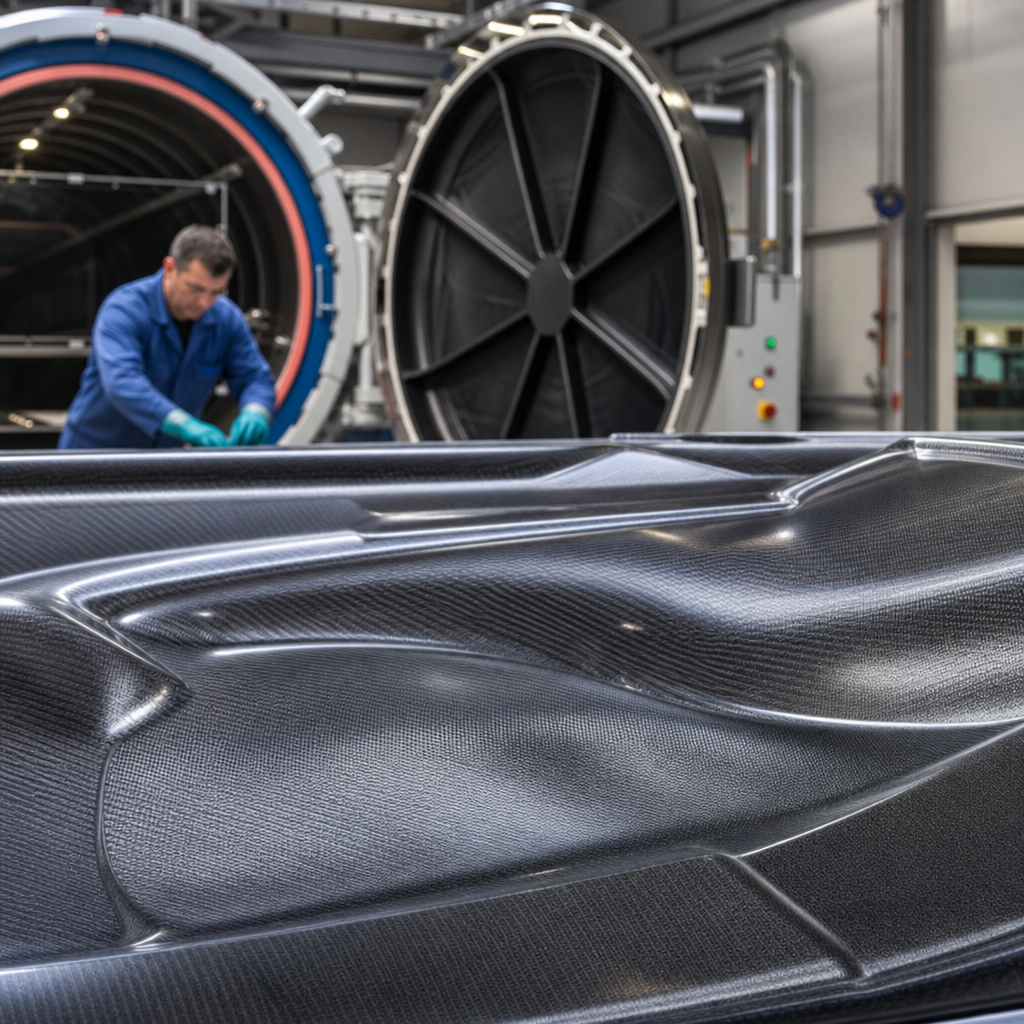
The most important distinction is between structural, semi-structural, and protective uses. Structural FRP rebar, pultruded profiles, and bonded laminates carry load or restore capacity. Semi-structural parts such as façade brackets, cable trays, access covers, and prefabricated wall elements contribute stiffness, enclosure, or serviceability. Protective systems such as roof membranes, anti-carbonation coatings, chemical linings, and sealants primarily defend other materials from water, salts, UV, abrasion, or industrial attack. In practice, many projects combine all three. A parking structure rehabilitation may use epoxy injection to seal cracks, carbon FRP strips to boost flexural capacity, polyurethane deck coating for waterproofing, and HDPE drainage layers to manage water movement. Looking at these materials as systems rather than isolated products is the best way to understand their construction value.
Why the Future Is Expanding Now
Three forces are driving broader adoption. First, infrastructure and buildings are aging. Corrosion of reinforcing steel, chloride exposure in coastal areas, freeze-thaw cycling, and chemical attack in industrial sites are creating repair backlogs that traditional patch-and-paint methods cannot economically solve. Polymer composites and protective coatings often extend service life with less downtime. Second, labor productivity matters more than ever. Lightweight prefabricated polymer components reduce crane demand, simplify handling, and shorten installation windows. Third, resilience and carbon accounting are influencing material selection. Although many polymers are fossil-derived and energy-intensive to produce, their low weight, reduced transport burden, corrosion resistance, and long maintenance cycles can lower whole-life impacts when compared with repeated replacement of conventional materials.
Real projects illustrate this shift. ETFE cushions have been used on major stadiums because they create large spans with far less dead load than glass. FRP strengthening is common in bridge rehabilitation when traffic closure time must be minimized. PVDF-coated aluminum panels remain a preferred façade finish because color retention and chalk resistance outperform lower-grade coatings over decades of sun exposure. In water and wastewater plants, vinyl ester and epoxy systems protect concrete from acids and sulfates that quickly degrade unprotected surfaces. These are not experimental uses. They are evidence that high-performance polymers already solve high-cost failure modes in mainstream construction markets.
Key Performance Advantages and Their Limits
The headline advantage is usually durability, but that word needs precision. High-performance polymers can resist corrosion, moisture ingress, aggressive chemicals, and ultraviolet exposure far better than carbon steel, untreated timber, or basic thermoplastics. FRP reinforcement does not rust, which is valuable in marine structures, bridge barriers, and parking decks exposed to deicing salts. ETFE can transmit high levels of daylight while resisting weathering. Polyurea and polyurethane membranes can bridge cracks and maintain waterproofing under movement. Epoxy adhesives can distribute stress across bonded interfaces more effectively than mechanical fixings in some retrofit conditions. These are measurable properties, not marketing claims.
However, limitations are equally important. Many polymers creep under sustained load, so long-term deformation must be checked carefully. Temperature affects stiffness and strength, especially near glass transition ranges. Fire performance is a critical design issue because some polymers soften, drip, smoke, or release toxic gases unless properly formulated and tested. Thermal expansion can be significantly higher than in mineral materials, complicating joint design. Surface preparation is often unforgiving; a premium coating placed over damp, contaminated concrete can fail quickly. Weathering, moisture absorption, and bond durability can also vary by formulation. In my experience, disappointing outcomes usually trace back to treating polymer systems as simple substitutes rather than materials with their own engineering rules.
Applications Across Buildings and Infrastructure
High-performance polymers are now embedded across the construction value chain. In building envelopes, they appear in air and vapor barriers, silicone glazing, composite cladding panels, fluoropolymer finishes, and ETFE façade systems. In roofs, thermoplastic polyolefin, PVC, and polyurethane-based assemblies deliver waterproofing with heat-welded or liquid-applied detailing. In interiors, specialty polymers support hygienic wall systems, seamless flooring, and chemical-resistant surfaces for healthcare and laboratories. In structural repair, carbon and glass FRP wraps strengthen columns, beams, slabs, and masonry. In civil works, polymer concrete, geomembranes, trenchless pipe liners, composite gratings, and nonmetallic reinforcement are becoming standard where corrosion risk is high.
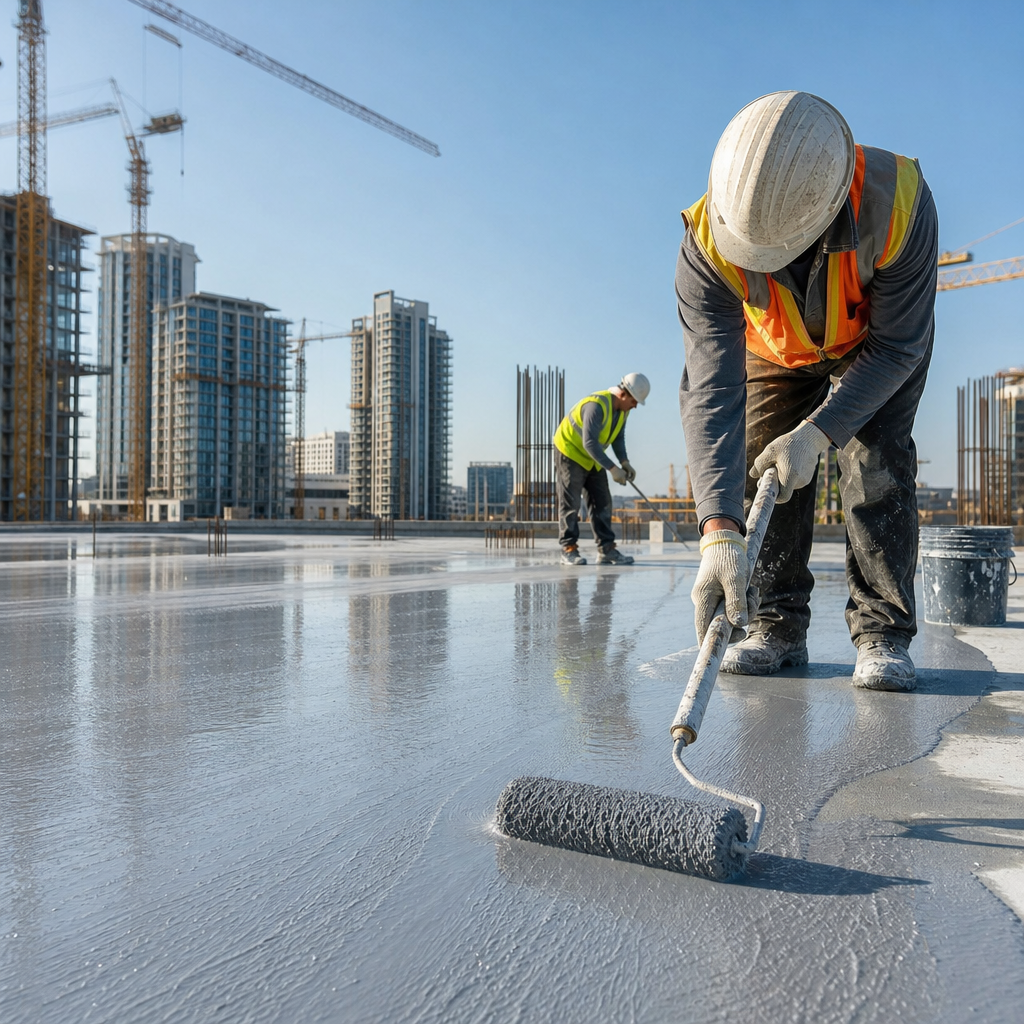
Water infrastructure is one of the clearest growth areas. Wastewater headspaces can generate biogenic sulfuric acid, which rapidly attacks concrete. Protective polymer linings provide a barrier that can add years of service life when detailing and adhesion are correct. Another expanding area is modular construction. Because polymer composites can be molded, pultruded, or vacuum-infused into lightweight, repeatable shapes, they fit factory-controlled production well. Composite bathroom pods, façade cassettes, and utility modules can reduce site variability. Transportation-related structures are also advancing, with FRP pedestrian bridges, noise barriers, cable ducts, and strengthening plates offering lower maintenance in aggressive environments. The future market is broad because the failure mechanisms these materials address are broad.
Material Selection by Use Case
Choosing the right high-performance polymer starts with exposure conditions, required design life, code constraints, and maintenance strategy. The table below captures practical selection logic used in early-stage evaluations.
| Use case | Typical polymer solution | Main advantage | Key limitation to verify |
|---|---|---|---|
| Bridge or parking deck strengthening | Carbon FRP laminates or wraps with epoxy resin | High strength with minimal added weight | Fire protection and bond durability |
| Corrosive industrial floor or tank area | Vinyl ester or novolac epoxy lining | Chemical resistance | Surface preparation and cure conditions |
| Lightweight transparent roof | ETFE cushion system | Very low dead load and daylight transmission | Acoustics, puncture detailing, and support design |
| Marine or deicing-salt exposure | GFRP rebar or composite profiles | No steel corrosion | Modulus, creep, and connection design |
| Long-life exterior cladding finish | PVDF fluoropolymer coating | Color and weather retention | Substrate compatibility and repair matching |
Standards and testing must guide that choice. Structural composite design may reference ACI 440 documents, fib guidance, or manufacturer-specific approvals. Façade and membrane systems are evaluated with ASTM, ISO, EN, or NFPA fire and weathering tests depending on market. Piping and geomembranes rely on pressure, permeation, and seam integrity criteria. Adhesives and coatings require pull-off testing, moisture checks, and cure verification. A product with excellent laboratory data can still be the wrong answer if local code acceptance is weak, installer competency is limited, or inspection access is poor. Material selection is therefore a procurement and quality-control decision as much as an engineering decision.
Sustainability, Circularity, and Market Direction
The sustainability debate around polymers is nuanced. Critics correctly note dependence on petrochemical feedstocks, fire additives, difficult recycling pathways, and end-of-life complexity for thermoset composites. Supporters correctly point to lower mass, corrosion avoidance, reduced repainting, fewer replacement cycles, and operational benefits such as daylighting or thermal control. The right comparison is lifecycle-based, not simplistic. On several projects, I have seen owners reject a low-cost metallic option because maintenance access over twenty years would have generated higher emissions, disruption, and safety exposure than a composite alternative. That is a rational decision when documented with service-life assumptions and maintenance schedules.
The future is likely to favor better formulations rather than blanket substitution. Expect more recycled-content thermoplastics in nonstructural components, more bio-based resin development, more thermoplastic composites that can be reheated and reprocessed, and better environmental product declarations for transparent comparison. Digital fabrication will also matter. Pultrusion, automated fiber placement, additive manufacturing with reinforced polymers, and robotic tape laying can reduce waste while expanding shape complexity. At the same time, regulations on fire safety, smoke toxicity, and disclosure of chemical ingredients will tighten. Companies that can prove durability, code compliance, and traceable environmental data will lead adoption.
How to Evaluate High-Performance Polymers for Future Projects
For specifiers and owners, the practical question is not whether high-performance polymers are the future of construction, but where they outperform other materials on a lifecycle basis. Start by defining the dominant risk: corrosion, weight, chemical exposure, water ingress, speed of installation, thermal movement, or architectural freedom. Then compare candidate systems on design life, tested performance, installability, fire behavior, inspection needs, and repairability. Ask for project references in similar exposure conditions, not generic brochures. Review warranty language closely. Require trained installers and hold-point inspections for substrate preparation, ambient conditions, mixing ratios, and cure confirmation. On complex projects, mock-ups pay for themselves because bond failures and detailing mistakes are easier to fix before full rollout.
High-performance polymers will not replace concrete, steel, masonry, glass, or timber across construction. They will, however, take a larger share of applications where durability, lightweight assembly, corrosion resistance, and prefabrication efficiency determine long-term value. That is the central takeaway for this hub page: these materials are best understood as precision tools for specific failure modes and performance goals. The future of high-performance polymers in construction will be shaped by smarter specification, better standards alignment, improved recyclability, and broader contractor familiarity. If you are building an innovation roadmap under products and solutions, this is a subtopic worth studying in detail. Use this page as your starting point, then evaluate each polymer family by application, exposure, and whole-life cost before your next project decision.
Frequently Asked Questions
1. What are high-performance polymers, and why are they becoming so important in construction?
High-performance polymers are engineered materials designed to perform in conditions where conventional building materials or standard plastics often fall short. In construction, this category includes materials such as polyether ether ketone (PEEK), fluoropolymers, polyphenylene sulfide (PPS), advanced epoxies, structural polyurethanes, fiber-reinforced polymer (FRP) composites, and specialty membranes. What makes them especially valuable is their combination of properties: low weight, high mechanical strength, resistance to chemicals and corrosion, excellent thermal stability, dimensional reliability, and long-term durability under demanding environmental conditions.
They are becoming increasingly important because the needs of modern construction are changing. Buildings and infrastructure now face harsher service environments, tighter energy-efficiency standards, faster installation schedules, and greater pressure to reduce life-cycle maintenance costs. Traditional materials like steel, concrete, and wood remain essential, but they each have limitations. Steel corrodes, concrete can crack and deteriorate under chemical attack, wood is vulnerable to moisture and biological decay, and commodity plastics often lack the performance required for structural or high-temperature applications. High-performance polymers help fill these gaps by offering targeted solutions for façades, bridge reinforcement, protective linings, insulation systems, sealants, expansion joints, structural bonding, and lightweight modular components.
Another reason for their growing role is design flexibility. These materials can be molded, laminated, coated, or engineered into composite systems that support innovative architectural forms and prefabricated construction methods. As the industry shifts toward resilient, sustainable, and high-performance structures, polymers are no longer viewed as niche materials. They are increasingly seen as strategic materials that extend asset life, improve efficiency, and enable performance levels that are difficult to achieve with traditional materials alone.
2. How do high-performance polymers compare with traditional materials like steel, concrete, and wood?
High-performance polymers do not replace traditional materials across the board, but they often outperform them in specific applications where durability, weight reduction, corrosion resistance, or installation efficiency matter most. Compared with steel, many polymer-based systems offer a dramatically better strength-to-weight ratio and are far more resistant to rust and chemical degradation. This makes them especially useful in marine structures, wastewater facilities, industrial plants, and bridge components exposed to deicing salts or aggressive environments. FRP rebar, for example, avoids the corrosion issues associated with conventional steel reinforcement, which can significantly reduce long-term repair needs.
When compared with concrete, high-performance polymers often provide superior resistance to chemical exposure, moisture ingress, and thermal cycling. Advanced polymer coatings, membranes, and repair composites can protect concrete from deterioration or restore damaged sections without adding excessive weight. In retrofit work, this is a major advantage because existing structures frequently have limited capacity for additional loads. Structural polymer systems can strengthen beams, columns, and slabs while minimizing disruption and preserving usable space.
Relative to wood, high-performance polymers generally offer better resistance to rot, insects, water absorption, and dimensional movement. This makes them attractive for exterior applications, building envelopes, specialty panels, and harsh-service environments where organic materials may degrade over time. They can also support more predictable performance in terms of tolerances and maintenance requirements.
That said, the comparison is not simply about “better” or “worse.” Traditional materials still dominate many structural and economic decisions because they are widely available, familiar to contractors, and often lower in upfront cost. High-performance polymers tend to be selected where long-term performance offsets higher initial material expense. In practice, the future of construction is likely to be hybrid rather than all-or-nothing, with polymers complementing steel, concrete, and wood to create systems that are lighter, longer-lasting, and more efficient across the full life cycle of a building or infrastructure asset.
3. What are the most promising applications of high-performance polymers in future construction projects?
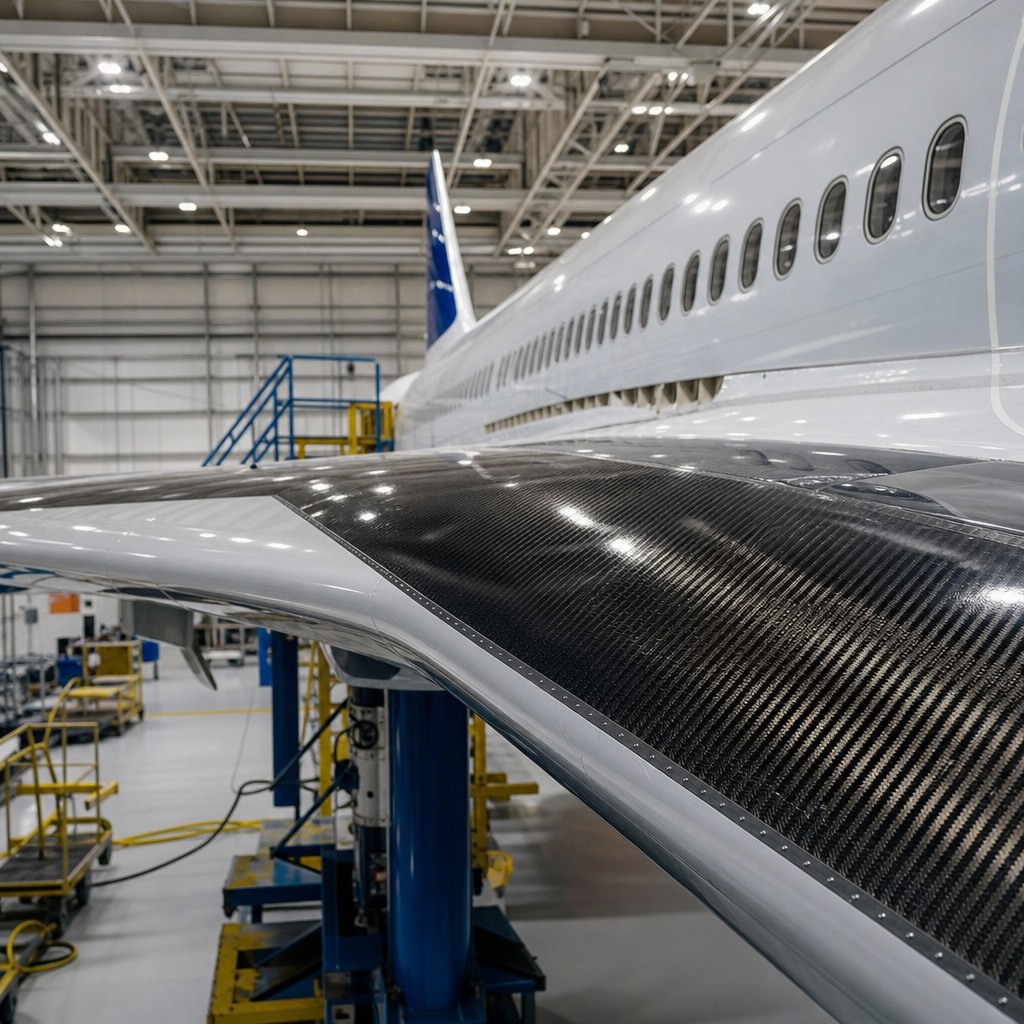
Some of the most promising applications are those that directly address durability, speed of construction, and energy performance. Fiber-reinforced polymer composites are among the most important. They are already being used for bridge decks, rebar, strengthening wraps, façade elements, and modular structural components. Their lightweight nature reduces transportation and installation challenges, while their resistance to corrosion makes them attractive for long-life infrastructure. As design standards mature and confidence grows among engineers, FRP systems are expected to play a larger role in both new construction and rehabilitation projects.
Advanced membranes and fluoropolymer-based materials are also poised for substantial growth, particularly in building envelopes. These materials can improve weather resistance, UV stability, chemical durability, and overall envelope performance. In roofing, façades, and tensile architecture, specialty membranes allow designers to create durable, lightweight assemblies with long service lives. In energy-efficient buildings, high-performance polymer seals, gaskets, vapor barriers, and thermal break components are becoming increasingly important because small improvements in envelope integrity can have major effects on heating, cooling, and moisture control.
Adhesives, sealants, and structural bonding systems based on advanced epoxies and polyurethanes represent another high-growth category. These materials support modern prefabrication and modular construction by enabling strong, reliable bonding between dissimilar materials while reducing the need for mechanical fasteners in some assemblies. They also improve vibration damping, load distribution, and water resistance in many applications. In repair and rehabilitation, polymer-based injection systems, crack repair materials, and composite wraps allow faster restoration of aging infrastructure with less demolition and downtime.
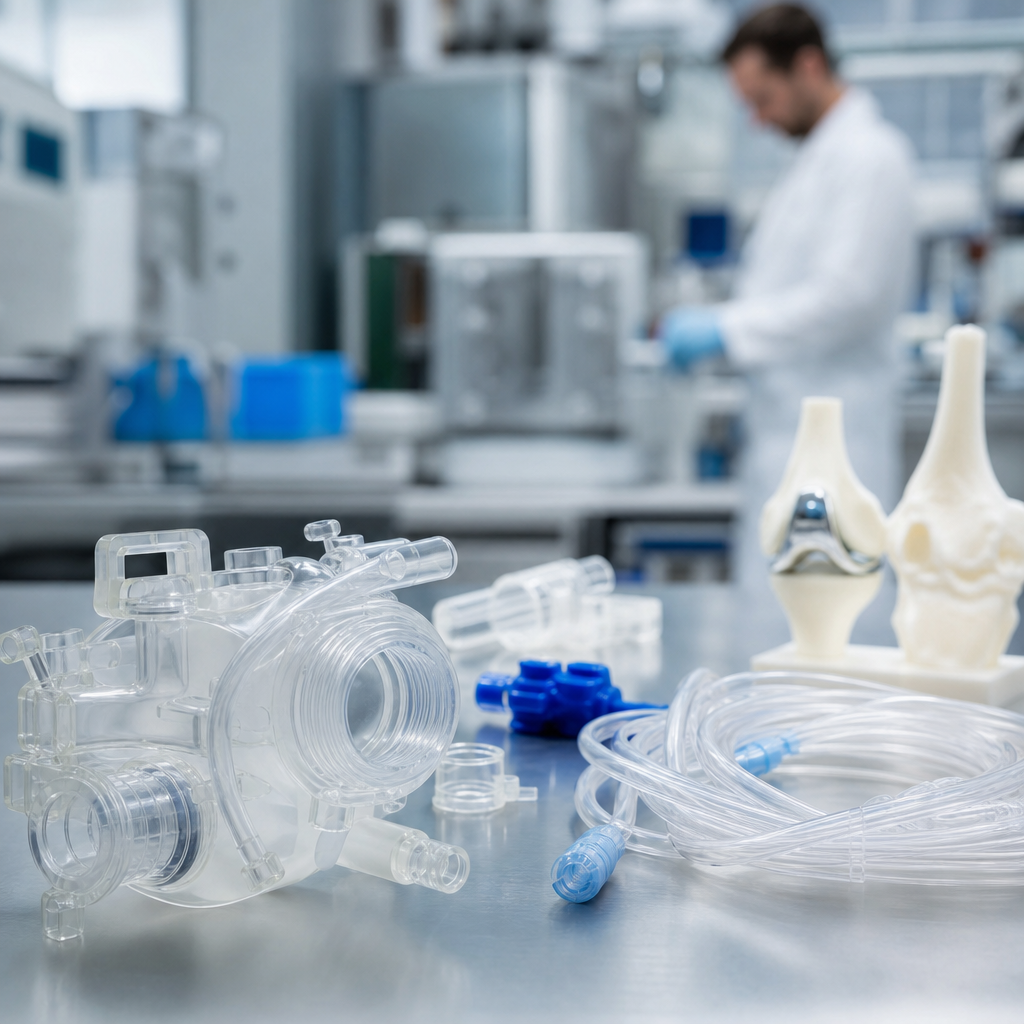
There is also rising interest in specialty polymer components for extreme environments, such as chemical processing plants, transit infrastructure, offshore structures, and high-temperature mechanical systems. Materials like PEEK and PPS may not be used in bulk building structures, but they are valuable in high-performance seals, bearings, electrical insulation, fastening systems, and components exposed to aggressive service conditions. As construction becomes more industrialized and more performance-driven, high-performance polymers will likely expand beyond specialty use into a broader set of mission-critical applications across the built environment.
4. Are high-performance polymers sustainable, and how do they affect long-term building performance?
Sustainability in construction is no longer judged solely by the origin of a material; it is increasingly evaluated through life-cycle performance. High-performance polymers can contribute meaningfully to sustainability because they often extend service life, reduce maintenance frequency, lower replacement rates, and improve operational efficiency. A material that lasts significantly longer in a corrosive, wet, or high-UV environment can reduce the environmental burden associated with repeated repairs, shutdowns, and replacement cycles. This is one of the strongest sustainability arguments in favor of high-performance polymers, especially in infrastructure and high-exposure building systems.
Weight reduction is another important factor. Lightweight polymer composites can decrease transportation emissions, ease handling on-site, and reduce structural loads, which may allow optimization of supporting materials in a building or bridge. In building envelopes, high-performance membranes, sealants, and insulating polymer components can improve airtightness, moisture management, and thermal efficiency. Better envelope performance translates directly into lower energy consumption over the life of the building, which often has a larger environmental impact than the embodied footprint of any single component.
However, sustainability is not automatic. Some high-performance polymers are energy-intensive to manufacture, and end-of-life recycling can be more complex than with materials like steel or aluminum. Thermoset composites, in particular, can be difficult to reprocess. For this reason, responsible specification matters. Designers and procurement teams increasingly look at environmental product declarations, durability data, service-life modeling, maintenance forecasts, and emerging recycling pathways when evaluating polymer-based solutions. The most sustainable use of these materials is usually where their unique performance characteristics solve a real durability or efficiency problem that would otherwise lead to premature failure or heavy resource use.
From a long-term building performance perspective, the impact is often very positive. High-performance polymers can improve water resistance, corrosion protection, thermal resilience, chemical stability, and structural reinforcement, all of which support longer-lasting and more reliable buildings. The future will likely involve smarter material selection rather than simple substitution, using these polymers where they provide clear life-cycle and performance advantages within a broader sustainable design strategy.
5. What challenges could slow the adoption of high-performance polymers in the construction industry?
The biggest challenge is not necessarily technical performance, but industry adoption. Construction is a conservative sector for good reason: materials and systems must perform safely for decades, often under uncertain real-world conditions. Even when high-performance polymers demonstrate strong laboratory and field results, widespread adoption can be slowed by limited familiarity among architects, engineers, contractors, code officials, and owners. Many decision-makers are more comfortable with materials they have used for years, and they may hesitate to specify newer polymer systems unless standards, testing protocols, and long-term case studies are well established.
Cost perception is another significant barrier. High-performance polymers can carry higher upfront material costs than traditional alternatives, especially when compared on a purely per-pound or per-unit basis. That comparison can be misleading, because it often ignores lower installation labor, reduced structural weight, improved durability, and lower maintenance over time. Still, many projects are awarded based on initial budget constraints rather than full life-cycle value, which can make polymer solutions harder to justify unless owners take a long-term asset management view.
Regulatory and technical complexity also play a role. Building codes, fire-performance requirements, structural design standards, and environmental exposure criteria all influence whether a polymer-based material can be