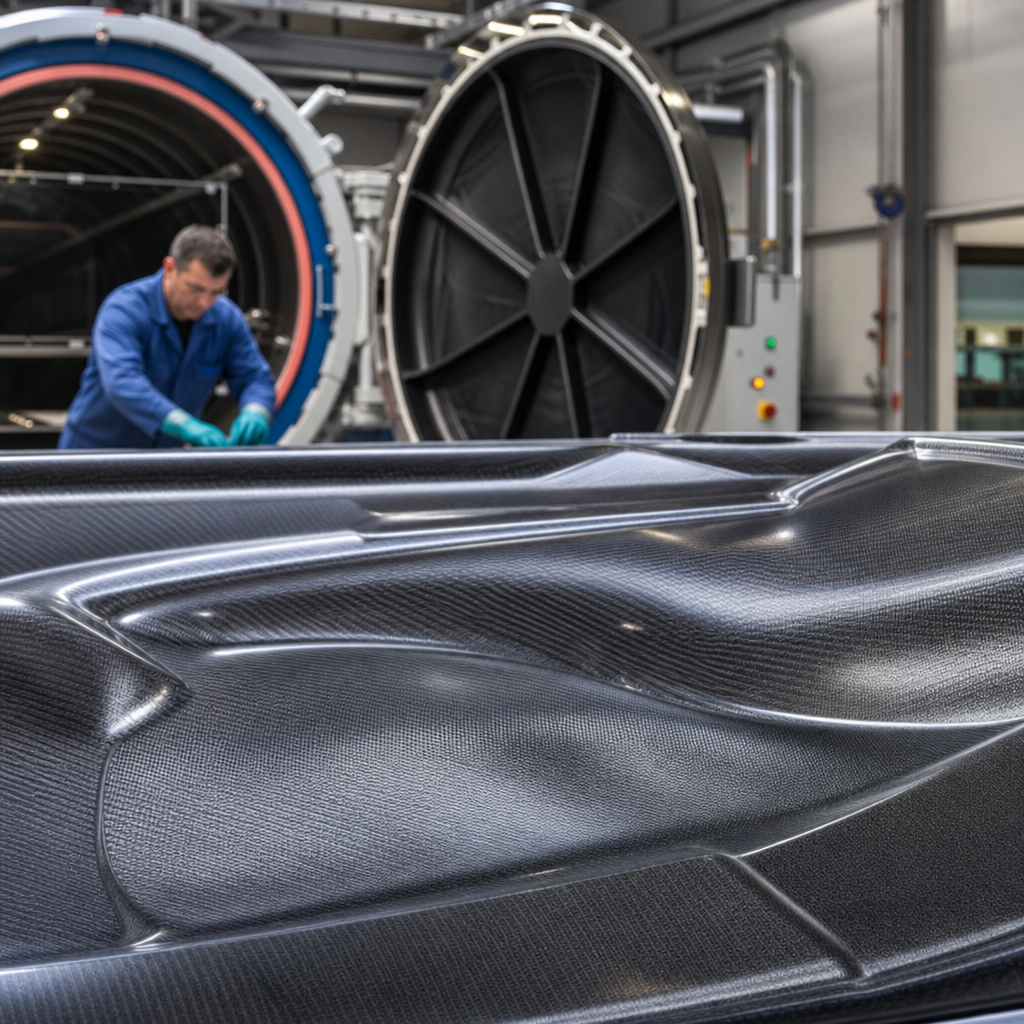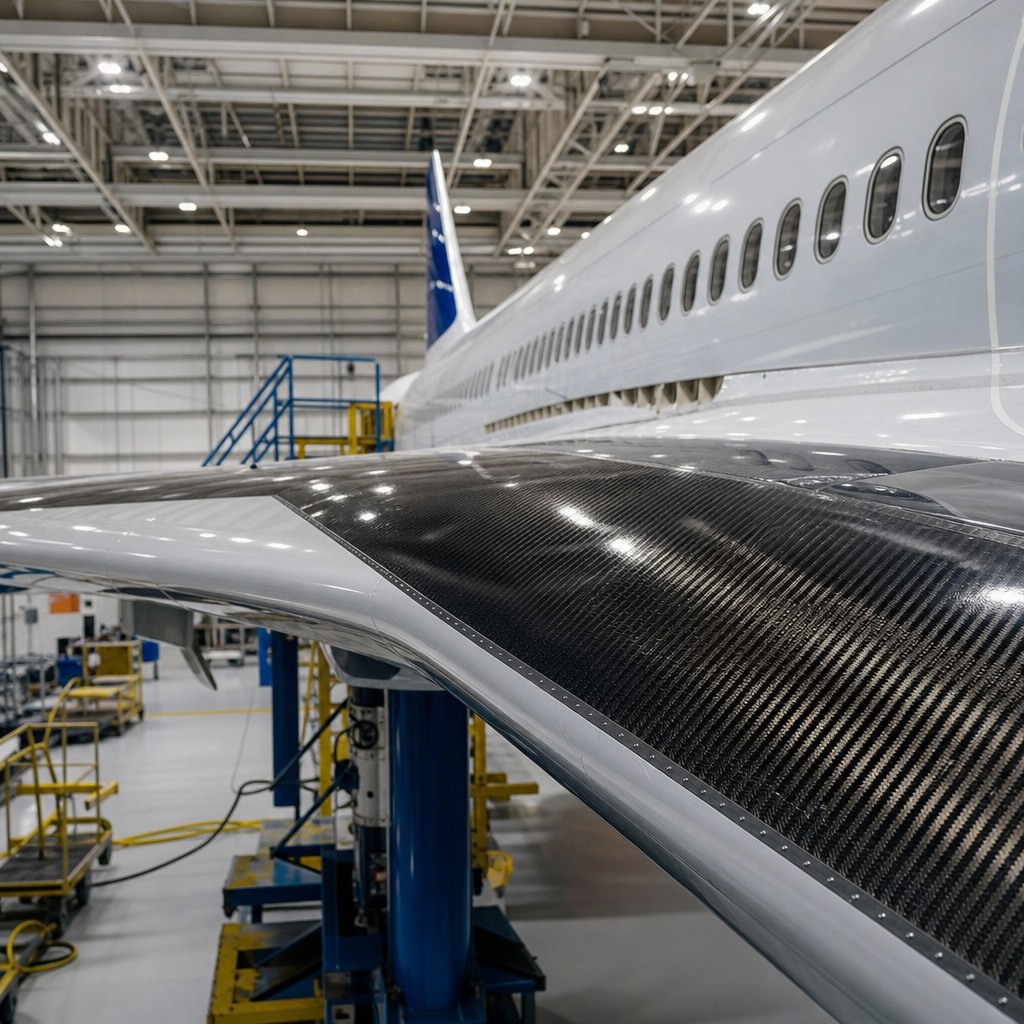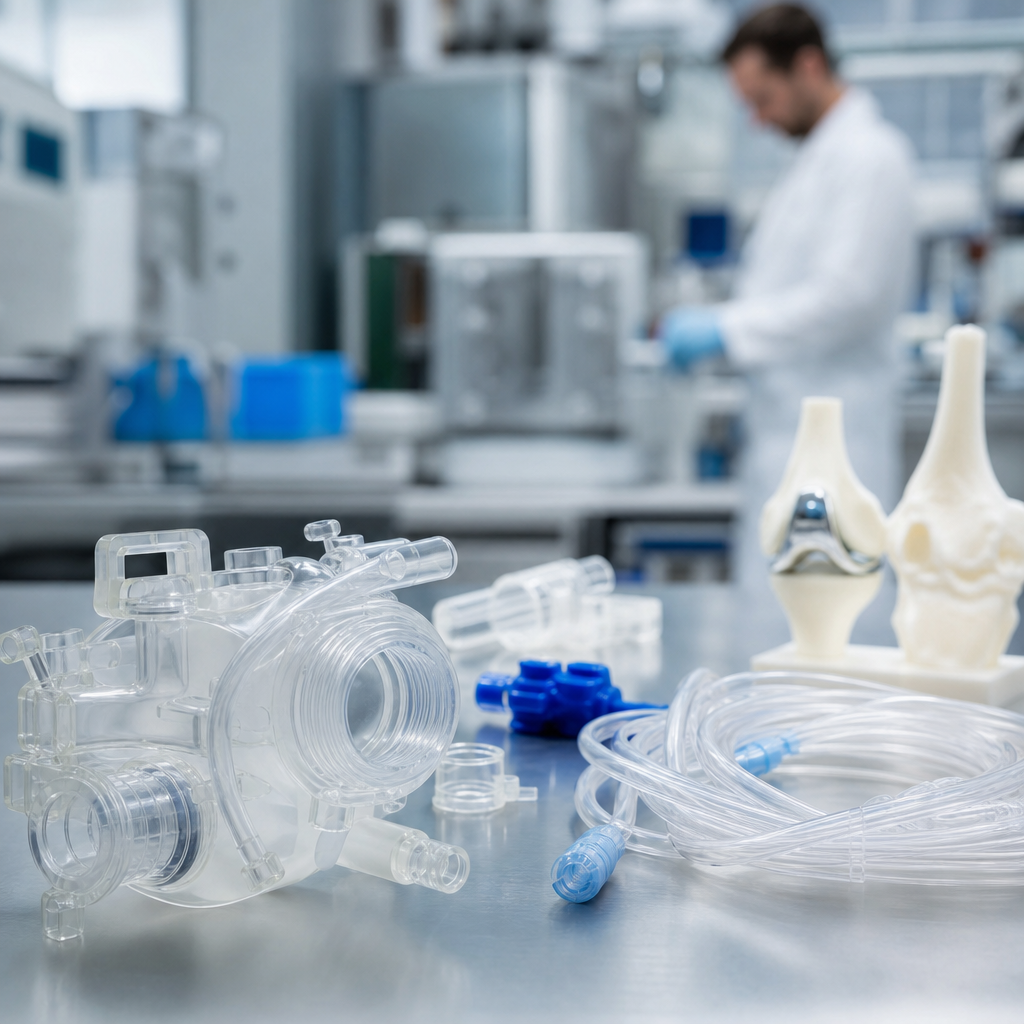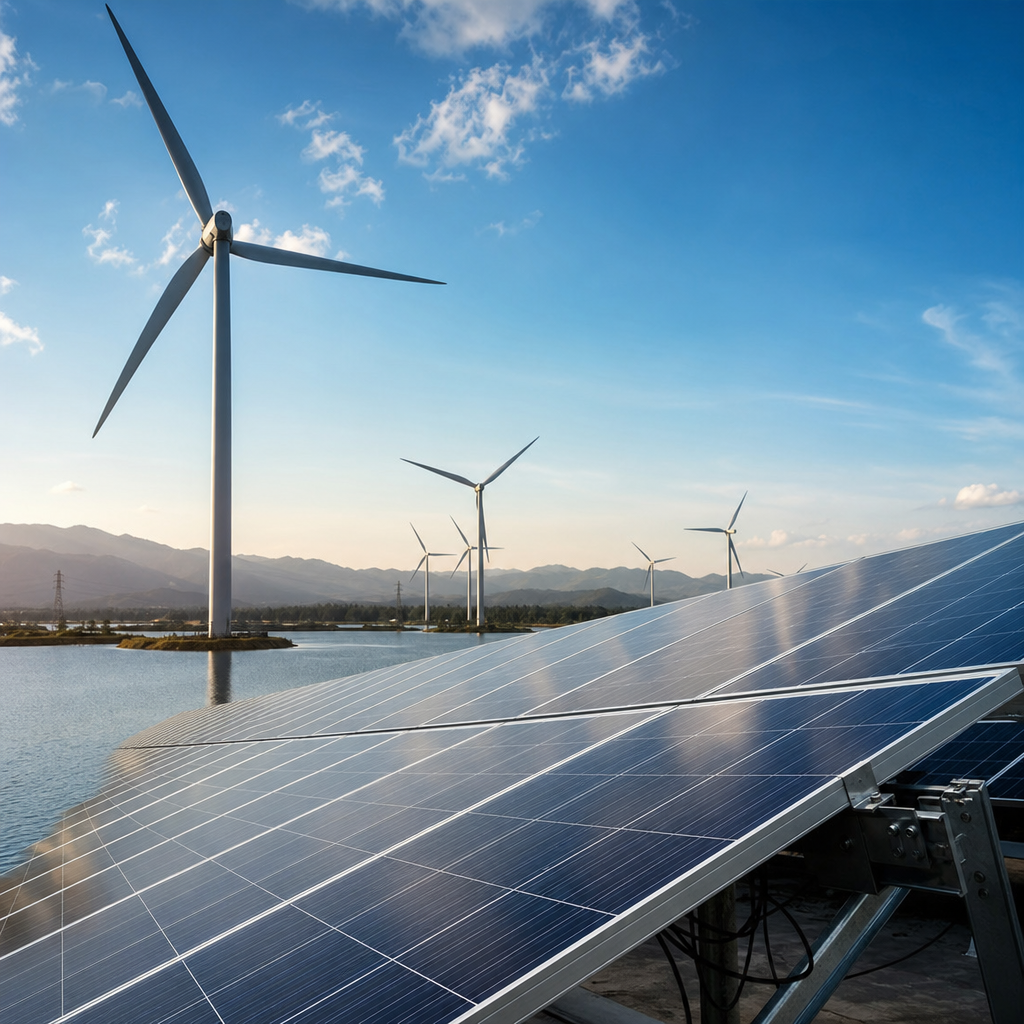
High-performance polymers are reshaping renewable energy because they solve a stubborn engineering problem: clean power systems must survive heat, moisture, ultraviolet exposure, chemicals, electrical stress, and constant mechanical fatigue while staying light, efficient, and cost effective. In practice, the term high-performance polymers refers to advanced plastic materials with exceptional thermal stability, dielectric strength, corrosion resistance, dimensional control, and long service life compared with commodity plastics. In renewable energy, that includes fluoropolymers such as PVDF and ETFE, polyimides, PEEK, PPS, LCPs, epoxy and polyurethane systems, specialty elastomers, and fiber-reinforced polymer composites built for harsh operating conditions.
This topic matters because renewable energy equipment is expected to operate for decades in environments that punish weak materials. Solar modules sit under relentless sun and thermal cycling. Wind turbine blades face millions of fatigue cycles, erosion from rain and sand, and lightning strikes. Battery packs in electric storage systems combine heat generation, fire risk, voltage demands, and packaging constraints. Hydrogen and fuel cell systems add permeation, embrittlement, and chemical compatibility challenges. Across these applications, polymer innovation often determines whether a design reaches commercial scale, meets safety codes, or delivers a bankable lifetime.
I have worked on materials selection programs where polymer choice changed the economics of an energy product more than any electronics upgrade. A connector housing that resists tracking and hydrolysis can reduce field failures dramatically. A tougher encapsulant can preserve power output in a humid climate. A lighter composite part can improve transport, installation, and service access. These gains rarely make headlines, yet they are foundational to performance. As a hub topic, high-performance polymers links directly to solar materials, wind composites, battery insulation, hydrogen sealing, cable protection, and recyclable design strategies, making it central within innovative products and solutions.
The core question is straightforward: which polymer innovations are enabling renewable energy systems to last longer, run safer, and cost less over their lifetime? The answer starts with understanding where these materials create value, how they are engineered, and what tradeoffs designers must manage.
What High-Performance Polymers Do in Renewable Energy Systems
High-performance polymers serve four critical functions in renewable energy equipment: insulation, protection, structural support, and processability. As insulators, they manage high voltage, suppress partial discharge, and prevent electrical tracking in inverters, transformers, connectors, busbars, and battery modules. As protective layers, they block water ingress, oxygen, ultraviolet radiation, corrosive salts, and process chemicals. Structurally, they appear as composite matrices, lightweight housings, blade shells, bearings, wear components, and thermal barriers. From a manufacturing standpoint, they enable extrusion, film casting, injection molding, pultrusion, resin transfer molding, and additive processes at industrial scale.
These functions are judged against measurable properties. Thermal performance is defined by glass transition temperature, continuous use temperature, heat deflection behavior, and flammability ratings such as UL 94. Electrical performance depends on dielectric constant, dielectric loss, comparative tracking index, arc resistance, and volume resistivity. Mechanical durability includes tensile strength, creep resistance, fatigue life, impact strength, and abrasion resistance. Environmental resilience covers hydrolysis resistance, UV stability, low water absorption, weatherability, and chemical compatibility. For hydrogen systems, permeability and seal retention become essential. For offshore wind, salt fog resistance and long-term fatigue dominate.
Good polymer selection is never about choosing the strongest or most heat-resistant material on a datasheet. It is about balancing lifetime under real duty cycles. In one project review I supported, a designer favored a very stiff thermoplastic for an outdoor power electronics enclosure. Lab data looked excellent, but notch sensitivity and stress cracking under installation loads created avoidable failures. A reinforced PPS blend with better chemical resistance and dimensional stability solved the issue while maintaining manufacturability. That pattern is common: the best material is the one that matches the full service environment, not a single headline property.
Solar Energy: Encapsulation, Backsheets, and Long-Life Components
Solar energy relies heavily on polymer science because photovoltaic modules are laminated assemblies where films, adhesives, sealants, and insulating parts protect cells for twenty-five years or more. Ethylene-vinyl acetate remains a common encapsulant, but polyolefin elastomers are gaining share because they can offer lower moisture ingress, reduced potential-induced degradation risk, and improved electrical insulation. Backsheets often use multilayer constructions with fluoropolymers such as PVF or PVDF for weather resistance. Frontsheet alternatives based on ETFE are also used in lightweight or flexible modules, especially where impact resistance and self-cleaning surfaces matter.
Material innovation in solar is increasingly focused on durability under combined stressors. UV exposure can embrittle susceptible polymers. Heat and humidity can accelerate acetic acid formation in some encapsulants, attacking metallization and solder joints. Thermal cycling creates shear stress between dissimilar materials. Modern formulations address these issues with stabilizer packages, optimized crosslink density, and lower ionic contamination. In bifacial and building-integrated photovoltaics, transparency, adhesion, fire performance, and long-term color stability become additional selection criteria.
Outside the laminate stack, high-performance polymers also enable junction boxes, cable insulation, connector bodies, combiner boxes, and inverter internals. Halogen-free flame-retardant compounds are increasingly specified to meet fire and smoke requirements without compromising dielectric behavior. In floating solar systems, polymer floats and mooring-related components must resist biofouling, hydrolysis, and UV attack. The broader lesson is clear: solar efficiency depends not only on cell chemistry but on polymer systems that preserve output over decades by limiting water ingress, electrical leakage, and mechanical degradation.
Wind Energy: Composite Blades, Erosion Resistance, and Offshore Durability
Wind energy is one of the most polymer-intensive areas in renewables because turbine blades are large composite structures, typically using glass fiber reinforced epoxy, with carbon fiber added in spar caps or other load-critical regions. The matrix resin transfers load between fibers, controls crack growth, and shapes manufacturing economics. Epoxy remains dominant because it offers strong adhesion, good fatigue behavior, and manageable processing in vacuum infusion and prepreg systems. Polyester and vinyl ester appear in selected components, but blade designers typically prioritize epoxy where long fatigue life is nonnegotiable.
Innovation is moving on several fronts. Toughened resin systems improve interlaminar fracture resistance, helping blades tolerate cyclic loading over millions of rotations. Faster-curing chemistries reduce factory takt time for increasingly long blades. Thermoplastic composite approaches are attracting interest because they can support welding, repairability, and potentially better recyclability than thermosets. Surface coatings and leading-edge protection tapes are another critical polymer story. Rain erosion at blade tips can significantly reduce aerodynamic performance, especially offshore where tip speeds are high. Polyurethane-based systems are widely used because they combine elasticity, adhesion, and erosion resistance.
Offshore wind intensifies every materials demand. Components encounter salt spray, humidity, temperature swings, and difficult maintenance access. Cable jackets, seals, coatings, and electrical insulation therefore need marine-grade weatherability. Inside nacelles, polymer bearings, lubricating elements, thermal interface materials, and vibration-damping components support reliability. The practical takeaway for wind developers is simple: blade design gets attention, but polymer performance across coatings, adhesives, sealants, cable systems, and composites often governs actual maintenance intervals and energy yield.
Battery Storage and Electrification: Safety, Thermal Management, and Dielectrics
Grid storage systems and renewable-powered electrification depend on polymers that manage heat, isolate voltage, and slow fire propagation. In lithium-ion battery packs, high-performance polymers appear in cell holders, module frames, busbar coatings, wire insulation, venting components, adhesive films, potting compounds, thermal pads, and pack covers. Common material families include polycarbonate blends, polyamides, PPS, PEEK, silicone, epoxy, and polyurethane, each selected for a different mix of flame resistance, dimensional stability, toughness, and dielectric performance.
Battery safety is where polymer innovation has become especially important. Thermal runaway mitigation now involves ceramic-filled separators, intumescent coatings, gap fillers with controlled thermal conductivity, and flame-retardant housings designed to pass propagation tests. Standards and test methods vary by application, but engineers commonly assess UL 94 behavior, glow-wire performance, CTI, outgassing, compression set, and resistance to electrolyte exposure. Thermal interface materials illustrate the tradeoff well: better heat transfer improves cell temperature uniformity and life, but fillers can alter viscosity, weight, and dielectric strength. The correct formulation depends on the pack architecture and service profile.
| Application | Common polymer families | Primary requirement | Typical tradeoff |
|---|---|---|---|
| Solar module encapsulation | EVA, POE, fluoropolymer films | UV and moisture durability | Cost versus long-term performance |
| Wind turbine blades | Epoxy composites, polyurethane coatings | Fatigue and erosion resistance | Repairability versus stiffness |
| Battery pack insulation | PPS, PA, PC blends, silicone | Flame resistance and dielectric safety | Thermal conductivity versus electrical isolation |
| Hydrogen seals and liners | PEEK, PTFE, PVDF, specialty elastomers | Chemical compatibility and low permeation | Seal flexibility versus barrier performance |
Renewable energy storage systems also need polymers that remain stable during fast charging, frequent cycling, and outdoor exposure. Inverter housings and power conversion units use materials with high tracking resistance and mechanical precision. As energy density rises, so does the burden on insulation systems. That is why advanced polymer formulations are now treated as safety-critical design elements rather than commodity parts.
Hydrogen, Fuel Cells, and Emerging Renewable Infrastructure
Hydrogen production, storage, and fuel cell systems are creating new demand for high-performance polymers because gases, pressure, and electrochemistry expose weaknesses quickly. In electrolyzers and fuel cells, fluoropolymers and specialty membranes are central to ion transport, separation, and chemical durability. Per- and polyfluorinated membranes have long been important in proton exchange membrane systems, while other chemistries are being developed to lower cost and broaden operating windows. Balance-of-plant components such as seals, valves, tubing, pump parts, and sensor housings must resist deionized water, reactive environments, and pressure cycling.
Hydrogen storage introduces a distinct challenge: permeation. Even when a polymer is chemically compatible, hydrogen can migrate through materials, affecting efficiency and safety. Type IV pressure vessels use polymer liners, commonly high-density polyethylene, wrapped with structural carbon fiber composites. For adjacent components, designers often evaluate PEEK, PTFE, PVDF, and specialty elastomers where temperature, pressure, and media compatibility demand more robust performance. Compression set, rapid gas decompression resistance, and seal geometry all matter as much as chemistry.
These systems also highlight an important truth about renewable infrastructure: polymers increasingly sit at the interface between electrochemistry and mechanical engineering. A membrane with strong conductivity but poor durability fails commercially. A seal that handles pressure but contaminates the system can also fail. The best innovations combine transport properties, purity, manufacturability, and lifetime performance in one practical package.
Manufacturing, Circularity, and How to Choose the Right Material
Material innovation is only valuable when it can be manufactured consistently and validated against real service conditions. In production, engineers assess melt behavior, cure kinetics, shrinkage, fiber wet-out, bonding windows, and quality control methods such as DSC, TGA, DMA, FTIR, dielectric testing, and accelerated aging. Standards from organizations such as ASTM, IEC, UL, and ISO help compare materials objectively, but qualification still requires application-specific testing. A polymer that passes a generic flame test may still fail in a humid, high-voltage enclosure after years of contamination and thermal cycling.
Circularity is becoming a major selection criterion. Thermoset composites remain difficult to recycle, especially in wind blades, which is why recyclable resin systems, thermoplastic composites, solvolysis, and cement-kiln coprocessing are receiving investment. In solar, efforts focus on easier delamination, lower-toxicity formulations, and materials that simplify end-of-life recovery. In batteries, adhesive debonding technologies and design for disassembly are growing priorities. None of these changes eliminate tradeoffs. More recyclable systems may require new tooling, different joining methods, or revised performance assumptions.
For teams building a materials strategy, the most reliable process is disciplined and cross-functional. Start with the environment: temperature range, voltage, UV dose, fluids, load cycles, and expected service life. Map the dominant failure modes, from creep and tracking to erosion and permeation. Shortlist materials by property profile, then validate with accelerated and field-representative tests. Finally, include supply chain, compliance, repairability, and end-of-life considerations before freezing the specification.
Innovations in high-performance polymers for renewable energy matter because they quietly determine whether clean technologies endure real-world stress for decades. The strongest renewable systems do not rely on one miracle material. They combine the right polymers, additives, reinforcements, coatings, and manufacturing methods for each failure mode and operating environment. In solar, that means encapsulants, backsheets, and connectors that protect output. In wind, it means composite matrices and coatings that survive fatigue and erosion. In batteries, it means dielectrics and thermal materials that improve safety. In hydrogen, it means membranes, liners, and seals engineered for pressure and chemical control.
As this hub shows, high-performance polymers connect multiple articles across innovative products and solutions because they touch every major renewable technology. They reduce weight, resist corrosion, improve electrical safety, support longer service intervals, and often lower lifetime cost even when upfront material prices are higher. The most successful projects treat polymer selection as a core engineering decision, not a late procurement choice.
If you are evaluating renewable energy materials, use this page as your starting point, then drill into the linked subtopics for solar, wind, storage, and hydrogen applications to build a specification that matches performance, manufacturability, and long-term reliability.
Frequently Asked Questions
1. What are high-performance polymers, and why are they important in renewable energy systems?
High-performance polymers are advanced plastic materials engineered to retain their mechanical, electrical, and chemical properties in demanding environments where conventional plastics or even some metals may fail. In renewable energy applications, that matters because components are routinely exposed to heat, moisture, ultraviolet radiation, corrosive chemicals, electrical loading, vibration, and repeated mechanical stress over long service lives. These polymers are valued for properties such as thermal stability, dielectric strength, flame resistance, low water absorption, corrosion resistance, dimensional stability, and favorable strength-to-weight ratios.
They are important in renewable energy because modern clean power systems must operate reliably while minimizing weight, maintenance, and efficiency losses. In solar power, high-performance polymers can be used in backsheets, encapsulation systems, cable insulation, connectors, and structural components that must survive decades of sun exposure and thermal cycling. In wind energy, they appear in blade composites, coatings, bearing cages, seals, insulation systems, and housings where fatigue resistance and environmental durability are essential. In battery storage, fuel cells, and hydrogen systems, these materials support electrical insulation, membrane performance, chemical resistance, and lightweight design.
Just as importantly, high-performance polymers often improve overall system economics. Their corrosion resistance can reduce maintenance requirements, their low density can simplify transport and installation, and their insulating performance can improve electrical safety and efficiency. As renewable systems scale into harsher climates and more demanding duty cycles, these materials are becoming less of a specialty option and more of a core engineering solution.
2. How do high-performance polymers improve the efficiency and durability of solar and wind technologies?
In both solar and wind systems, efficiency and durability are tightly linked. A component that degrades under heat, moisture, UV exposure, or fatigue can reduce energy output long before the rest of the system reaches end of life. High-performance polymers help prevent that by maintaining stable properties under conditions that would cause cracking, warping, embrittlement, dielectric failure, or corrosion in less advanced materials.
In solar modules, polymers play a critical role in protecting cells and electrical pathways from environmental stress. High-performance encapsulants, backsheets, cable jackets, sealants, and junction-box materials help preserve insulation integrity, block moisture ingress, resist UV degradation, and tolerate thermal expansion and contraction over many years. This translates into more stable electrical performance, lower risk of delamination or insulation failure, and slower power degradation. In concentrated solar or high-temperature applications, thermal stability becomes especially important because elevated temperatures can accelerate material aging and reduce service life.
In wind turbines, the benefits are equally significant but often more mechanical in nature. Blade structures rely on polymer matrix composites because they combine low weight with high stiffness and fatigue resistance. A lighter blade can reduce loads on the hub, drivetrain, and tower, improving turbine efficiency and potentially extending component life. High-performance polymers are also used in coatings, adhesives, seals, and electrical insulation systems that must endure cyclic stress, salt spray in offshore environments, temperature swings, and prolonged UV exposure. By reducing wear, resisting corrosion, and maintaining structural integrity, these materials help turbines stay in service longer and with fewer unplanned repairs.
The overall result is better lifetime energy yield. Renewable systems are not judged only by nameplate capacity; they are judged by how consistently they generate power over years or decades. High-performance polymers support that long-term performance by protecting critical components from the environmental and operational stresses that most often drive degradation.
3. Which properties make a polymer suitable for harsh renewable energy environments?
A polymer used in renewable energy must usually satisfy several demanding requirements at the same time, which is why material selection is so application-specific. One of the most important properties is thermal stability. Components in solar arrays, batteries, inverters, motors, and power electronics may experience sustained high temperatures or repeated thermal cycling, so the polymer must resist softening, cracking, creep, or loss of mechanical strength over time.
Electrical performance is another major consideration. Many renewable energy systems depend on polymers for insulation, dielectric separation, arc resistance, and protection against tracking or breakdown. Materials with high dielectric strength and stable insulating behavior under humidity and voltage stress are especially valuable in cables, busbars, connectors, transformers, and electronic packaging. If a polymer is used near high voltages or sensitive electronics, its long-term electrical reliability can directly affect safety and system uptime.
Chemical and environmental resistance are equally critical. Offshore wind, battery systems, hydrogen processing, and industrial solar installations may expose materials to salt, oils, solvents, electrolytes, cleaning agents, and atmospheric contaminants. A suitable high-performance polymer must resist swelling, corrosion, hydrolysis, and UV-driven degradation. Low moisture absorption is often desirable because absorbed water can alter dimensions, reduce dielectric performance, and accelerate aging.
Mechanical behavior also matters. Renewable equipment is expected to survive vibration, pressure, impact, fatigue, and repeated loading. Depending on the role of the component, engineers may look for high tensile strength, fracture toughness, low wear, dimensional precision, or lightweight structural performance. For moving or load-bearing parts, creep resistance and fatigue life can be decisive. Finally, manufacturability and cost cannot be ignored. Even an excellent material must be processable into films, fibers, molded parts, coatings, or composite matrices at a scale that aligns with renewable energy economics. The best polymer is rarely the one with the single highest property value; it is the one that delivers the right balance of performance, longevity, processability, and cost for the intended duty cycle.
4. What kinds of innovations are currently shaping high-performance polymers for renewable energy?
Current innovation is focused on making polymers more durable, more functional, and more sustainable without sacrificing manufacturability. One major area is polymer chemistry tailored for extreme environments. Researchers and manufacturers are developing materials with improved resistance to UV radiation, higher operating temperatures, lower moisture uptake, and better long-term electrical stability. This is especially important for applications such as solar module protection, offshore wind components, high-voltage insulation, and battery systems where standard engineering plastics may age too quickly.
Another important trend is the use of polymer composites and multifunctional materials. Instead of relying on a polymer solely as a passive structural or insulating material, engineers are designing systems where the polymer contributes to multiple performance goals at once. In wind blades, advanced resin systems and fiber-reinforced composites improve stiffness, fatigue resistance, and weight reduction. In batteries and fuel cells, polymers may serve as separators, binders, membranes, encapsulants, or thermal management elements. In cable systems and power electronics, innovations include improved flame retardancy, reduced dielectric losses, and better resistance to electrical tracking and partial discharge.
Nanostructured additives and surface engineering are also influencing the field. Fillers such as ceramic particles, carbon-based materials, and other engineered reinforcements can improve thermal conductivity, barrier performance, wear resistance, or dielectric behavior when properly dispersed. Surface treatments and coatings can increase adhesion, weatherability, and contamination resistance, helping systems maintain performance in the field. At the same time, additive manufacturing and precision processing methods are expanding design flexibility for specialized parts, complex geometries, and rapid prototyping.
Sustainability is another powerful driver of innovation. There is growing interest in recyclable thermoplastics, lower-emission processing routes, bio-based feedstocks for selected applications, and easier end-of-life disassembly for composite-rich systems. In renewable energy, that matters because the industry is increasingly judged not just by operational emissions, but by full lifecycle impact. The most promising innovations are those that improve technical performance while also supporting circularity, lower waste, and more responsible large-scale deployment.
5. Are high-performance polymers a cost-effective alternative to metals and traditional materials in renewable energy infrastructure?
In many cases, yes, but cost effectiveness should be evaluated across the full lifecycle rather than by initial material price alone. High-performance polymers can be more expensive per kilogram than commodity plastics and sometimes more expensive than basic metals on a raw-material basis. However, renewable energy systems are capital-intensive assets expected to operate for decades, often in remote or harsh locations where maintenance and failure are costly. In that context, a material that reduces corrosion, lowers weight, simplifies installation, or extends service life can provide a strong economic advantage even if its upfront cost is higher.
Compared with metals, high-performance polymers offer several economic benefits. They are typically lighter, which can reduce transportation costs, ease handling, and lessen structural loads in components such as wind blades, nacelle parts, housings, and cable systems. They do not rust and often resist a wide range of chemicals, making them attractive in offshore environments, battery enclosures, and hydrogen-related equipment. Their electrical insulation properties can also eliminate the need for additional insulating layers or design complexity. In manufacturing, many polymer parts can be molded or formed into near-net shapes, reducing machining steps and enabling part consolidation.
That said, polymers are not automatically better in every application. Some environments demand the stiffness, thermal conductivity, or extreme load-bearing capability of metals or ceramics. The smartest engineering approach is often hybrid design, where high-performance polymers are used exactly where their strengths matter most: insulation, corrosion resistance, lightweight structures, sealing, composite matrices, and chemically aggressive environments. When chosen correctly, they can reduce downtime, improve reliability, and lower total ownership costs.
For renewable energy developers and manufacturers,