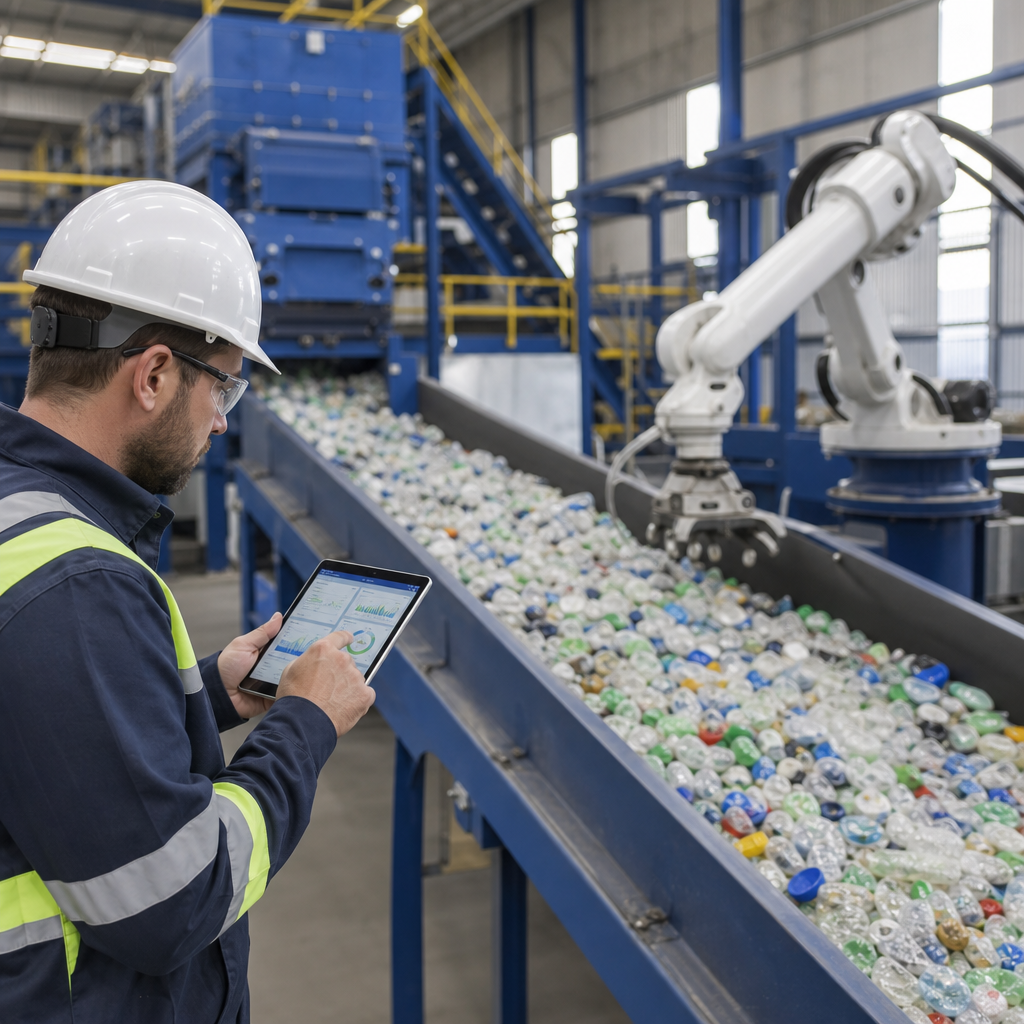
How digital technologies support polymer recycling initiatives is no longer a niche question for sustainability teams; it is now central to how manufacturers, recyclers, brands, and regulators improve material recovery, document quality, and scale circular systems. In polymer recycling, digital technologies include sensors, automation, software platforms, machine learning, digital product passports, and traceability tools that make plastic waste easier to identify, sort, process, verify, and sell. Polymer recycling itself covers mechanical recycling, where plastics are sorted, washed, shredded, and remelted, and chemical or feedstock recycling, where polymers are broken into monomers or hydrocarbon fractions for reuse. I have seen projects stall not because the chemistry failed, but because plants lacked reliable data on bale composition, contamination, yield loss, and downstream quality. Digital systems solve those information gaps. They connect collection programs to material recovery facilities, link reprocessors to converters, and help brands prove recycled content claims. For a sub-pillar hub focused on case studies in polymer recycling, this topic matters because the strongest real-world examples are increasingly digital at their core: near-infrared sorters improving PET purity, robotics recovering more polypropylene from mixed streams, cloud dashboards reducing downtime, and chain-of-custody software supporting compliance. The common thread is simple. Better data leads to better sorting, better process control, better economics, and more confidence that recycled polymers can meet technical specifications in demanding applications.
Digital identification and sorting in polymer recycling case studies
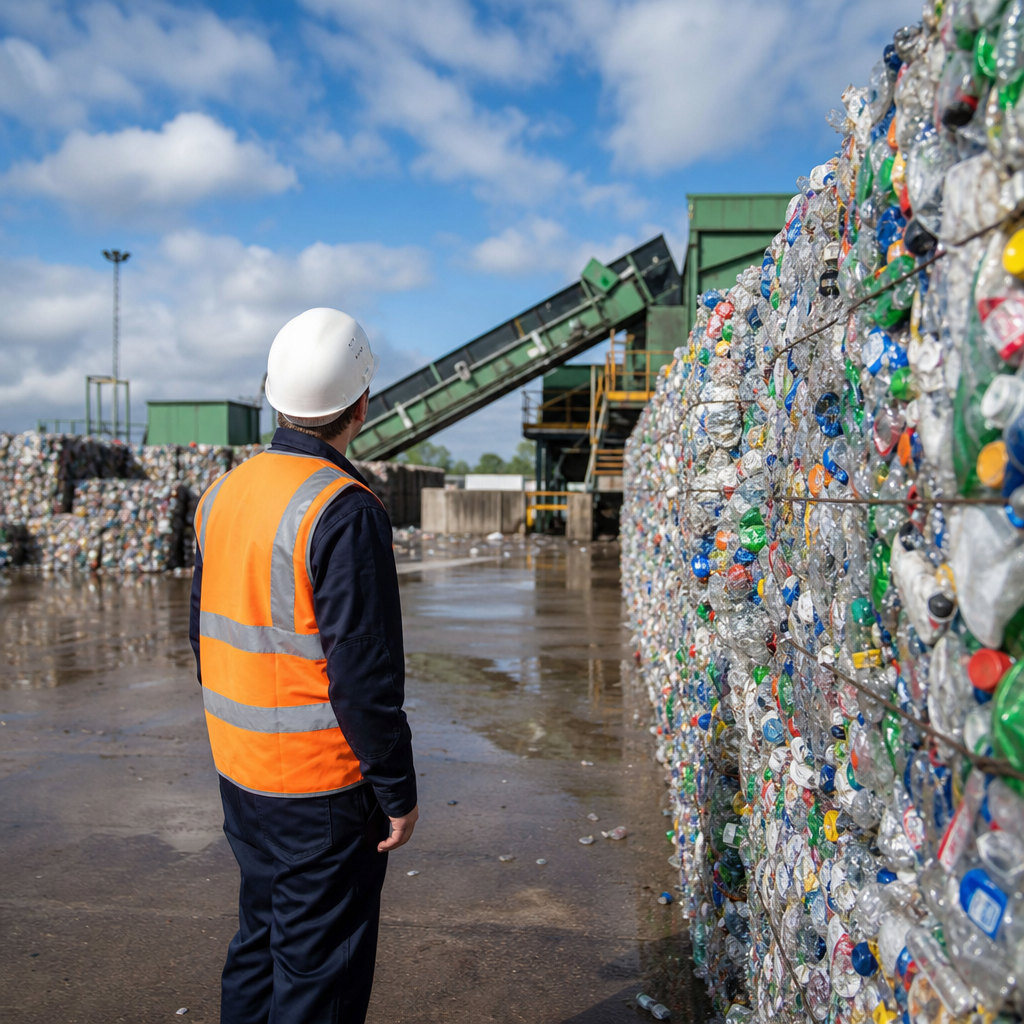
The most visible role of digital technology in polymer recycling is identification and sorting. Mixed plastic waste has low value until someone can separate PET from HDPE, polypropylene from polystyrene, and food-grade material from contaminated fractions. Modern material recovery facilities rely on combinations of near-infrared spectroscopy, visible cameras, hyperspectral imaging, inductive sensors, and air-jet sorting. Near-infrared systems detect the spectral signature of common polymers in milliseconds, while camera systems classify color, shape, and sometimes branding cues. In practice, this means a plant can move from broad plastic recovery to resin-specific recovery with much higher purity.
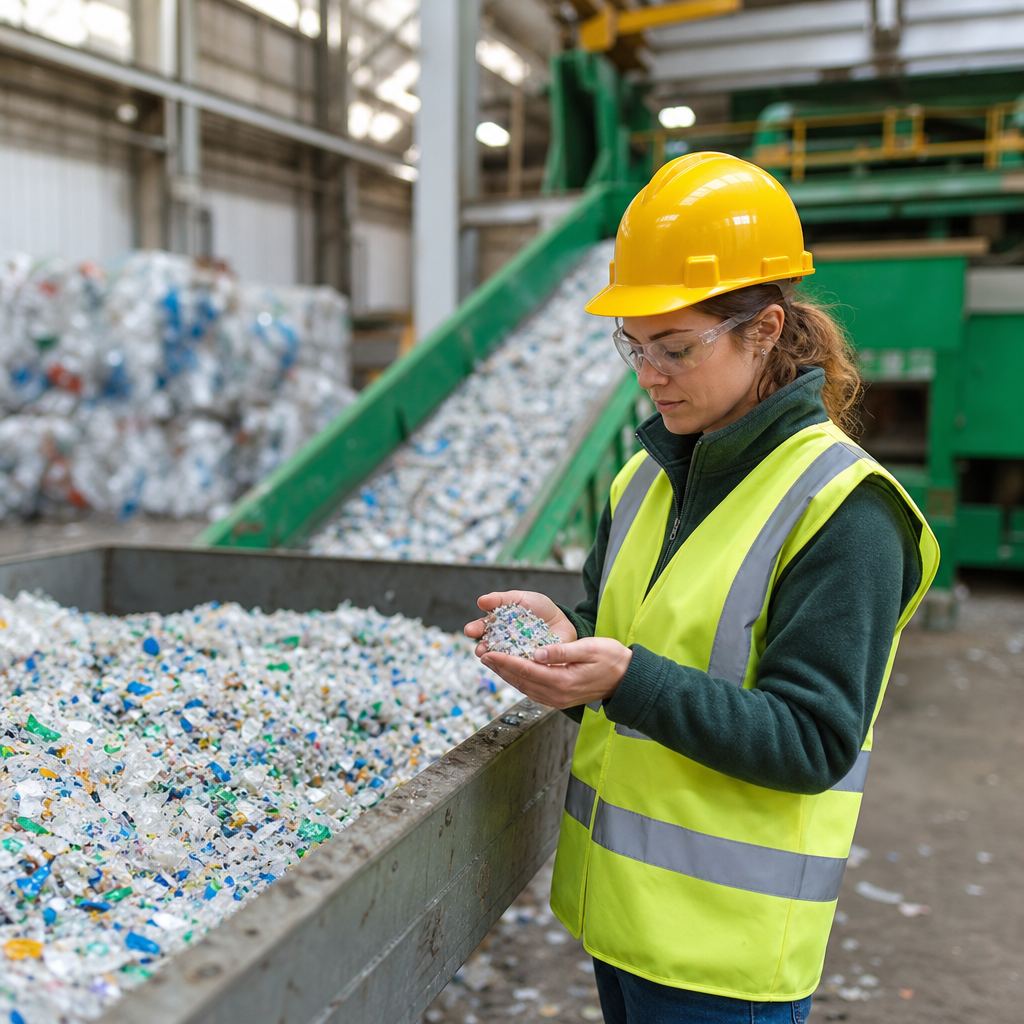
Case studies repeatedly show why that matters. PET bottle recycling lines, for example, need tight control over PVC contamination because very small amounts can degrade melt quality and cause yellowing or black specks in recycled PET. Digital sorters reduce that risk by identifying suspect articles before grinding. In HDPE recycling, optical systems can separate natural HDPE from colored HDPE, creating a premium stream suited to higher-value packaging applications. Robotics extends this capability further. Guided by computer vision and trained models, robotic arms can pull target items from conveyor belts continuously, especially in streams where manual picking is inconsistent. AMP Robotics is a well-known example in this area, and its deployments illustrate a broader industry lesson: automation improves both recovery rate and labor resilience.
Another important development is marker-based sorting and watermark trials. Programs associated with the HolyGrail initiative in Europe have explored digital watermarks embedded in packaging artwork that become machine-readable at sorting speed. The promise is not theoretical. If a sorter can distinguish food-contact polypropylene tubs from non-food polypropylene packaging, or identify specific multilayer structures, the facility can create cleaner feedstocks for specialized recycling routes. The limitation is adoption. Markers only work at scale when packaging producers, retailers, and recovery facilities align on standards. Still, these projects demonstrate how digital technologies support polymer recycling initiatives by making packaging legible to infrastructure that previously treated many items as indistinguishable plastic.
Process monitoring, quality control, and yield improvement
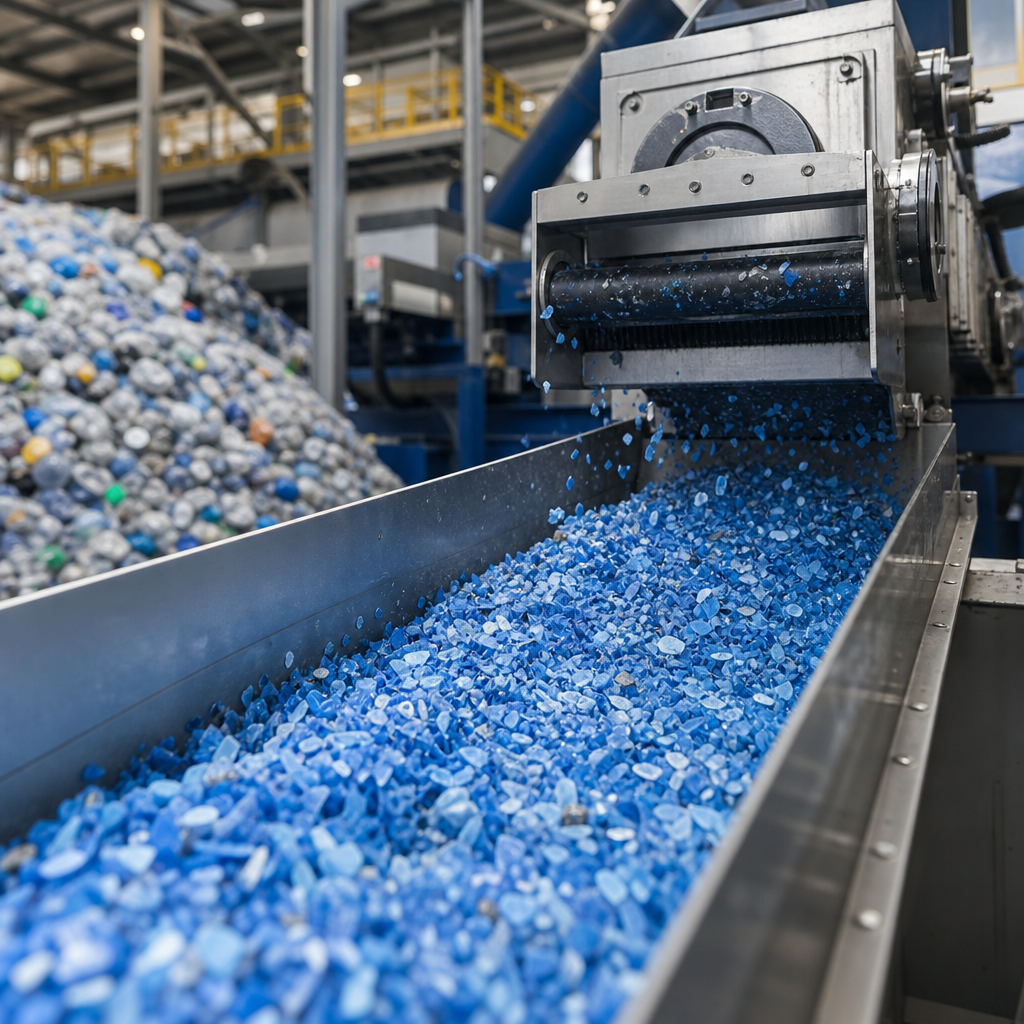
Once plastic is sorted, digital technologies continue to shape results inside the recycling plant. Mechanical recycling depends on stable process conditions across washing, drying, extrusion, filtration, devolatilization, and pelletizing. If moisture remains high, hydrolysis can damage condensation polymers such as PET. If extruder temperatures drift, polyolefins can oxidize or discolor. If melt pressure spikes, filters blind faster and throughput drops. Plants that rely on manual checks often discover problems after quality has already been lost. Digitally monitored plants detect those issues in real time.
Supervisory control and data acquisition systems, distributed control systems, inline sensors, and manufacturing execution software give operators a live picture of feed variability and process performance. In my experience, one of the fastest wins comes from correlating bale composition with downstream scrap rates. A recycler may think the problem is extruder design when the real issue is inconsistent input from suppliers. By tracking incoming material against wash loss, melt flow index, ash content, and pellet color, the plant can set tighter acceptance criteria and improve margins without major capital expenditure.
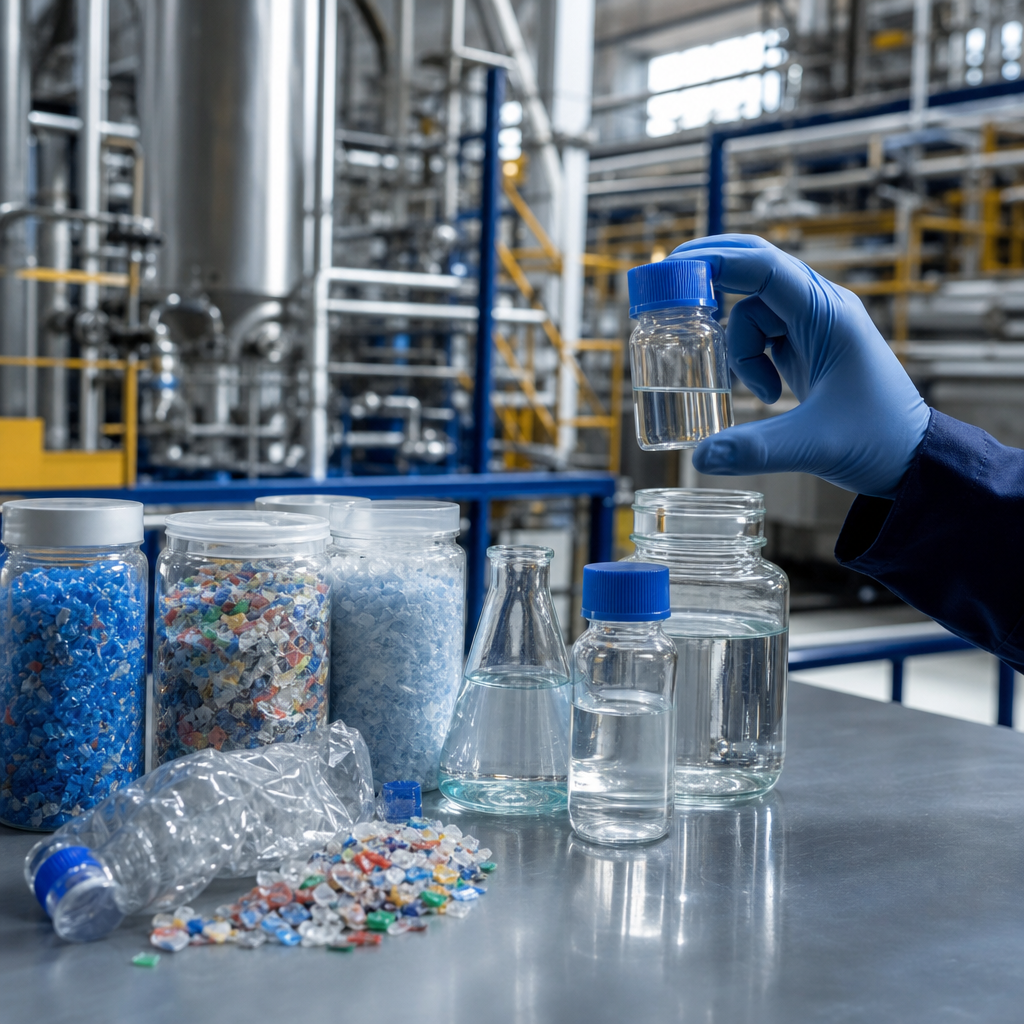
Quality verification increasingly uses digital instruments as well. Melt flow testing, differential scanning calorimetry, Fourier-transform infrared spectroscopy, and color measurement are standard tools, but their impact multiplies when results feed a centralized database tied to lot numbers. That creates a usable history for root-cause analysis and customer assurance. If a converter reports brittle recycled polypropylene in injection molding, the recycler can trace the shipment back to source bales, washing conditions, extrusion temperatures, and additive packages. In food-contact recycling, where decontamination performance and process validation are crucial, robust data logging supports submissions to authorities and customer audits. The result is not just better documentation. It is more consistent recycled resin that can compete with virgin material in defined applications.
Traceability, compliance, and digital chain of custody
Traceability is becoming as important as tonnage. Brands need proof that recycled content claims are accurate. Regulators want evidence that waste moved lawfully across jurisdictions. Buyers want confidence that post-consumer recycled resin meets specification and was produced under controlled conditions. Digital chain-of-custody tools answer those needs by recording transactions, mass balance, source categories, certification status, and test results across the value chain.
Several standards shape this work. ISCC PLUS is widely used for recycled and circular feedstocks, especially where mass balance accounting applies. EuCertPlast has been important in plastics recycling certification in Europe. ERP systems and specialized traceability platforms integrate weighbridge tickets, supplier declarations, production batches, and shipment records so claims can be substantiated. Blockchain is often discussed here, but the real value is less about the specific ledger architecture and more about auditable, tamper-evident records tied to actual operational events. A simple cloud platform with disciplined data entry can outperform an overengineered blockchain pilot with weak plant adoption.
Digital product passports are also gaining relevance, particularly in the European policy environment. A passport can carry information about polymer type, additives, recycled content, repairability, and end-of-life guidance. For recycling, that means fewer blind spots. If a future sorter or dismantler can access reliable composition data, it becomes easier to route products to the right recycling process. Consider automotive plastics. Vehicles contain polypropylene compounds, polyamides, ABS blends, and fiber-reinforced parts that historically have been difficult to recover cleanly. Better digital records at product level can improve dismantling decisions and preserve material value. For this hub article, the key case-study lesson is clear: successful polymer recycling now depends not just on moving material, but on moving trustworthy information with that material.
Representative applications across the polymer recycling value chain
Different polymers and end markets benefit from different digital tools, and the best case studies make that fit visible. PET bottle recycling often leads because the stream is comparatively established. Deposit return systems generate cleaner inputs, optical sorters identify PET and reject contaminants, and wash-to-flake lines use sensor data to maintain moisture and caustic wash conditions. Recyclers then apply inline quality checks to produce bottle-grade or fiber-grade outputs. HDPE from milk jugs and household packaging follows a similar pattern, with digital color sorting creating natural and mixed-color streams for differentiated markets.
Polypropylene case studies are especially instructive because PP appears in rigid packaging, automotive parts, appliances, and textiles, yet collection and sorting remain fragmented. Computer vision and robotics have improved PP capture from mixed packaging streams, while digital compounding controls help recyclers tailor impact strength and flow behavior for injection-molded applications. In film recycling, software-guided line control helps manage contamination, moisture, and odor reduction, although flexible packaging remains challenging due to multilayer structures and residue. Chemical recycling projects use even more extensive digital instrumentation, including reactor monitoring, feed characterization, and emissions tracking, because process stability and product consistency are essential for economic viability.
| Application area | Digital technology used | Primary recycling benefit | Typical limitation |
|---|---|---|---|
| PET bottles | Near-infrared sorting, inline moisture sensing, batch traceability | Higher purity flakes and stable food-grade processes | PVC and label contamination still require strict control |
| HDPE packaging | Optical color sorting, production dashboards, lot testing | Separation of natural HDPE for premium applications | Household chemical residues can affect odor and compliance |
| Polypropylene rigid packaging | Computer vision robotics, quality databases, digital compounding recipes | Better capture rates and application-specific pellets | Collection systems are less mature than PET |
| Flexible films | Line monitoring, contamination analytics, supplier scoring | Lower downtime and better control of wash loss | Multilayer formats remain difficult to recycle mechanically |
| Chemical recycling feedstocks | Advanced feed analysis, reactor controls, emissions monitoring | Safer operation and more consistent output streams | Economics depend heavily on feed quality and scale |
These examples show why a hub on case studies in polymer recycling should organize content by application, not just by technology. The same camera system that excels on bottles may underperform on dark plastics or heavily soiled films. The same traceability platform that supports packaging claims may be less useful in low-value mixed waste unless customers require documentation. Context determines value.
Implementation lessons, economics, and where digital projects fail
Digital projects in polymer recycling succeed when they solve a concrete operational bottleneck. They fail when they are treated as innovation theater. A recycler should start with a measurable problem: too much PET loss to residue, inconsistent polypropylene pellet flow, excessive downtime on optical sorters, weak documentation for recycled content audits, or customer complaints tied to contamination. From there, the business case becomes quantifiable. Higher bale recovery, lower labor dependence, reduced reject rates, improved uptime, and access to premium end markets all translate into payback.
Economics vary by plant size and resin stream, but the principle is consistent. Sorting technology creates value when purity unlocks a better market. Process monitoring creates value when it reduces scrap and stabilizes quality. Traceability creates value when claims, compliance, or customer qualification depend on it. The hidden cost is data discipline. Sensors drift, operators bypass alarms, master data becomes inconsistent, and software goes unused if workflows are poorly designed. I have seen facilities invest in advanced dashboards only to keep making production decisions from paper notes because supervisors were never trained to trust the new system.
Interoperability is another common barrier. Collection data, MRF data, reprocessing data, and sales data often sit in separate systems. Without integration, managers cannot see full material yield from inbound bale to outbound pellet. Cybersecurity also matters. As recycling plants adopt connected equipment and cloud reporting, they become more exposed to ransomware and production disruption. Good implementation therefore includes calibration plans, operator training, governance for data ownership, backup procedures, and clear definitions for key metrics such as recovery rate, contamination, yield, and recycled content. The strongest case studies do not present technology as magic. They show disciplined process change supported by digital tools.
The future of case studies in polymer recycling
The next wave of polymer recycling case studies will center on connected systems rather than isolated machines. Sorting data will inform packaging design. Product passports will support dismantling and resin selection. Recyclers will use machine learning to predict feed variability, maintenance needs, and output quality before defects occur. Brands will qualify suppliers not only by price and volume, but by verified process data, emissions records, and traceable circular content. This shift is already visible in packaging, automotive, electronics, and consumer goods.
For readers using this page as a hub for case studies in polymer recycling, the practical takeaway is straightforward. Evaluate every example through four questions: what data was captured, how was it used operationally, what material or quality result changed, and what commercial value followed. That framework separates meaningful progress from marketing claims. Digital technologies support polymer recycling initiatives when they help recover more polymer, preserve more material performance, and prove more credibly where recycled content came from. If you are building your own recycling strategy, start by mapping one resin stream end to end, identify the biggest information gap, and choose the digital tool that closes it with measurable impact.
Frequently Asked Questions
1. How do digital technologies improve polymer sorting and identification in recycling operations?
Digital technologies significantly improve polymer sorting by making identification faster, more precise, and far less dependent on manual inspection alone. In modern recycling facilities, systems such as near-infrared sensors, optical sorters, machine vision cameras, and AI-driven recognition software can distinguish between different resin types, colors, shapes, and contamination levels at high speed. This matters because polymer recycling depends on clean, well-separated material streams. If PET, HDPE, PP, and multilayer plastics are mixed together, the value of the recycled output drops and processing becomes more difficult. Digital tools help reduce that problem at the front end.
Automation also supports consistency. Human sorters remain important, but digital systems can process large waste volumes continuously and apply the same sorting rules throughout a shift. Machine learning models can be trained to recognize packaging formats, labels, and hard-to-identify items that traditional equipment may miss. Over time, these systems become more effective as operators feed them additional data from real operating conditions. The result is improved bale quality, lower contamination rates, and better recovery of usable polymers that might otherwise be sent to landfill or incineration.
Just as importantly, digital sorting technologies generate data. Facilities can monitor throughput, track contamination trends, identify problem loads, and optimize line performance based on real evidence rather than assumptions. This turns recycling from a mostly mechanical activity into a data-informed process, helping operators improve recovery rates while giving downstream buyers more confidence in the consistency and composition of recycled polymer feedstock.
2. What role does traceability play in polymer recycling initiatives?
Traceability is essential because it connects material movement with material credibility. In polymer recycling, stakeholders need to know where plastic waste came from, how it was handled, what processes it went through, and whether the resulting recycled material meets required specifications. Digital traceability tools, including cloud-based tracking platforms, QR codes, batch records, RFID systems, and digital product passports, make that visibility possible across the value chain. Instead of relying on fragmented paperwork or disconnected supplier claims, companies can create a digital record of each material stream from collection through reprocessing and resale.
This is especially important as regulatory expectations increase and brands make stronger recycled-content commitments. Manufacturers and brand owners need evidence that recycled polymers are authentic, compliant, and suitable for specific applications. Traceability systems help document resin origin, contamination screening, processing conditions, and quality test results. For recyclers, this can improve trust with buyers and create stronger commercial opportunities because verified material is easier to market than material with uncertain history.
Traceability also supports circularity at scale. When companies understand the flow of polymers through the system, they can identify bottlenecks, material losses, and recurring quality failures. That insight helps improve collection schemes, sorting logic, supplier performance, and packaging design. In other words, traceability is not just about proving what happened; it is about creating the feedback loop needed to continuously strengthen polymer recycling initiatives over time.
3. Can machine learning and data analytics make polymer recycling more efficient?
Yes, and this is one of the most important ways digital technologies support polymer recycling initiatives. Machine learning and data analytics help recyclers move from reactive operations to predictive and optimized decision-making. In a recycling plant, data can be collected from sensors, conveyors, sorters, wash lines, extrusion systems, and quality-control checkpoints. Analytics platforms can then interpret that information to reveal patterns that are difficult to detect manually, such as when contamination rises, which incoming loads produce the best yields, or where process downtime is most likely to occur.
Machine learning models can also improve sorting accuracy and plant performance over time. For example, algorithms can be trained to identify packaging formats that tend to create contamination, predict the purity of output streams based on feedstock conditions, or adjust sorting parameters dynamically as material composition changes. In processing stages, predictive tools can help optimize washing intensity, temperature settings, shredder loads, or extrusion parameters to improve throughput and maintain more consistent recycled polymer quality.
From a business perspective, analytics help operators make smarter investments and reduce unnecessary losses. They can compare supplier quality, evaluate equipment effectiveness, forecast maintenance needs, and align production with market demand for recycled resins. This matters because polymer recycling is highly sensitive to margin pressure, feedstock variability, and quality expectations. When digital systems convert operating data into actionable recommendations, recyclers can lower costs, recover more usable material, and deliver more reliable outputs to customers.
4. How do digital product passports and material data systems support circular polymer use?
Digital product passports and related material data systems support circular polymer use by preserving critical information about plastic products beyond the point of sale. Traditionally, once a polymer-based product enters the waste stream, recyclers often know very little about its exact composition, additives, multilayer structure, previous use, or design-for-recycling characteristics. That lack of visibility makes sorting harder and can limit the quality of recycled output. Digital product passports help solve this by storing structured information about materials, components, recycled content, chemical additives, and handling requirements in a format that can be accessed across the value chain.
For recyclers, this kind of information can be extremely valuable. If systems can identify whether a package contains a single polymer or a complex blend, whether it includes problematic inks or barrier layers, or whether it is suitable for mechanical versus chemical recycling, recovery decisions become more accurate. For manufacturers and brands, digital passports help support eco-design by making material choices more transparent and measurable. They can also simplify reporting on recycled content, compliance, and end-of-life performance.
At a broader system level, digital product passports encourage better alignment between product design, waste management, and recycled-material markets. They create a shared language for material data, which can improve collaboration between producers, converters, recyclers, and regulators. As circular economy requirements continue to grow, these tools are likely to become increasingly important for ensuring that polymers are not just collected, but actually recovered, documented, and recirculated in a way that supports long-term sustainability goals.
5. Why are digital technologies becoming so important for scaling polymer recycling initiatives?
Digital technologies are becoming indispensable because scaling polymer recycling is no longer just a question of adding more bins, trucks, or processing lines. The real challenge is managing complexity: mixed waste streams, varying polymer types, changing packaging formats, stricter regulations, buyer demands for verified recycled content, and the need for economically viable operations. Digital systems help organizations handle that complexity with better visibility, control, and coordination. They connect physical recycling infrastructure with actionable information, which is essential for improving both environmental and commercial outcomes.
As recycling systems grow, small inefficiencies become major barriers. Poor material identification, weak documentation, inconsistent quality control, and limited communication between supply chain participants can all restrict recovery rates and reduce confidence in recycled polymers. Digital technologies address these issues by supporting automated sorting, real-time monitoring, quality verification, inventory management, and end-to-end traceability. That makes it easier to standardize processes, meet customer specifications, and demonstrate compliance with policy requirements.
Perhaps most importantly, digitalization helps transform polymer recycling from a fragmented, local activity into a more integrated circular system. Manufacturers can design packaging with better recovery data in mind. Recyclers can provide more transparent quality information to buyers. Brands can verify sustainability claims with stronger evidence. Regulators can assess performance with better reporting and accountability. When digital tools are used effectively, they do more than improve isolated steps in recycling; they strengthen the entire ecosystem needed to recover, validate, and scale the reuse of polymer materials.