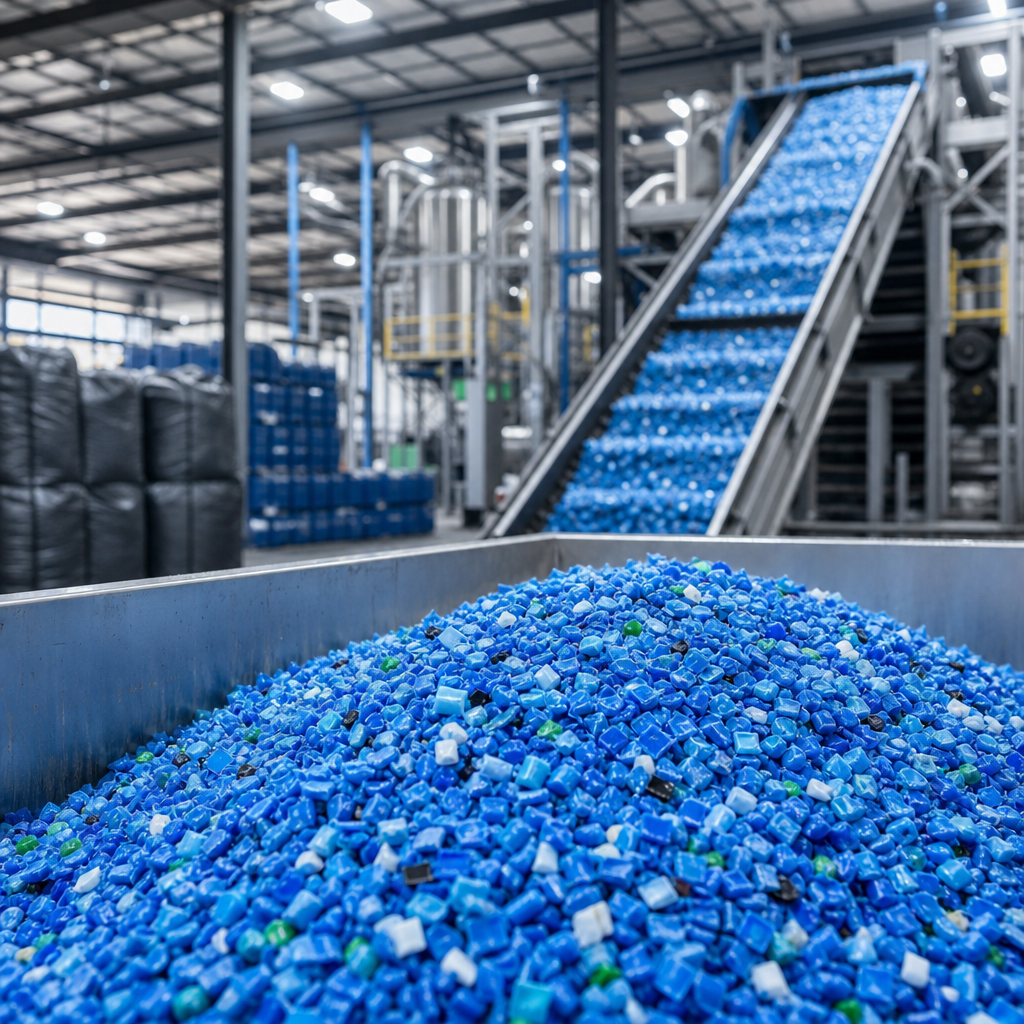
Innovations in closed-loop recycling systems for polymers are changing how manufacturers design products, recover materials, and reduce dependence on virgin resin. In practical terms, a closed-loop system keeps a polymer in repeated use at comparable quality, rather than downcycling it into lower-value applications or sending it to landfill, incineration, or export. For companies working in packaging, automotive, electronics, textiles, and medical devices, this matters because resin price volatility, recycled-content mandates, and carbon reporting now affect core operating decisions. Over the past decade, I have seen polymer recycling move from a waste-management discussion to a supply-chain strategy, with procurement teams, product designers, regulators, and recyclers working from the same material data.
Polymer recycling is not one technology but a coordinated system. It begins with polymer identification, collection logistics, and contamination control. It then depends on sorting, washing, size reduction, reprocessing, additive management, and quality assurance. Closed-loop performance is strongest when the incoming feedstock is consistent, the application is well defined, and the recycled polymer can meet mechanical, thermal, rheological, and regulatory requirements after reprocessing. Polyethylene terephthalate, high-density polyethylene, polypropylene, and certain engineering plastics have emerged as leading candidates, although each polymer presents different constraints around food contact, color, odor, fillers, multilayer structures, and degradation.
This hub article on case studies in polymer recycling explains the major innovations making closed-loop systems more viable at industrial scale. It covers design-for-recycling methods, digital tracing, advanced sorting, mechanical and chemical recycling pathways, and the quality systems that determine whether recycled pellets actually displace virgin material. It also highlights where closed-loop claims fail, which is just as important as celebrating progress. A useful case study in polymer recycling does more than describe a pilot line; it shows feedstock conditions, process parameters, economics, compliance hurdles, and end-market fit. That level of detail is what decision-makers need when evaluating technologies, partnerships, or internal recycling programs.
As the hub page for this subtopic, this article also frames how to read related case studies. The right questions are straightforward: What polymer is being recovered? From which product stream? At what contamination level? Using which sorting and reprocessing steps? Into what application, under what specifications, and with what yield loss? When those answers are clear, comparisons become meaningful. When they are vague, claims about circularity usually collapse under scrutiny.
What Closed-Loop Recycling Means in Polymer Applications
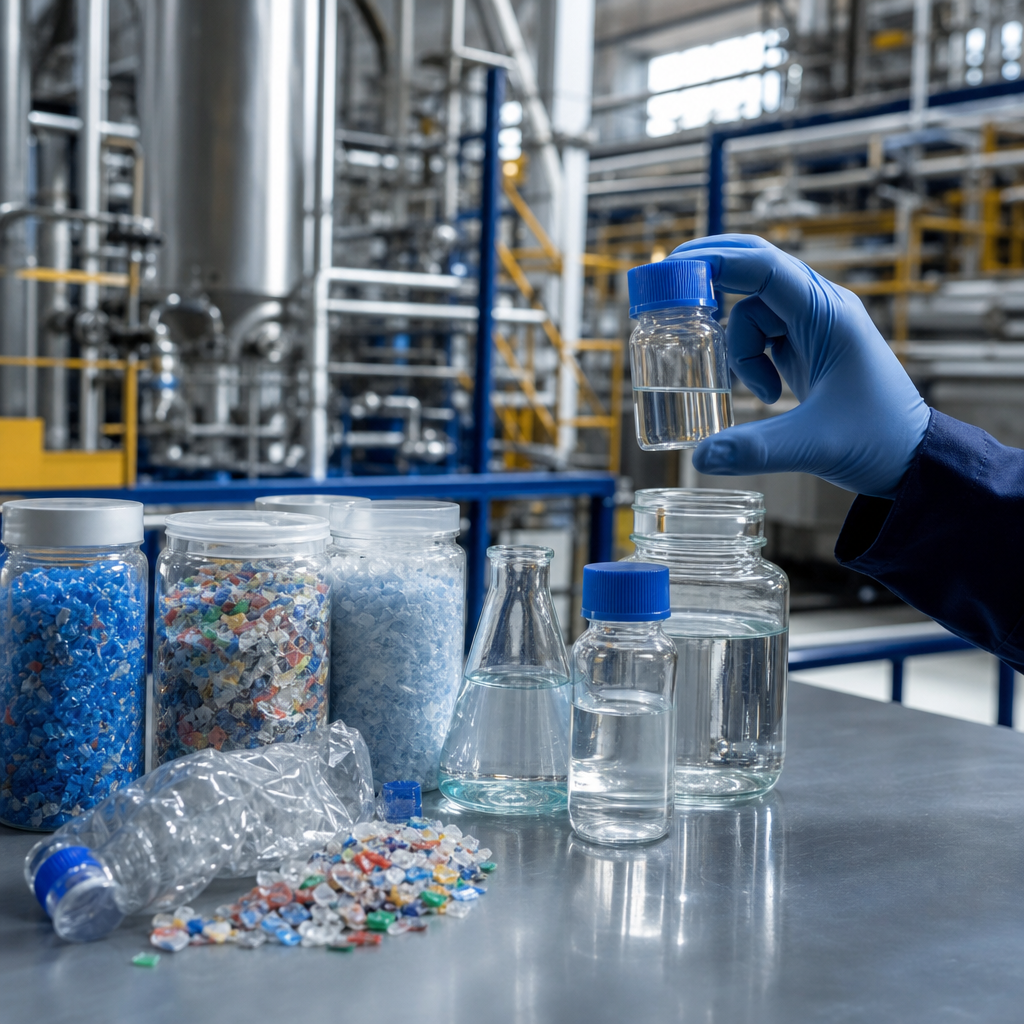
Closed-loop recycling for polymers means recovering a material from a product and returning it to the same or a functionally equivalent product system with minimal loss of performance. The strongest examples are bottle-to-bottle PET recycling, crate-to-crate HDPE recycling, industrial PP regrind returned to molded components, and controlled take-back of nylon from carpets or fishing nets into engineered goods. In each case, the target is not merely waste diversion; it is material substitution at a defined specification.
The distinction between closed-loop and open-loop recycling is operationally important. If PET bottles become polyester strapping or park benches, value is retained for a time, but the pathway is not truly closed. If HDPE detergent bottles are recycled into non-pressure pipe, the resin has been downcycled into a product with different performance and end-of-life options. Closed-loop systems aim to preserve molecular integrity, control contaminants, and maintain enough property retention to support repeated cycles. That usually requires narrow feedstock windows, robust process controls, and better product design upstream.
In real plants, the biggest obstacles are contamination, additives, and mixed-material formats. A clear monomaterial PP tub is easier to recover than a multilayer pouch with EVOH, metallization, and aggressive inks. Carbon black in black plastics still challenges some near-infrared systems, though newer hyperspectral and digital watermarking approaches are improving detection. Labels, adhesives, barrier layers, silicone residues, flame retardants, and food residues all affect yield and pellet quality. This is why the best case studies in polymer recycling usually start with design changes before they discuss recycling hardware.
Design for Recycling as the First Innovation Layer
The most effective innovation in closed-loop recycling often happens before a product is sold. Design for recycling reduces complexity so that sorting and reprocessing can work at commercial scale. In packaging, this means moving from multilayer laminates toward mono-material PE or PP structures where possible, using washable adhesives, minimizing full-body shrink sleeves that obscure resin identification, and selecting pigments and barrier solutions that do not poison the recycling stream. The Association of Plastic Recyclers and RecyClass have both published design guidance that many converters now use during product development.
I have seen packaging teams make small specification changes that unlock major downstream gains. Replacing a problematic label adhesive can cut hot-wash contamination. Eliminating a silicone-coated component can improve pellet odor and surface quality. Standardizing cap and bottle polymers can simplify sorting and float-sink separation. These choices look minor on a drawing, but at the wash line they determine whether a bale yields premium recyclate or marginal output that must be blended away.
Automotive and electronics applications are following a similar path. OEMs increasingly request material passports, polymer marking according to ISO 11469, and part consolidation that reduces inseparable material combinations. Snap-fit assemblies can replace permanent adhesive bonds. Fastener strategies can improve dismantling at end of life. In durable goods, those design decisions matter because post-consumer streams are heterogeneous and often contain legacy additives that complicate compliance with RoHS, REACH, and other requirements.
Advanced Sorting, Digital Tracing, and Data Integrity
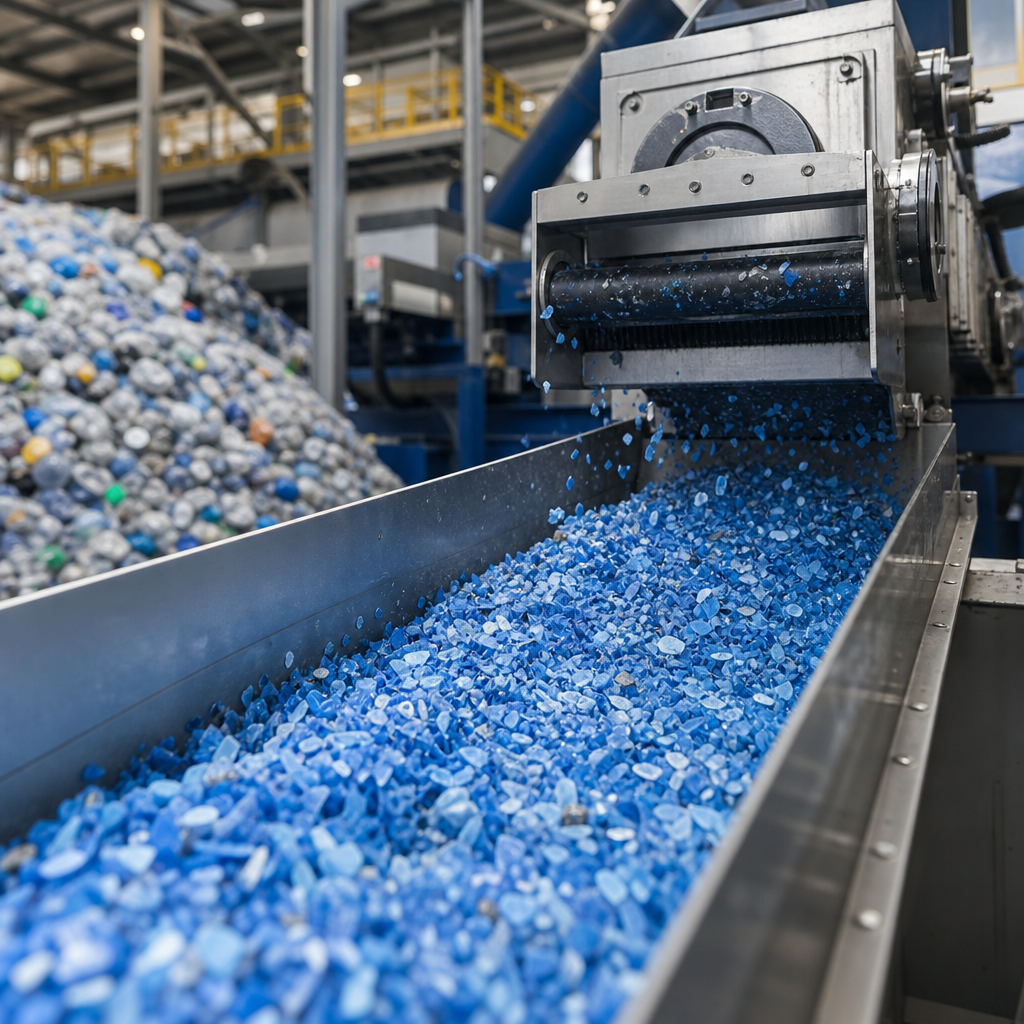
Sorting determines the economics of polymer recycling more than most project decks admit. Modern materials recovery facilities and plastics reclaimers use a combination of manual pre-sort, ballistic separation, magnets, eddy currents, near-infrared spectroscopy, optical color sorting, sink-float tanks, and increasingly AI-assisted vision systems. TOMRA, Pellenc ST, and Sesotec are among the recognized equipment providers in this space. The innovation is not just better sensors; it is higher confidence in separating narrowly specified fractions that can support closed-loop applications.
Digital tracing is becoming equally important. Batch-level traceability, digital watermarks, product passports, and mass-balance accounting systems help connect waste origin to recycled pellet destination. In practice, brands and recyclers need chain-of-custody records that stand up in customer audits and regulatory reviews. When a converter claims 30 percent recycled polypropylene in food packaging or automotive interior trim, the supporting data must show source streams, processing losses, and test results. Without that discipline, recycled-content claims become marketing language rather than procurement-grade evidence.
| Innovation area | Primary problem solved | Typical polymer streams | Practical case-study outcome |
|---|---|---|---|
| Near-infrared and AI sorting | Mixed bales and resin misidentification | PET, HDPE, PP | Higher purity fractions for bottle-grade or molded applications |
| Digital watermarking | Poor pack recognition on sorting lines | Consumer packaging | Better separation by format, food-contact stream, or brand system |
| Washable adhesives and detachable labels | Glue and label contamination | PET, HDPE | Improved flake quality and lower defect rates in pellets |
| Reactive extrusion and compatibilizers | Property loss in mixed or degraded streams | PP, PE, polyamides | Recovered melt strength and broader reuse options |
| Depolymerization and solvent processes | Hard-to-recycle multilayer or contaminated feedstock | PET, PA, PS, PU | Return to monomers or purified polymers for high-spec reuse |
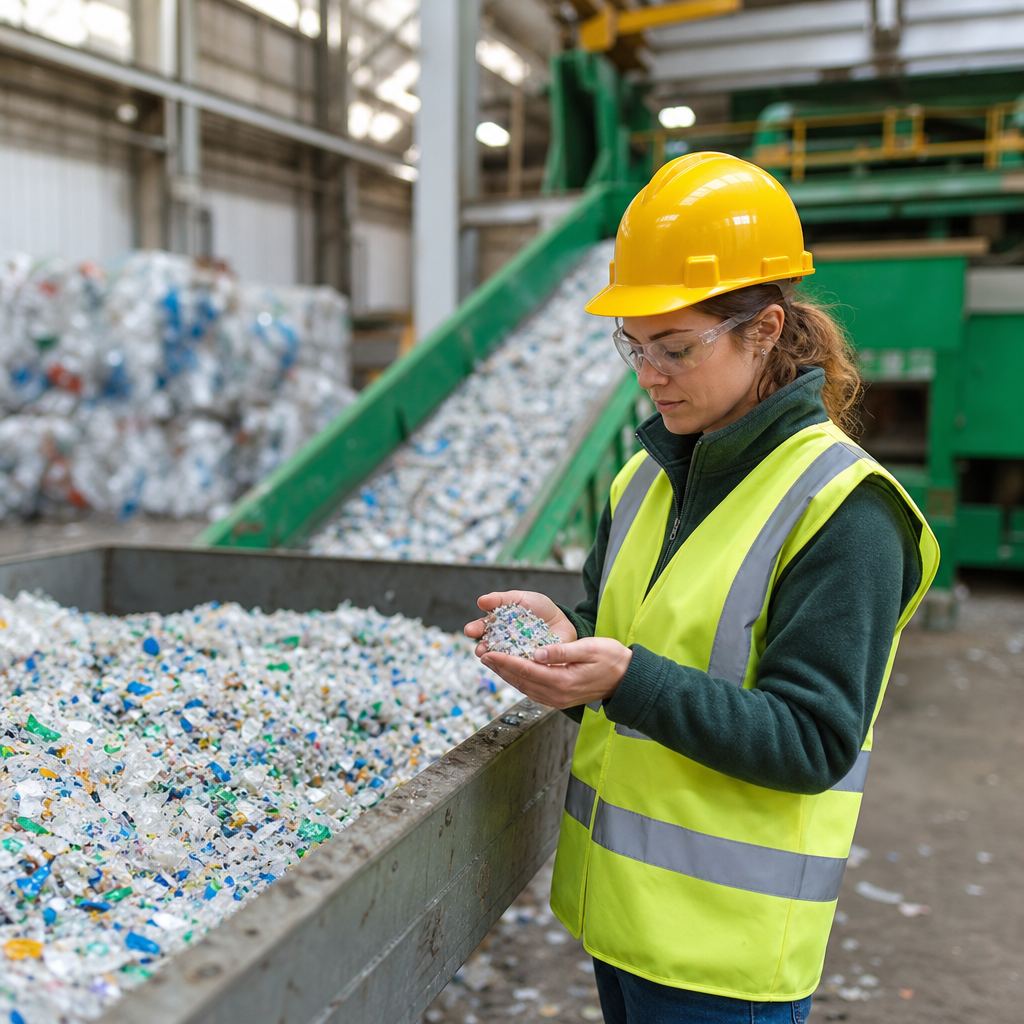
One recurring lesson from case studies in polymer recycling is that data integrity is as valuable as plant throughput. A recycler may process tens of thousands of tonnes per year, but if incoming composition varies too widely and outgoing resin is poorly characterized, converters will not qualify the material for demanding uses. Reliable melt flow index, intrinsic viscosity, ash content, moisture, color, odor, and contaminant screening are not optional. They are the basis of repeat business.
Mechanical Recycling Case Studies: Where Closed Loops Already Work
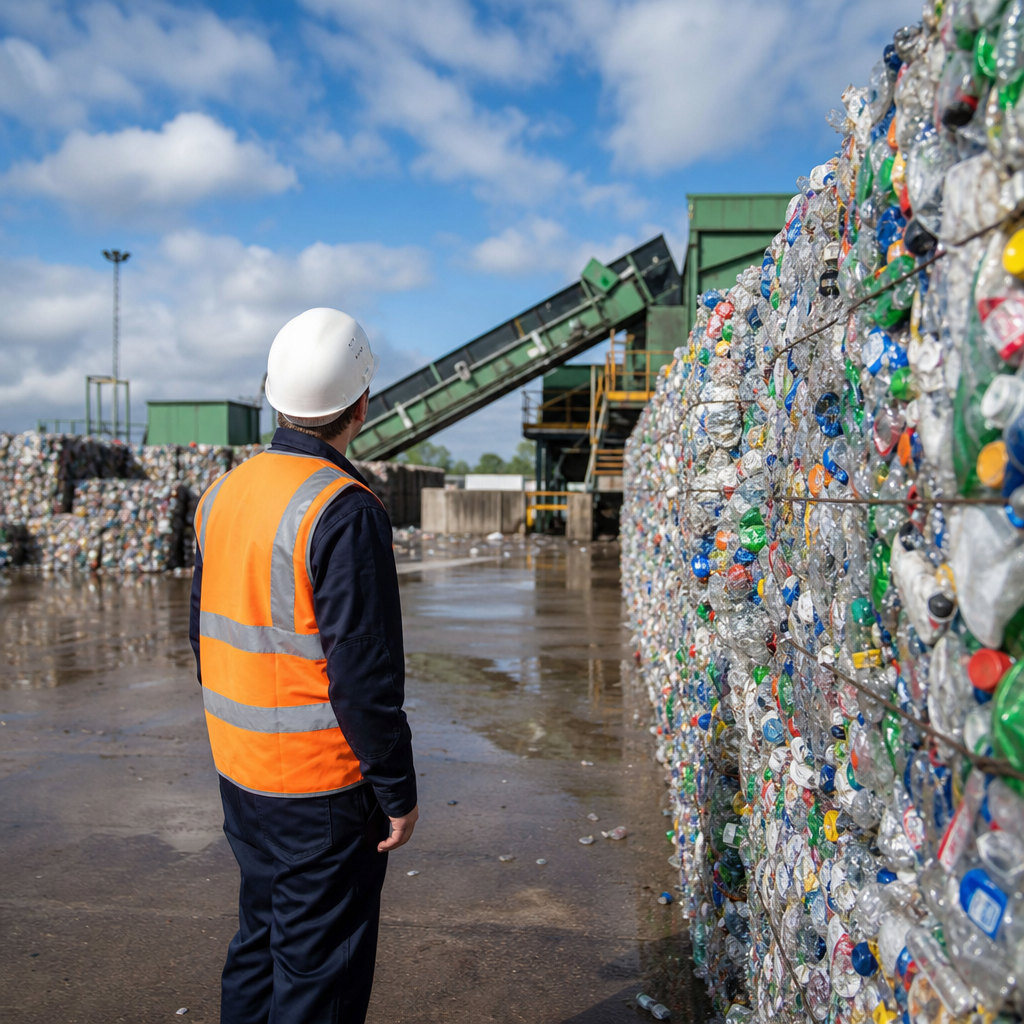
Mechanical recycling remains the dominant closed-loop route for many polymers because it is commercially proven, energy efficient relative to virgin production, and compatible with high-volume products. PET bottle-to-bottle recycling is the clearest example. Deposit return systems in countries such as Germany and Norway generate cleaner feedstock than mixed curbside collection, enabling high-purity rPET flakes and pellets. Super-clean decontamination processes, validated for food contact under EFSA and FDA frameworks, allow recycled PET to return to beverage packaging with strong performance.
HDPE from milk jugs and detergent bottles is another established pathway, though color sorting and odor control are constant issues. Natural HDPE can often be returned to non-pigmented packaging or closures, while mixed-color streams may move into thicker-wall products. Industrial PP offers some of the best real closed-loop economics because manufacturing scrap is relatively clean. Injection molders routinely granulate sprues, runners, and rejected parts, then blend regrind back into the same product family under controlled limits. The innovation is now extending into post-consumer PP tubs, caps, and rigid packaging through improved wash lines, deodorization, and additive packages that stabilize repeated heat histories.
Textiles offer more mixed results. Polyester fiber recycling is widespread, but true textile-to-textile loops remain harder than bottle-to-fiber routes because dyes, finishes, elastane blends, and trim contamination reduce feedstock quality. Nylon from carpets and fishing nets has produced stronger circular case studies because take-back systems can be controlled more tightly, especially when products are designed for recovery from the start.
Chemical Recycling, Solvent Purification, and Hybrid Systems
When mechanical recycling cannot maintain performance or remove contamination, chemical recycling becomes relevant. This category includes depolymerization to monomers, pyrolysis to hydrocarbon feedstocks, gasification, and solvent-based purification. The term is often used too broadly, so case studies need precision. Glycolysis and methanolysis for PET are not equivalent to pyrolysis of mixed polyolefins, either in outputs or in circularity claims. Solvent-based purification for polystyrene or multilayer structures is different again, because it may recover a polymer rather than break it fully into monomers.
The most credible closed-loop examples are those where output quality matches virgin-equivalent specifications and the mass balance is transparent. PET depolymerization has gained traction because monomer recovery can handle colored or contaminated streams that mechanical bottle recycling cannot use efficiently. Polyamide and polyurethane recycling also show promise in specialized sectors. Mixed polyolefin pyrolysis can support circular feedstock strategies, but the economics depend heavily on collection quality, pre-treatment, plant scale, and accounting rules. It is not a universal answer for poor packaging design.
Hybrid systems are increasingly practical. A recycler may mechanically process the clean portion of a stream and send only the hard fraction to solvent or chemical treatment. That hierarchy usually makes the most environmental and economic sense. In project reviews, the best results come from matching the least intensive effective process to the feedstock, instead of forcing all material through one headline technology.
Quality Assurance, Regulation, and the Economics of Scale
Closed-loop recycling succeeds when quality systems are as disciplined as those in virgin polymer production. That means incoming inspection, statistical process control, contamination thresholds, and application-specific testing. For PET, intrinsic viscosity and acetaldehyde matter. For PP and PE, melt flow, odor, gels, and environmental stress cracking resistance may determine acceptance. For engineering plastics, residual additives, molecular weight distribution, and impact retention can be decisive. Recyclers that understand the end application outperform those that sell pellets as generic recycled content.
Regulation is accelerating this shift. The EU Single-Use Plastics framework, packaging rules, recycled-content targets, and extended producer responsibility schemes are changing demand patterns. Food-contact compliance still imposes strict evidence requirements, especially for post-consumer material. In the United States, state-level recycled-content laws and corporate procurement goals are creating similar pull. These rules do not eliminate technical barriers, but they make consistent recyclate supply strategically valuable.
Economics remain challenging. Collection and sorting costs can exceed the spread between virgin and recycled resin, especially when oil prices fall. Capital-intensive washing, deodorization, extrusion, and decontamination lines require high utilization to work. This is why the strongest case studies in polymer recycling involve long-term offtake agreements, co-investment by brands, or vertically integrated models linking collection to compounding and conversion. If you are evaluating this field, focus on systems, not slogans: design choices, feedstock control, process fit, data quality, and end-market qualification are what make polymer circularity real. Use this hub to compare technologies, benchmark case studies, and identify where closed-loop recycling can genuinely scale next.
Frequently Asked Questions
What is a closed-loop recycling system for polymers, and how is it different from traditional recycling?
A closed-loop recycling system for polymers is designed to keep plastic materials in continuous circulation at a quality level that allows them to be used again in similar or equivalent applications. Instead of turning a polymer into a lower-grade product, as often happens in downcycling, closed-loop systems aim to recover, sort, process, and remanufacture resin so it can re-enter production with performance characteristics that remain commercially useful. This distinction is important because traditional recycling often results in material degradation, contamination issues, or limited end markets, which reduce the economic and technical value of the recovered polymer.
In practical manufacturing terms, closed-loop recycling depends on far more than collection alone. It requires intentional product design, traceable material streams, advanced sorting technologies, effective decontamination, and processing methods that preserve polymer integrity. For example, mono-material packaging structures, detachable components, digital product passports, marker-based sorting, compatibilizers, and solvent-based purification are all innovations helping polymers remain viable across multiple reuse cycles. The goal is not simply to recycle more plastic, but to create a system where recovered polymers can reliably substitute for virgin resin in high-value applications.
This model is increasingly attractive across packaging, automotive, electronics, textiles, and medical manufacturing because it improves supply resilience and reduces exposure to virgin resin price volatility. It also supports regulatory compliance, corporate sustainability targets, and customer demand for circular materials. In short, closed-loop recycling moves polymers from a waste management problem to a material asset strategy.
What recent innovations are making closed-loop polymer recycling more effective?
Several major innovations are improving the efficiency, quality, and scalability of closed-loop polymer recycling systems. One of the most significant is advanced sorting technology. Near-infrared sorting, artificial intelligence-driven vision systems, tracer-based identification, and digital watermarking are making it easier to separate polymers by resin type, color, additive package, and even food-grade suitability. Better sorting means fewer contaminants in the stream, which directly improves the performance and consistency of recycled output.
Another important area is purification and reprocessing. Mechanical recycling has improved through better washing, filtration, deodorization, melt stabilization, and chain-extension additives that help restore polymer properties. At the same time, chemical and solvent-based recycling technologies are expanding the options for difficult or highly contaminated streams. Processes such as depolymerization, dissolution, and selective extraction can recover materials closer to virgin-like quality, especially for polymers like PET, polyamides, and certain specialty plastics. These approaches are particularly useful when mechanical recycling alone cannot maintain performance standards.
Product and packaging design is also advancing the closed-loop model. Manufacturers are reducing multi-layer combinations, eliminating problematic adhesives and pigments, standardizing resin choices, and designing parts for easier disassembly. In sectors like automotive and electronics, modular construction and better material labeling are improving end-of-life recovery. In textiles, fiber-to-fiber recycling systems are being developed to handle blends more effectively and preserve output quality. Across industries, data systems are becoming just as important as physical equipment. Digital tracking, supplier transparency tools, and mass-balance accounting are helping companies verify recycled content, manage feedstock quality, and coordinate reverse logistics more efficiently. Together, these innovations are transforming closed-loop recycling from a niche sustainability initiative into a more credible industrial operating model.
Why are manufacturers investing in closed-loop recycling systems for polymers now?
Manufacturers are investing now because the business case for closed-loop polymer recycling has become much stronger. Virgin resin markets are often volatile, influenced by energy prices, feedstock availability, geopolitical factors, and regional supply constraints. Closed-loop systems can help companies stabilize a portion of their material supply, improve forecasting, and reduce dependence on external virgin resin markets. For large-volume users of plastics, even modest improvements in resin security and cost predictability can have a meaningful effect on margins and production planning.
Regulation is another major driver. Extended producer responsibility programs, recycled content mandates, landfill restrictions, plastic taxes, and disclosure requirements are pushing companies to rethink how polymers move through their value chains. Businesses that can recover and reuse their own material streams are often better positioned to respond to these rules than those relying entirely on open-market sourcing. In addition, major brands and OEMs increasingly expect suppliers to support circularity goals, lower lifecycle emissions, and provide credible documentation for recycled content and end-of-life performance.
There is also a competitive advantage component. Closed-loop recycling supports stronger sustainability claims when it is backed by robust traceability and quality control. It can reduce waste disposal costs, unlock premium customer relationships, and strengthen brand reputation in markets where circular design is becoming a purchasing criterion. For sectors such as packaging, automotive, electronics, textiles, and medical devices, the ability to return polymers to comparable applications is especially valuable because it protects material performance while advancing environmental objectives. In many cases, companies are no longer viewing recycling as a compliance expense alone; they are treating it as an operational, procurement, and product innovation strategy.
What are the biggest challenges in creating a true closed-loop system for polymers?
The biggest challenge is maintaining material quality across repeated cycles. Polymers can degrade through heat history, oxidation, contamination, mixed additives, or incompatible resin blending. Even when a material is collected successfully, it may not be suitable for the same end use unless the system has strong controls for sorting, cleaning, stabilization, and testing. This is especially critical in high-performance applications where impact strength, clarity, barrier properties, dimensional stability, or regulatory purity must be tightly managed.
Collection and feedstock consistency are also difficult. A closed-loop system works best when the input stream is relatively predictable, such as post-industrial scrap or a well-controlled take-back program. Post-consumer waste streams are much more variable. They can include food residue, labels, dyes, fillers, multilayer constructions, metal attachments, and non-target polymers that complicate processing. Infrastructure gaps make this harder, since collection systems, sorting capacity, and recycling regulations differ significantly by region. Without reliable feedstock and infrastructure, even advanced recycling technologies struggle to scale economically.
Design complexity remains another barrier. Many products were never created with closed-loop recovery in mind. Multi-material assemblies, dark pigments, permanent adhesives, fiber blends, and embedded electronics all reduce recyclability. On top of that, there are economic and governance challenges. Closed-loop recycling often requires collaboration across converters, brands, recyclers, resin producers, logistics providers, and regulators. The value created by circularity is not always distributed evenly, which can slow investment. Achieving a true closed-loop system therefore requires coordinated action in design, infrastructure, processing technology, procurement standards, and policy. It is not a single-machine solution; it is a system-level transformation.
How can companies improve polymer circularity and build more successful closed-loop recycling programs?
Companies can improve polymer circularity by starting upstream, at the design stage. Products intended for closed-loop recovery should use resin systems that are widely recyclable, minimize unnecessary additives, avoid problematic colorants and labels, and reduce incompatible multi-material combinations wherever possible. Design for disassembly is especially important in automotive, electronics, and medical products, where component separation can determine whether valuable polymers are recovered cleanly or lost in mixed waste streams. Clear material identification and standardized specifications also help recyclers process materials more accurately.
Next, companies should strengthen control over material flows. That can mean building take-back programs, establishing reverse logistics, partnering directly with recyclers, and creating closed supply agreements for post-industrial or post-consumer feedstock. Many of the most successful programs begin with defined streams where contamination can be managed and recovery economics are easier to support. Data plays a major role here. Companies should measure yield loss, contamination rates, recovered resin quality, recycled content performance, and end-market acceptance. Digital traceability tools can support chain-of-custody verification and help procurement teams confidently integrate recycled polymers into production planning.
It is also essential to align technical, commercial, and regulatory teams. Quality assurance must validate that recycled polymers meet functional requirements. Procurement must account for long-term feedstock partnerships rather than spot purchasing alone. Sustainability teams should connect recycling efforts to carbon reduction, waste diversion, and circularity reporting. Regulatory specialists need to evaluate compliance in areas such as food contact, medical use, automotive standards, and chemical safety. When these functions work together, closed-loop recycling becomes far more practical and scalable.
Finally, companies should treat circularity as a continuous improvement program, not a one-time initiative. Pilot projects, material trials, supplier collaboration, and investment in compatible processing technologies can gradually increase loop closure rates and recycled content quality. The most effective organizations do not ask only whether a polymer can be recycled. They ask whether it can be recovered repeatedly, at sufficient quality, volume, and cost, to displace virgin resin in meaningful applications. That is the standard that defines a successful closed-loop recycling strategy.