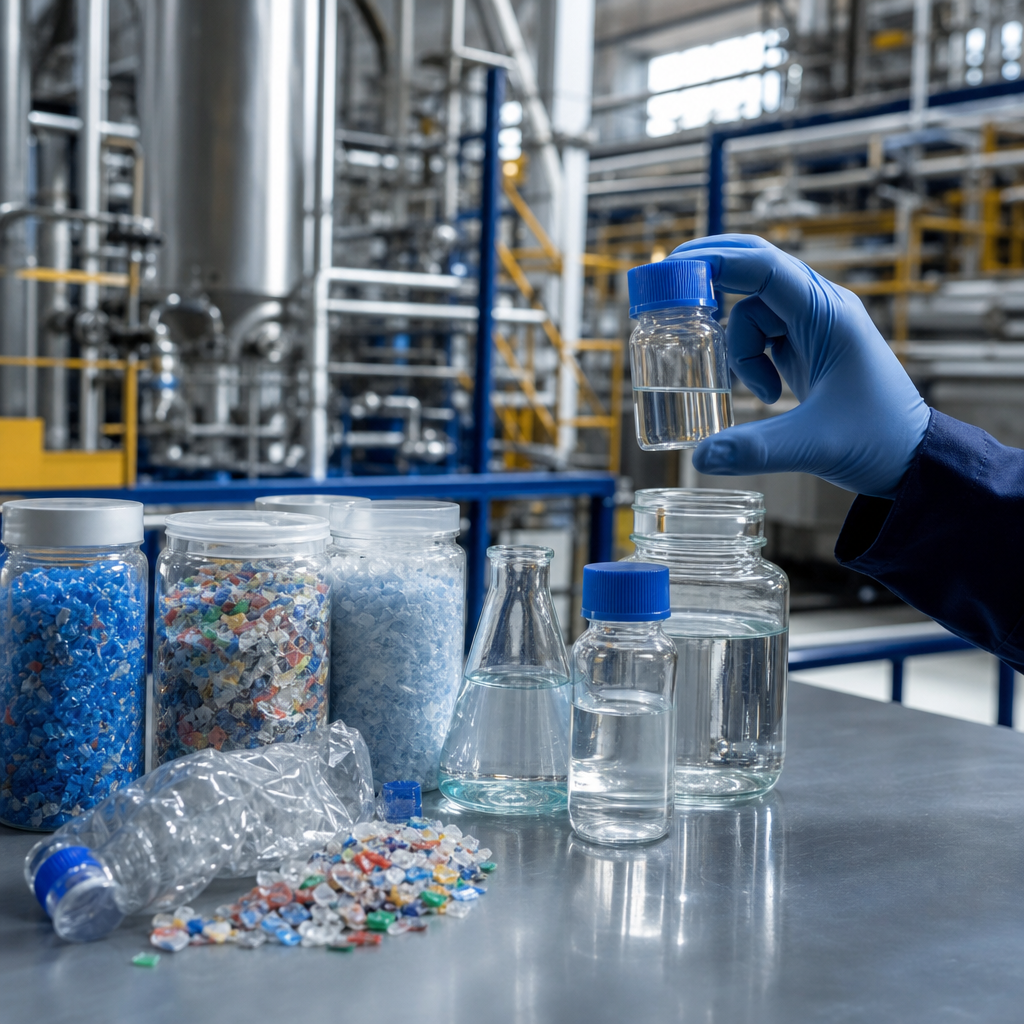
Polymer recycling in the automotive industry has moved from a niche sustainability initiative to a measurable operating requirement for global vehicle manufacturers. In this context, polymers include thermoplastics such as polypropylene, ABS, polyamide, and PET, along with thermoset-based composites and elastomers used in bumpers, dashboards, underbody shields, wheel liners, seating foams, and electrical housings. Polymer recycling means collecting these materials from production scrap, end-of-life vehicles, dealership returns, and post-consumer waste streams, then reprocessing them into feedstock suitable for new automotive parts or adjacent industrial applications. As a case study category, automotive recycling matters because modern vehicles contain roughly 150 to 200 kilograms of plastics, and electric vehicles often use even more polymer content to reduce weight and improve range.
I have worked with manufacturers and recyclers evaluating whether recycled resin can meet appearance, impact, odor, and regulatory requirements at scale, and the answer is yes, but only when collection, sorting, compounding, and validation are managed as one system. The automotive sector is a particularly useful hub topic because it shows the full spectrum of polymer recycling pathways: closed-loop reuse of factory scrap, open-loop use of recycled packaging plastics in vehicle components, dismantling and shredding of end-of-life vehicles, and emerging chemical recycling for mixed or contaminated streams. It also exposes the real constraints engineers face, including polymer degradation, black plastic detection, flame-retardant legacy additives, and the long qualification cycles required by OEMs. Studying these cases provides practical insight for any company building polymer recycling programs.
Why automotive polymer recycling has become a strategic priority
Automotive companies pursue polymer recycling for four concrete reasons: regulation, cost control, carbon reduction, and material security. In Europe, the End-of-Life Vehicles Directive pushed manufacturers to design vehicles with recovery and recycling in mind, while broader circular economy rules and recycled-content targets have increased pressure on resin sourcing decisions. In parallel, automakers have publicly committed to lower Scope 3 emissions, and virgin polymer production carries a substantial carbon footprint because it depends on fossil feedstocks and energy-intensive processing. Recycled polypropylene or PET can deliver significantly lower embodied emissions when the collection and reprocessing route is efficient. That carbon advantage matters in lifecycle assessments and supplier scorecards.
Cost is more nuanced than many articles suggest. Recycled polymers are not automatically cheaper than virgin grades. Prices depend on bale quality, washing intensity, additive needs, and testing costs. However, manufacturers can stabilize supply and reduce exposure to virgin resin volatility by building qualified recycled streams for non-visible and semi-structural parts. During recent resin market disruptions, several suppliers accelerated recycled-content programs specifically to protect continuity. Material security has also become more important as OEMs reduce the number of approved grades and seek regional sourcing. A validated recycled compound from post-industrial or end-of-life material can become a strategic asset, not just a sustainability story.
Where polymers sit in the vehicle and why that matters for recycling
The feasibility of polymer recycling depends heavily on where the material is used. A bumper fascia made from polypropylene and elastomer modifiers faces different requirements than a glass-fiber-reinforced polyamide air-intake component or an interior ABS trim part. Visible interior components must meet color consistency, gloss, low volatile organic compound emissions, odor limits, scratch resistance, and dimensional stability. Underbody shields and wheel arch liners can tolerate wider aesthetic variation but still require impact performance, stone-chip resistance, and weather durability. Battery electric vehicles add further complexity because polymers around high-voltage systems may require flame retardancy, dielectric properties, and thermal management performance.
From a recycling standpoint, mono-material applications are the easiest to recover. Clean production scrap from injection molding lines can often be reground and fed back into the same application after screening and controlled blending. Multi-material assemblies are harder. Bonded foams, overmolded inserts, coatings, adhesives, and metal attachments all lower yield and increase cost at dismantling. This is why design for recycling is now being discussed earlier in vehicle development. Engineers are reconsidering dark color palettes that interfere with optical sorting, reducing unnecessary surface treatments, and consolidating resin families where practical. Better recycling outcomes usually begin at the design release stage, not at the shredder.
Case studies in polymer recycling across the automotive value chain
The strongest case studies in polymer recycling come from three recurring models. First is closed-loop manufacturing scrap recovery. A tier supplier molding polypropylene wheel liners, for example, may capture sprues, startup rejects, and trimmed edge waste, grind them, recompound the material with impact modifiers, and return it into wheel liner production. Because the feedstock is known and contamination is low, quality control is straightforward. I have seen this model achieve high recycled content without affecting line efficiency, provided moisture control and particle size distribution are tightly managed. It is the fastest route to measurable recycled content because qualification risk is comparatively low.
Second is open-loop integration of post-consumer or post-industrial waste into durable vehicle parts. Renault, Volvo Cars, BMW Group, Ford, and Stellantis have all publicized programs using recycled plastics in interior carriers, underbody systems, console components, or acoustic parts. In these projects, recyclers sort and wash material from packaging, consumer goods, or mixed industrial streams, then compound it into automotive grades with stabilizers, fillers, and colorants. The technical challenge is consistency over time. A compound may pass all tests in one quarter and drift in melt flow, ash content, or odor later if feedstock discipline weakens. Successful programs therefore depend on strong supplier quality agreements and ongoing statistical process control.
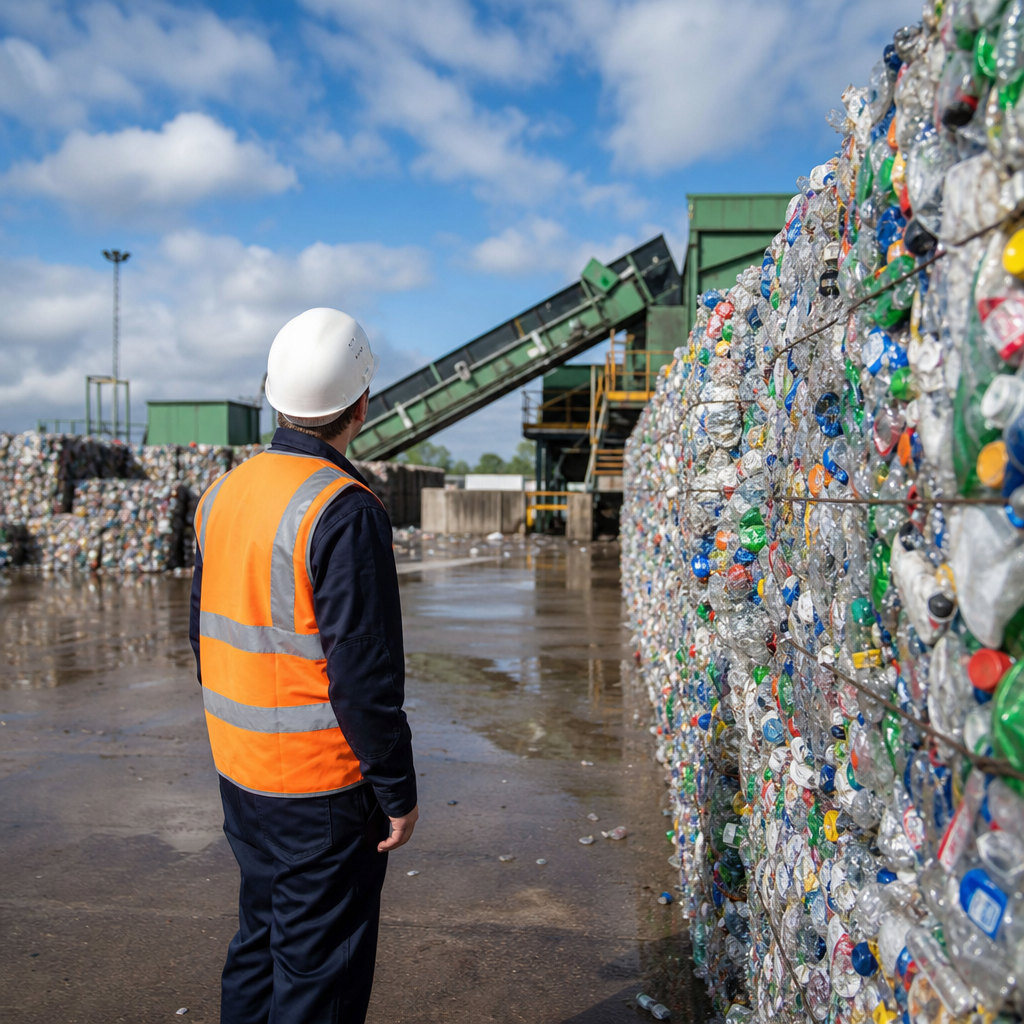
Third is end-of-life vehicle recovery, the most complex but most important long-term model. After depollution and dismantling, vehicles are shredded, and non-metallic residue is separated using density, electrostatic, sink-float, and spectroscopic methods. Polypropylene from bumpers and interior trim is one of the most targeted streams because it is common and valuable. Several European initiatives have shown that recovered bumper-grade polypropylene can be reintroduced into automotive applications after sorting, deodorization, filtration, and recompounding. The limiting factor is not whether the chemistry works. It is whether dismantlers, shredder operators, and compounders can preserve enough material identity and purity to meet OEM specifications at commercial scale.
| Recycling model | Typical feedstock | Best-fit automotive parts | Main technical risk | Operational advantage |
|---|---|---|---|---|
| Closed-loop production scrap | Sprues, runners, startup rejects | Wheel liners, ducts, brackets | Thermal history buildup | High traceability and low contamination |
| Open-loop recycled compound | Post-consumer packaging, industrial waste | Underbody shields, carriers, trim substrates | Feedstock variability | Broad supply base and carbon savings |
| End-of-life vehicle recovery | Bumpers, trim, shredder-separated fractions | Bumpers, splash guards, non-visible housings | Sorting purity and legacy additives | True circularity within automotive streams |
| Chemical recycling route | Mixed or contaminated polymer fractions | Mass-balance certified engineering resins | Cost and infrastructure maturity | Can process difficult waste streams |
Technical barriers and how leading programs solve them
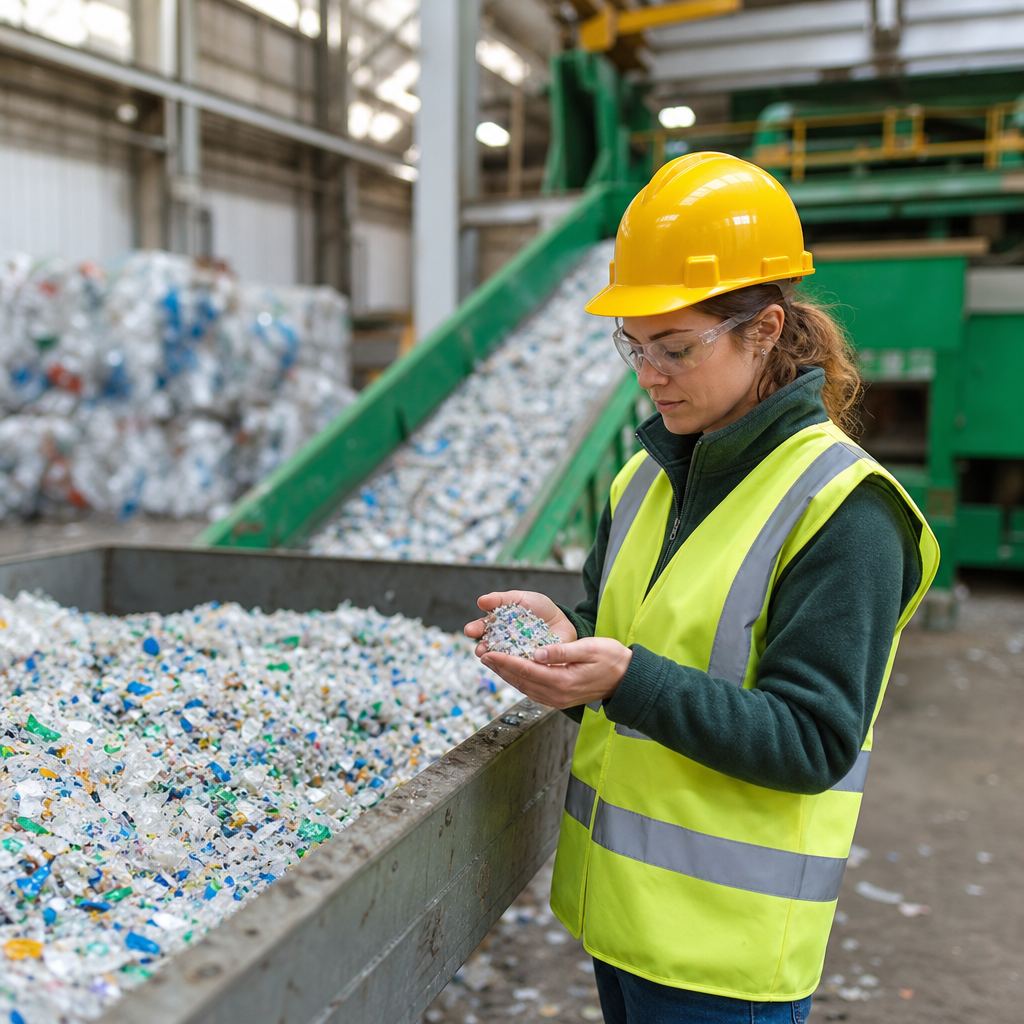
Most failed automotive polymer recycling programs collapse on quality variation, not on headline ambition. Mechanical properties decline when polymers experience repeated heat histories, oxidation, or chain scission. Contamination from paint, talc, metal fines, incompatible polymers, and moisture can create brittle parts, surface defects, or unstable processing windows. Black plastics have historically been difficult for near-infrared sorting systems to detect, although newer tracer-based and alternative optical systems are improving recovery. Legacy substances are another concern. Recyclers must screen for restricted additives and ensure compliance with REACH, RoHS, Global Automotive Declarable Substance List requirements, and OEM-specific chemical standards.
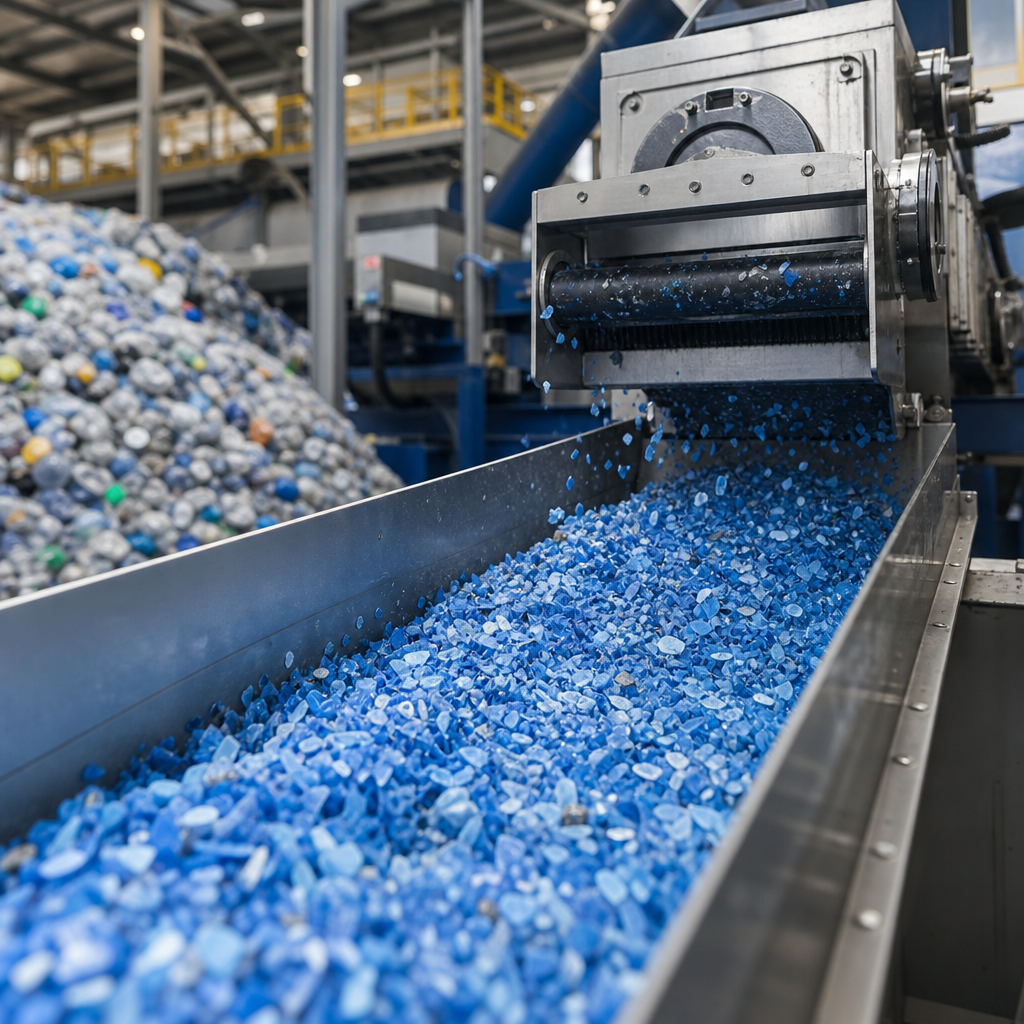
The best programs treat recycled polymer like any other engineered material. They define acceptable melt flow ranges, impact targets, odor ratings, color tolerances, ash content, density, and contamination limits before sourcing begins. Then they build preprocessing and compounding steps around those requirements. Compatibilizers help when mixed polyolefin streams cannot be fully avoided. Vacuum degassing reduces odor and volatile content. Fine melt filtration removes particulates that would otherwise cause cosmetic defects or stress concentrators. Stabilizer packages restore processing robustness. In several programs I have reviewed, a modest investment in filtration and odor control made the difference between material that only worked in pallets and material that passed for automotive underbody use.
Validation is also stricter than outsiders often realize. An OEM or Tier 1 may require tensile, flexural, Izod or Charpy impact, heat aging, humidity aging, UV exposure, fogging, VOC, dimensional stability, and process capability studies across multiple lots. If the part is safety-adjacent, approval becomes even harder. That is why many companies start with non-visible applications and gradually move recycled content upward in value. This progression is rational. It builds confidence, creates data, and gives procurement, engineering, and manufacturing teams a repeatable pathway for expanding recycled polymer use without jeopardizing warranty performance.
Design, supply chain, and policy lessons from real automotive examples
Across case studies in polymer recycling, the same lesson appears repeatedly: the winning unit of analysis is not the recycled pellet but the whole system around it. Design teams determine resin complexity and disassembly potential. Dismantlers decide whether bumpers, tanks, and interior modules are removed intact or lost to mixed shredder residue. Recyclers shape purity through sorting technology and washing. Compounders translate recovered flakes into stable formulations. OEMs and Tier 1s set the specification architecture that either enables or blocks adoption. When one link is weak, circularity stalls. When all links share data and incentives, recycled polymers move from pilot volumes to contractual supply.
Real-world examples confirm this. Bumper-to-bumper recycling projects work best when dismantlers harvest parts before shredding, because intact bumpers preserve polymer identity and reduce contamination. Interior textile and polymer recovery projects improve when components are marked according to ISO 11469 and ISO 1043 resin identification conventions, making sorting faster and less error-prone. Manufacturing scrap loops perform best when plants segregate materials at the press instead of combining them in general waste. Policy can reinforce these practices, but regulation alone is not enough. Commercial alignment matters just as much. Recyclers need volume commitments, while automotive buyers need dependable quality and traceability.
This hub article sits within a broader set of case studies in polymer recycling because automotive lessons transfer directly to electronics, appliances, packaging, and construction. Any company planning subtopic pages on chemical recycling case studies, mechanical recycling case studies, recycled polypropylene applications, design for recycling, or end-of-life vehicle material recovery can use automotive examples as the anchor. The sector forces difficult questions early: Can recycled resin meet exacting specifications? How do you verify content claims? Which applications tolerate feedstock variation? What sorting technologies are mature enough for scale? Those are the same questions decision-makers ask across industries, which is why automotive remains one of the clearest proving grounds for polymer circularity.
The key takeaway is straightforward: polymer recycling in the automotive industry works when companies engineer the loop, rather than merely purchasing recycled content. The most successful case studies combine design simplification, clean material capture, advanced sorting, disciplined compounding, and rigorous validation. They start with realistic applications, prove performance with data, and then scale into broader programs. For manufacturers, that approach cuts carbon exposure, strengthens resin supply, and prepares the business for tighter circularity requirements. For recyclers and suppliers, it creates durable demand for higher-quality recovered polymers. If you are building a library of case studies in polymer recycling, start with automotive, map the value chain, and use these models to identify where your own operation can close the loop next.
Frequently Asked Questions
1. Why has polymer recycling become so important in the automotive industry?
Polymer recycling has become strategically important because plastics and polymer-based components are now embedded throughout modern vehicles, from visible interior trim and bumper systems to underbody components, battery-adjacent housings, seating systems, and electrical connectors. As manufacturers face stricter environmental targets, rising raw material costs, and growing pressure to reduce landfill waste, recycled polymers are no longer viewed as an optional sustainability project. They are increasingly treated as part of core manufacturing strategy. In practical terms, automotive companies are using recycled polypropylene, ABS, polyamide, PET, elastomers, and in some cases recycled composite-derived materials to lower dependence on virgin resin, reduce carbon intensity, and improve resource efficiency across vehicle platforms.
What has changed most is the scale and urgency. Regulators, investors, and OEM procurement teams now expect measurable progress on circularity, traceability, and recycled content. A case study in this field typically shows that the benefits extend beyond environmental reporting. Recycling production scrap and qualifying post-consumer or end-of-life automotive polymers can improve material security, stabilize costs in volatile resin markets, and help manufacturers meet internal design-for-recycling targets. For global vehicle makers, polymer recycling has shifted from a niche initiative to an operating requirement because it directly affects compliance, brand credibility, supplier expectations, and long-term manufacturing resilience.
2. Which automotive polymers are most commonly recycled, and where are they used in vehicles?
The most commonly recycled automotive polymers are thermoplastics, especially polypropylene, ABS, polyamide, and PET, because they can often be recovered, reprocessed, compounded, and reintegrated into manufacturing streams with relatively established methods. Polypropylene is widely used in bumpers, wheel liners, battery covers, trim components, and underbody applications due to its balance of weight, toughness, and cost. ABS appears frequently in dashboards, consoles, and interior housings because of its strength and surface finish characteristics. Polyamide, including glass-filled grades, is used in under-hood and structural-adjacent applications where thermal and mechanical performance matter. PET is increasingly relevant in fibers, textiles, and certain engineered applications, especially as interior sustainability programs expand.
Beyond thermoplastics, the industry also deals with thermoset-based composites and elastomers, though these are generally more difficult to recycle mechanically. Thermoset composites may be found in lightweight structural parts, while elastomers appear in seals, vibration management components, and some flexible assemblies. Seating foams, often polyurethane-based, present their own recycling challenges but remain an important part of broader automotive circularity programs. In many case studies, the easiest early wins come from high-volume, relatively clean, single-polymer streams such as injection molding scrap from polypropylene or ABS. More advanced programs focus on mixed, contaminated, painted, reinforced, or end-of-life materials, which require sorting, decontamination, compatibilization, and more rigorous quality validation before they can be returned to automotive use.
3. What are the biggest technical challenges in recycling polymers from automotive applications?
The biggest challenge is that automotive plastic waste is rarely simple. Unlike clean industrial scrap from a single production line, end-of-life vehicle polymers are often mixed with paints, adhesives, metal inserts, fillers, flame retardants, glass fiber, coatings, and dirt accumulated over years of service. That makes sorting and material recovery much more complex. Even when a part is labeled as polypropylene or ABS, the actual formulation may include impact modifiers, talc, reinforcement, colorants, or other additives that affect melt behavior and final performance. As a result, recyclers and automotive suppliers must work carefully to maintain consistency in mechanical strength, dimensional stability, odor performance, impact resistance, and appearance.
Another major challenge is qualification. Automotive materials must meet demanding standards for heat aging, weathering, emissions, crash-related performance, and processability. Recycled polymers can vary from batch to batch unless robust feedstock control, testing, and compounding practices are in place. This is why successful case studies often emphasize the full system, not just the recycling technology itself. Effective programs combine dismantling or collection strategy, optical or density-based sorting, washing and size reduction, melt filtration, additive packages, compounding, and strict quality assurance. In some cases, manufacturers blend recycled resin with virgin material to achieve the required balance of cost, performance, and process stability. The technical challenge is not just turning waste into pellets; it is producing a repeatable, validated automotive-grade material that performs reliably in demanding real-world applications.
4. How do automotive companies typically implement a successful polymer recycling program?
Successful programs usually begin with material mapping. Manufacturers first identify which polymer streams are available, in what volumes, and with what contamination profile. Production scrap is often the logical starting point because it is generated in controlled environments and is easier to sort by resin family and grade. Once those internal streams are stabilized, companies often expand into post-industrial and then end-of-life vehicle feedstocks. A strong case study typically shows cross-functional coordination among design teams, manufacturing, procurement, recyclers, compounders, and Tier 1 suppliers. This is important because recycled material adoption affects part design, tooling behavior, finishing requirements, sourcing contracts, and quality specifications.
Implementation also depends on selecting realistic target applications. Companies often begin with hidden or semi-structural components such as wheel liners, underbody shields, trunk liners, non-cosmetic brackets, or inner carrier parts, where surface perfection is less critical than in visible interior trim. As confidence grows, recycled content may be introduced into higher-value components, including dashboards, electrical housings, or bumper-related systems, provided performance criteria can be met. The most effective programs also build traceability into the supply chain, define testing protocols early, and use closed-loop models where feasible. For example, scrap generated during bumper production may be recovered, compounded, and returned into similar applications. Over time, this approach can create a scalable circular materials strategy rather than a one-off pilot. The strongest case studies show that success comes from aligning collection, processing, specification control, and end-use qualification into one repeatable operating model.
5. What business and sustainability results can a case study on polymer recycling in automotive manufacturing demonstrate?
A strong case study can demonstrate both environmental and operational value. On the sustainability side, polymer recycling can reduce landfill disposal, lower demand for virgin petrochemical feedstocks, and cut the carbon footprint associated with material production. These gains are especially meaningful in high-volume vehicle manufacturing, where even modest increases in recycled content can translate into substantial annual reductions in raw material use and emissions. Companies may also use these programs to support broader circular economy commitments, improve ESG reporting, and respond to customer and regulatory expectations around vehicle sustainability.
On the business side, the results often include better scrap utilization, reduced material purchasing costs, lower exposure to resin price volatility, and stronger supply-chain resilience. In some cases, recycled polymers allow manufacturers to localize material sourcing or recover value from waste streams that previously represented a disposal expense. There can also be product development advantages, especially when recycled-content targets encourage more standardized material choices and better design-for-disassembly practices. Importantly, the best case studies do not present recycling as a public relations exercise. They show measurable KPIs such as recycled content percentages, scrap recovery rates, yield improvements, part qualification success, and cost savings over time. When polymer recycling is executed well in the automotive sector, it becomes a practical business lever that supports compliance, competitiveness, and long-term manufacturing efficiency at the same time.