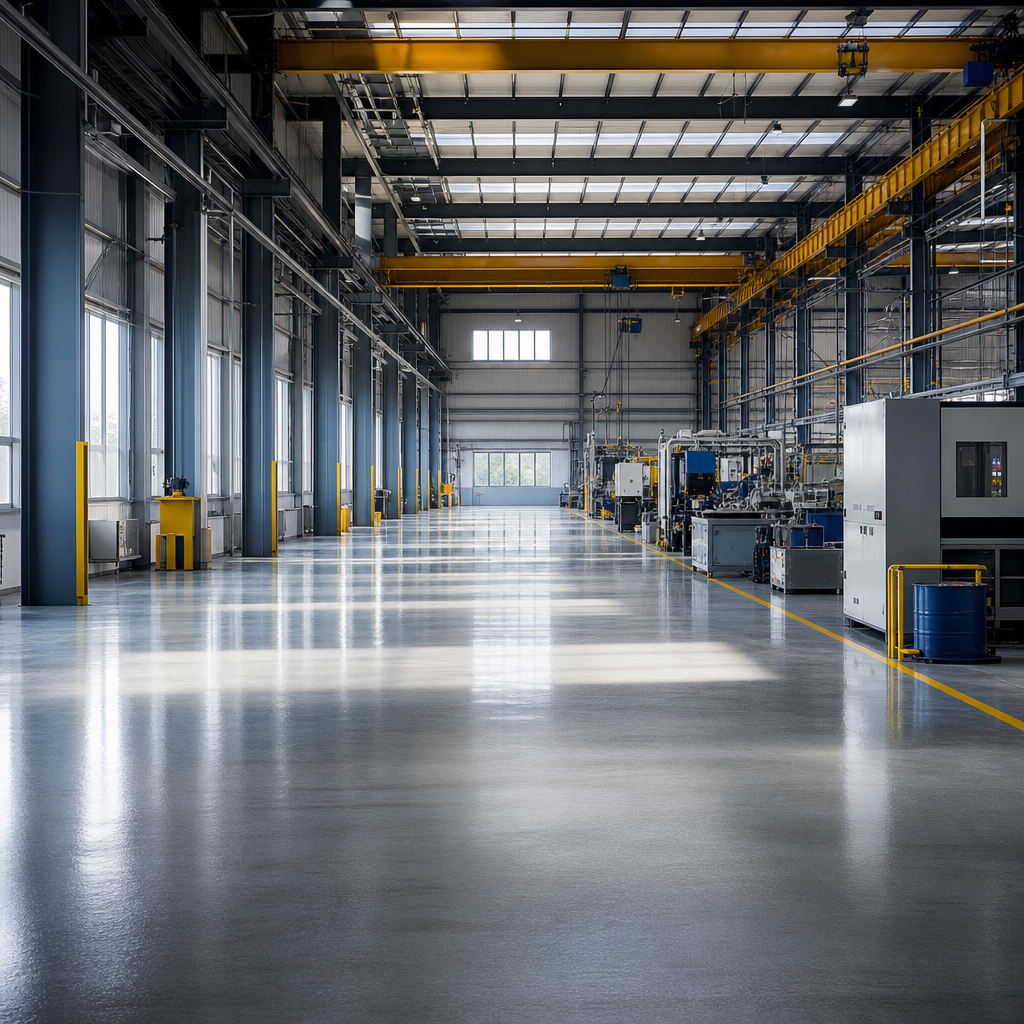
Industrial flooring fails for predictable reasons: abrasion from traffic, chemical attack, thermal cycling, impact loading, moisture intrusion, and poor adhesion between the slab and the wearing surface. Polymers improve durability because they directly address those failure modes at the molecular and system level. In factories, warehouses, food plants, pharmaceutical facilities, and battery manufacturing sites, I have seen polymer flooring systems extend service life by years when the chemistry matches the environment and the installation follows recognized standards. That is why understanding polymers in industrial applications matters. For this hub article, polymers refers to engineered resin systems such as epoxy, polyurethane, methyl methacrylate, polyaspartic, acrylic, and polymer-modified cement materials used in primers, toppings, membranes, repair mortars, and protective coatings. Durability means more than hardness. It includes bond strength, crack bridging, chemical resistance, cleanability, slip performance, impact tolerance, UV stability, and the ability to maintain function through maintenance cycles. The right polymer system turns ordinary concrete into a purpose-built floor assembly designed for specific loads, temperatures, and contamination risks.
Industrial flooring is not a decorative afterthought. It is part of the process infrastructure. Forklifts, AGVs, steel-wheeled carts, dropped tools, caustic cleaners, hot-water washdowns, oils, acids, sugar solutions, and thermal shock all challenge the surface every day. In logistics facilities, wear and dusting can affect product handling and automation uptime. In food processing, failed floors can harbor bacteria at cracks and joints. In electronics and pharmaceutical spaces, outgassing, static control, and cleanability become nonnegotiable. Concrete alone rarely performs well enough in these settings without modification, because it is porous, weak in tension, and vulnerable to chemical penetration and surface erosion. Polymers compensate by forming dense crosslinked networks, flexible elastomeric layers, or fast-curing binders that improve the floor’s performance profile. This article serves as the hub for the broader subject of polymers in industrial applications by explaining how these materials work, where they succeed, what limits they have, and how to select a system that fits real operating conditions rather than a generic specification.
Why polymers outperform untreated concrete in industrial environments
The core advantage of polymers is that they let engineers tailor floor behavior. Epoxy systems create highly crosslinked thermoset networks with excellent adhesion, compressive strength, and resistance to many chemicals. Polyurethane systems offer greater flexibility, impact absorption, and thermal shock resistance, especially in cementitious urethane formulations used in wet process areas. Methyl methacrylate, commonly called MMA, cures very quickly even at low temperatures, which is why cold-storage facilities often choose it during shutdowns measured in hours rather than days. Polyaspartics provide rapid return to service and strong UV stability, making them useful in spaces that receive sunlight or require overnight installation. Polymer-modified cement overlays combine inorganic and organic phases to improve bond, reduce permeability, and manage shrinkage better than plain cement toppings.
On site, the practical difference is easy to see. A bare concrete aisle subjected to constant forklift turning usually polishes, dusts, and eventually ravels at joints. A properly installed resinous system with the right thickness and aggregate can resist that wear and preserve flatness longer. In a dairy plant, repeated hot-water washdowns and lactic acid exposure quickly expose the weakness of decorative coatings marketed as industrial solutions. A heavy-duty urethane mortar floor, by contrast, tolerates moisture vapor, thermal cycling, and organic acids far better. In a metalworking facility, cutting oils and hydraulic fluids can penetrate unprotected concrete and soften some low-grade coatings. A novolac epoxy or chemical-resistant polyurethane topcoat can maintain integrity if selected against the actual spill profile. Durability comes from matching chemistry to service conditions, not from choosing the hardest product on a data sheet.
Key polymer types used in industrial flooring and where each fits
Epoxy remains the most widely specified industrial flooring resin because it offers strong adhesion to prepared concrete, excellent mechanical properties, and broad formulation flexibility. Standard bisphenol A epoxies work well in dry manufacturing, warehouses, packaging plants, and maintenance areas. For harsher chemical exposure, novolac epoxies provide enhanced resistance to solvents, acids, and alkalis. Their weakness is brittleness under thermal shock and sensitivity to UV yellowing, so they are less suitable for exterior exposure or freezer-to-washdown transitions without careful detailing.
Polyurethane appears in several forms. Thin-film aliphatic polyurethane coatings are valued for UV resistance and abrasion performance. More importantly for demanding interiors, cementitious urethane systems combine polyurethane chemistry with cement and graded aggregate to create thick, resilient toppings that handle heat, impact, and moisture better than many epoxies. They are common in breweries, meat processing, commercial kitchens, and beverage plants because they survive steam cleaning and frequent sanitation cycles.
MMA flooring systems are chosen when speed matters. These resins can cure in one to two hours, even in cold conditions, allowing phased installations in active facilities. The tradeoff is odor during installation and the need for experienced crews who can manage catalyst ratios and working time. Polyaspartic coatings, a subset of polyurea technology, fill a similar fast-return niche but are often used as topcoats or medium-duty systems rather than the thickest heavy-industrial toppings. Acrylic and vinyl ester systems appear in specialized chemical environments, while polymer-modified screeds and repair mortars support floor rehabilitation where substrate condition is part of the durability challenge.
How polymer chemistry directly improves floor durability
Durability starts with adhesion. Industrial resin systems penetrate the mechanical profile created by shot blasting or diamond grinding, then cure into a bonded layer that transfers load more effectively than a loosely attached surface treatment. Most specifications target concrete surface preparation consistent with ICRI concrete surface profile ranges, because bond failure is usually a substrate and prep problem before it is a resin problem. Once bonded, the polymer layer reduces permeability, limiting the ingress of water, chlorides, oils, and process chemicals that would otherwise degrade the concrete matrix.
Crosslink density matters as well. Highly crosslinked epoxies create dense networks that resist diffusion of many chemicals and withstand abrasion. Flexible polyurethane segments absorb movement and impact that would crack more brittle films. Fillers and aggregates change the stress distribution across the system. Quartz, aluminum oxide, silica, and broadcast flake are not just aesthetic choices; they influence wear resistance, slip coefficient, thickness build, and cleanability. In electrostatic discharge environments, conductive fillers or copper grounding grids create controlled resistance pathways that protect sensitive equipment. In thermal-shock areas, thicker elastomer-modified or urethane mortar systems buffer temperature swings and reduce debonding risk. The chemistry determines the baseline properties, but formulation and system build determine field performance.
Choosing the right flooring system by environment and service demands
Selection should begin with a written service profile. I advise owners to document traffic type, wheel loads, turning points, spill chemistry, cleaning methods, operating temperature, exposure duration, substrate moisture, required slip resistance, hygiene requirements, and acceptable downtime. Without that profile, product comparisons are meaningless. A floor in a dry distribution center has very different needs from a floor under a fryer, in a plating line, or inside a lithium battery production area.
| Environment | Primary Risks | Preferred Polymer System | Why It Performs |
|---|---|---|---|
| Warehouse and logistics | Abrasion, tire wear, dusting, joint damage | High-build epoxy with aggregate or polyurethane topcoat | Strong adhesion, abrasion resistance, easier cleaning |
| Food and beverage processing | Thermal shock, organic acids, washdowns, slip risk | Cementitious urethane | Handles heat, moisture, impact, and sanitation chemicals |
| Cold storage | Low-temperature curing, freeze-thaw, downtime limits | MMA | Rapid cure in cold conditions enables quick return to service |
| Chemical processing | Acids, solvents, aggressive cleaning agents | Novolac epoxy or specialty vinyl ester | High chemical resistance when matched to exposure profile |
| Pharma and electronics | Cleanability, contamination control, ESD requirements | ESD epoxy or polyurethane system | Smooth finish, controlled conductivity, low particle generation |
Thickness also matters. A 6 to 10 mil coating cannot be expected to perform like a 3/16-inch slurry or a 1/4-inch urethane mortar. When specifications fail, it is often because the selected system is too thin for the load or too rigid for the thermal environment. This is where lifecycle thinking beats lowest installed cost.
Installation quality, substrate preparation, and standards that determine lifespan
The best polymer chemistry cannot rescue a poorly prepared slab. In failure reviews, I repeatedly find the same root causes: inadequate shot blasting, contamination left in the pores, missing moisture testing, weak concrete laitance, uncontrolled joints, and installation outside the resin’s temperature window. Surface preparation should follow the system manufacturer’s requirements and industry guidance from organizations such as ICRI, ASTM, and SSPC where applicable. Moisture testing often relies on ASTM F2170 relative humidity probes or ASTM F1869 calcium chloride tests, but relative humidity testing gives a more reliable picture for many industrial slabs. If internal moisture is high, a compatible moisture mitigation primer may be required before the build coats are applied.
Details are equally important. Cove bases, terminations, drain transitions, expansion joints, and penetrations are where many floors first fail. In wet environments, coved integral bases reduce harborage points and simplify washdown. Joints should not be blindly coated over; moving joints need compatible sealants and proper treatment. Cure schedules must account for substrate temperature, dew point, and ventilation. On fast-track projects, crews may rush topcoat application before the underlying layer reaches the right stage, trapping solvent or causing intercoat adhesion loss. A durable industrial floor is a system, not a bucket of resin.
Maintenance, repair strategy, and total cost over the floor lifecycle
Polymer flooring lasts longest when maintenance is planned instead of reactive. Daily care removes abrasive fines that act like sandpaper under wheels. Neutral cleaners are preferred unless the system was specifically designed for more aggressive sanitation chemistry. Slip resistance should be monitored because heavy scrubbing can polish exposed aggregate over time, while excessive texture can trap soils and increase cleaning labor. In high-wear zones, sacrificial topcoats can restore gloss, cleanability, or UV stability without replacing the full system.
Repairs should match the original chemistry and service conditions. Spot patching with a different resin can create differential wear, color mismatch, or weak interfaces. For example, patching a urethane mortar floor with a generic epoxy may look acceptable at handover but fail under heat and moisture. Good asset management uses inspection intervals, defect mapping, and repair thresholds tied to operations risk. The financial benefit is straightforward: floors that resist damage reduce unplanned shutdowns, sanitation issues, and forklift vibration caused by surface defects. Over a ten-year period, a more robust polymer system often costs less than repeated patching of cheaper coatings, especially where downtime carries the biggest penalty.
Common mistakes, limitations, and what industrial buyers should ask suppliers
Not every polymer floor is right for every plant. Epoxies can chalk or yellow in sunlight. Some fast-cure systems require exceptional ventilation and experienced handling. Urethane mortars, while durable, may have a more utilitarian finish than showroom-grade coatings. Chemical resistance charts are only a starting point because concentration, temperature, spill frequency, and dwell time change the result dramatically. A resin that resists intermittent splash may fail under constant immersion. Likewise, compressive strength numbers do not guarantee impact resistance or crack bridging.
Buyers should ask for project-specific recommendations, not generic brochures. Request substrate assumptions, required surface profile, moisture limits, cure times at actual site temperatures, slip-resistance options, and references from similar facilities. Ask which ASTM or in-house test methods support chemical resistance claims, and whether the supplier has details for drains, joints, and cove transitions. For a sub-pillar hub on polymers in industrial applications, this is the key lesson: performance comes from alignment among chemistry, thickness, substrate condition, and operating reality. The most durable floor is the one designed around the process, installed to standard, and maintained with discipline. If you are evaluating systems now, start by documenting your environment and comparing resin technologies against real service demands before issuing the specification.
Frequently Asked Questions
1. How do polymers make industrial flooring more durable than traditional floor materials?
Polymers improve industrial flooring durability by addressing the exact mechanisms that cause most floors to fail in service. Traditional concrete, while strong in compression, is vulnerable at the surface and at joints when exposed to constant traffic, abrasion, impact, chemicals, and moisture. Polymer flooring systems such as epoxy, polyurethane, polyaspartic, methyl methacrylate, and polymer-modified cementitious overlays create a protective wearing layer that is engineered to resist those stresses far better than unprotected concrete alone.
At a practical level, polymers form dense, adherent films or composite layers that reduce surface wear from forklifts, pallet jacks, carts, steel wheels, and dragged equipment. They can also be formulated with aggregates and fillers to increase hardness, improve load distribution, and maintain surface texture under repeated use. In chemically aggressive environments, the right polymer acts as a barrier that slows or prevents acids, alkalis, solvents, oils, salts, and process fluids from penetrating into the slab and causing deterioration.
Another major advantage is adhesion. Durable flooring is not just about having a tough topcoat; it is about building a system that bonds well to the substrate and remains dimensionally stable under service conditions. Polymers can be designed to penetrate prepared concrete, lock into its surface profile, and create strong mechanical and chemical bonding. When that bond is matched to the facility’s temperature swings, moisture conditions, and operational loads, the floor is much less likely to delaminate, crack prematurely, or wear through. In short, polymers extend floor life because they are not simply decorative finishes; they are engineered materials designed to solve the predictable failure modes of industrial environments.
2. Which industrial flooring problems do polymer systems solve most effectively?
Polymer systems are especially effective against abrasion, chemical attack, thermal cycling, impact loading, moisture intrusion, and bond failure between the concrete slab and the wearing surface. Those are the most common reasons industrial floors deteriorate, and they are exactly where polymer chemistry offers measurable performance gains.
For abrasion resistance, high-build resin systems and resin-rich mortars can take repeated rolling traffic without dusting or rapidly eroding the way bare concrete often does. In warehouses and manufacturing plants, this matters because surface wear is not only a cosmetic issue; once the surface opens up, cleaning becomes harder, dust increases, and the floor becomes more vulnerable to deeper structural damage.
For chemical resistance, polymers can be selected based on the specific exposure profile of the site. Food plants may need resistance to organic acids, cleaning chemicals, and hot washdowns. Pharmaceutical facilities may need a seamless, easily sanitized surface that withstands disinfectants. Battery manufacturing and other heavy industrial sites may require protection against highly corrosive compounds. The right polymer matrix helps isolate the slab from those agents and maintains integrity much longer than untreated concrete or poorly matched coatings.
Thermal cycling is another area where polymer selection is critical. Some environments experience frequent temperature shifts from hot process operations, steam cleaning, cold storage transitions, or outdoor loading conditions. Certain polymers, particularly flexible or thermally resilient formulations, handle expansion and contraction better than rigid systems that may become brittle or lose adhesion. Likewise, impact resistance can be improved through systems that combine toughness with slight flexibility, helping absorb dropped tools, parts, or equipment traffic without chipping as easily.
Finally, moisture and adhesion issues are among the most underestimated causes of failure. If vapor drive from the slab is ignored, even a hard and chemical-resistant floor can blister or debond. Polymer moisture mitigation primers and properly specified intermediate layers help control that risk. When the substrate is properly prepared and the chemistry is correctly matched to site conditions, polymer flooring systems solve not one problem but a chain of interrelated durability challenges.
3. Are all polymer flooring systems the same, or does the chemistry need to match the facility?
No, they are not the same, and matching the chemistry to the facility is one of the most important decisions in industrial flooring design. “Polymer flooring” is a broad category, not a single material. Different resin families have different strengths, limitations, cure profiles, flexibility levels, chemical resistance ranges, and installation requirements. Choosing the wrong one can lead to early failure even if the product itself is high quality.
Epoxy systems are widely used because they provide strong adhesion, good compressive strength, excellent build thickness options, and reliable resistance to many industrial chemicals. They are often a strong choice for warehouses, assembly areas, and dry processing spaces. However, some epoxy formulations can be less tolerant of thermal shock or ultraviolet exposure than other resin types. Polyurethane and urethane cement systems are often preferred where thermal cycling, impact, and hot washdown conditions are severe, such as food and beverage plants. These systems can offer a valuable combination of toughness, flexibility, and thermal compatibility with concrete.
Polyaspartic and other fast-curing technologies may be advantageous when downtime must be minimized, while methyl methacrylate systems are known for rapid return to service in difficult scheduling windows. In highly specialized environments, such as pharmaceutical manufacturing, electronics production, or battery facilities, the selection may also need to consider electrostatic discharge control, decontamination protocols, slip resistance, hygiene requirements, and resistance to specific process chemicals.
The substrate condition matters as much as the environment. A slab with elevated moisture vapor emission may require a moisture-tolerant primer or mitigation system before the wear layer is installed. A floor exposed to heavy point loading may benefit from a trowel-applied mortar system rather than a thin coating. A facility with frequent sanitation cycles may need seamless cove bases and detailing that eliminate joints and contamination traps. The most durable outcome comes from treating the floor as a complete system, not just picking a resin off a chart. The chemistry, thickness, reinforcement, aggregate loading, surface profile, and installation sequence all need to align with real operating conditions.
4. How do polymers help industrial floors resist moisture intrusion and adhesion failure?
Moisture intrusion and adhesion failure are closely linked, and polymers help by creating a better bond to the substrate while also limiting the pathways that water and vapor use to undermine the system. Concrete is porous by nature. It can absorb moisture from the ground, retain construction water, and transmit vapor upward over time. If a flooring system is installed without accounting for that moisture movement, pressure can build beneath the coating or overlay, leading to blistering, osmotic effects, softening, discoloration, and eventual delamination.
Well-designed polymer systems address this in several ways. First, properly formulated primers can wet out the prepared concrete surface, penetrate into the pore structure, and anchor into the surface profile created by shot blasting, grinding, or other mechanical preparation. That improves bond strength and creates a more uniform interface between slab and topping. Second, specialized moisture mitigation primers can tolerate higher moisture levels and reduce vapor-related failures when conditions are within the product’s tested limits.
Polymers also help by forming seamless or near-seamless protective layers. Every joint, crack, pinhole, and weak bond line is a possible entry point for water, chemicals, and contaminants. Resinous systems reduce the number of vulnerable transitions and can be detailed around drains, equipment pads, wall intersections, and curbs to create a more continuous envelope. In wet processing plants, this is especially important because repeated exposure to water, sanitation chemicals, and thermal fluctuation can quickly exploit any weakness in the flooring assembly.
That said, no polymer can compensate for poor preparation or ignoring site conditions. Moisture testing, slab evaluation, crack assessment, and surface preparation are fundamental. Adhesion failure often starts long before the top surface shows visible distress. Contamination in the slab, laitance, improper profile, condensation during installation, and mismatched cure conditions can all compromise bond performance. Polymers are highly effective tools, but their durability depends on the floor being treated as a bonded system that begins with the concrete itself.
5. What should facility managers consider when selecting a polymer flooring system for long-term service life?
Facility managers should start by looking beyond initial cost and focusing on the real service demands of the space. The most durable polymer floor is the one that is matched to traffic, cleaning methods, thermal conditions, chemical exposure, impact risk, slip requirements, hygiene expectations, and available maintenance practices. A floor that performs well in a dry distribution center may fail quickly in a wet food processing area, even if both are called “industrial floors.”
Traffic type is a major consideration. Rubber-tired forklifts, hard plastic wheels, steel-wheeled carts, and heavy static loads all stress flooring differently. Chemical exposure should be mapped in detail, including not just production chemicals but also washdown agents, degreasers, sanitizers, and spill scenarios. Temperature range matters as well. Floors exposed to hot water cleaning, steam, molten materials, or freezer cycling need systems engineered for thermal compatibility and shock resistance.
Managers should also evaluate substrate moisture, concrete age and condition, repair history, and the likelihood of cracks or slab movement. Installation constraints are equally important. Some facilities can shut down for several days; others need rapid cure systems that return to service in hours. In regulated industries, cleanability, seamless transitions, coved details, and documented performance may carry as much weight as compressive strength or abrasion resistance.
Finally