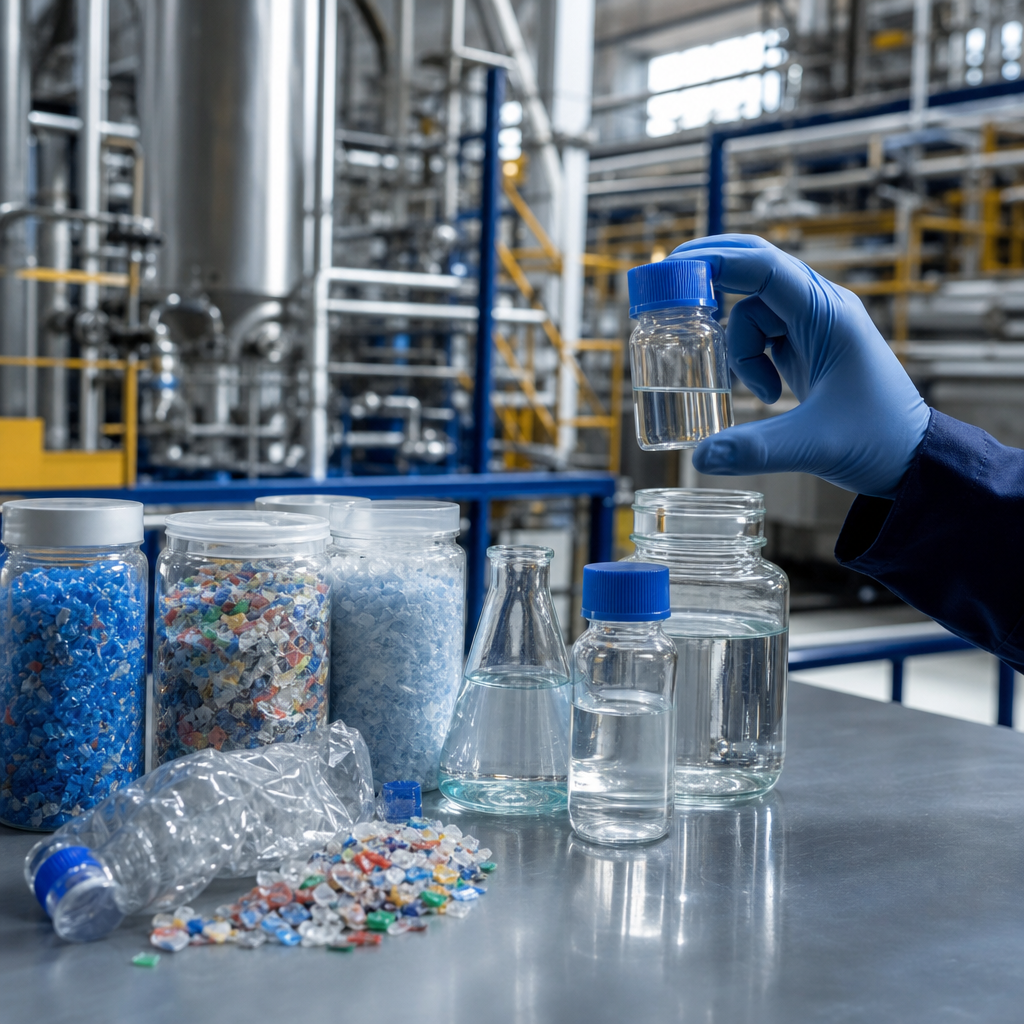
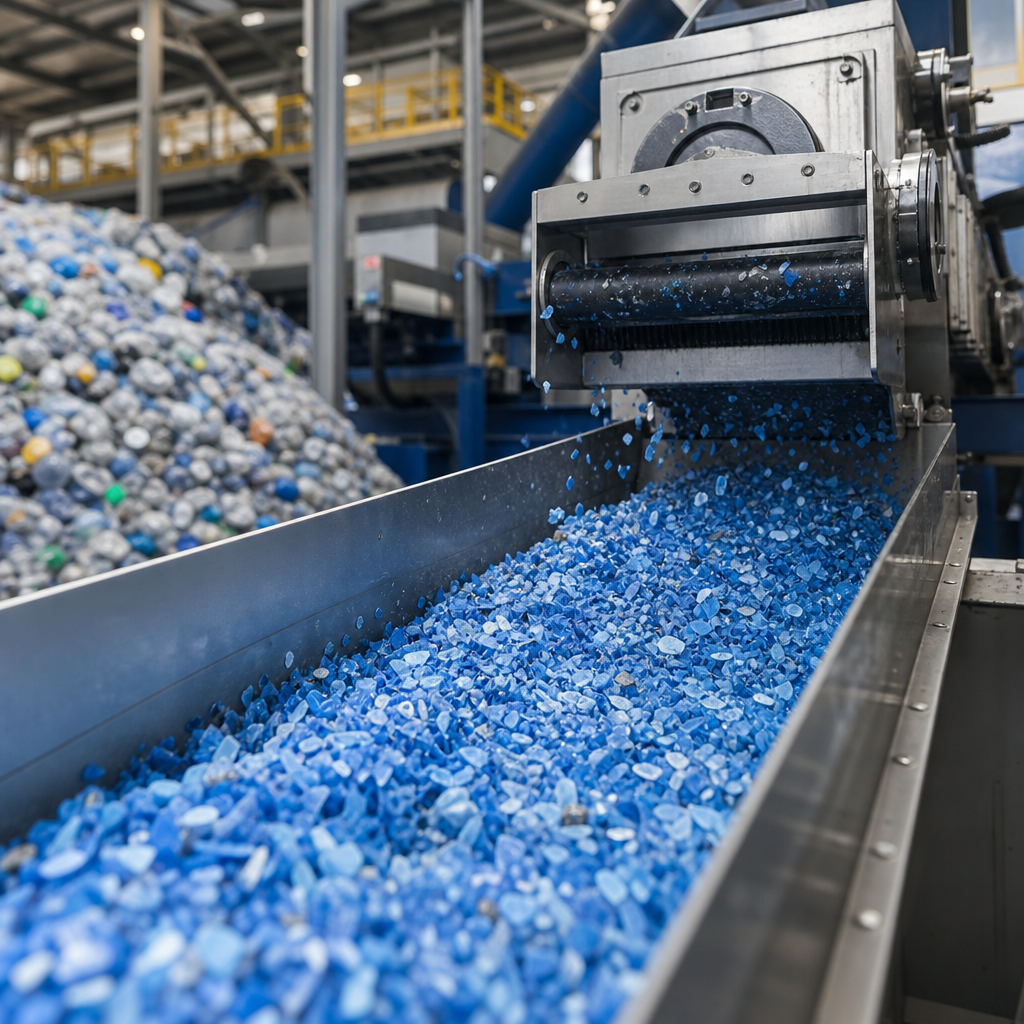
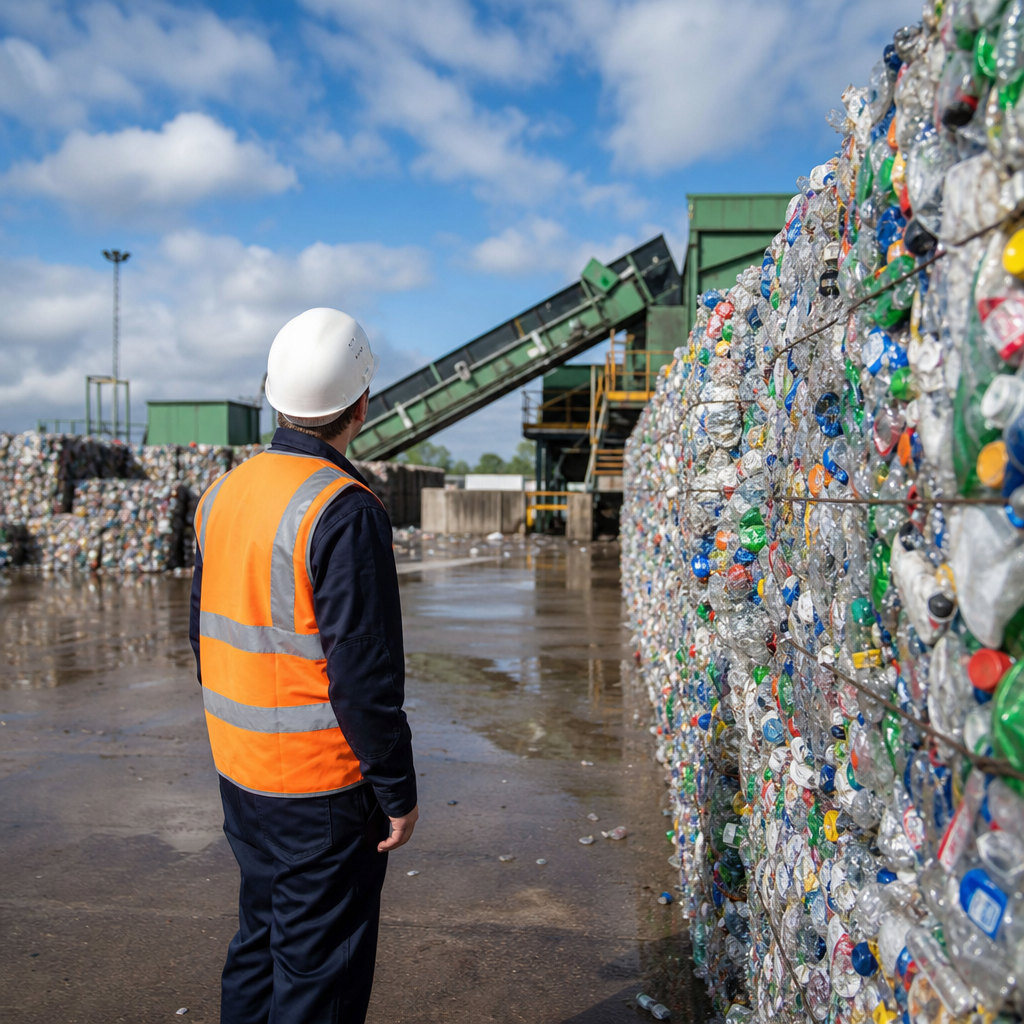
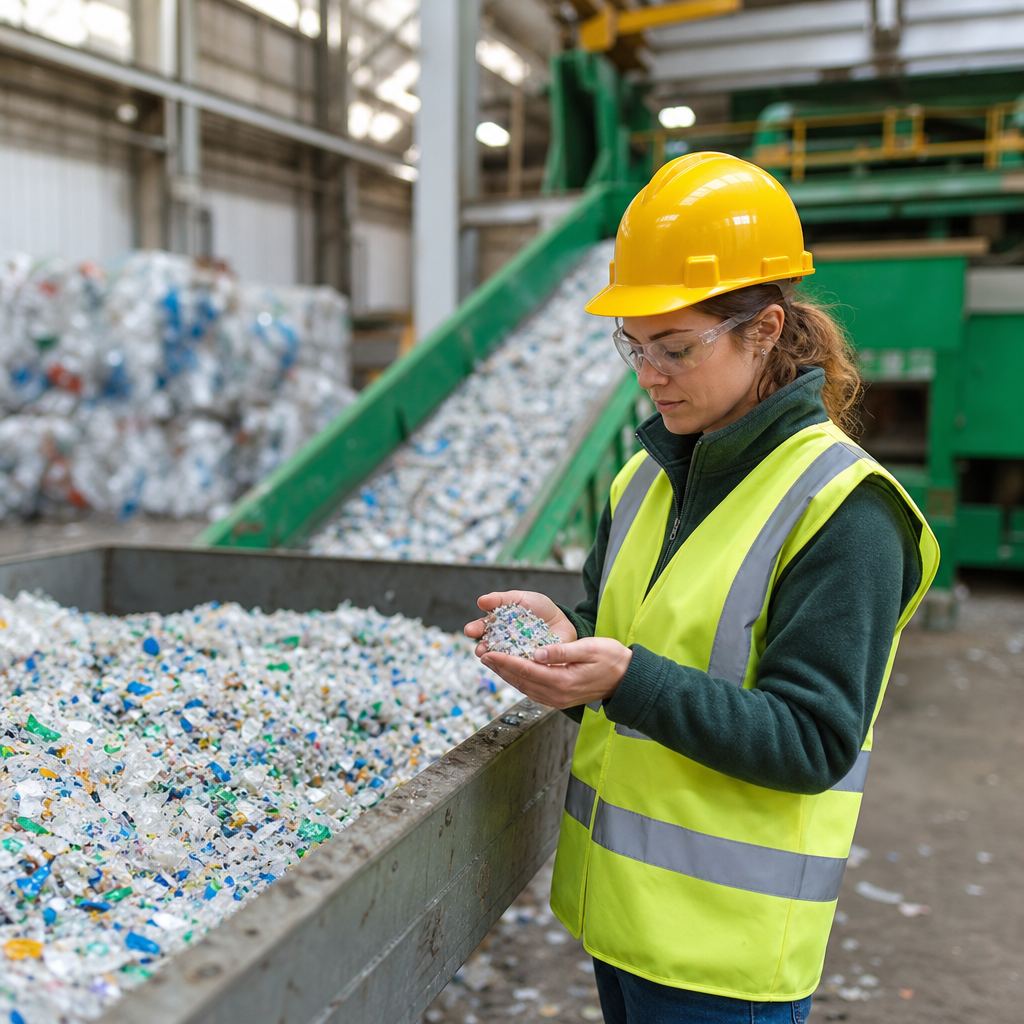
Polymers in construction are no longer niche additives tucked inside specialty products; they are core materials shaping how buildings are waterproofed, insulated, strengthened, repaired, and decarbonized. In construction, the term polymer refers to large-chain molecules, either synthetic or bio-based, engineered into plastics, foams, sealants, coatings, membranes, fibers, and composites. Sustainable materials, in this context, are products that lower lifecycle impacts while still meeting structural, safety, durability, and cost requirements. I have worked on specifications and retrofit projects where polymer choices directly influenced embodied carbon, service life, moisture risk, and maintenance budgets. That practical reality is why this topic matters. A concrete mix with polymer fibers can reduce cracking and extend useful life; a high-performance membrane can stop water intrusion that would otherwise trigger mold remediation and material replacement; recycled polymer insulation can cut operational energy for decades. Construction sustainability is therefore not just about what a material is made from, but how long it lasts, how efficiently it performs, and whether it can be reused, recycled, or safely recovered at end of life. This hub article examines industry-specific case studies showing where polymers succeed, where tradeoffs appear, and how teams evaluate them responsibly across residential, commercial, infrastructure, and industrial settings.
Why polymers have become strategic construction materials
Polymers are strategically important because they solve several building problems at once: weight reduction, corrosion resistance, thermal performance, moisture control, chemical durability, and installation speed. Compared with traditional materials, many polymer-based products deliver more function per kilogram. Expanded polystyrene insulation, for example, provides thermal resistance with very low density. Polyethylene and polypropylene piping resist corrosion in buried or wet conditions where metals may fail. Epoxy and polyurethane systems can bond dissimilar substrates and restore damaged concrete without full replacement. In lifecycle terms, those advantages often outweigh the impacts of manufacturing the polymer itself.
The sustainability case becomes strongest when polymers extend service life. A roof membrane that performs for thirty years can avoid repeated tear-offs, waste hauling, and occupant disruption. Fiber-reinforced polymer wraps used in seismic retrofits can strengthen columns without adding major dead load or requiring demolition. Window sealants and air barriers based on advanced polymers reduce air leakage, cutting heating and cooling demand over the life of the building. In my experience, owners respond most strongly when polymer materials are framed not as greener substitutions in isolation, but as systems that reduce total maintenance, replacement, and energy use.
Case study framework: how sustainable polymer materials are evaluated
A credible case study on polymers in construction starts with the right criteria. Teams typically compare embodied carbon, recycled content, operational performance, durability, fire behavior, chemical exposure, ease of installation, maintenance intervals, and end-of-life options. The best assessments use lifecycle thinking rather than single-attribute claims. Environmental Product Declarations, Health Product Declarations, ASTM test methods, ISO lifecycle assessment principles, and local code requirements all help create a disciplined comparison.
When I evaluate a polymer product, I ask four direct questions. First, what problem is it solving better than mineral, metal, or timber alternatives? Second, how long will that performance realistically last under site conditions such as UV exposure, freeze-thaw cycling, foot traffic, or salt spray? Third, what installation quality controls are needed, since many polymer failures come from poor surface preparation, not poor chemistry? Fourth, what happens at end of life: mechanical recycling, chemical recycling, reuse, energy recovery, or disposal? These questions keep sustainability grounded in performance evidence rather than marketing claims.
| Application | Common Polymer Material | Main Sustainability Benefit | Key Limitation |
|---|---|---|---|
| Roofing membranes | TPO, PVC, EPDM | Long service life and energy-saving reflectivity | Detailing quality determines leak risk |
| Insulation | EPS, XPS, polyisocyanurate, spray polyurethane foam | Reduced operational energy use | Blowing agents and fire performance require scrutiny |
| Concrete repair | Epoxy, acrylic, polymer-modified mortars | Avoids demolition and replacement | Substrate preparation is critical |
| Structural retrofit | Carbon or glass fiber-reinforced polymers | High strength with low added weight | Higher upfront material cost |
| Piping | HDPE, PEX, PP-R | Corrosion resistance and lower maintenance | Thermal movement must be designed for |
Residential construction case study: insulation, air sealing, and moisture control
In housing, polymers have the clearest sustainability impact through the building envelope. A representative case is a multifamily retrofit where the original masonry walls and vented roof created high heating demand and recurring condensation. The project team introduced rigid polyisocyanurate roof insulation, closed-cell spray polyurethane foam at rim joists, acrylic air-sealing tapes around window openings, and silicone sealants at movement joints. The result was not one dramatic technology change, but a coordinated moisture and thermal strategy. Utility use dropped because infiltration was reduced, interior comfort improved, and the roof assembly remained warmer and drier in winter.
The lesson from this type of case is that polymers work best as part of a continuity strategy. Insulation without air sealing leaves convective heat loss unchecked. Sealants without proper substrate compatibility fail at interfaces. Vapor control decisions also matter. Closed-cell spray foam can provide air sealing, thermal resistance, and low vapor permeance in one layer, but it must be placed where drying potential is understood. In cold climates, that can protect vulnerable framing. In mixed-humid assemblies, misuse can trap moisture. Sustainable residential design therefore depends less on the product label and more on assembly-specific hygrothermal performance.
Recycled content is also improving in residential polymer products. Carpet underlays, composite decking, and some insulation lines now incorporate post-consumer or post-industrial feedstocks. Still, homeowners and builders should avoid assuming recycled automatically means better. Performance durability comes first. A recycled polymer housewrap that tears easily on site creates waste and risk. A robust membrane with verified weather resistance, installed once and protected quickly, is usually the more sustainable option over the building lifespan.
Commercial buildings case study: roofing membranes and facade systems
Commercial projects often demonstrate the strongest lifecycle case for polymer materials because operating costs and maintenance disruptions are highly visible. Consider a distribution center that replaced an aging built-up roof with a thermoplastic polyolefin membrane over upgraded insulation. The white reflective membrane lowered roof surface temperatures and reduced cooling loads in summer, while the lightweight system shortened installation time and limited structural modifications. Facility managers valued another advantage: weldable seams that can be tested and repaired more predictably than some older adhesive-based systems.
Facade systems tell a similar story. Silicone sealants, fluoropolymer coatings, thermal break components, and polymer-based weather barriers allow curtain walls and rainscreens to manage air, water, and movement more effectively than assemblies built with rigid, brittle interfaces. I have seen commercial towers where a relatively inexpensive sealant replacement program prevented extensive corrosion, interior damage, and tenant complaints. From a sustainability standpoint, maintenance that preserves an existing facade is usually preferable to premature replacement. Here polymers contribute not through novelty, but through resilience and serviceability.
There are tradeoffs. Some membranes can be difficult to recycle after years of contamination or multi-layer attachment. Plasticized materials may raise questions about long-term formulation stability. Fire performance, smoke development, and code compliance must be reviewed carefully, especially in facade and insulation applications. The sustainable answer is not to reject polymers categorically, but to specify products with verified test data, realistic warranties, and details that can actually be maintained in service.
Infrastructure case study: bridges, water systems, and concrete rehabilitation
Infrastructure is where polymer performance can produce outsized environmental benefits because replacement is so carbon intensive. On bridge decks and parking structures, polymer-modified overlays and epoxy-coated or fiber-reinforced repair systems can arrest deterioration from chlorides, moisture, and freeze-thaw damage. Rehabilitating concrete instead of demolishing and recasting it preserves massive quantities of embodied energy. Carbon fiber-reinforced polymer laminates and wraps are especially effective where flexural or shear capacity must be increased without adding significant weight. Because installation is fast, traffic closures are shorter, reducing user disruption and associated emissions.
Water infrastructure provides another clear case. High-density polyethylene pipe and trenchless cured-in-place pipe liners have transformed rehabilitation strategies for municipal systems. Rather than excavating long street sections, crews can renew failing pipelines from access points, which cuts spoil generation, trucking, noise, and community disruption. Polymer lining systems also resist corrosion in aggressive wastewater environments that destroy unprotected metals and concrete. Sustainability here is measured not simply in material composition, but in avoided excavation, extended network life, and improved leak control.
These benefits depend on standards-based execution. Surface moisture, anchor spacing, cure temperature, and substrate strength all affect the success of polymer repairs and composites. Agencies commonly reference ASTM, AASHTO, and manufacturer qualification protocols because field conditions are unforgiving. When those controls are respected, polymer rehabilitation is one of the most practical decarbonization tools available for aging infrastructure.
Industrial and specialized facilities case study: chemical resistance and operational durability
Industrial buildings, food plants, laboratories, and healthcare facilities often choose polymer materials for a reason that is easy to overlook in sustainability discussions: chemical and hygienic performance. Seamless epoxy or polyurethane flooring, FRP wall panels, corrosion-resistant liners, and chemically stable piping systems reduce contamination risk and tolerate aggressive cleaning regimes. In a food processing facility, replacing failing tiled surfaces with a resinous floor can eliminate grout-related bacterial harborage points, reduce washdown damage, and extend replacement cycles. The sustainability gain comes from fewer shutdowns, less material waste, and lower repair frequency.
Cleanability is a serious environmental issue because it affects water and chemical use. Surfaces that resist staining and absorb less moisture generally require less intensive maintenance. In pharmaceutical and healthcare projects, polymer wall protection systems and sealed flooring can support infection control while reducing recurring patch-and-paint cycles. For industrial tanks and secondary containment, properly selected polymer linings protect concrete and steel from acids, solvents, and salts, delaying major capital renewal.
The caution is compatibility. No polymer is universally resistant to all chemicals, temperatures, or UV conditions. Engineers must use chemical resistance charts, immersion data, and manufacturer testing relevant to the actual service environment. A lining that excels in mild cleaners may degrade in hot caustic exposure. Sustainable specification is therefore exacting, not generic.
What these case studies mean for future material decisions
Across industry-specific case studies, the pattern is consistent: polymers in construction are most sustainable when they extend service life, reduce operational energy, enable lighter or less invasive installation, and prevent premature failure of larger assemblies. They are not automatically sustainable because they are modern, lightweight, or recyclable in theory. Good outcomes come from matching chemistry to exposure, detailing interfaces correctly, and verifying performance with recognized standards and field quality control. Residential projects benefit most from polymer-based envelope continuity. Commercial buildings gain from durable roofing and facade systems. Infrastructure sees major carbon savings through repair and retrofit. Industrial facilities rely on polymers for corrosion control, hygiene, and uptime.
For a hub article under case studies and applications, the main takeaway is simple: sustainable material selection is industry specific. The right polymer for a house may be the wrong one for a bridge, and a successful roofing membrane tells you little about chemical resistance in a processing plant. Decision-makers should compare lifecycle impacts, not slogans, and use project conditions as the starting point. If you are building out your research on industry-specific case studies, use this page as the foundation, then review related deep dives on roofing, insulation, concrete repair, FRP retrofits, piping, and industrial flooring to connect product choices with measurable building performance.
Frequently Asked Questions
1. What does the term “polymer” mean in construction, and why are polymers so important to sustainable building?
In construction, a polymer is a material made of long molecular chains that can be engineered to deliver very specific performance properties. This broad category includes plastics, foams, elastomeric sealants, waterproofing membranes, protective coatings, insulation products, fibers, and composite reinforcements. Some polymers are petroleum-derived, while others are partly bio-based, recycled, or formulated to reduce environmental burdens over time. What makes polymers especially important in sustainable construction is not simply what they are made from, but what they enable a building to do over its full service life.
Polymers help buildings last longer, leak less, consume less energy, and require fewer repairs. For example, polymer-based insulation can significantly reduce heating and cooling demand. Polymer membranes and sealants protect structures from water intrusion, which is one of the most common causes of premature building failure. Fiber-reinforced polymer systems can strengthen aging concrete without the need for full demolition and replacement, preserving embodied carbon already invested in the structure. In that sense, polymers often support sustainability by extending service life, improving durability, and reducing maintenance cycles.
That said, sustainable use of polymers requires a lifecycle perspective. A material should not be judged only by whether it is “plastic,” but by how it performs from production through installation, operation, maintenance, and end-of-life. In many case studies, polymer-based products outperform conventional alternatives because they lower operational energy use, reduce replacement frequency, and help avoid waste-intensive reconstruction. The most sustainable polymer solutions are typically those selected carefully for durability, low emissions, compatibility with building needs, and realistic end-of-life pathways.
2. How do polymers contribute to lower lifecycle impacts in construction projects?
Polymers contribute to lower lifecycle impacts by improving efficiency across several stages of a building’s life. First, they can reduce embodied impacts when lightweight materials replace heavier, more resource-intensive systems. A polymer-based membrane, pipe, insulation board, or composite panel often requires less material mass to achieve the same or better performance than a traditional alternative. Lower weight can also reduce transportation emissions and simplify installation, sometimes cutting labor, equipment use, and onsite waste.
Second, polymers play a major role in operational carbon reduction. High-performance insulation foams, air barriers, glazing interlayers, sealants, and reflective roof coatings all influence thermal performance and airtightness. Over decades of use, these materials can help buildings consume substantially less energy for heating and cooling. In most buildings, operational energy has historically represented a major share of lifecycle emissions, so products that reduce energy demand can have an outsized environmental benefit even if their manufacturing footprint is not negligible.
Third, polymers can improve durability and resilience. Coatings protect steel from corrosion, membranes stop moisture damage, geosynthetics stabilize soils, and repair mortars modified with polymers help restore structural integrity. These functions reduce the frequency of repair, replacement, and material disposal. Avoided failure is an important sustainability outcome because every avoided renovation or rebuild preserves resources, labor, and carbon.
Finally, some polymer products now incorporate recycled content, bio-based feedstocks, low-VOC formulations, or design-for-disassembly principles. These advances can further lower lifecycle impacts when supported by credible environmental product declarations, transparent material chemistry, and realistic waste management options. The strongest case studies show that sustainability gains are greatest when polymer materials are chosen not as isolated products, but as part of a whole-building strategy focused on service life, energy performance, maintainability, and circularity.
3. Are polymer-based construction materials always sustainable, or are there trade-offs to consider?
No, polymer-based construction materials are not automatically sustainable, and it is important to evaluate them critically. Their sustainability depends on formulation, application, durability, installation quality, exposure conditions, and end-of-life management. A polymer product may offer excellent thermal performance or corrosion resistance, but if it has a short service life, contains hazardous additives, emits high levels of volatile organic compounds, or is difficult to recycle or safely dispose of, its overall environmental value may be limited.
One of the biggest trade-offs involves embodied carbon versus long-term performance. Some polymer products require energy-intensive manufacturing or rely on fossil-based feedstocks. However, if those products dramatically reduce operational energy use or extend the life of a structure by decades, they may still deliver a favorable lifecycle outcome. This is why simplistic assumptions can be misleading. The better question is not “Is this polymer green?” but “Does this material improve the total environmental performance of the building over time?”
There are also important health and specification considerations. Responsible project teams should review VOC emissions, fire performance, chemical content disclosures, moisture behavior, and compatibility with surrounding materials. Not all polymers are appropriate for every application. For example, a membrane that performs well in one climate or roof assembly may underperform in another if UV exposure, temperature swings, or substrate movement were not properly considered.
The most sustainable approach is evidence-based selection. That means looking at environmental product declarations, third-party certifications where relevant, durability data, maintenance requirements, and realistic recovery or disposal routes. In practice, the best polymer choices are those that balance low environmental impact with high performance, long service life, occupant safety, and practical constructability. Sustainable construction is rarely about a single perfect material; it is about making informed trade-offs that produce the best building outcome overall.
4. What are some real-world examples of sustainable polymer use in construction?
There are many strong examples of polymers delivering measurable sustainability benefits in real-world construction. One of the most common is insulation. Rigid foam insulation, spray polyurethane foam in carefully specified applications, and other polymer-based thermal products can significantly improve envelope efficiency, helping buildings maintain stable indoor temperatures with less energy input. In high-performance building case studies, improved insulation and air sealing often produce some of the fastest and most durable carbon savings available.
Another major example is waterproofing and roofing. Polymer membranes such as TPO, PVC, EPDM, and liquid-applied systems can protect roofs, foundations, plazas, and below-grade structures from moisture intrusion. When a building stays dry, it avoids mold growth, corrosion, freeze-thaw damage, and premature deterioration of structural and interior materials. Preventing water damage is a major sustainability win because it extends service life and reduces the likelihood of resource-intensive repairs.
Polymers are also widely used in structural repair and strengthening. Fiber-reinforced polymer wraps and laminates can upgrade bridges, columns, beams, and slabs without the heavy material use associated with full replacement. This is particularly valuable in rehabilitation projects, where preserving existing concrete or masonry can dramatically reduce embodied carbon. Instead of demolishing and rebuilding, owners can use polymer-based strengthening systems to extend the usefulness of existing assets.
Additional examples include polymer-modified concrete admixtures that improve workability and durability, sealants that maintain airtight building envelopes, corrosion-resistant pipes for water infrastructure, and recycled plastic composites used in selected non-structural applications. In each case, the sustainability value comes from performance: less leakage, less energy use, longer life, lower maintenance, and reduced waste. The strongest case studies do not rely on one product alone; they show how polymer materials contribute to an integrated, durable, lower-impact construction system.
5. What should builders, architects, and owners look for when selecting sustainable polymer materials?
Builders, architects, and owners should start by defining the actual performance problem the material must solve. Sustainable selection begins with function: Is the goal to improve insulation, stop water intrusion, strengthen an existing structure, reduce maintenance, lower weight, or enhance resilience? Once the performance objective is clear, teams can compare polymer options based on lifecycle value rather than initial cost alone. A cheaper material that fails early is rarely sustainable, while a higher-performing product with a longer service life may deliver far better environmental and financial results.
Next, project teams should review objective documentation. Useful indicators include environmental product declarations, health product declarations, recycled content data, low-emission certifications, durability testing, manufacturer warranty terms, and application-specific performance standards. It is also wise to examine whether the material is compatible with surrounding systems and whether it can be installed consistently under actual site conditions. Installation quality matters enormously with polymer products such as membranes, coatings, and sealants; even a high-performing material can underdeliver if detailing or workmanship is poor.
End-of-life considerations should also be part of the decision. Some polymer products are easier to recycle, separate, refurbish, or recover than others. Designers should ask whether the material supports disassembly, whether it can remain in service longer through repair, and whether its composition creates disposal challenges. In parallel, they should evaluate indoor air quality, occupant safety, moisture control, and fire performance to ensure sustainability does not come at the expense of health or resilience.
Ultimately, the best sustainable polymer material is one that is fit for purpose, long-lasting, responsibly documented, and beneficial at the whole-building level. Owners and designers should favor products that reduce operational energy, protect the structure, minimize maintenance, and support long-term building performance. When polymers are specified thoughtfully, they are not just construction additives; they become strategic tools for delivering durable, efficient, and lower-impact buildings.