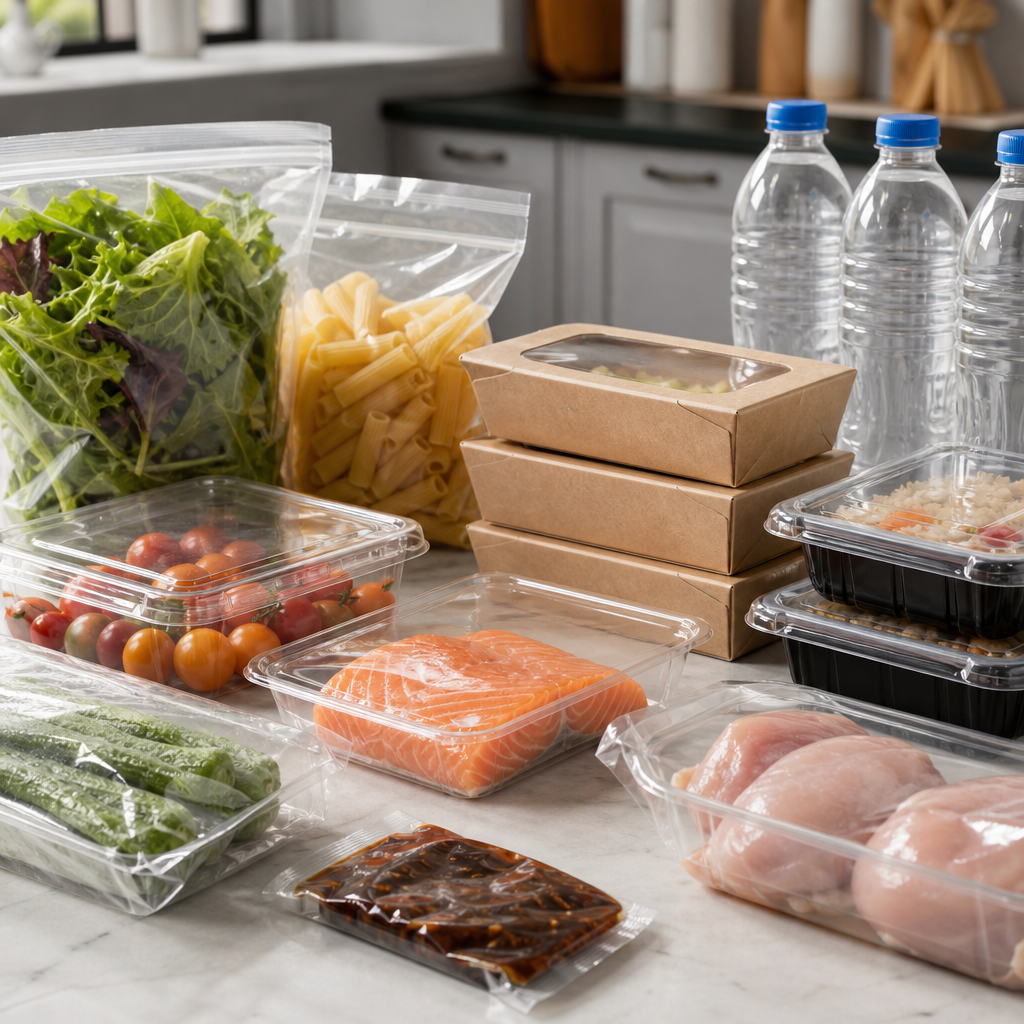
Innovations in food packaging through polymer technology are reshaping how manufacturers protect products, extend shelf life, reduce waste, and meet sustainability expectations across every major food category. In practical terms, polymer technology in packaging refers to the design, selection, processing, and modification of plastic and bio-based materials so they deliver specific barrier, mechanical, sealing, and safety properties. Food packaging is no longer just a wrapper; it is an engineered system built to control oxygen transmission, moisture migration, aroma retention, light exposure, tamper evidence, and transport durability. I have worked with packaging teams evaluating films, trays, pouches, and closures, and the most important lesson is simple: the right polymer structure can change product performance as much as the recipe itself. This matters because food loss remains expensive and environmentally damaging, while regulations, retailer standards, and consumer pressure demand safer and more recyclable formats. As a hub for industry-specific case studies, this article explains how polymer innovation is applied in real commercial settings, what technical choices drive results, and where tradeoffs still remain.
Dairy packaging case studies: balancing oxygen, light, and cold-chain performance
Dairy products show why polymer selection must be highly specific. Milk, yogurt, cheese, cream, and cultured drinks all respond differently to oxygen, light, and moisture. For fresh milk, high-density polyethylene has long been used for bottles because it offers toughness, stress-crack resistance, and efficient blow molding. Yet standard HDPE allows some oxygen ingress and transmits light, which can accelerate off-flavors and riboflavin degradation. In several projects I reviewed, dairies improved performance by adding titanium dioxide pigmentation for light blocking, using multilayer bottle structures, or shifting certain premium lines into polyethylene terephthalate with oxygen scavenging layers. PET brings clarity and strength, but clear bottles create a light-management problem, so UV absorbers or opaque sleeves are often added.
Cheese packaging presents a different challenge. Hard and semi-hard cheeses need controlled gas exchange, puncture resistance, and seal integrity during long refrigerated distribution. Coextruded films combining polyethylene sealant layers with polyamide for toughness and ethylene vinyl alcohol for oxygen barrier are common. Vacuum bags and thermoforming webs have reduced mold growth and package failures when compared with older monolayer films. Yogurt cups illustrate another innovation path: polypropylene remains popular for rigidity and heat resistance during filling, while in-mold labeling and downgauging reduce material consumption. Across dairy, the case-study pattern is clear: polymer advances succeed when they are matched to a product’s spoilage mechanism, processing temperature, and retail display conditions.
Meat and seafood packaging case studies: high barrier structures and modified atmospheres
Fresh meat and seafood are among the most demanding applications because microbial growth, oxidation, purge, odor, and appearance all affect purchase decisions. Polymer technology has enabled modified atmosphere packaging to become a mainstream solution. In red meat, trays made from PET or polypropylene are often paired with high-barrier lidding films containing EVOH to retain oxygen or carbon dioxide at precisely controlled levels. High oxygen atmospheres help preserve the bright red oxymyoglobin color consumers expect, while lower oxygen systems may be used for case-ready formats intended for longer distribution. The package must hold the gas mix without leaks, resist puncture from bones, and maintain seals through chill-chain condensation.
Seafood case studies often highlight multilayer vacuum skin packaging. A formed bottom web, commonly PET or PP based, supports the product while a highly extensible top web drapes tightly over the surface. This reduces headspace, improves presentation, and limits product movement during transport. For smoked salmon and ready-to-cook fish portions, processors use PA/EVOH/PE structures because polyamide adds toughness, EVOH sharply reduces oxygen transmission under dry conditions, and polyethylene provides reliable heat sealing. The tradeoff is recyclability: mixed-material structures are technically effective but harder to recover in conventional streams. That tension has pushed development of mono-material polyethylene barrier films, though they still must prove equivalent abuse resistance and machinability at commercial line speeds.
Fresh produce case studies: breathable films, anti-fog layers, and moisture control
Fresh produce packaging demonstrates that barrier is not always the goal. Fruits, leafy greens, herbs, and cut vegetables remain biologically active after packing, so the polymer must support respiration management. If oxygen drops too low or carbon dioxide rises too high, flavor and texture deteriorate quickly. For salad mixes, low-density polyethylene and oriented polypropylene films are engineered with carefully tuned permeability, sometimes enhanced through laser perforation or microperforation. This allows modified atmospheres to form naturally inside the pack. In commercial trials with baby spinach and mixed leaves, properly perforated films consistently lowered condensation and reduced decay compared with less selective films.
Anti-fog technology is particularly important in chilled produce because droplets on the inside of a pack obscure visibility and create local moisture hotspots. Surface treatments and additives help water spread into a transparent layer rather than beads. For cucumbers and peppers, shrink films based on polyolefins can slow moisture loss and maintain gloss, extending saleable life. Berry packaging shows another development path: rigid PET clamshells remain common for impact protection and visibility, but hybrid solutions now combine recyclable trays with lidding films that reduce material use. The core lesson from produce case studies is that polymer innovation depends on understanding respiration rate, temperature abuse, and condensation behavior, not just choosing the strongest film available.
Bakery, snacks, and confectionery case studies: aroma retention and crispness preservation
Bakery and snack products are highly sensitive to moisture migration and aroma loss, making polymer engineering central to quality retention. For potato chips and extruded snacks, metallized oriented polypropylene has become a standard because it combines machinability, seal performance, and strong barrier against oxygen and water vapor. Without that barrier, fats oxidize and crisp textures soften rapidly. In line audits I have conducted, poor seal consistency caused more shelf-life complaints than film failure itself, which is why seal window and hot-tack performance matter as much as laboratory permeability values.
Biscuits and crackers often use laminated structures with polypropylene or polyester outer layers for print quality and stiffness, then polyethylene or cast polypropylene inner layers for seals. Bread packaging takes a different approach. Here, low-density polyethylene remains dominant because it offers flexibility, clarity, and cost efficiency, while microperforation can help manage moisture and reduce condensation. Confectionery packaging illustrates how thin polymer layers can preserve flavor integrity. Chocolate and filled candies often rely on high-barrier wraps or flow-wrap laminates to control oxygen and odor pickup. Across this category, polymer technology supports not just preservation but also machine efficiency, graphic presentation, and pack-open experience, all of which influence repeat purchase.
Ready meals and retort foods: heat resistance, seal integrity, and convenience
Convenience foods have pushed major advances in heat-resistant polymers and multilayer package design. Ready meals must survive hot filling, microwave heating, pasteurization, or full retort processing while preserving taste and texture. Polypropylene is especially important because it withstands elevated temperatures, resists flex cracking, and performs well in trays, tubs, and lidding systems. For shelf-stable meals and sauces, retort pouches built from polyester, aluminum foil, and cast polypropylene have delivered lighter weight and faster heat penetration than metal cans. The commercial benefit is shorter thermal processing, which can improve sensory quality while lowering transport costs.
At the same time, foil-based retort structures are difficult to recycle, so suppliers have developed transparent retortable polymer combinations using high-barrier nylon and EVOH. These are useful for soups, pet food, and rice dishes when product visibility matters. Seal integrity is critical because a tiny channel leak can negate the microbiological safety of the entire pack. That is why manufacturers increasingly pair advanced polymers with seal inspection systems, burst testing, and statistical process control. The strongest case studies in ready meals show that innovation is not one material breakthrough; it is the integration of resin choice, tray geometry, sealing parameters, and consumer use conditions.
Sustainability and circularity: where polymer innovation is moving next
The most urgent question in food packaging today is whether polymer innovation can improve both product protection and environmental performance. The answer is yes, but only when decisions are grounded in full system impacts. Lightweight flexible packaging often has a lower transport and production footprint than heavier alternatives, yet it may perform poorly in existing recycling systems. Rigid PET has strong collection infrastructure in many markets and can incorporate recycled content, but it is not suitable for every oxygen-sensitive product. Compostable polymers such as PLA and PHA have gained attention for produce and foodservice, though they require carefully defined end-of-life pathways and usually cannot replace high-barrier conventional plastics in demanding applications.
| Application | Common polymer solution | Main performance benefit | Main limitation |
|---|---|---|---|
| Milk bottles | HDPE or pigmented multilayer HDPE | Toughness and light protection | Limited oxygen barrier |
| Cheese vacuum packs | PA/EVOH/PE multilayer film | Strong oxygen barrier and puncture resistance | Difficult to recycle |
| Salad bags | Microperforated PE or OPP film | Respiration control | Performance depends on temperature |
| Snack packs | Metallized OPP laminate | Moisture and aroma barrier | Limited recyclability |
| Ready-meal trays | PP tray with barrier lidding | Heat resistance and convenience | Barrier layers complicate recovery |
Design for recycling is now influencing package development at the concept stage. Mono-material polyethylene and polypropylene structures, compatibilizers, wash-off labels, tethered closures, and digital watermarking for sorting are all active areas of work. Chemical recycling is also being evaluated for mixed or contaminated streams, though economics and scale remain uncertain. In my experience, the most credible sustainability gains come from combining downgauging, recycled content where food-contact rules allow, improved collection compatibility, and shelf-life protection that demonstrably reduces food waste.
How companies evaluate polymer packaging innovations in real projects
Industry-specific case studies become most useful when translated into a repeatable evaluation process. Companies typically begin with the product hazard and spoilage profile: oxidation, microbial growth, moisture loss, aroma scalping, oil migration, or light sensitivity. Next comes distribution mapping, including warehouse conditions, pallet stacking, refrigerated or ambient transport, and e-commerce handling. Only then should teams shortlist polymers. Material data such as oxygen transmission rate, water vapor transmission rate, dart impact, coefficient of friction, and seal initiation temperature must be interpreted in the context of real filling lines and actual abuse conditions.
Validation usually includes machinability trials, accelerated shelf life, migration testing, drop tests, and consumer-use assessments. Recognized standards guide much of this work, including ASTM methods for permeability and mechanical testing, FDA food-contact compliance in the United States, and EU framework regulations in Europe. Brand owners also rely on packaging lifecycle tools, finite element modeling for load performance, and vision systems for seal inspection. The companies that succeed are the ones that treat packaging as a product-development discipline, not a late-stage procurement decision. For readers exploring related pages in this case studies and applications hub, that is the unifying theme: polymer technology delivers results when science, processing, regulation, and end-of-life planning are addressed together.
Innovations in food packaging through polymer technology are most valuable when they solve specific industry problems with measurable performance gains. Dairy needs light and oxygen control. Meat and seafood demand high barrier structures, gas retention, and leak resistance. Fresh produce depends on breathable films and condensation management. Bakery and snack formats rely on moisture and aroma barriers. Ready meals require heat resistance and robust seals. Across all of these sectors, the strongest case studies show that packaging success comes from aligning polymer properties with the product’s true spoilage risks, processing method, distribution environment, and sustainability constraints.
The broader benefit is substantial: better polymer packaging can reduce food waste, protect brand quality, improve logistics efficiency, and support more practical circularity strategies. It can also prevent costly mismatches, such as using an excellent barrier film that fails on the line, or choosing a recyclable format that shortens shelf life and increases spoilage. That balance is where good engineering matters. If you are building out your understanding of industry-specific case studies, use this hub as the starting point, then compare each food category through the same lens of barrier needs, seal performance, machinability, regulation, and recovery pathways.
The next step is straightforward: review your priority product category, identify its primary failure mode, and evaluate polymer options against that real operating condition rather than broad claims. That approach consistently leads to smarter packaging decisions and better commercial outcomes.
Frequently Asked Questions
What does polymer technology mean in modern food packaging?
Polymer technology in modern food packaging refers to the science and engineering behind selecting, designing, processing, and modifying materials so packaging performs specific jobs reliably across the food supply chain. In practice, this includes conventional plastics, multilayer films, coatings, bio-based polymers, recycled-content structures, sealants, rigid containers, and specialty barrier materials. Each polymer system is chosen because it delivers a combination of properties such as oxygen and moisture resistance, heat sealability, puncture resistance, transparency, flexibility, chemical compatibility, and food safety compliance.
What makes this technology so important is that food packaging is no longer treated as a simple outer layer. It is engineered to interact with product requirements, processing conditions, distribution environments, and shelf-life goals. For example, snack foods need protection from moisture and oxygen to stay crisp and flavorful, while fresh produce may need a carefully balanced package atmosphere to slow respiration without trapping excess moisture. Dairy, meat, frozen foods, ready meals, bakery products, and beverages all require different performance profiles, and polymer technology allows manufacturers to tailor packaging to those needs with precision.
Modern polymer innovation also involves material modification techniques such as blending, co-extrusion, lamination, orientation, nanocomposite enhancement, and functional additives. These approaches help improve strength, barrier performance, resealability, temperature tolerance, and machinability without always increasing package weight. The result is packaging that can protect food more effectively, reduce spoilage, improve logistics efficiency, and support brand and sustainability goals at the same time.
How do polymer innovations help extend shelf life and reduce food waste?
One of the biggest advantages of polymer technology in food packaging is its ability to extend shelf life by controlling the environment around the food. Many foods deteriorate because of oxygen exposure, moisture gain or loss, light, microbial activity, temperature fluctuation, or aroma transfer. Advanced polymer packaging is engineered to manage these risks. High-barrier films can reduce oxygen ingress, moisture-resistant layers can maintain texture, UV-blocking materials can protect sensitive ingredients, and well-designed sealant layers can prevent leaks and contamination during transport and storage.
This matters because shelf life is directly connected to food waste. If a package fails to preserve flavor, texture, safety, or nutritional quality, products are more likely to be discarded before they are consumed. Polymer innovations help prevent this by giving manufacturers better tools to match packaging performance to product behavior. Vacuum packaging, modified atmosphere packaging, resealable flexible packs, and multilayer barrier structures all rely heavily on polymer science to keep food in saleable and usable condition for longer periods.
There is also a practical systems benefit. Longer shelf life can reduce losses not just in homes, but throughout processing plants, warehouses, retail shelves, and distribution networks. A package that prevents crushed product, freezer burn, oxidation, or microbial intrusion can significantly lower waste across the entire chain. In that sense, polymer packaging is not only protecting individual units of food, but also improving resource efficiency by preserving the energy, water, ingredients, labor, and transportation already invested in that product.
What are the most important sustainable packaging developments in polymer technology?
Sustainability in polymer-based food packaging has moved far beyond simply making packages thinner. Today, the most important developments include lightweighting, mono-material design for easier recycling, incorporation of post-consumer recycled content where regulations and performance allow, bio-based polymers from renewable feedstocks, compostable materials for selected applications, and improved package structures that maintain food protection with less overall material. These innovations are aimed at balancing environmental responsibility with the non-negotiable need to keep food safe and stable.
One major focus is design for recyclability. Traditional food packaging often relied on complex multilayer combinations that delivered excellent performance but were difficult to recycle in many existing systems. Polymer engineers are now developing high-performance mono-material polyethylene or polypropylene structures that can better align with recycling infrastructure while still offering sealing, stiffness, and barrier functionality. Another major area is the use of recycled resin. As processing, sorting, decontamination, and regulatory pathways improve, manufacturers are increasingly evaluating how recycled polymers can be integrated into food packaging applications without compromising compliance or performance.
Bio-based and compostable polymers are also generating strong interest, but they are not universal replacements. Their usefulness depends on product type, storage conditions, disposal infrastructure, and end-of-life realities. For some applications, they can offer meaningful benefits; for others, conventional recyclable materials may remain the better option. The most credible sustainable progress happens when polymer technology is assessed holistically, considering shelf-life extension, food waste prevention, transportation efficiency, recyclability, carbon impact, and actual collection systems. In food packaging, sustainability works best when material innovation and system design advance together.
How are smart and active polymer packaging technologies changing the food industry?
Smart and active packaging technologies are among the most exciting areas of polymer innovation because they allow packaging to do more than simply contain food. Active packaging is designed to interact with the internal package environment to improve preservation. This can include oxygen scavenging layers, moisture-control components, antimicrobial surfaces, ethylene management for produce, and other functional systems that help maintain quality for longer. These features are often embedded into polymer structures or integrated through coatings, sachets, labels, or layered packaging designs.
Smart packaging, by contrast, focuses more on communication, monitoring, and traceability. Polymer-based labels, printed indicators, and sensor-compatible materials can help track freshness, temperature exposure, tampering, or logistics status. Time-temperature indicators, freshness indicators, and digital traceability features are becoming more relevant as food supply chains grow more complex and consumers expect greater transparency. For manufacturers and retailers, these technologies can improve inventory decisions, quality assurance, and cold-chain management. For consumers, they can increase confidence in product safety and condition.
The impact on the food industry is significant because these technologies support better decision-making and more precise control. Instead of relying only on static expiration models, companies can move closer to condition-based quality management in certain applications. That can reduce unnecessary disposal, improve distribution efficiency, and strengthen brand trust. The key point is that polymer technology provides the platform that makes these smart and active functions possible by offering compatible substrates, protective layers, processing stability, and integration with printing and sensing systems.
What challenges do manufacturers face when adopting new polymer packaging solutions for food products?
Although polymer innovation offers major benefits, adoption is rarely straightforward. Food manufacturers must balance performance, safety, cost, processing compatibility, regulatory compliance, sustainability expectations, and consumer perception all at once. A material that looks promising in the lab may behave differently on high-speed packaging lines, under real distribution stress, or in contact with a specific food formulation. Packaging must run efficiently, seal consistently, survive handling, preserve product quality, and remain compliant with food-contact regulations in every target market.
Barrier performance is a good example of this complexity. A new recyclable or bio-based structure may support sustainability goals, but if it cannot provide sufficient oxygen or moisture protection, the food may spoil faster, increasing waste and potentially canceling out environmental gains. Likewise, introducing recycled content can raise questions about purity, supply consistency, odor control, mechanical performance, and regulatory suitability for direct food contact. Even small changes in sealant behavior, coefficient of friction, stiffness, or machinability can affect production efficiency and package integrity.
There is also the challenge of infrastructure and communication. A package designed to be recyclable only delivers its intended benefit if collection, sorting, and reprocessing systems can actually handle it. Manufacturers must also explain new materials clearly to consumers, especially when packaging claims involve recyclability, compostability, or bio-based content. Successful adoption depends on cross-functional collaboration between material scientists, converters, equipment suppliers, food technologists, regulatory teams, retailers, and sustainability specialists. In other words, the best polymer packaging solutions are not just innovative materials; they are well-executed systems built around real product, market, and environmental conditions.