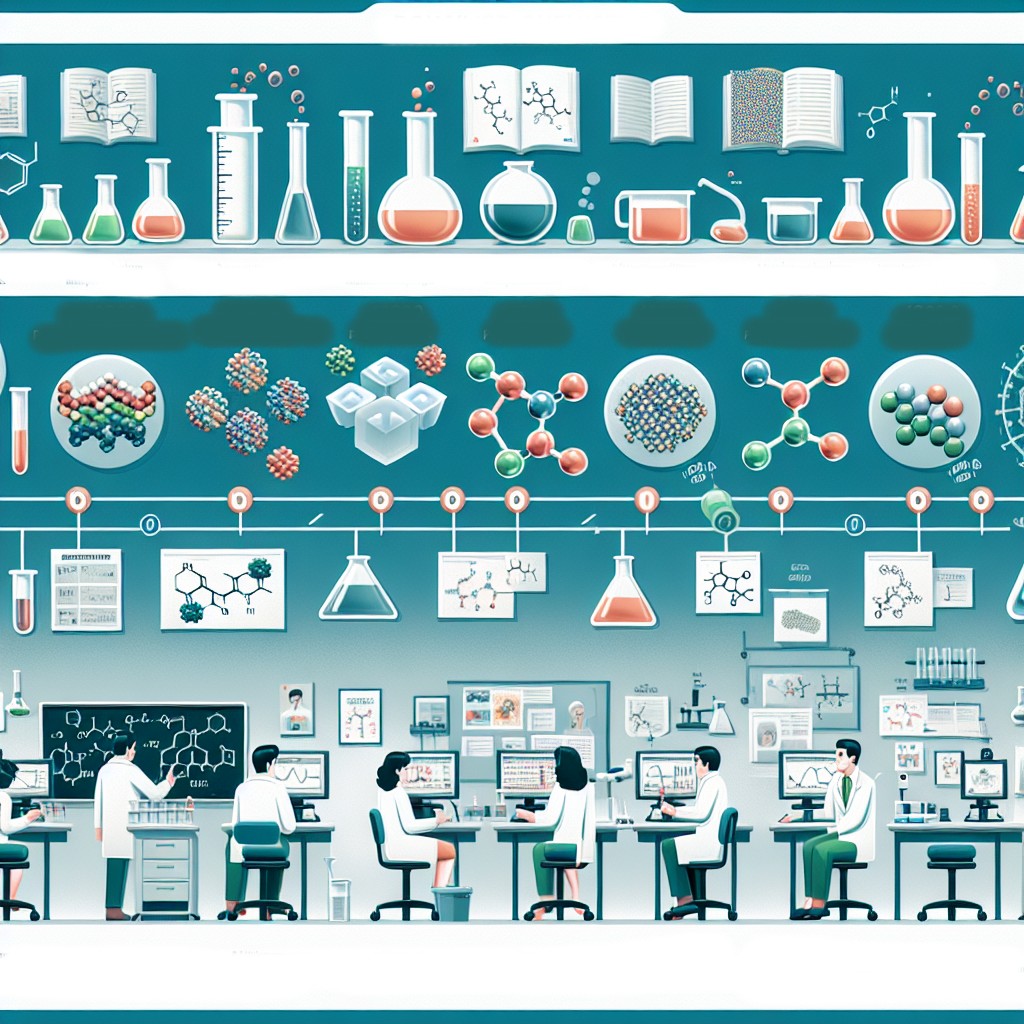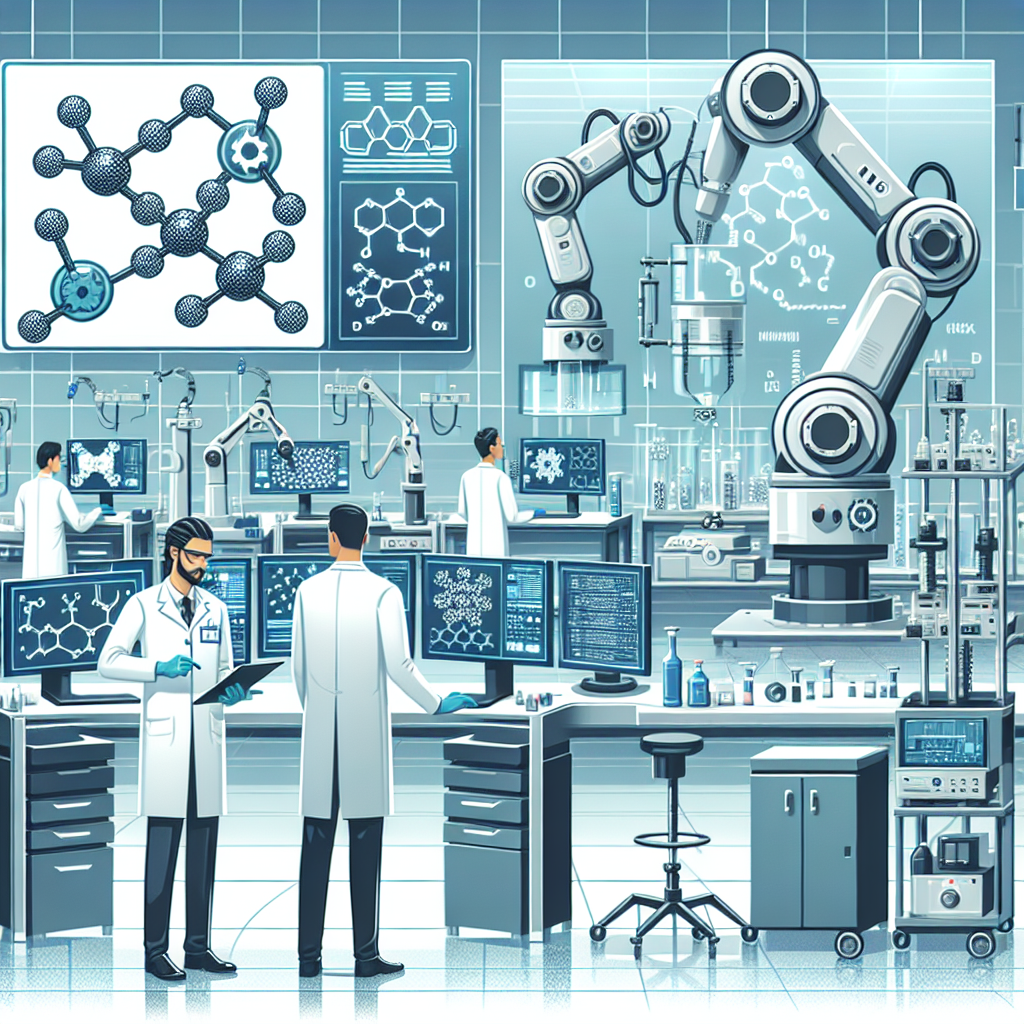
The polymer industry has long been a cornerstone of modern manufacturing, providing crucial materials for a myriad of applications ranging from packaging to automotive parts. Over the years, advancements in polymer science and engineering have continually transformed the capabilities and efficiencies within the sector. Recently, a new wave of transformation has emerged, marked by the increasing integration of digital technologies. This digitalization is not merely a trend but a fundamental shift in how polymer manufacturing processes are designed, managed, and executed.
In this comprehensive article, we will examine how digitalization is influencing the polymer manufacturing industry. We will explore the current market trends, technological advancements, and future forecasts. We aim to provide a thorough overview suitable for anyone interested in understanding the current and future landscape of polymer manufacturing.
Introduction to Digitalization in Polymer Manufacturing
Digitalization refers to the adoption of digital technologies to change a business model and provide new revenue and value-producing opportunities. It involves using data and digital technologies to transform operations, processes, and business functions. In the context of polymer manufacturing, digitalization encompasses a wide array of technologies such as the Internet of Things (IoT), artificial intelligence (AI), machine learning, big data analytics, and cloud computing.
The polymer manufacturing industry is inherently complex due to the various chemical processes involved. These processes require precise control over multiple variables to ensure product quality and consistency. Traditional methods often involve manual monitoring and adjustments based on the experience and intuition of operators. However, the margin for error is minimal, and inefficiencies can lead to significant losses. Digitalization offers a solution by enabling real-time monitoring, predictive maintenance, and enhanced supply chain management, ultimately leading to more efficient and effective manufacturing processes.
Current Market Trends in Polymer Manufacturing
The current landscape of the polymer manufacturing industry is characterized by rapid advancements and several notable trends. One such trend is the growing demand for sustainable and eco-friendly polymers. With increasing environmental awareness and stringent regulations, manufacturers are pivoting towards biopolymers and recycled materials to meet the market demand. Digitalization is playing a pivotal role in this transition by facilitating process optimizations that reduce waste and energy consumption.
Another key trend is the globalization of the supply chain. Polymer manufacturers are sourcing raw materials from all around the globe, necessitating robust supply chain management systems. Digital tools like IoT and blockchain technology are being employed to track materials in real-time, ensuring transparency, traceability, and efficiency. Moreover, digital platforms are enabling better collaboration between stakeholders across the supply chain, fostering innovation and faster time-to-market.

Technological Advancements Driving Digitalization
Several technological advancements are propelling the digital transformation within the polymer manufacturing sector. IoT devices, for example, are being used to collect real-time data from manufacturing equipment. Sensors placed on machinery can monitor temperature, pressure, and other critical variables, providing a constant stream of data that can be analyzed to optimize production processes.
Artificial Intelligence (AI) and Machine Learning (ML) are also making significant inroads. These technologies enable predictive maintenance by analyzing historical data to identify patterns that precede equipment failures. This proactive approach reduces downtime and maintenance costs while improving overall operational efficiency. Additionally, AI and ML algorithms can optimize supply chain logistics, forecast demand more accurately, and even innovate new polymer formulations by simulating chemical reactions.
The Role of Big Data and Analytics
Big Data and analytics are essential components of digitalization in polymer manufacturing. The vast amounts of data generated by IoT devices, production lines, and supply chains need to be harnessed to derive actionable insights. Big Data platforms aggregate and process this data, while advanced analytics tools identify trends, correlations, and anomalies.
For instance, manufacturers can use data analytics to enhance product quality. By analyzing data from multiple production batches, manufacturers can identify the root causes of defects and implement corrective measures. This data-driven approach ensures greater consistency and reliability in polymer products. Furthermore, predictive analytics can help in optimizing inventory levels, reducing waste, and improving customer satisfaction by ensuring timely delivery of high-quality products.
Case Studies: Successful Implementation of Digitalization
Several companies in the polymer manufacturing industry have successfully embraced digitalization, reaping significant benefits. One notable example is BASF, a global leader in the chemical industry. BASF has implemented a smart manufacturing platform that integrates IoT, AI, and data analytics to streamline its production processes. This digital ecosystem has enabled BASF to achieve higher efficiency, reduced downtime, and improved product quality.
Another compelling case is Dow Chemical, which leverages digital twin technology— a virtual replica of physical assets and processes. The digital twin allows Dow to simulate and optimize its manufacturing processes, identifying potential issues before they occur. This proactive approach has resulted in substantial cost savings and enhanced operational reliability.
Future Forecasts: The Digital Path Ahead
Looking ahead, the influence of digitalization on polymer manufacturing is expected to grow even more profound. The advent of Industry 4.0, characterized by the fusion of cyber-physical systems, IoT, and cloud computing, will further accelerate digital transformation. Manufacturers will increasingly adopt smart factories where interconnected systems communicate and collaborate autonomously, driving unprecedented levels of efficiency and innovation.
Additionally, advancements in AI and ML will continue to evolve, enabling more sophisticated predictive maintenance, optimization models, and even autonomous decision-making. The integration of blockchain technology is anticipated to strengthen supply chain transparency and security, ensuring the authenticity and traceability of raw materials and finished products. As the digital landscape evolves, continuous skill development and upskilling of the workforce will be crucial to harness the full potential of these technological advancements.
Conclusion
In conclusion, the digitalization of polymer manufacturing is a transformative force reshaping the industry’s landscape. From real-time monitoring and predictive maintenance to enhanced supply chain management and sustainable practices, digital technologies are driving efficiency, innovation, and competitiveness. The integration of IoT, AI, ML, Big Data, and blockchain is not just about adopting new tools but fundamentally reimagining and optimizing the entire manufacturing ecosystem.
The journey towards digitalization is an ongoing process that requires strategic planning, investment, and a culture of innovation. As polymer manufacturers continue to embrace and adapt to these digital advancements, they will position themselves at the forefront of industry evolution, creating a more efficient, sustainable, and agile future.