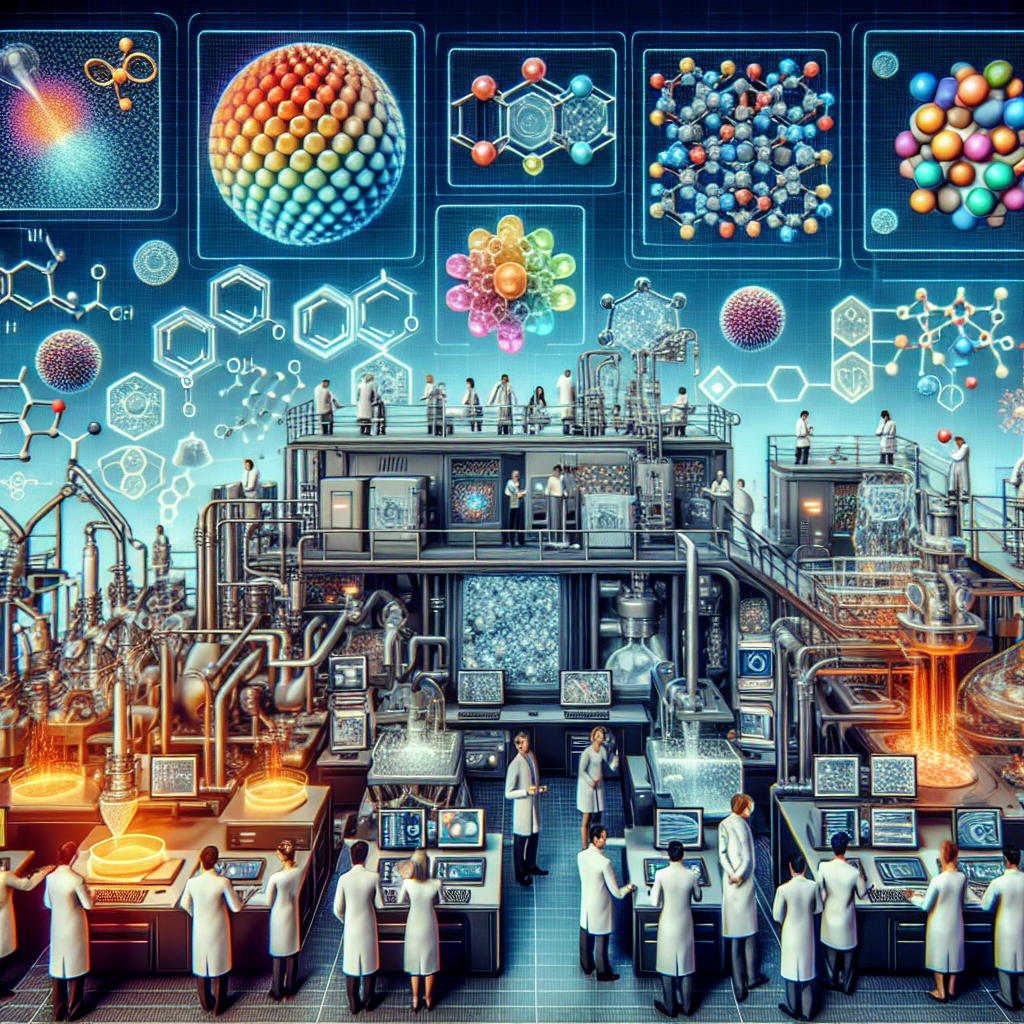
The polymer industry is a cornerstone of modern manufacturing, with applications ranging from packaging and automotive components to healthcare and electronics. As a multi-billion-dollar sector, the advancements within this industry directly impact countless other industries and facets of everyday life. This article delves into the current state of the polymer industry, tracking market trends, and forecasting future advancements in manufacturing technologies.
Introduction
The polymer industry has undergone significant transformations since its inception in the early 20th century. Initially driven by the need for synthetic substitutes for natural materials like rubber, the field has expanded exponentially to include a wide array of polymer types, each designed to fulfill specific industrial needs. Polymers have become integral to numerous industries, fostering innovation and enabling the development of products that are more durable, flexible, and cost-effective.
As we stand on the brink of the Fourth Industrial Revolution, or Industry 4.0, the polymer industry is poised for another wave of transformative changes. These changes will be driven by advancements in technology, shifts in market demands, and an increasing emphasis on sustainability. This article explores the latest trends and forecasts in polymer manufacturing technologies, offering insights into what the future might hold for this crucial sector.
New Material Innovations
One of the most exciting areas of development within the polymer industry is the creation of new materials. Researchers are constantly working on developing polymers with enhanced properties, such as increased strength, flexibility, and thermal stability. These innovations are crucial in meeting the ever-evolving demands of various industries.
For instance, biodegradable polymers have gained significant attention due to the growing concern over plastic waste and environmental sustainability. These materials are designed to break down more easily in the environment, reducing the long-term impact of polymer waste. Another promising area is the development of high-performance polymers for use in advanced applications such as aerospace and electronics, where materials need to withstand extreme conditions.
Innovations in polymer blends and composites are also noteworthy. By combining different types of polymers or incorporating other materials, it’s possible to create composites with tailored properties, opening up new possibilities for product design and functionality. These advancements offer tremendous potential for industries looking to optimize performance while maintaining cost-effectiveness.
Advanced Manufacturing Processes
Traditional polymer manufacturing processes, such as extrusion and injection molding, have been the backbone of the industry for decades. However, the advent of new manufacturing technologies promises to revolutionize how polymers are produced and utilized. One of the most significant developments in this area is additive manufacturing, commonly known as 3D printing.
3D printing of polymers allows for greater design flexibility and rapid prototyping, enabling the creation of complex geometries that would be difficult or impossible to achieve with traditional methods. This technology is making significant inroads in industries such as healthcare, where custom-made implants and prosthetics are becoming increasingly common.
Another notable advancement is the use of robotics and automation in polymer manufacturing. Automation can significantly increase production efficiency, reduce labor costs, and improve product quality by minimizing human error. Additionally, Industry 4.0 technologies such as the Internet of Things (IoT) and artificial intelligence (AI) are enabling smart manufacturing processes, where machines can communicate and make real-time adjustments to optimize production.
Sustainability and Recycling
Environmental sustainability is one of the most pressing challenges facing the polymer industry today. With growing regulatory pressures and increasing consumer awareness, companies are being pushed to develop more sustainable practices and materials. One of the key areas of focus is recycling.
Advances in recycling technologies are making it possible to convert post-consumer and post-industrial polymer waste into high-quality raw materials. Mechanical recycling, where polymers are physically reprocessed, is being complemented by chemical recycling methods that break down polymers into their monomers, allowing for the creation of new polymers with properties similar to virgin materials.
In addition to recycling, there is also a trend towards the development of bio-based polymers derived from renewable resources such as plants. These materials offer a more sustainable alternative to conventional petroleum-based polymers and can help reduce the industry’s overall carbon footprint. Though challenges still exist in terms of cost and performance, ongoing research and development are expected to make bio-based polymers more competitive in the near future.
Market Dynamics and Industry Growth
The global polymer market is a complex and dynamic landscape influenced by a variety of factors, including economic conditions, technological advancements, and consumer preferences. In recent years, the market has seen steady growth, driven by increasing demand from key industries such as automotive, packaging, and construction.
The automotive industry, in particular, has been a major driver of polymer demand. Lightweight polymers are increasingly being used to replace metal parts in vehicles, helping to improve fuel efficiency and reduce emissions. Similarly, the packaging industry continues to be a significant consumer of polymers, with innovations in flexible packaging and barrier films driving growth.
Geographically, regions such as Asia-Pacific have emerged as major players in the polymer market, with countries like China and India experiencing rapid industrialization and increasing demand for polymer products. This growth is expected to continue, supported by favorable government policies and investments in infrastructure development.
Future Outlook and Predictions
Looking ahead, the polymer industry is expected to continue evolving in response to emerging trends and challenges. One of the key areas of focus will be the development of more advanced and sustainable materials, driven by both regulatory pressures and consumer demand.
Technological advancements will also play a critical role in shaping the future of polymer manufacturing. The integration of smart manufacturing technologies, such as AI and IoT, will enable more efficient and flexible production processes, while 3D printing is likely to become more widespread, particularly in niche applications.
Additionally, the industry will need to address ongoing challenges related to environmental sustainability. This will involve not only improving recycling technologies and developing bio-based polymers but also implementing more sustainable manufacturing practices and reducing the overall environmental impact of polymer production.
Conclusion
The polymer industry stands at a crossroads, with numerous exciting developments on the horizon. From material innovations and advanced manufacturing processes to sustainability initiatives and market growth, the future holds immense potential for this crucial sector. As companies continue to invest in research and development and adopt new technologies, the polymer industry is well-positioned to meet the demands of a rapidly changing world.
In conclusion, staying abreast of the latest trends and advancements in polymer manufacturing technologies is essential for industry stakeholders looking to remain competitive and drive innovation. By embracing new materials, adopting cutting-edge manufacturing techniques, and prioritizing sustainability, the polymer industry can continue to thrive and contribute to the development of a more sustainable and efficient future.