Polymers are improving renewable energy technologies by making solar panels lighter, batteries safer, wind blades stronger, hydrogen systems more durable, and grid equipment more efficient. In this context, polymers are large molecules engineered into plastics, elastomers, membranes, coatings, foams, composites, and binders that deliver specific mechanical, electrical, thermal, or chemical properties. I have worked with polymer components in energy product development, and the pattern is consistent: when a renewable system fails in the field, the root cause often traces back to moisture, heat, UV exposure, corrosion, fatigue, or dielectric breakdown. Well-chosen polymer solutions address those failure modes directly.
This matters because renewable energy hardware must perform for decades under punishing conditions while remaining affordable enough for large-scale deployment. A solar module may sit in desert heat, a wind turbine blade may cycle through millions of flex events offshore, and a battery pack may face thermal spikes, vibration, and aggressive electrolytes. Metals, glass, and ceramics still play essential roles, but they rarely solve every interface problem on their own. Polymers fill those gaps by sealing, insulating, bonding, encapsulating, filtering, and protecting critical parts. They also reduce weight, simplify manufacturing, and enable complex geometries that conventional materials cannot easily provide.
For companies evaluating innovative products and solutions, polymer innovation is not a narrow materials story; it is a systems story. The right encapsulant can raise module reliability, the right membrane can improve hydrogen purity, and the right composite matrix can extend blade service life. This hub article explains where polymers matter most across renewable energy technologies, what material classes are being used, which performance metrics determine success, and where tradeoffs remain. It is designed as a foundation for deeper articles on solar materials, battery polymers, wind composites, hydrogen membranes, power electronics insulation, recycling strategies, and advanced manufacturing in this subtopic.
At a practical level, polymer solutions in renewable energy fall into a few recurring categories: structural composites for strength-to-weight performance, barrier materials that block water vapor or oxygen, dielectric materials that prevent electrical failure, ion-conducting membranes for electrochemical systems, encapsulants and adhesives that manage interfaces, and coatings that resist fouling, weathering, or fire. Each category connects directly to cost per kilowatt-hour, system uptime, maintenance intervals, and safety. That is why innovations in polymer solutions have become a central lever in renewable energy design rather than a secondary materials choice.
Solar Energy: Encapsulants, Backsheets, Adhesives, and Lightweight Design
In solar, polymers are everywhere that reliability is won or lost. Standard crystalline silicon modules typically use an encapsulant such as EVA, or ethylene-vinyl acetate, to cushion cells and protect them from moisture and mechanical stress. Alternatives such as POE, polyolefin elastomer, are increasingly used where better moisture resistance and reduced potential-induced degradation are needed. Backsheets often combine fluoropolymers, PET, and adhesives to provide electrical insulation and weather resistance. Sealants around junction boxes and frames prevent water ingress, while potting compounds protect electrical connections from heat cycling and UV exposure.
The improvement pathway is straightforward: better polymer packages reduce delamination, yellowing, cracking, and corrosion, which preserves power output over time. In hot and humid climates, modules can lose performance when water penetrates lamination layers and corrodes contacts. High-quality barrier films and edge seals slow that process. I have seen module qualification efforts where a formulation change in the backsheet adhesive prevented early peel failures during damp heat testing. Standards such as IEC 61215 and IEC 61730 matter here because polymer selections must survive thermal cycling, humidity freeze, UV exposure, mechanical load, and electrical safety testing before they can be trusted at scale.
Polymers are also helping create lightweight and flexible photovoltaics. Thin-film solar products and building-integrated photovoltaics often rely on polymer substrates instead of glass, which reduces mass and opens use cases on roofs that cannot support conventional modules. Transparent conductive polymers and printable inks support emerging designs, while anti-soiling and anti-reflective coatings can improve energy yield by keeping surfaces cleaner and controlling light transmission. The tradeoff is that lighter constructions can be more permeable and less dimensionally stable, so the best products use multilayer barrier engineering rather than a single miracle material.
Wind Energy: Composite Blades, Fatigue Resistance, and Repairability
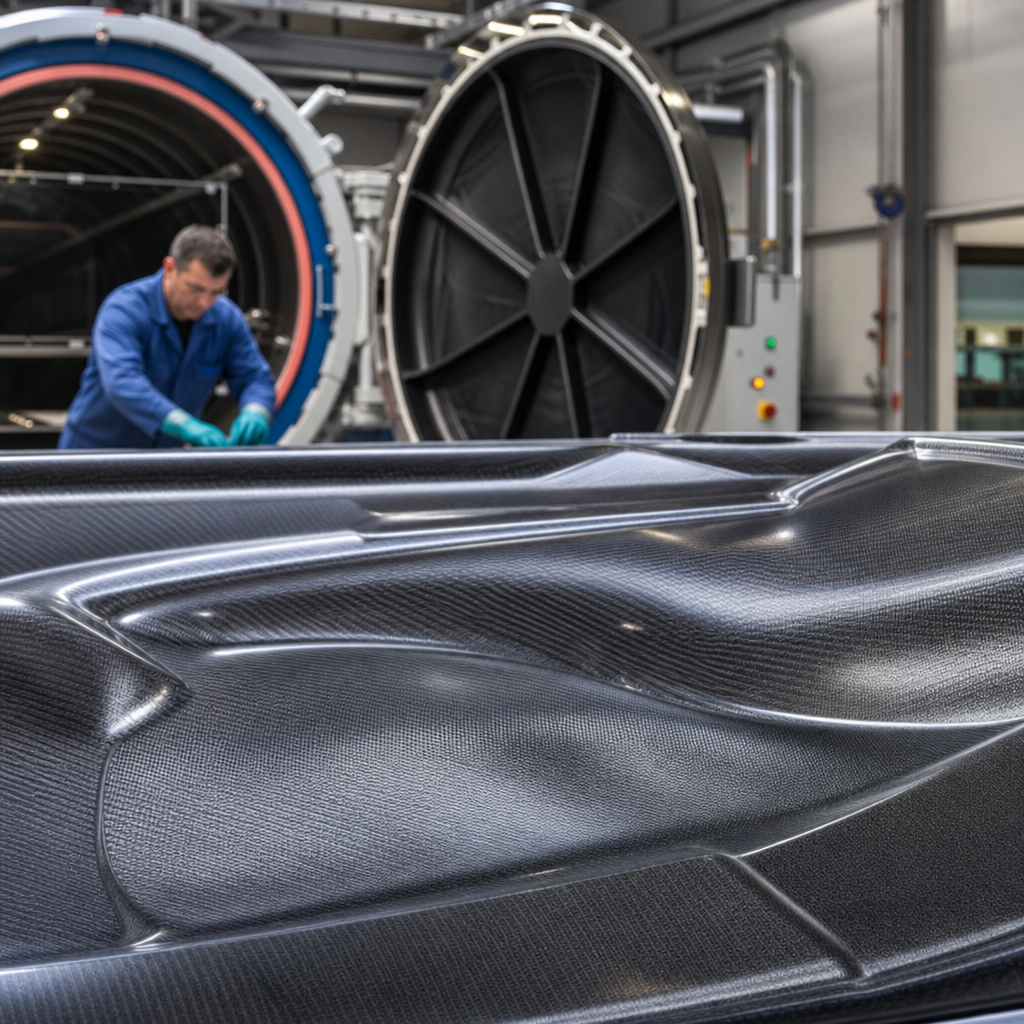
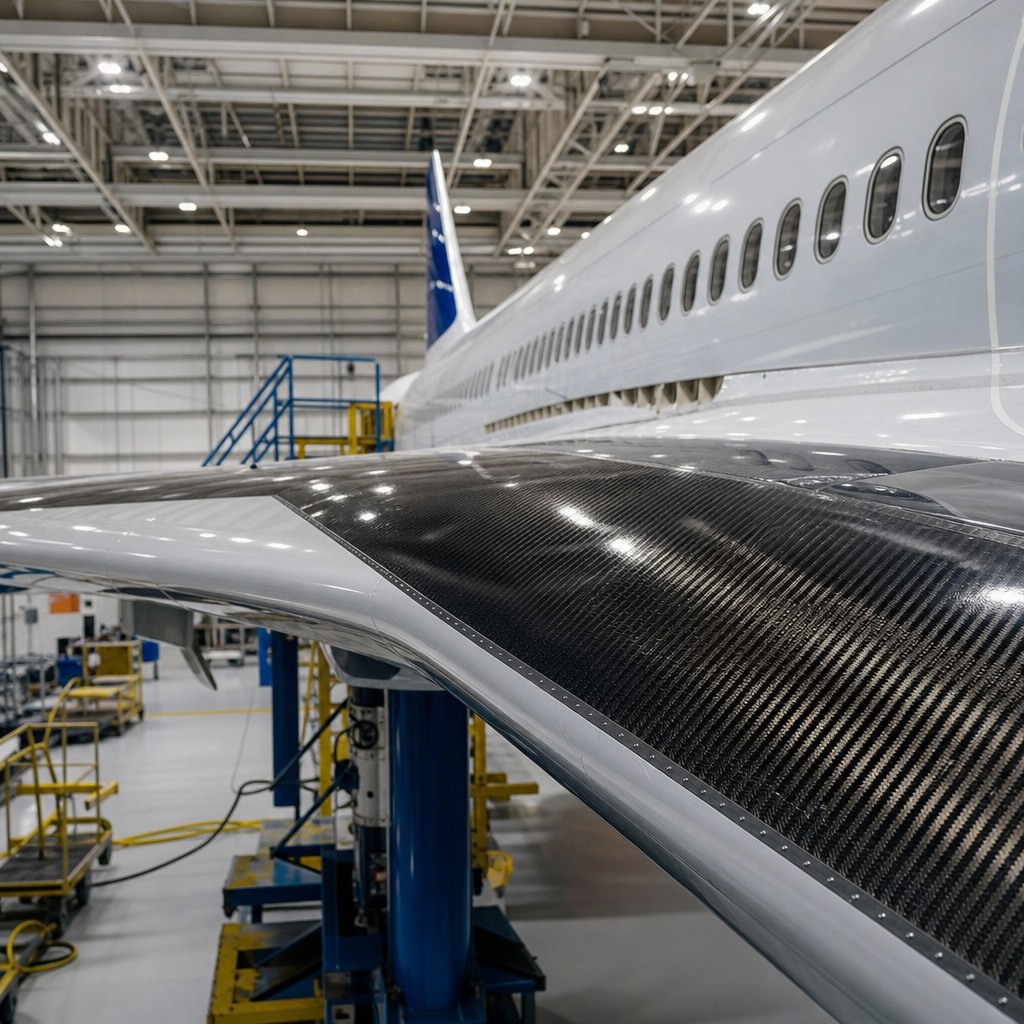
Modern wind energy depends on polymer matrix composites. Most utility-scale turbine blades are built from glass fiber reinforced epoxy or polyester systems, with carbon fiber added in spar caps or other high-load areas when stiffness gains justify the cost. These materials deliver the strength-to-weight ratio that makes long blades feasible. Longer blades capture more energy because they sweep a larger area, but they also face gravitational loading, gust loads, leading-edge erosion, lightning exposure, and continuous fatigue cycling. Metals alone would be too heavy for blades of today’s size.
Polymer innovation in this sector focuses on tougher resin systems, improved infusion processes, and better surface protection. Vacuum-assisted resin infusion has become standard because it improves fiber wet-out and helps control void content in large structures. Toughened epoxies can resist crack propagation better than older systems, which matters because tiny manufacturing defects can grow under cyclic loading. Polyurethane coatings and specialized elastomeric leading-edge protection films are used to reduce rain erosion, a major issue for offshore turbines where blade tip speeds are high. If the leading edge roughens, aerodynamic efficiency drops and annual energy production falls.
Repairability is another area where polymers directly affect economics. Blade maintenance teams rely on compatible fillers, adhesives, prepregs, and cure systems to restore damaged laminate quickly in the field. A repair resin that cures predictably in variable humidity can reduce downtime. The industry is also pushing toward thermoplastic composites and recyclable resin chemistries because conventional thermoset blades are difficult to recycle at end of life. That challenge is real: durable thermosets helped build the wind market, but circularity now requires new polymer pathways that preserve structural performance without creating disposal bottlenecks.
Battery and Energy Storage Systems: Binders, Separators, Thermal Management, and Safety
Polymers play a decisive role in lithium-ion batteries and other energy storage systems, even when they are invisible to end users. In a battery cell, polymer binders such as PVDF help hold active materials to current collectors, separators made from polyethylene or polypropylene keep electrodes apart while allowing ion flow, and electrolyte additives or gel polymers influence stability. Outside the cell, thermal interface materials, flame-retardant housings, dielectric films, potting compounds, and sealants protect packs used in stationary storage and renewable integration.
The key contribution is control. Good polymer components help maintain spacing, heat flow, electrolyte compatibility, and electrical insulation across thousands of cycles. Separators must shut down ion transport predictably during overheating while resisting puncture and shrinkage. Binders affect electrode integrity, swelling behavior, and manufacturability. In high-nickel cathodes and silicon-containing anodes, binder chemistry becomes even more important because volume changes and interfacial instability can shorten life. I have seen development programs where a small binder adjustment improved adhesion enough to reduce electrode dusting and increase yield, which then lowered cost at the factory level.
Stationary battery systems connected to solar and wind add another set of polymer needs: fire performance, ingress protection, and long service intervals. Silicone gap fillers, polyurethane foams, epoxy encapsulants, and engineered thermoplastics are selected based on UL 94 flammability, dielectric strength, thermal conductivity, and chemical resistance. The table below shows how major polymer components map to common battery challenges.
| Battery component | Typical polymer solution | Primary function | Main performance concern |
|---|---|---|---|
| Electrode binder | PVDF, SBR/CMC, advanced acrylics | Holds active material to foil | Adhesion, swelling, cycle life |
| Separator | PE, PP, ceramic-coated polyolefin | Prevents short circuit while passing ions | Thermal shrinkage, puncture resistance |
| Cell-to-pack interface | Silicone gap filler, polyurethane pad | Transfers heat and cushions vibration | Thermal conductivity, pump-out, aging |
| Pack housing and insulation | Flame-retardant thermoplastics, dielectric films | Protects users and electronics | Fire behavior, dielectric breakdown |
Beyond lithium-ion, polymer membranes and seals are equally important in redox flow batteries, sodium-ion systems, and solid-state concepts. In each case, the material challenge is the same: the polymer must perform electrochemically, thermally, and mechanically at once. That multi-property requirement is why polymer selection in energy storage cannot be treated as a commodity decision.
Hydrogen, Fuel Cells, and Electrolyzers: Membranes That Enable the System
Hydrogen technologies depend on some of the most sophisticated polymer materials in the energy sector. Proton exchange membrane fuel cells and PEM electrolyzers use ion-conducting polymer membranes to move protons while blocking gases and separating electrodes. Perfluorosulfonic acid membranes, with Nafion as the best-known commercial example, have long set the benchmark for conductivity and durability under hydrated conditions. These membranes sit at the center of the electrochemical stack, so their performance directly affects efficiency, hydrogen purity, and lifetime.
Polymers also appear in gas diffusion layers, seals, tubing, valve seats, pressure relief components, and storage system liners. In hydrogen service, embrittlement is often discussed for metals, but polymers face their own issues: gas permeation, chemical attack, compression set, and thermal aging. Type IV hydrogen storage tanks, for example, use a polymer liner inside a carbon fiber composite overwrap to lower weight compared with all-metal vessels. The liner must retain gas and remain stable over repeated fill cycles. Small failures at interfaces can compromise system safety, so standards-based testing and long-term permeation data are nonnegotiable.
For green hydrogen projects, membrane durability is a major cost driver. Electrolyzers running with variable renewable input may cycle more frequently than legacy industrial systems, and cycling stresses seals, membranes, and bonded interfaces. New hydrocarbon membranes, reinforced composites, and lower-iridium catalyst architectures are being explored to reduce cost while maintaining conductivity and chemical stability. The promise is substantial, but the market rewards proven lifetime, not lab headlines. In practice, the winning polymer solution is the one that survives real duty cycles with predictable maintenance requirements.
Grid Infrastructure, Power Electronics, and Cable Systems
Renewable energy growth places new demands on inverters, transformers, switchgear, cables, and grid-connected power electronics, and polymers are central to all of them. High-voltage cable insulation commonly uses cross-linked polyethylene because it combines dielectric strength with mechanical flexibility and thermal performance. In offshore wind and solar farms, cable jackets and insulation must resist water treeing, abrasion, and thermal stress over long distances. Failure is expensive because locating and repairing buried or subsea faults can take weeks and require specialized vessels or excavation.
Inverters and converters use polymer-based thermal interface materials, conformal coatings, encapsulants, and insulating films to protect semiconductors and control heat. As systems move toward higher voltages and wide-bandgap devices such as silicon carbide, dielectric reliability and partial discharge resistance become even more important. I have seen polymer upgrades in busbar insulation and potting systems extend service life simply by controlling microcracks that would otherwise form under thermal cycling. These improvements rarely make marketing headlines, but they strongly influence uptime and warranty risk.
Utilities also rely on polymer composite insulators in many environments because they perform well in polluted or coastal conditions where porcelain can be heavier and more maintenance-intensive. Silicone rubber housings provide hydrophobicity that helps reduce leakage current under contamination. The larger lesson is that renewable deployment is not just about generation assets. Polymer solutions in balance-of-system and grid hardware determine whether clean power can move safely and efficiently from source to load.
Sustainability, Recycling, and What Comes Next
The strongest case for polymer innovation in renewable energy includes sustainability, not just performance. Renewable equipment built with hard-to-recycle polymers can shift environmental burdens downstream, especially in blades, multilayer films, and thermoset-heavy assemblies. The industry response is improving. Mechanical recycling is established for some thermoplastics, chemical recycling routes are expanding for selected streams, and design-for-disassembly is becoming more relevant in modules, packs, and electronics. In solar, backsheet simplification and easier delamination methods can improve material recovery. In wind, thermoplastic resins and cleavable epoxy chemistries are being developed to recover fibers and reduce landfill pressure.
Bio-based polymers and mass-balance feedstocks also deserve attention, but they should be judged by full lifecycle performance rather than marketing claims. A resin with renewable content is useful only if it maintains required durability and does not create new processing problems. Lifecycle assessment, service life modeling, and compliance with standards such as RoHS, REACH, and relevant fire or electrical regulations should guide adoption. The future will favor polymer systems that combine low embodied impact with high field reliability, because replacing failed components early is rarely the sustainable option.
The main takeaway is simple: polymers are not peripheral materials in renewable energy technologies; they are enabling materials that solve critical problems at interfaces, under stress, and over long lifetimes. They protect solar modules from moisture, let wind blades grow longer without becoming impractically heavy, stabilize batteries and storage packs, make hydrogen systems function, and keep grid hardware electrically secure. The companies that treat polymer selection as a strategic engineering decision usually build products that last longer, perform more consistently, and cost less to maintain.
As this hub for innovations in polymer solutions, the next step is to examine each application in more detail: solar encapsulants and backsheets, blade resin systems, battery separators and thermal materials, hydrogen membranes, high-voltage insulation, and end-of-life recycling strategies. Use this page as your starting point when evaluating innovative products and solutions across renewable energy. If you are planning a new product, qualifying suppliers, or updating a materials roadmap, begin with the polymer layer, because that is often where the biggest reliability gains are hiding.
Frequently Asked Questions
What role do polymers play in renewable energy technologies?
Polymers play a foundational role in modern renewable energy systems because they can be engineered to solve very specific performance problems. In this context, polymers include materials such as plastics, elastomers, membranes, coatings, foams, composites, and binders. Each of these material forms can be tailored to provide a needed combination of strength, flexibility, insulation, chemical resistance, thermal stability, low weight, or durability. That makes polymers far more than simple replacement materials. In many cases, they are what enable a component or system to function reliably at commercial scale.
Across renewable energy technologies, the pattern is remarkably consistent: polymers help equipment last longer, operate more safely, weigh less, and perform more efficiently. In solar, they appear in encapsulants, backsheets, cable insulation, junction box components, and protective coatings. In batteries, they serve as separators, binders, sealants, thermal interface materials, housings, and flame-retardant elements. In wind energy, they are central to the composite structures that make long, lightweight blades possible. In hydrogen systems, polymer membranes, seals, liners, and protective materials help manage corrosion, gas containment, and harsh operating conditions. On the grid side, they show up in insulation systems, cable jackets, bushings, switchgear components, and lightweight structural parts.
One reason polymers matter so much is that renewable energy equipment often faces demanding service environments. Materials may need to survive UV exposure, temperature cycling, moisture, vibration, salt spray, chemicals, electrical stress, and long lifetimes with minimal maintenance. Metals, ceramics, and glass remain important, of course, but polymers often provide the combination of manufacturability and multifunctional performance that these systems need. From an energy product development perspective, polymer selection is rarely just about cost. It is about balancing mechanical, electrical, thermal, and chemical requirements to support reliability over years of real-world use.
How are polymers improving solar panels and solar energy systems?
Polymers improve solar technology by increasing durability, reducing weight, simplifying manufacturing, and protecting sensitive electrical components from the environment. In photovoltaic modules, some of the most important polymer materials are encapsulants and backsheets. Encapsulants help cushion and protect solar cells while maintaining optical clarity so sunlight can reach the active layers efficiently. They also help prevent damage from vibration, moisture ingress, and thermal cycling. Backsheets or other rear-side protective layers provide electrical insulation and environmental protection, helping the module withstand years of outdoor exposure.
Beyond the module itself, polymers are widely used in cable insulation, connectors, junction boxes, sealants, gaskets, and mounting-related components. These parts may seem secondary, but they are essential to long-term field performance. Solar systems are expected to operate for decades in heat, cold, wind, rain, and intense sunlight. Polymer compounds designed for UV resistance, flame retardancy, electrical insulation, and weatherability help prevent cracking, embrittlement, leakage, and electrical failure over time.
Polymers also support the broader trend toward lighter and more versatile solar installations. Flexible polymer-based materials can be used in lightweight module designs, building-integrated solar products, and portable or specialty applications where traditional rigid, heavy materials are less practical. In manufacturing, polymers can enable lamination, bonding, and sealing processes that are efficient and scalable. The result is not just a lighter solar panel, but a more robust system architecture that can be easier to install, safer to operate, and better able to maintain performance in the field.
From a practical engineering standpoint, polymer performance in solar often comes down to long-term stability. A material that looks fine in the lab can fail if it yellows, delaminates, absorbs moisture, or loses dielectric strength after years outdoors. That is why polymer formulation, additive package, processing method, and interface compatibility all matter. When those factors are well managed, polymers become a major contributor to the reliability and economics of solar power.
Why are polymers important for batteries and energy storage systems?
Polymers are critical in batteries because energy storage systems demand a careful mix of safety, electrochemical performance, manufacturability, and durability. Inside a battery cell, polymer separators help keep the electrodes apart while allowing ionic transport. Polymer binders hold active materials together on the electrodes and influence adhesion, processability, and cycling stability. Specialized polymer electrolytes and gel systems are also being explored to improve safety and enable new battery architectures. These are not minor supporting materials; they are central to how a battery is built and how it behaves over time.
Outside the cell, polymers contribute to module and pack-level safety and performance. They are used in electrical insulation, flame-retardant barriers, potting materials, thermal management interfaces, seals, busbar protection, vent components, and structural housings. In many renewable energy storage applications, batteries must withstand vibration, shock, temperature swings, humidity, and demanding charge-discharge cycles. Polymer components can be tailored to provide impact resistance, dielectric protection, thermal stability, and chemical resistance while also reducing system weight.
Safety is one of the strongest reasons polymers matter in batteries. Well-designed polymer materials can help limit short circuits, manage heat pathways, resist electrolyte exposure, and support containment strategies during abnormal events. At the same time, lightweight polymer housings and engineered composite parts can reduce total pack mass, which is valuable in stationary storage logistics and even more important in transportation-linked energy systems. Manufacturers also rely on polymers because they can be molded, bonded, coated, laminated, or foamed into complex parts with tight tolerances and scalable production methods.
What makes battery polymer selection especially challenging is that no single property decides the outcome. A separator, binder, coating, or enclosure material may need to satisfy multiple demands at once: dimensional stability, ionic compatibility, dielectric behavior, flame performance, low outgassing, and mechanical integrity across a wide temperature range. In energy product development, this is where polymers stand out. They offer a design space that can be tuned with chemistry, fillers, reinforcements, and processing to meet highly specific storage-system requirements.
How do polymers make wind turbines and hydrogen systems more durable?
In wind energy, polymers are best known for their role in composite blades. Modern wind turbine blades need to be long enough to capture more energy, but also light enough to avoid excessive structural loads. Polymer matrix composites make that possible by combining low weight with high strength and stiffness. Reinforced polymer systems, often paired with glass or carbon fibers, allow engineers to build aerodynamic blade structures that would be much harder to achieve with traditional materials alone. These materials also help with fatigue performance, which is essential because turbine blades experience repeated loading for years in changing wind conditions.
Polymers are also used in blade coatings, adhesive systems, lightning protection interfaces, cable insulation, nacelle components, seals, and vibration-related parts. Coatings and surface materials are especially important because blades operate in rain, hail, UV exposure, temperature variation, and sometimes salt-laden offshore environments. Durable polymer formulations help resist erosion, moisture ingress, and environmental degradation, all of which can affect both performance and maintenance cost. In short, polymers support not just blade construction, but the reliability of the entire turbine system.
In hydrogen technologies, polymers are essential because hydrogen systems are chemically and mechanically demanding. Fuel cells often rely on polymer membranes that transport ions while separating reactants. Electrolyzers also use polymer-based membrane materials in many designs. These membranes need to maintain conductivity and integrity under challenging operating conditions, including moisture, heat, and chemical exposure. In addition, polymers are widely used in seals, gaskets, hoses, coatings, insulation systems, and tank liners, where they help manage corrosion, permeability, and mechanical stress.
Durability is particularly important in hydrogen infrastructure because even small material weaknesses can affect efficiency, safety, or service life. Polymer selection must account for issues such as chemical compatibility, embrittlement risks in adjacent materials, pressure cycling, and long-term sealing performance. Well-engineered polymer components help hydrogen systems operate more reliably by reducing leaks, resisting attack from harsh environments, and supporting lighter, more practical equipment designs. Whether in a wind blade or a hydrogen membrane assembly, the same principle applies: polymers improve durability by delivering tailored performance where conventional materials may be too heavy, too brittle, or too limited in function.
What should engineers and manufacturers consider when choosing polymers for renewable energy applications?
Choosing the right polymer for a renewable energy application requires a full-life-cycle engineering view, not just a check against a single material property. The first step is understanding the real operating environment. Will the part face UV radiation, moisture, high voltage, flame exposure, mechanical fatigue, chemicals, pressure cycling, or extreme temperatures? Renewable energy systems often combine several of these stresses at once, which means the best material on paper may not be the best material in service. Engineers need to evaluate how the polymer performs over time, including aging, creep, dimensional stability, weathering, and compatibility with adjacent materials.
Processing and manufacturing considerations are equally important. A polymer may have excellent intrinsic properties, but if it is difficult to mold, laminate, bond, coat, or assemble consistently, it may introduce production risk. Material availability, quality consistency, recyclability goals, and regulatory compliance also matter. In many energy applications, manufacturers must consider flammability standards, dielectric performance requirements, environmental exposure