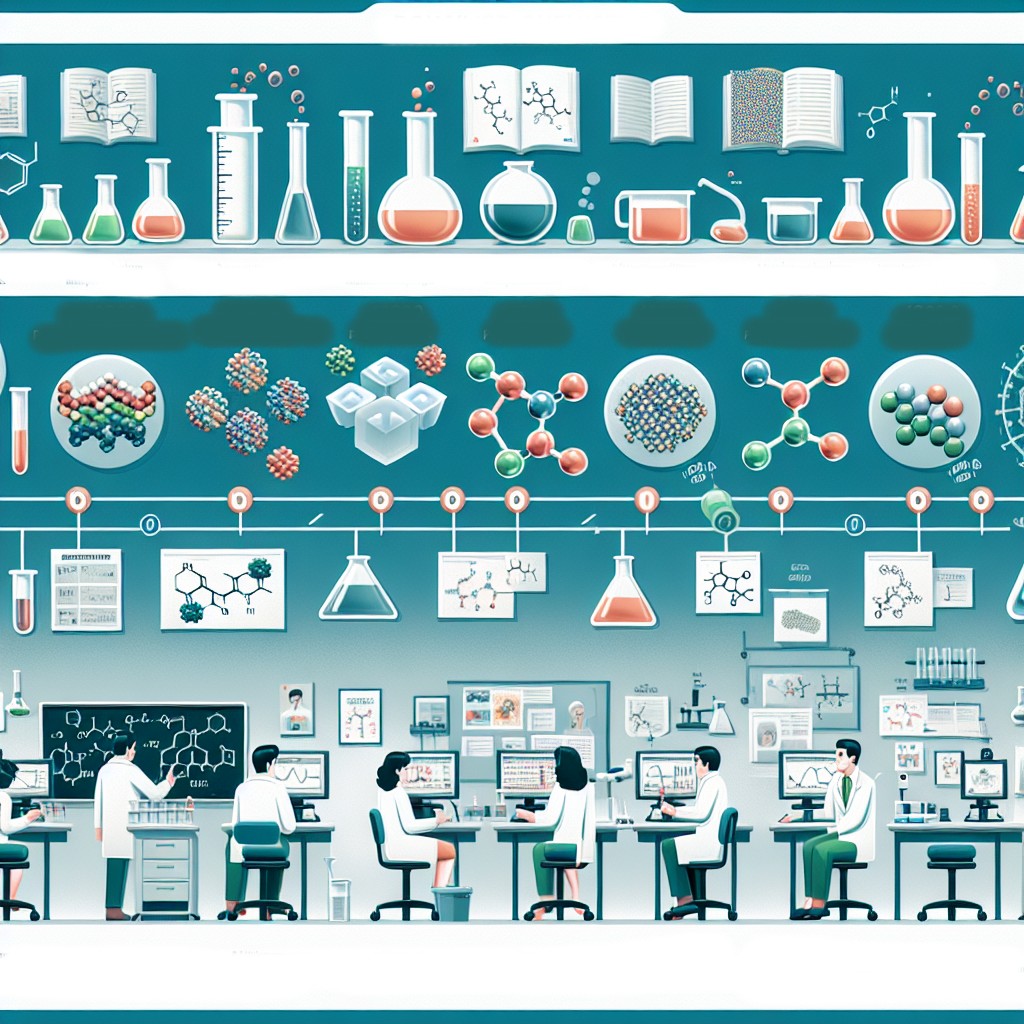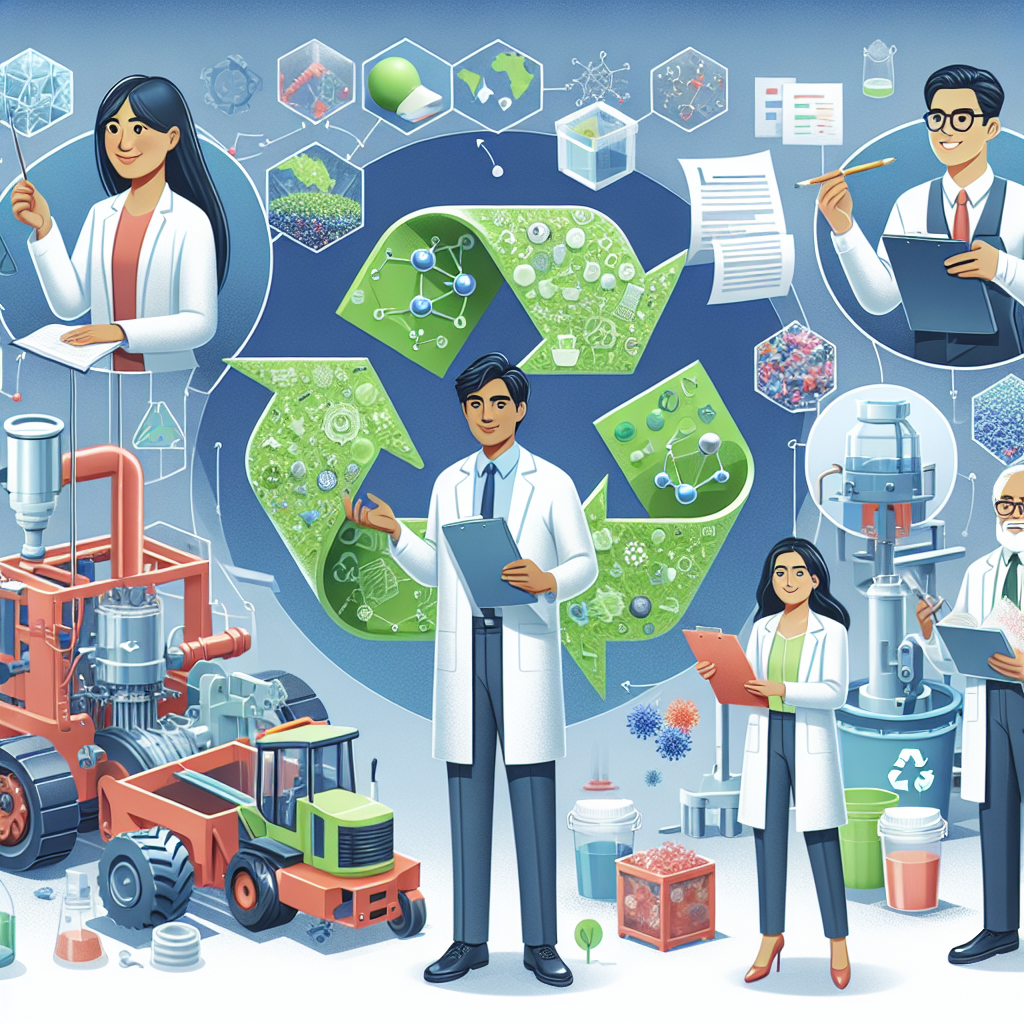
The polymer recycling industry is an increasingly significant segment within the larger plastics market, driven by rising awareness of environmental impacts, regulatory measures, and technological advancements. The proliferation of plastic waste has spurred numerous companies to take innovative approaches to recycling, aiming to reduce landfill waste and the consumption of virgin materials. This article delves into an overview of the industry, spotlighting the key players who are pioneering change with groundbreaking technologies and strategies.
Introduction to Polymer Recycling
Polymers, commonly referred to as plastics, are integral to countless products and industries. However, their durability and widespread use have contributed to a global environmental challenge: plastic waste. The surge in plastic consumption means that the world is now grappling with unprecedented levels of plastic pollution, most notably in oceans, where it poses a threat to marine life and ecosystems.
Polymers are versatile materials that can be recycled into new products if managed correctly, hence the importance of polymer recycling. Recycling polymers not only conserves resources but also mitigates environmental damage. Despite these benefits, the recycling process itself is fraught with challenges such as contamination, economic viability, and market acceptance for recycled products. Overcoming these obstacles requires innovation, strategy, and the combined efforts of key players in the industry.
Various corporations, not-for-profits, and startups are leading the way in the polymer recycling sector. They employ different recycling methods, ranging from mechanical recycling to chemical recycling and even biological processes. Each entity contributes uniquely to the ecosystem, enhancing recycling efficiency, and promoting a circular economy. Let’s explore some of the key players in this transformative industry.
Mechanical Recycling: Traditional Leaders
Mechanical recycling is the most common method of polymer recycling, involving the physical reprocessing of plastics without altering their chemical structure. Several companies stand out in this field due to their scale, technological advancements, and impact.
Waste Management, Inc.: As one of the largest waste management companies in the world, Waste Management, Inc. (WM) has made significant strides in recycling. Their extensive infrastructure allows them to process a high volume of recyclables, including a variety of polymers. WM continuously invests in technology to sort and clean plastics more efficiently, ensuring the maximum possible material recovery.
Veolia: Another major player in mechanical recycling is Veolia. With operations in numerous countries, Veolia focuses on sustainable resource management. The company is committed to enhancing its recycling capabilities and has introduced advanced optical sorting technologies to improve the quality and volume of recycled polymers.
Suez: Suez is a global leader in recycling and resource management. They have developed comprehensive recycling programs tailored to both municipal and industrial needs. Suez’s innovative sorting facilities and processing plants are pivotal in transforming waste into valuable secondary raw materials.
Chemical Recycling: Innovators at the Forefront
Chemical recycling, also known as advanced recycling, involves breaking down polymer chains to recover monomers and convert them into new polymers or fuels. This method addresses some of the limitations of mechanical recycling, such as dealing with mixed or contaminated plastics.
Eastman Chemical Company: Eastman has been a trailblazer in the chemical recycling domain, developing solutions like carbon renewal technology and polyester renewal technology. These methods allow for the recycling of a broader range of plastics, reducing the reliance on petroleum-derived virgin materials and cutting down on greenhouse gas emissions.
LyondellBasell: Known for its extensive plastics manufacturing network, LyondellBasell has ventured into chemical recycling with its proprietary molecular recycling process. This technique converts waste plastics into feedstock for new polymers, closing the loop and supporting the circular economy.
Agilyx Corporation: Agilyx specializes in the conversion of previously non-recyclable and low-value plastics into high-value liquids and chemicals. Their technology facilitates the breakdown of complex plastic waste streams, including polystyrene and multi-layer films, into reusable materials.

Biological Recycling: Emerging Leaders
Biological recycling leverages enzymes and microbes to decompose polymers into biodegradable components, representing a frontier in sustainable material management.
Carbios: French company Carbios has made leaps in enzymatic recycling, particularly with polyethylene terephthalate (PET). Their proprietary enzymes can break down PET into its original monomers, which can then be synthesized into new, virgin-quality PET products.
Genecis: This Canadian startup focuses on converting organic waste, including plastic waste, into biodegradable bioplastics using microbial fermentation. Their approach not only helps manage waste but also produces environmentally friendly materials.
Newlight Technologies: Newlight Technologies uses microorganisms to convert methane—a potent greenhouse gas—and carbon dioxide into a high-performance thermoplastic called AirCarbon. This innovative method helps address both plastic waste and greenhouse gas emissions.
Innovative Startups and Emerging Companies
The polymer recycling industry is witnessing a surge of innovative startups and emerging companies that are introducing disruptive technologies and novel business models.
Plastic Energy: Based in the UK, Plastic Energy focuses on converting end-of-life plastics into reusable raw materials through a process known as thermal anaerobic conversion (TAC). Their chemical recycling technology addresses previously non-recyclable plastics, contributing significantly to resource conservation.
Loop Industries: Loop Industries has developed a revolutionary depolymerization technology that breaks down waste PET plastic into its base chemicals, which can then be reconstituted into high-quality PET. Loop’s approach is designed to integrate seamlessly with existing PET manufacturing infrastructure, fostering a closed-loop recycling system.
PureCycle Technologies: PureCycle specializes in converting polypropylene waste into ultra-pure recycled polypropylene. Their technology addresses a significant gap in the recycling market, given polypropylene’s common usage and relatively low recycling rates. PureCycle’s innovative process holds promise for reducing the environmental footprint of numerous consumer products.
The Role of Not-for-Profits and Industry Alliances
Not-for-profits and industry alliances play a crucial role in advancing the polymer recycling industry by promoting best practices, fostering collaborations, and driving policy advocacy.
The Ellen MacArthur Foundation: The foundation’s New Plastics Economy initiative aims to create a circular economy for plastics. Through research, innovation, and collaboration with industry leaders, the foundation is accelerating the shift towards sustainable plastic use and recycling.
Plastic Pollution Coalition: This global alliance of individuals, organizations, and businesses is focused on reducing plastic pollution. The coalition engages in advocacy, education, and collaborative efforts to address the lifecycle impacts of plastic production and waste.
Association of Plastic Recyclers (APR): APR is an international trade association representing companies involved in the recycling of plastic. APR’s mission is to enhance the plastics recycling industry’s viability, through initiatives like the APR Design® Guide for Plastics Recyclability, which encourages design for recyclability among manufacturers.
Conclusion
The polymer recycling industry is an evolving landscape marked by technological innovations, strategic collaborations, and rising environmental consciousness. Key players in the sector, ranging from established corporations to nimble startups, are ushering in a new era of sustainable polymer management by addressing the multifaceted challenges of plastic waste.
Mechanical recycling remains a cornerstone of the industry, with leaders such as Waste Management, Veolia, and Suez setting benchmarks for efficiency and scale. Meanwhile, chemical recycling is gaining traction, with companies like Eastman Chemical Company, LyondellBasell, and Agilyx developing processes that can transform complex and contaminated plastics into valuable feedstock.
Biological recycling, though still in its nascent stages, holds promise for the future of sustainable materials, with pioneers like Carbios, Genecis, and Newlight Technologies paving the way. Innovative startups such as Plastic Energy, Loop Industries, and PureCycle Technologies are driving the sector forward with novel technologies and approaches.
Not-for-profit organizations and industry alliances, including the Ellen MacArthur Foundation, Plastic Pollution Coalition, and the Association of Plastic Recyclers, play vital roles in promoting best practices, fostering collaboration, and influencing policy. Their efforts are crucial in creating a conducive environment for the industry’s growth and ensuring that the vision of a circular economy becomes a reality.
As awareness of the environmental impacts of plastic waste continues to grow, the collective efforts of these key players will be instrumental in shaping a more sustainable future. The polymer recycling industry, with its dynamic and diverse ecosystem, is poised to make significant contributions to conserving resources and protecting the environment.