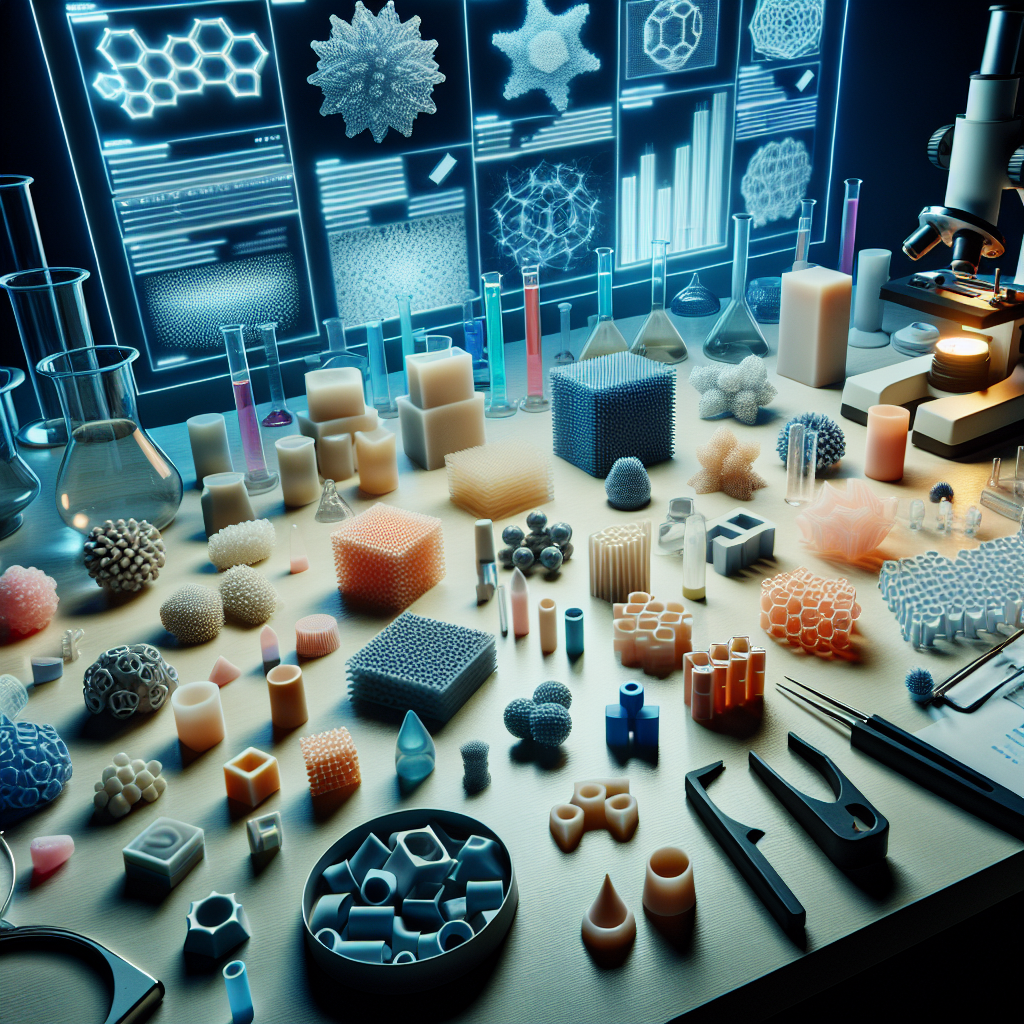
The polymer industry is a vast and intricate field, encompassing numerous materials commonly utilized in everyday applications. One of the most versatile and beneficial types of polymers is elastomers, particularly thermoplastic elastomers (TPE). These materials stand out for their unique combination of elasticity and thermoplasticity, making them indispensable in a wide range of industries including automotive, healthcare, and consumer products. The advancements in TPE technology have significantly enhanced their performance, versatility, and sustainability, driving innovation and opening new possibilities.
Thermoplastic Elastomers bridge the gap between two dominant polymer classes: thermoplastics and elastomers. Unlike conventional elastomers, which require vulcanization, TPE can be processed and reprocessed, akin to thermoplastics. This unique characteristic offers numerous manufacturing advantages such as reduced processing time, energy efficiency, and recyclability. The ability to design components that can combine flexibility and rigidity in a single material makes TPEs highly attractive for complex applications.
In recent years, various sectors have increasingly adopted TPE due to continuous research and development in the field. The focus is on enhancing the physical properties and expanding the range of applications. This article delves into the latest advances in TPE, exploring the different types, their specific attributes, benefits, and how these innovations are shaping the future of material science and industrial design.
Types of Thermoplastic Elastomers
Thermoplastic elastomers encompass several distinct categories, each with unique properties tailored to specific applications. The major types include Styrenic Block Copolymers (SBC), Thermoplastic Polyolefins (TPO), Thermoplastic Vulcanizates (TPV), Thermoplastic Polyurethanes (TPU), and Copolyester Elastomers (COPE).
Styrenic Block Copolymers (SBC): This class of TPE is known for its excellent clarity, both optical and physical, making it perfect for applications requiring transparency. SBCs are widely used in medical devices, consumer goods, and packaging due to their ease of processing and cost-effectiveness.
Thermoplastic Polyolefins (TPO): TPOs combine the attributes of polypropylene and ethylene-propylene rubber, providing exceptional rigidity and impact resistance. As a result, TPOs are popular in the automotive industry for bumpers, interior and exterior trim.
Thermoplastic Vulcanizates (TPV): TPVs are a blend of EPDM rubber and polypropylene, offering superior heat resistance and elasticity. They are utilized in critical applications such as automotive seals and hoses, as well as industrial and consumer goods requiring durability and flexibility.
Thermoplastic Polyurethanes (TPU): TPUs are highly versatile and known for their excellent abrasion resistance, flexibility, and durability. They are used in footwear, sports equipment, medical devices, and more.
Copolyester Elastomers (COPE): COPEs possess high chemical resistance and stability over a wide temperature range, making them suitable for applications in harsh environments like automotive under-the-hood components and industrial machinery.
Advances in TPE Technology
The field of thermoplastic elastomers has seen significant technological advancements aimed at improving their material properties and expanding their application scope. The latest innovations focus on enhancing the mechanical performance, heat resistance, and sustainability of TPEs.
Enhanced Mechanical Performance: New formulations and processing techniques have resulted in TPEs with improved tensile strength, elongation, and tear resistance. For instance, advancements in nanocomposite technology have enabled the incorporation of nanoparticles into TPE matrices, yielding materials with superior mechanical properties and enhanced durability.
Heat Resistance: One of the challenges with traditional TPEs has been their performance at elevated temperatures. Recent developments have addressed this by creating TPEs with higher melting points and improved thermal stability, expanding their usability in high-temperature applications such as under-the-hood automotive parts and industrial machinery components.
Sustainability: With the growing emphasis on environmental sustainability, the polymer industry has been focused on developing eco-friendly TPEs. This includes sourcing renewable raw materials, enhancing the recyclability of TPE products, and reducing the carbon footprint of TPE manufacturing processes. Innovations include bio-based TPEs derived from renewable resources like plant-based oils, which offer comparable performance to conventional TPEs but with a significantly reduced environmental impact.

Applications of Advanced TPEs
The advancements in TPE technology have unlocked new applications across various industries, highlighting the versatility and adaptability of these materials.
Automotive Industry: The automotive sector continues to be one of the largest markets for TPEs. Improved heat resistance and mechanical properties have facilitated the use of TPEs in under-the-hood components, exterior parts like bumper systems, and interior elements such as dashboards and trim. The lightweight nature of TPEs also contributes to overall vehicle weight reduction, enhancing fuel efficiency.
Medical Devices: The medical industry benefits from the biocompatibility and versatility of advanced TPEs. New TPE formulations are being used for medical tubing, syringes, and various disposable medical products, offering flexibility, clarity, and durability. The ability to sterilize these materials without degradation further enhances their suitability for critical healthcare applications.
Consumer Goods: In the realm of consumer products, TPEs are used extensively for items ranging from toys and household goods to sports equipment and footwear. The comfort, softness, and durability of advanced TPUs make them ideal for high-performance athletic shoes and protective gear.
Industrial Applications: TPEs with enhanced chemical resistance and mechanical strength are instrumental in manufacturing various industrial components, such as seals, gaskets, and hoses. The flexibility and resilience of these materials ensure reliable performance in demanding environments.
Sustainability and Environmental Impact
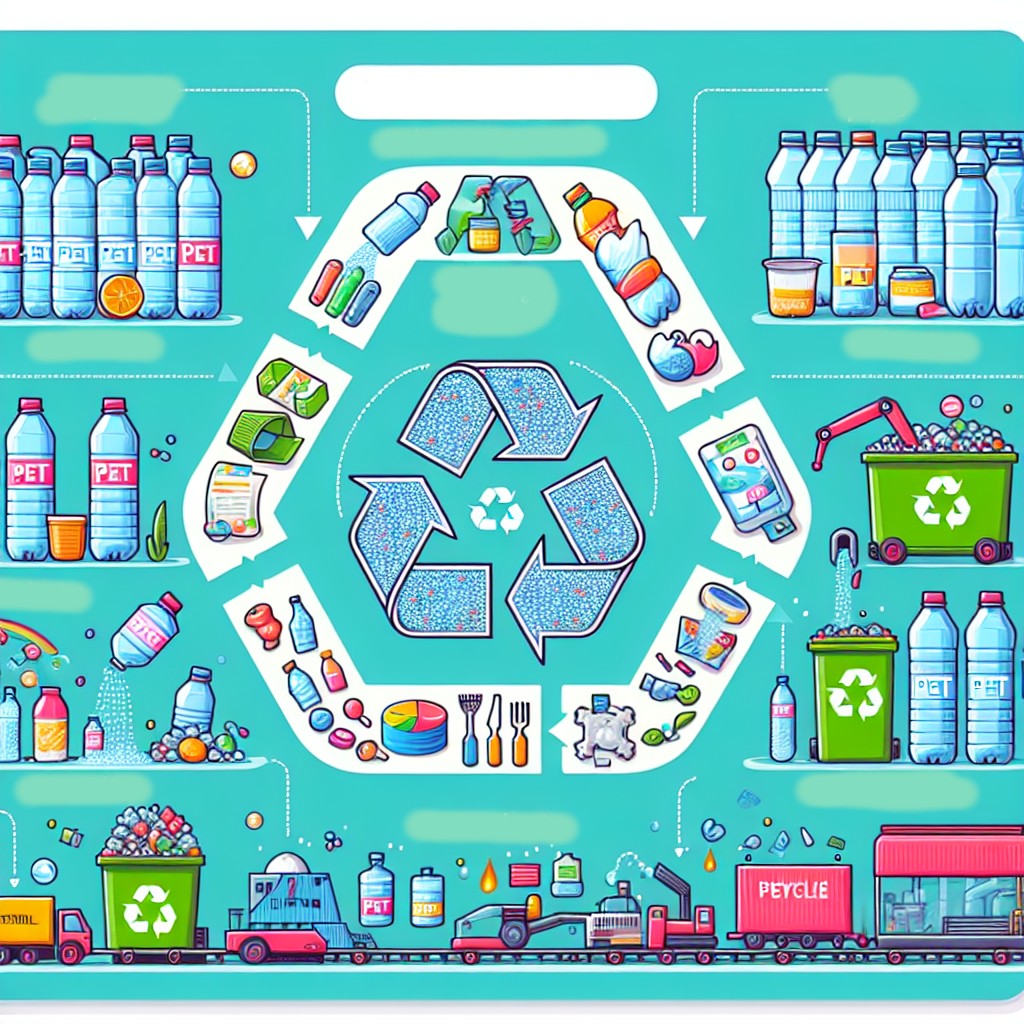
The polymer industry is gradually shifting towards sustainable practices to mitigate environmental impact, and TPEs are at the forefront of this transformation. The development and implementation of biodegradable and recyclable TPEs play a crucial role in reducing waste and conserving resources.
Companies are increasingly investing in research to develop bio-based TPEs derived from renewable resources. These materials offer a reduced carbon footprint compared to traditional petroleum-based elastomers. Efforts to enhance the recyclability of TPEs involve designing products that can be easily disassembled and reused, minimizing waste and promoting a circular economy.
Moreover, advancements in processing techniques aim to reduce energy consumption and emissions during TPE manufacturing. By adopting efficient production methods and optimizing material formulations, the industry is making strides towards greener manufacturing processes.
The focus on sustainability extends beyond material development to include responsible sourcing and ethical supply chain practices. Companies are increasingly transparent about their environmental policies and commitments, ensuring that the entire lifecycle of TPE products aligns with sustainability goals.
Future Trends and Outlook
The future of thermoplastic elastomers looks promising, with continued advancements expected to drive innovation and open new possibilities. Researchers and manufacturers aim to address the remaining challenges while exploring emerging trends that could shape the industry’s future.
Advanced Composite Materials: The integration of TPEs with other composite materials to create hybrid solutions is an emerging trend. These advanced composites combine the best attributes of different materials, resulting in enhanced performance and new functionalities for various applications.
Digital Manufacturing: The rise of digital manufacturing techniques, such as 3D printing, is expected to impact the TPE market significantly. Customized TPE components can be produced with greater precision and efficiency, enabling tailored solutions for specific requirements.
Smart Materials: The development of smart TPEs with responsive properties, such as shape memory and self-healing capabilities, is another exciting area of research. These materials could revolutionize applications requiring adaptive and self-repairing properties.
Sustainability Initiatives: Ongoing efforts to enhance the sustainability of TPEs will continue to be a priority. Innovations in bio-based materials, recycling technologies, and eco-friendly production methods will drive the industry towards greener and more sustainable practices.
Conclusion
Thermoplastic elastomers represent a dynamic and rapidly evolving segment of the polymer industry, characterized by their unique combination of elasticity and thermoplasticity. The continuous advancements in TPE technology have led to significant improvements in their mechanical performance, heat resistance, and sustainability, making them indispensable in various industries.
From automotive and medical to consumer goods and industrial applications, TPEs offer unparalleled versatility and adaptability. The development of advanced TPEs has expanded their application scope, providing reliable solutions for demanding environments and critical applications.
As the industry moves towards sustainable practices, the focus on developing eco-friendly TPEs and reducing environmental impact is paramount. Bio-based and recyclable TPEs, along with efficient manufacturing processes, are at the forefront of this transformation, promoting a greener future.
Looking ahead, the future of TPEs is promising, with emerging trends such as advanced composites, digital manufacturing, and smart materials poised to drive innovation. The continued commitment to sustainability and research will ensure that TPEs remain a versatile and valuable material in the ever-evolving landscape of material science and industrial design.
Frequently Asked Questions
What are Thermoplastic Elastomers (TPE) and why are they significant in modern industries?
Thermoplastic Elastomers (TPE) are a class of polymers that seamlessly blend the characteristics of both elastomers and thermoplastics. This dual nature means they possess the flexible and rubber-like qualities of elastomers, while also capable of being molded and shaped when exposed to heat like thermoplastics. This unique property makes TPEs highly desirable across a multitude of industries. For instance, in the automotive industry, they are used to create components such as seals and gaskets that require elasticity and durability. In healthcare, their hypoallergenic properties and flexibility are applied to make medical devices and equipment. The consumer products industry utilizes them for items like soft-touch grips, footwear, and household goods. The rapid advancements in TPE technology have expanded their applications even further, offering new possibilities for product innovation and sustainable practices.
How have recent advancements in TPE technology improved their applications?
Recent advancements in TPE technology have dramatically enhanced their performance and application potential. One significant development is the enhancement of their thermal stability and mechanical properties, allowing TPEs to perform under more extreme conditions without degrading. This has enabled their use in more demanding environments, such as in automotive under-hood components and specialized medical devices that are subject to sterilization processes. Furthermore, advancements in compounding techniques have allowed manufacturers to tailor TPEs to specific needs, such as increasing their resistance to UV light, oils, and chemicals, which broadens their usability in outdoor and chemical-exposure applications. The development of bio-based TPEs has also been a significant evolution, meeting the rising demand for sustainable and ecologically friendly materials. These advancements not only improve the functionality of TPEs but also reduce ecological footprints, aligning with global sustainability goals.
What types of applications benefit most from the use of Thermoplastic Elastomers?
Thermoplastic Elastomers are incredibly versatile, benefitting a wide array of applications. In the automotive sector, their durability and flexibility make them ideal for various parts such as weather seals, hoses, and vibration dampeners. Healthcare applications take advantage of TPE’s hypoallergenic properties and flexibility in products like tubing, syringes, and dental care items. In the realm of consumer electronics, TPEs are often used for flexible cabling and soft-touch casings that provide both durability and comfort. The advancements in TPE technology also allow for creative designs in the footwear industry, producing more comfortable, stylish, and functional shoes. Additionally, the customization potential of TPEs means that new, innovative applications are continually being explored to meet specific industry challenges and consumer demands.
What are the environmental impacts of using TPEs, and how do they compare to traditional plastics?
Thermoplastic Elastomers offer several environmental benefits over traditional plastics. One of the primary advantages is their recyclability. Unlike traditional elastomers that require a curing process rendering them unable to be re-melted and recycled, TPEs can be melted down and reprocessed multiple times without significantly losing their properties. This reduces waste in production and ultimately contributes to a circular economy model. In addition, recent innovations in bio-based TPEs, derived partially from renewable resources, provide a more environmentally friendly alternative to petroleum-based plastics. The ability to produce lighter weight components also supports fuel efficiency in transportation, reducing carbon emissions. In sum, TPEs when managed properly, can significantly lessen the ecological and carbon footprint compared to traditional materials, aligning with increasing environmental regulations and consumer awareness of sustainable product choices.
What challenges exist with the use of Thermoplastic Elastomers, and how are they being addressed?
Despite their many advantages, there are challenges associated with using Thermoplastic Elastomers. For instance, achieving the right balance of properties across all conditions remains complex, as certain applications may require specific traits like extreme elasticity or hardness, which can be difficult to achieve simultaneously. Additionally, higher costs compared to traditional elastomers can be a barrier for widespread adoption in cost-sensitive markets. However, ongoing research and development are continuously addressing these issues. Innovations in material science are allowing for more cost-effective production techniques and the creation of TPE blends that offer more targeted property combinations. Enhanced compounding processes can further tailor TPE properties to better suit diverse application needs. As the demand for sustainable and high-performance materials grows, the challenges associated with TPEs will inevitably spur further technological breakthroughs, paving the way for even more practical and efficient applications in various sectors.