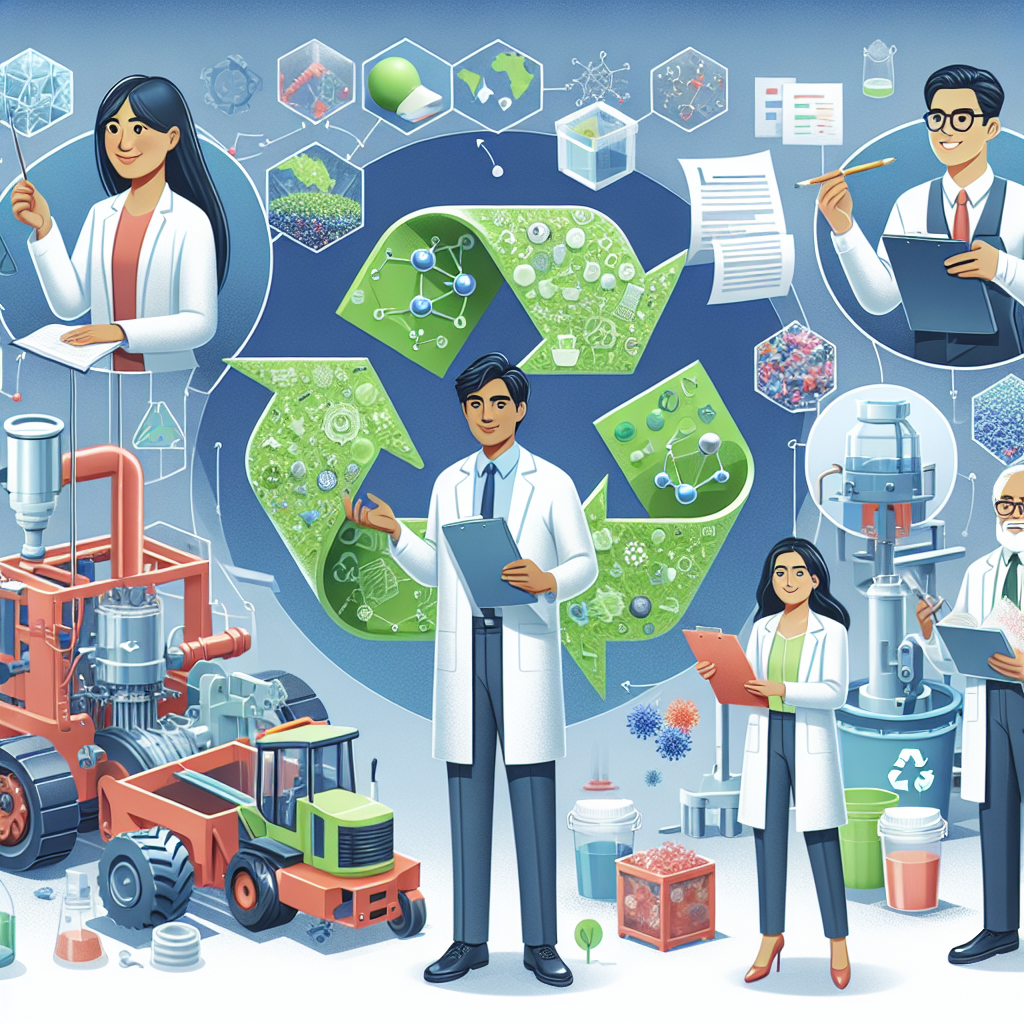
The polymer industry is an integral part of the global economy, contributing significantly to various sectors, including packaging, automotive, electronics, construction, and healthcare. Polymers, which are long-chain molecules made up of repeating units, have diverse properties making them suitable for an array of applications. However, as the world grapples with ecological sustainability, the polymer industry faces growing scrutiny from environmental regulations. These regulations, designed to mitigate the environmental impact of polymer production and disposal, have substantial implications for market trends and forecasts.
In recent years, increased awareness of climate change, pollution, and plastic waste has led to a surge in regulatory measures worldwide. Governments and international bodies are implementing strict policies aiming to reduce carbon emissions, promote recycling, and encourage the use of eco-friendly materials. As these laws evolve, they present both challenges and opportunities for the polymer industry.
The primary focus of this article is to analyze the current state of the polymer market, examining how environmental regulations affect market trends and future forecasts. By understanding these dynamics, industry players can better navigate the complexities of compliance while leveraging the opportunities for innovation and growth.
Current Market Overview
The global polymer market remains robust, with an estimated value of over $600 billion in 2022. Demand continues to rise, driven by advancements in technology and the expansion of end-user industries. Asia-Pacific, North America, and Europe are the largest markets, each contributing significantly to the overall market revenue.
Notably, the packaging industry accounts for the largest share of polymer consumption. The increasing need for flexible, lightweight, and durable packaging solutions fuels this demand. In the automotive sector, polymers play a crucial role in the production of lightweight components, enhancing vehicle fuel efficiency and performance.
Despite these benefits, the ecological footprint of polymers cannot be overlooked. Traditional polymers, primarily derived from petrochemicals, are non-biodegradable and pose a significant threat to the environment when not disposed of properly. This has prompted regulators to introduce stringent eco-norms to minimize the adverse impact of polymers on ecosystems.
Moreover, the COVID-19 pandemic has had a mixed impact on the polymer market. While there was a surge in the demand for polymers used in medical supplies and packaging, the automotive and construction industries experienced a slowdown. As the world emerges from the pandemic, the polymer market is poised for recovery, albeit with the added complexity of adhering to new environmental regulations.
Impact of Environmental Regulations
Environmental regulations impose various restrictions on the polymer industry, influencing production processes, material selection, and waste management practices. Key regulatory measures impacting the industry include bans on single-use plastics, mandates for recycled content, and emissions control standards.
The European Union’s Directive on Single-Use Plastics, for instance, aims to reduce plastic waste in oceans and promote a circular economy. It bans certain single-use plastic products and requires manufacturers to design products with recyclable or biodegradable materials. Similar regulations are being adopted in other regions, including North America and Asia.
Additionally, carbon emission regulations compel polymer manufacturers to adopt cleaner production techniques. The use of renewable energy sources, energy-efficient machinery, and advanced recycling technologies are being emphasized. Companies failing to comply with these regulations face penalties, which can affect their profitability and market standing.
Furthermore, the adoption of Extended Producer Responsibility (EPR) programs holds manufacturers accountable for the entire lifecycle of their products, including end-of-life disposal. This has led to an increased focus on developing sustainable polymers and recycling infrastructure.
Overall, these regulations drive the industry towards innovation and sustainability. While compliance may entail additional costs, it also opens avenues for developing eco-friendly polymers and recycling technologies, positioning companies favorably in a market that values sustainability.

Emerging Trends in the Polymer Market
The push for sustainability catalyzes several emerging trends in the polymer market. One notable trend is the rise of biopolymers – polymers derived from natural sources such as plants, algae, and microorganisms. Biopolymers, including polylactic acid (PLA) and polyhydroxyalkanoates (PHA), offer biodegradable and compostable alternatives to traditional plastics.
Another trend is the advancement of recycling technologies. Mechanisms such as chemical recycling and mechanical recycling are being refined to enhance efficiency and output quality. Chemical recycling, in particular, breaks down polymers into their monomer forms, which can be re-polymerized, thereby extending the lifecycle of materials.
Moreover, the incorporation of recycled content in polymer products is gaining traction. Manufacturers collaborate with recycling companies to secure high-quality recycled polymers for use in new products. This aligns with regulatory mandates and consumer preferences for sustainable products.
Research and development in material science is also paving the way for polymers with improved environmental profiles. Innovations include the development of polymers with enhanced degradability, non-toxic additives, and lower carbon footprints. Such advancements not only support regulatory compliance but also enhance product appeal in an eco-conscious market.
Challenges and Opportunities
While the shift towards sustainability presents opportunities, it also poses significant challenges for the polymer industry. One major challenge is the economic feasibility of adopting new technologies and processes. The initial investment required for developing and implementing sustainable practices can be substantial, posing a barrier for small and medium-sized enterprises (SMEs).
Another challenge is the availability and cost of raw materials. For instance, the production of biopolymers often relies on agricultural feedstocks, which can be subject to supply chain disruptions and price fluctuations. Moreover, the performance characteristics of biopolymers may not yet match those of conventional polymers, limiting their application scope.
Despite these challenges, the regulatory landscape creates opportunities for differentiation and innovation. Companies that successfully adopt sustainable practices can gain a competitive edge by meeting consumer demand for eco-friendly products and securing regulatory compliance. Additionally, government incentives and subsidies for green technologies can offset some of the costs associated with transitioning to sustainable practices.
Collaboration across the value chain is essential to overcome these challenges and leverage opportunities. Partnerships between manufacturers, recyclers, and policymakers can facilitate the development of circular economies and robust recycling infrastructures. By working together, stakeholders can drive the industry towards a more sustainable future.
Future Market Forecasts
The future of the polymer market is inextricably linked to the trajectory of environmental regulations. As more governments and international bodies commit to sustainability goals, the market is likely to see further shifts towards eco-friendly materials and practices.
Market analysts forecast steady growth for biopolymers, with an expected compound annual growth rate (CAGR) of over 15% in the next decade. The packaging sector will continue to be a major driver, with increasing demand for biodegradable and compostable packaging solutions. Similarly, the automotive industry’s emphasis on reducing vehicle weight and emissions will spur demand for lightweight, high-performance polymers.
Recycling will also play a pivotal role in the market’s evolution. The global recycling rate of plastics is anticipated to rise significantly, driven by advances in recycling technologies and increased regulatory pressure. This will create a robust market for recycled polymers, fostering a circular economy and reducing reliance on virgin materials.
Investment in research and development will be crucial for staying ahead in the competitive landscape. The development of innovative materials with superior environmental and performance characteristics will be a key differentiator. Companies that prioritize sustainability in their R&D efforts will be better positioned to capture market share and align with future regulatory requirements.
In conclusion, while environmental regulations present challenges, they also offer substantial opportunities for growth and innovation in the polymer industry. By embracing sustainability and investing in advanced technologies, the industry can navigate these regulations, meet consumer demands, and achieve long-term success.
Conclusion
The polymer industry stands at a crossroads, where the imperatives of environmental sustainability and economic growth intersect. As regulatory frameworks become more stringent, the industry must adapt by adopting sustainable practices and materials. While this transition poses challenges, it also heralds a new era of innovation and opportunity.
Understanding the impact of environmental regulations on the polymer market is crucial for industry stakeholders. Compliance is not merely a legal obligation but a strategic imperative that can drive competitiveness and market advantage. By prioritizing sustainability, companies can resonate with increasingly eco-conscious consumers and contribute to global environmental goals.
The emerging trends in biopolymers, advanced recycling, and material science advancements epitomize the potential for a sustainable polymer industry. As regulations evolve, so too will the technologies and practices that define the market. The future of the polymer industry is set to be greener, driven by a combination of regulatory mandates and market-driven sustainability initiatives.
Companies must remain proactive, investing in research, fostering collaborations, and staying abreast of regulatory changes. By doing so, they can navigate the complexities of environmental regulations while capitalizing on the opportunities for growth and innovation that lie ahead. The journey towards a sustainable polymer market is an ongoing process, but it is one that promises to yield significant benefits for the industry and the planet alike.