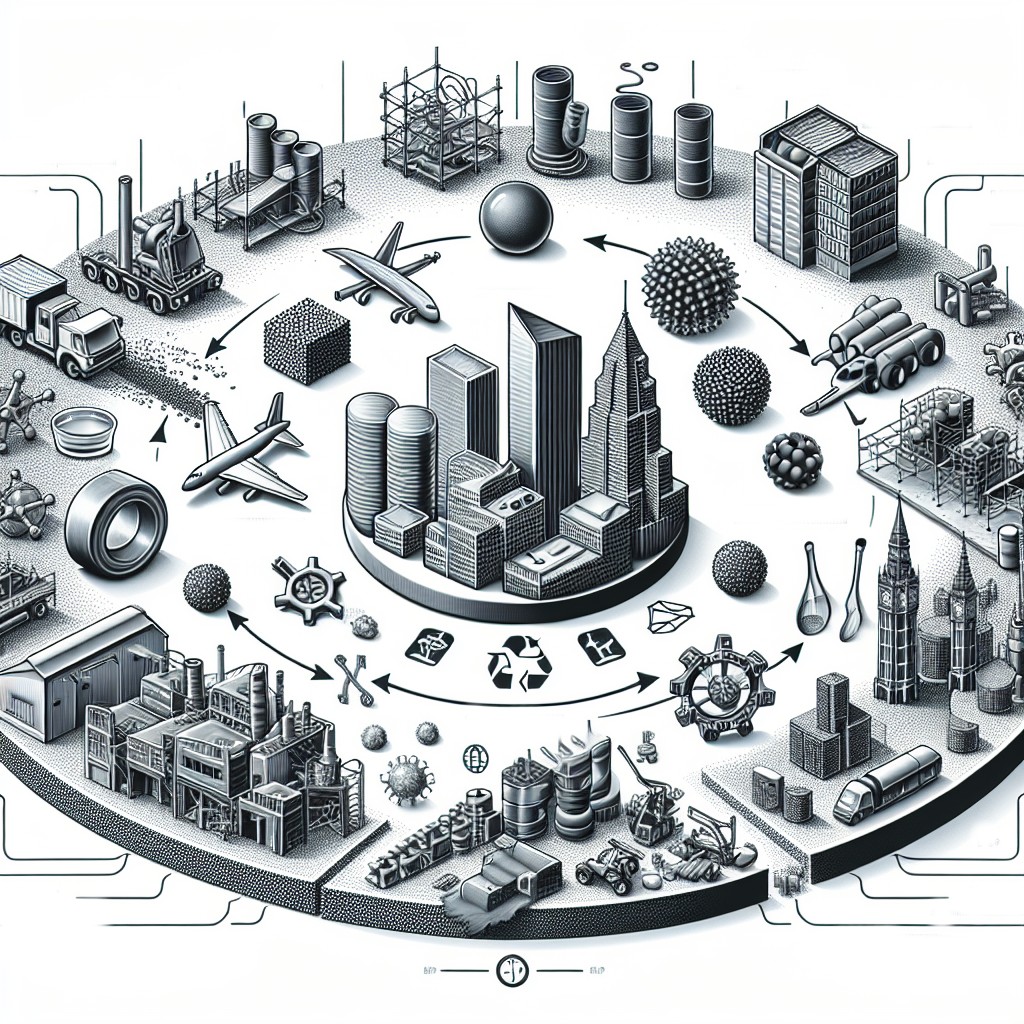
The polymer industry has experienced significant growth and diversification over the past few decades, driven largely by advancements in material science and technology. Polymers, known for their versatility and wide range of applications, are an integral part of modern life. From packaging materials to automotive parts, electronics, and medical devices, the use of polymers is ubiquitous. However, like any other materials, polymers undergo changes over time due to various factors, one of the most significant being thermal aging. Thermal aging refers to the process of changes in the properties of polymer materials induced by exposure to elevated temperatures over extended periods. Understanding this phenomenon is crucial for predicting the lifespan, performance, and safety of polymer-based products.
Thermal aging can lead to a series of irreversible chemical and physical changes, impacting the mechanical strength, flexibility, and overall functionality of the polymers. The process is inherently complex, influenced by the molecular structure of the polymer, the presence of stabilizers, the environmental conditions, and the nature of thermal exposure. Both manufacturers and end-users must be aware of these changes to make informed decisions about material selection, product design, and maintenance strategies. This article delves into the intricacies of thermal aging in polymer materials, exploring the underlying mechanisms, factors influencing the aging process, and methods for assessing and mitigating the effects of thermal exposure.
Furthermore, we will also discuss some of the latest research findings and technological advancements aimed at enhancing the thermal stability of polymers. By the end of this exploration, you should have a comprehensive understanding of thermal aging, its implications for the polymer industry, and practical approaches to manage this challenge. The goal is to provide a detailed yet accessible overview of this critical aspect of material science, helping stakeholders across the polymer value chain navigate the complexities of thermal aging.
Understanding Thermal Aging Mechanisms
Thermal aging in polymers involves a series of complex chemical reactions, primarily oxidation, chain scission, crosslinking, and the formation of free radicals. Oxidation is perhaps the most common and detrimental reaction, initiated by the absorption of thermal energy which then excites polymer molecules, leading to the generation of radicals. These radicals react with oxygen, forming peroxides which further decompose to produce more radicals, thereby perpetuating a destructive cycle. Chain scission, another common reaction, involves the breaking of polymer chains, resulting in reduced molecular weight and consequent loss in mechanical properties.
Crosslinking, in contrast, leads to the formation of chemical bonds between polymer chains, increasing the material’s rigidity but potentially rendering it brittle. The formation of free radicals, resulting from molecular bond breakage, significantly accelerates these degradation processes.
The mechanisms and rate of thermal aging are strongly influenced by the type of polymer. For example, polyolefins like polyethylene and polypropylene are particularly susceptible to oxidation. Polymers containing aromatic rings, such as polystyrene and polycarbonate, are more resistant to thermal aging due to their inherently stable structures. Additives such as antioxidants can be introduced to inhibit oxidation by scavenging free radicals, thereby delaying the aging process.
However, the effectiveness of these additives diminishes over time as they get depleted or degraded during prolonged thermal exposure. Factors such as the crystallinity of the polymer, presence of fillers, and environmental conditions like humidity and UV exposure also play crucial roles in the aging process. Understanding these mechanisms is foundational for developing strategies to enhance the thermal stability of polymers and extend their service life.
Factors Influencing Thermal Aging
Several key factors influence the thermal aging process in polymers, making it essential to consider each to understand and mitigate its effects effectively. One of the primary factors is the thermal history of the polymer. The maximum temperature and duration of heat exposure determine the extent of thermal aging. High temperatures accelerate chemical reactions, leading to faster degradation. Thus, polymers exposed to intermittent high temperatures may age differently compared to those exposed to a constant moderate temperature.
The chemical structure of the polymer also plays a significant role. Polymers with unsaturated bonds or less stable backbones are more prone to oxidative degradation. The presence of additives like stabilizers, plasticizers, and fillers can either mitigate or exacerbate the aging process. For instance, antioxidants can significantly slow down oxidation, while plasticizers might volatilize or degrade, leading to changes in polymer flexibility and toughness. The processing conditions, including extrusion, molding, and annealing temperatures, can introduce stresses and imperfections, which may serve as initiation points for thermal degradation.
Environmental factors such as UV radiation, oxygen levels, and humidity can also interact with thermal aging. UV exposure, for example, can break down polymer chains, creating free radicals that accelerate thermal degradation when the material is subsequently exposed to heat. Humidity and the presence of water can lead to hydrolysis, especially in polymers like polyesters and polyamides, further complicating the aging process. Understanding the interplay of these factors is crucial for accurately predicting the long-term behavior of polymer materials and designing products that can withstand their intended service conditions.

Methods for Assessing Thermal Aging
Assessing the thermal aging of polymer materials is critical for predicting their performance and lifespan. Several analytical methods and testing protocols are employed to evaluate the extent of thermal degradation and its impact on material properties. One of the most widely used techniques is Thermogravimetric Analysis (TGA), which measures the weight loss of a polymer sample as it is heated, providing insights into the thermal stability and decomposition temperatures of the material. Differential Scanning Calorimetry (DSC) is another vital tool that measures the heat flow associated with thermal transitions, such as melting, crystallization, and glass transition temperatures. This data helps in understanding how the thermal aging process affects the molecular structure and thermal properties of the polymer.
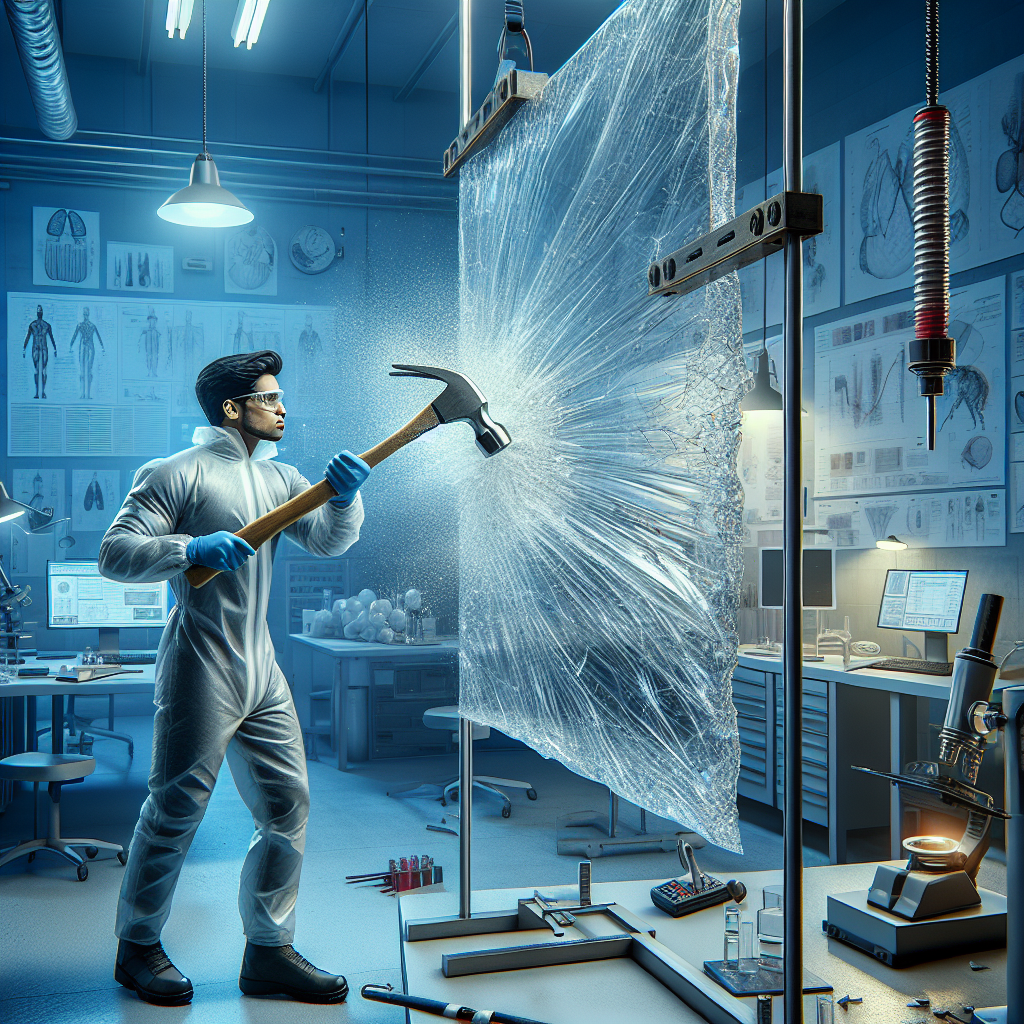
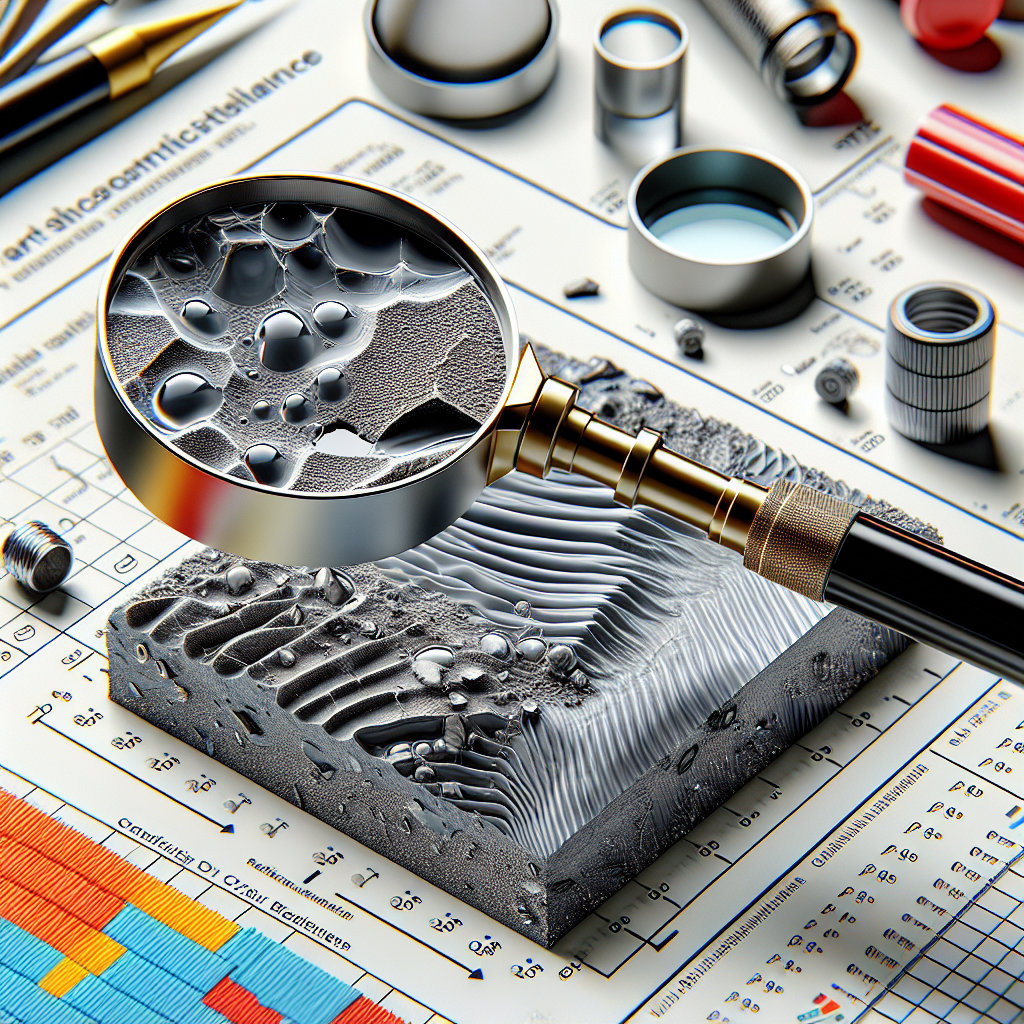
Fourier Transform Infrared Spectroscopy (FTIR) is pivotal in identifying chemical changes within the polymer caused by thermal aging. By analyzing the IR absorption spectra, researchers can detect specific functional groups and monitor the progression of oxidative degradation or other chemical modifications. Mechanical testing, including tensile, impact, and flexural tests, provides essential information about changes in the material’s mechanical properties, such as strength, elongation, and toughness, due to thermal aging. Visual inspection and microscopy techniques, such as Scanning Electron Microscopy (SEM), can reveal surface degradation, crack formation, and other morphological changes.
Combining these analytical methods offers a comprehensive understanding of the thermal aging process, enabling better prediction and mitigation of its effects on polymer materials. These assessments are often complemented by accelerated aging tests, where polymer samples are subjected to elevated temperatures and other stressors to simulate long-term service conditions within a shorter timeframe. The results from these tests are crucial for developing guidelines for material selection, product design, and maintenance practices in industries reliant on polymer materials.
Enhancing Thermal Stability
Enhancing the thermal stability of polymer materials is a critical focus area for researchers and material scientists. One of the most effective strategies is the incorporation of stabilizers, which can either be antioxidants, ultraviolet stabilizers, or thermal stabilizers. Antioxidants work by scavenging free radicals formed during thermal degradation, thereby interrupting the oxidation cycle. Examples include hindered phenols and phosphites, which are commonly used in polyolefins to extend their service life. Ultraviolet stabilizers, such as UV absorbers and hindered amine light stabilizers (HALS), protect polymers from UV-induced degradation, which can accelerate thermal aging.
Another approach is the development of inherently stable polymer structures. Polymers with high aromatic content, such as polyimides and polysulfones, exhibit superior thermal stability due to the presence of strong covalent bonds and delocalized electron systems, which resist thermal degradation. Modifying the polymer backbone to eliminate weak links susceptible to thermal breakdown is also a viable strategy. Incorporating nanomaterials, such as silica, carbon nanotubes, and graphene, into polymer matrices can significantly enhance their thermal stability by acting as barriers to thermal propagation and degradation.
Processing techniques, including controlled extrusion and molding parameters, can minimize the introduction of stresses and defects that serve as initiation points for thermal degradation. Post-processing treatments, such as annealing, can also improve thermal stability by promoting crystallization and reducing internal stresses. Additionally, multi-layered structures or polymer blends can combine the thermal stability of one component with the desired mechanical and physical properties of another, resulting in materials with a balanced performance profile. These advancements, driven by ongoing research and technological innovation, are pivotal in developing polymer materials that can reliably withstand thermal aging in demanding applications.
Impact of Thermal Aging on Different Polymers
The impact of thermal aging varies significantly across different types of polymers, making it essential to understand these differences for effective material selection and application. Polyethylene (PE) and polypropylene (PP), common in packaging and automotive applications, are highly susceptible to oxidative degradation. Despite their initial mechanical strength and flexibility, prolonged exposure to elevated temperatures leads to brittleness and loss of mechanical performance. Incorporating antioxidants and stabilizers is therefore crucial in extending the lifespan of these materials.
Polyvinyl chloride (PVC), widely used in construction and electrical applications, undergoes dehydrochlorination when exposed to heat, releasing hydrogen chloride gas and leading to discoloration and embrittlement. Stabilizers like metal soaps and organic tin compounds are essential in mitigating this process. Polyesters, such as polyethylene terephthalate (PET), and polyamides (nylons) are prone to hydrolytic degradation, where moisture and heat break down the polymer chains, compromising their mechanical properties. Using drying agents and enhancing crystallinity through processing can help improve their thermal stability.
High-performance polymers, including polyimides and polyetheretherketone (PEEK), exhibit excellent thermal stability due to their robust molecular structures. These materials are often used in aerospace, electronics, and high-temperature industrial applications. However, even these advanced materials are not immune to thermal aging. For example, polyimides may undergo oxidation at very high temperatures, leading to surface erosion and changes in mechanical properties. For such high-performance applications, continuous innovation in polymer chemistry and material science is essential to push the boundaries of thermal stability. Understanding the specific aging behaviors of different polymer types enables the development of tailored strategies to enhance their longevity and performance in various applications.
Conclusion
Thermal aging is a critical aspect of the polymer industry, impacting the lifespan, performance, and safety of polymer materials across a wide range of applications. Understanding the mechanisms of thermal aging, the factors influencing it, and the methods for assessing and mitigating its effects is essential for material scientists, engineers, and manufacturers. The complex interplay of chemical reactions, environmental factors, and material properties requires a multifaceted approach to manage thermal aging effectively.
Advancements in polymer stabilization, innovative material formulations, and improved processing techniques are pivotal in enhancing the thermal stability of polymers. By incorporating stabilizers, developing inherently stable polymer structures, and employing advanced composites, the industry can mitigate the adverse effects of thermal aging and extend the service life of polymer products. Continuous research and innovation are necessary to keep pace with the demanding performance requirements of modern applications, particularly in high-stress environments like aerospace, automotive, and electronics.
Ultimately, the ability to predict and control thermal aging ensures the reliability and durability of polymer materials, contributing to their sustainability and cost-effectiveness. As the polymer industry continues to evolve, a deep understanding of thermal aging and its management will remain a cornerstone of material science, driving progress and innovation. By prioritizing thermal stability, the industry can meet the growing demands for advanced, high-performance materials that can withstand the rigors of real-world applications.