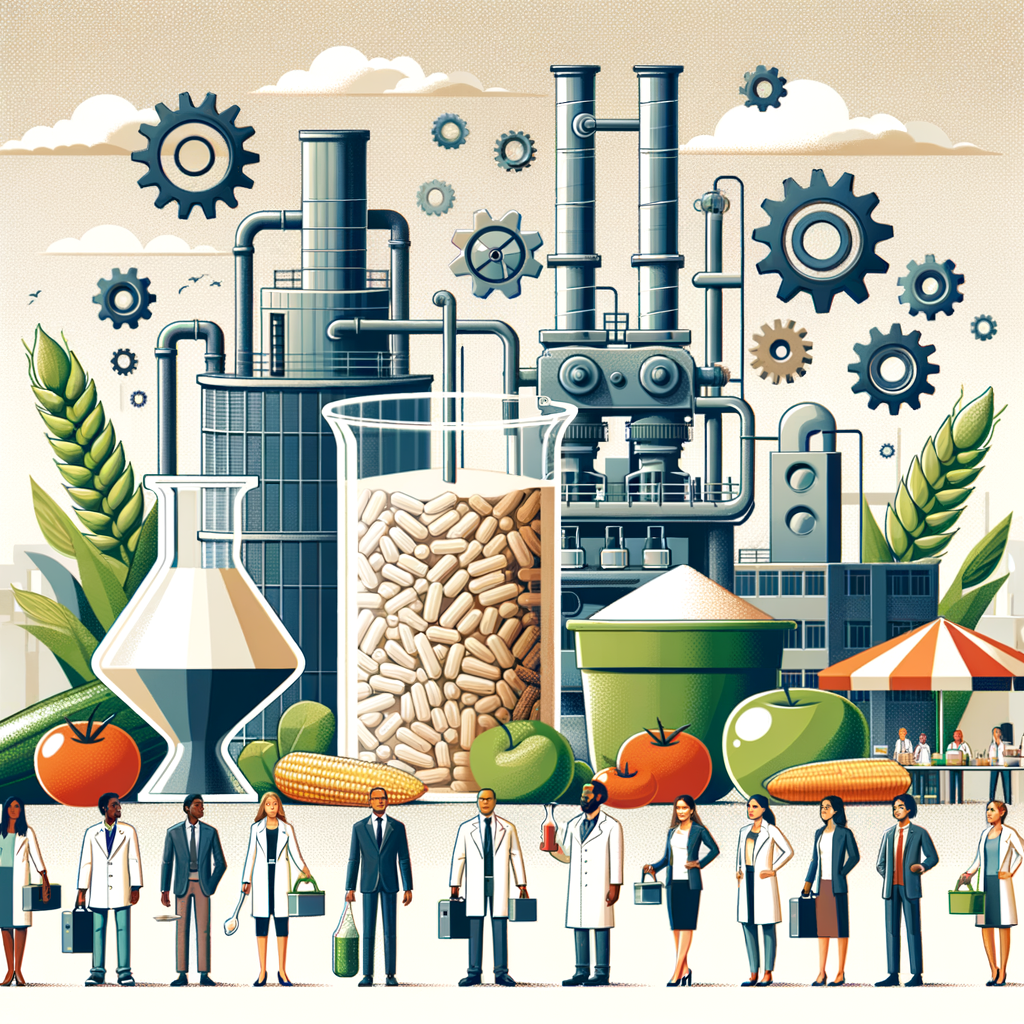
The global polymer industry has long been dominated by synthetic petrochemical-based polymers, finding applications in numerous sectors such as packaging, automotive, healthcare, and construction. However, with rising environmental concerns and an increasing drive towards sustainability, biopolymers are gaining significant traction. Biopolymers, also known as bio-based polymers, are derived from renewable organic sources and offer an environmentally friendly alternative to their synthetic counterparts. As industries across the globe pivot towards greener alternatives, the biopolymer sector is poised for exponential growth.
Biopolymers, which include materials such as polylactic acid (PLA), polyhydroxyalkanoates (PHA), and starch-based polymers, are increasingly being used in applications previously dominated by conventional plastics. Government regulations aimed at reducing plastic waste, coupled with consumer preferences shifting towards sustainable products, are catalysts for the rapid growth witnessed in the biopolymer sector. In this article, we will delve into an industry overview, examine market trends, and explore future forecasts for biopolymers.
The biopolymer market is evolving at a remarkable pace. Research and innovation in biopolymer technology are leading to enhanced performance characteristics, making biopolymers viable for a broader range of applications. Additionally, advancements in production techniques are driving down costs, making biopolymers more competitive with traditional polymers. As these materials continue to gain market share, they are set to play a pivotal role in the global shift towards a circular economy and sustainable development.
Industry Overview: Defining the Biopolymer Landscape
The biopolymer industry encompasses a wide range of materials, each with unique properties and applications. Polylactic acid (PLA), produced from fermented plant starch such as corn, has quickly become one of the most extensively researched and utilized biopolymers due to its versatility and biodegradability. PLA is employed in the manufacture of a variety of products, including biodegradable packaging, disposable tableware, and even medical devices.
Polyhydroxyalkanoates (PHA) represent another significant category within biopolymers. These polyesters are produced by bacterial fermentation of sugars or lipids and exhibit properties similar to conventional plastics like polypropylene and polyethylene, making them suitable for packaging, agricultural films, and biomedical applications. Starch-based polymers, typically derived from corn, potato, or tapioca, are used in food packaging, disposable cutlery, and agricultural products.
Beyond these major categories, there are several other biopolymers such as cellulose-based polymers, protein-based polymers (like soy and casein), and innovative materials like spider silk proteins. These biopolymers offer a range of mechanical and thermal properties, thus expanding their potential applications across different industries.
Awareness campaigns and governmental policies are driving increased adoption of biopolymers. Many countries have implemented stringent regulations around single-use plastics, fuelling demand for biopolymer alternatives. For instance, the European Union’s directive on reducing single-use plastics has significantly accelerated the adoption of biodegradable materials, and similar legislation is being enacted worldwide.
Market Trends: Key Drivers and Challenges
The rising adoption of biopolymers can be attributed to several key market trends. The demand for sustainable packaging solutions has surged as consumers and businesses strive to minimize their environmental footprint. Leading global brands are making bold commitments to incorporating sustainable materials into their products and packaging, thus driving demand for biopolymers.
In addition to packaging, the automotive industry is also an emerging market for biopolymers. Car manufacturers are exploring the use of lightweight and sustainable materials to improve fuel efficiency and reduce emissions. Biopolymers offer benefits such as reduced weight without compromising on durability, making them ideal for automotive applications.
Another notable trend is the increase in research and development activities focused on enhancing the performance and production efficiency of biopolymers. Innovations in biotechnology and material science are paving the way for next-generation biopolymers with superior mechanical and barrier properties, which can expand their application scope further.
However, the biopolymer industry faces several challenges. The higher production costs of biopolymers compared to traditional plastics remain a significant barrier to widespread adoption. Additionally, limited consumer awareness about biopolymers and their benefits can slow down market penetration. Efforts to educate consumers and improve the cost-efficiency of biopolymer production are essential for overcoming these challenges.
Future Forecasts: Growth Projections and Opportunities
Looking ahead, the outlook for the biopolymer sector is overwhelmingly positive. Industry forecasts suggest that the global biopolymer market could grow at a compound annual growth rate (CAGR) of around 15-20% over the next decade. By 2030, the biopolymer market size is projected to exceed $30 billion, driven by increasing demand across packaging, automotive, textiles, and other industries.
Asia-Pacific is expected to emerge as a significant market for biopolymers due to the rapid industrialization and increasing environmental regulations in countries like China and India. North America and Europe will continue to be key markets owing to strong regulatory frameworks and consumer demand for sustainable products. Investment in biopolymer production facilities is likely to increase globally, further bolstering market growth.
Advancements in production technologies, such as the development of more efficient fermentation processes and genetically modified crops, are anticipated to lower production costs and enhance the scalability of biopolymers. Collaborative efforts between academia, industry players, and governments will be crucial in driving innovation and addressing the existing challenges.
Furthermore, as the global emphasis on climate action strengthens, biopolymers are set to play a critical role in achieving carbon emission reduction targets. The circular economy framework, which promotes recycling and the use of renewable materials, will further drive the adoption of biopolymers across various sectors.
Policy and Regulatory Landscape: Driving Change
The policy environment is a significant driver in the adoption of biopolymers. Governments worldwide are implementing policies to reduce plastic waste and promote the use of sustainable materials. The European Union’s Green Deal and the Circular Economy Action Plan are prime examples of such initiatives, aimed at making Europe the first climate-neutral continent by 2050.
In the United States, various states have enacted bans on single-use plastics, creating a fertile ground for biopolymer adoption. California, New York, and other states’ policies encourage businesses to switch to biodegradable alternatives, fostering the growth of the biopolymer market.
Emerging economies are also aligning with global sustainability goals. Countries like India are introducing regulations to mitigate plastic pollution and promote the use of bio-based materials. These policy frameworks not only reduce environmental impact but also create market opportunities for biopolymer manufacturers.
Despite these positive developments, the industry requires consistent support from policymakers to create a stable and favorable environment for growth. Incentives such as tax breaks, subsidies for research and development, and investment in infrastructure can significantly accelerate the adoption of biopolymers and drive innovation in the sector.
Challenges and Opportunities: Navigating the Terrain
While the outlook for biopolymers is promising, the industry faces several challenges that need to be addressed. High production costs remain a barrier, as biopolymers are generally more expensive to produce than conventional plastics. However, as economies of scale improve and new production technologies are developed, costs are expected to come down.
Another challenge is the limited consumer awareness and understanding of biopolymers. While there is growing interest in sustainable products, many consumers are still unaware of the benefits and applications of biopolymers. Awareness campaigns and educational initiatives are crucial to bridge this gap and drive consumer demand.
On the opportunity front, there is immense potential for biopolymers in sectors such as packaging, automotive, textiles, and healthcare. The packaging industry, in particular, offers significant growth opportunities, driven by increasing demand for sustainable packaging solutions. Innovations in biopolymer technology, such as the development of biodegradable and compostable alternatives to traditional plastics, are opening up new avenues for growth.
The automotive industry, too, is exploring the use of biopolymers to reduce vehicle weight and improve fuel efficiency. Lightweight biopolymer materials can help car manufacturers meet stringent emissions targets and enhance the overall sustainability of their products.
Conclusions and Future Directions: Paving the Path Forward
The biopolymer sector is at a pivotal moment, poised for substantial growth driven by increasing environmental awareness, supportive regulatory frameworks, and advancements in technology. As industries and consumers continue to prioritize sustainability, the demand for biopolymers is expected to soar.
Moving forward, collaboration will be key to unlocking the full potential of the biopolymer industry. Stakeholders across the value chain – from raw material suppliers and manufacturers to policymakers and consumers – must work together to overcome challenges, drive innovation, and promote the adoption of biopolymers.
Investment in research and development is essential to enhance the performance characteristics of biopolymers and make them competitive with conventional plastics. Government support in the form of incentives and subsidies can further accelerate the growth of the industry, creating a favorable environment for innovation and adoption.
As the global focus on sustainability intensifies, the biopolymer sector is set to play a crucial role in shaping a greener and more sustainable future. By embracing biopolymers, industries can reduce their environmental footprint, meet regulatory requirements, and respond to growing consumer demand for sustainable products.
In conclusion, the biopolymer sector holds tremendous promise and is on the brink of a significant transformation. With continued innovation, supportive policies, and collaborative efforts, biopolymers are set to become a cornerstone of the sustainable materials landscape, driving progress towards a circular economy and a more sustainable world.