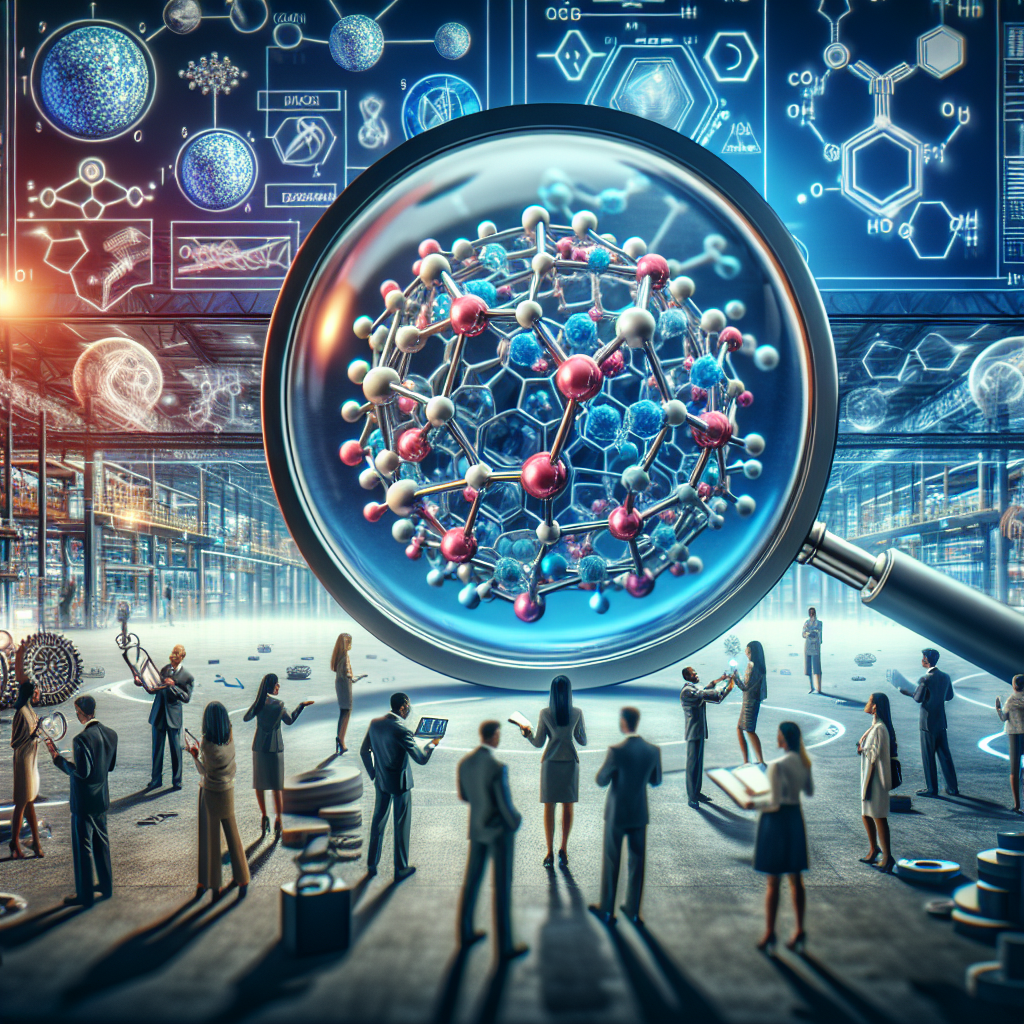
Biopolymers are emerging as a transformative force in the field of medical applications. These naturally-derived polymers, which include a wide array of substances such as proteins, polysaccharides, and polynucleotides, are known for their biodegradability, biocompatibility, and low toxicity. In recent years, the medical field has witnessed significant advancements and innovations driven by the unique properties of biopolymers. With an increased focus on sustainable and green solutions, these materials are being widely adopted across various medical sectors. As we delve into the potential of biopolymers, it is essential to understand the scope, the mechanisms driving their use, and the profound impact they are having on modern medical practices. From drug delivery systems to tissue engineering, wound care, and medical implants, biopolymers are reshaping the paradigms of medical treatments. This introduction aims to unravel the basics of biopolymers, explore why they are rapidly gaining importance, and set the stage for a deeper exploration of their revolutionary impact on healthcare.
Understanding the composition and properties of biopolymers is crucial for appreciating their versatility and suitability in medical applications. These polymers are primarily derived from renewable resources such as plants, animals, and microorganisms, making them a more environmentally friendly choice compared to traditional synthetic polymers. Additionally, biopolymers’ inherent similarity to biological macromolecules allows for seamless integration with human tissue, reducing the risk of adverse immune responses. As we focus on their applications, it becomes apparent that biopolymers offer a multitude of benefits and address various challenges faced by traditional materials. This article aims to explore the comprehensive role of biopolymers in the medical field, highlighting their applications, recent advancements, and the future prospects of their use. Through this exploration, we can grasp the extent to which biopolymers are revolutionizing medical applications and contributing to the evolution of healthcare practices for the betterment of society.
Applications of Biopolymers in Drug Delivery
Biopolymers have shown tremendous promise in the development of advanced drug delivery systems, offering several advantages over conventional delivery methods. Their unique chemical and physical properties allow for the design of delivery systems that can improve the bioavailability, controlled release, and targeted delivery of therapeutic agents. Notably, biopolymers like chitosan and hyaluronic acid have been extensively studied for their potential in drug encapsulation and release profiles. These polymers can form hydrogels or nanoparticles that encapsulate drugs, thereby protecting them from degradation and enabling their controlled release at the target site. This targeted approach reduces the side effects and enhances the efficacy of the drugs. The ability of biopolymers to form stimuli-responsive systems, which release their contents in response to specific biological or environmental triggers, further enhances the precision of drug delivery.
The versatility of biopolymers also extends to their capacity for surface modification, which can improve their interaction with specific cell types or tissues. For instance, biopolymers can be engineered to possess certain functional groups that facilitate binding to receptors on cancer cells, ensuring that anti-cancer drugs are delivered directly to the tumor site. This specificity minimizes damage to healthy tissues and curtails systemic toxicity, optimizing the therapeutic outcome. Moreover, the biodegradability of biopolymers implies that after fulfilling their role, these materials break down harmlessly in the body, eliminating the need for surgical removal and reducing the risk of long-term side effects. As research continues, biopolymer-based drug delivery systems are expected to become more sophisticated, offering highly personalized and efficient treatment options.
Biopolymers in Tissue Engineering
Tissue engineering represents another frontier where biopolymers are making a substantial impact. The need to develop sustainable and effective options for tissue regeneration and repair is driving exploration into various biopolymer scaffolds. These scaffolds provide a structural framework that supports the growth and differentiation of cells, facilitating the formation of new tissue. Collagen, gelatin, and silk fibroin are among the popular biopolymers used in scaffold construction due to their excellent biocompatibility and mechanical properties. These materials are conducive to cell attachment and proliferation, essential characteristics for successful tissue integration. Furthermore, biopolymer scaffolds can be modified to incorporate bioactive molecules such as growth factors and peptides, enhancing cellular interaction and guiding tissue regeneration processes.
Biopolymers also play a pivotal role in developing more sophisticated and realistic models of human tissues and organs. With the advent of 3D bioprinting technologies, biopolymers can be precisely deposited to create complex tissue architectures that mimic the natural structure and function of organs. These printed tissues have numerous applications, from testing new pharmaceuticals to serving as transplantable tissues to replace damaged organs. By offering a more ethical and accurate alternative to animal testing, such biopolymer-based models are advancing the fields of toxicology, pharmacology, and regenerative medicine. Ongoing research is expanding the range of biopolymers suitable for use in this field, aiming to enhance the mechanical strength and functional viability of engineered tissues.
Biopolymers in Wound Care
In wound care, the properties of biopolymers offer significant benefits over traditional materials. Their role in promoting wound healing is underpinned by their ability to form protective barriers that maintain a moist environment, conducive to cell migration and proliferation. Biopolymers such as alginate and cellulose are highly absorbent, making them ideal for managing exudates in open wounds. Additionally, the incorporation of antimicrobial agents into biopolymer-based dressings can prevent infections, a crucial consideration in wound management. The natural compatibility with human tissues ensures minimal immunogenic responses, enhancing comfort and adherence to wound surfaces.
The development of film and hydrogel dressings using biopolymers has transformed wound care by providing options that are flexible, breathable, and capable of delivering therapeutic agents directly to the site of injury. These dressings can be engineered to respond to the wound environment, releasing medication in response to changes in pH or temperature. Such responsiveness offers an individualized treatment approach that can adapt over the healing process. Innovations in biopolymer-based wound care materials continue to emerge, aiming to improve patient outcomes and reduce healing times. As these advanced materials become more available, they will play a larger role in clinical practice, particularly for chronic wounds and burn management.
Biopolymers in Medical Implants
The use of biopolymers in medical implants is gaining traction due to their biocompatibility and ability to reduce the risk of complications often associated with conventional synthetic materials. These implants, which can act as scaffolds for bone or vascular replacements, or even as part of devices like stents, benefit from biopolymers’ ability to integrate with body tissues without eliciting a significant immune response. Poly lactic acid (PLA) and polycaprolactone (PCL) are two such biopolymers that have been successfully implemented in various medical implants.
Biopolymers’ degradability is particularly advantageous for temporary implants designed to support healing before naturally dissipating, eliminating the need for additional surgical interventions. This property is especially critical in pediatric applications, where the patient’s body is still growing, and an implanted device must be able to adapt to these changes. Beyond structural support, biopolymers can be functionalized with therapeutic agents to provide localized delivery of drugs such as antibiotics or anti-inflammatory compounds, addressing local issues without the systemic effects common with oral medications.
Biopolymers and Diagnostics
Biopolymers are also proving to be valuable in the field of diagnostics, where their natural affinity for biomolecules can be exploited for targeted detection and analysis. They serve as components in biosensors and diagnostic assays, facilitating the identification of biomarkers associated with diseases. Their role as matrices for enzyme immobilization in biosensors enhances the sensitivity and specificity of diagnostic devices, leading to more accurate and reliable results. For instance, biopolymers like dextran and starch have been utilized in optical biosensors to detect glucose levels more efficiently, crucial for diabetes management.
The integration of biopolymers in microfluidic devices advances point-of-care diagnostic technologies, enabling rapid and on-site testing that is crucial for timely medical interventions. The adoption of biosensor strips in home-testing kits, enabled by biopolymers, represents a significant leap forward in personal healthcare management. As research progresses, new biopolymer-based diagnostic systems that are both eco-friendly and cost-effective are expected to enter the market, providing broader access to health monitoring technologies.
Conclusion
In summary, biopolymers are revolutionizing the field of medical applications, bringing forth unprecedented changes and improvements in numerous areas of healthcare. The inherent properties of biopolymers, such as biodegradability, biocompatibility, and ability for functionalization, make them uniquely suited for developing innovative solutions that address the limitations of traditional medical materials. From enhancing drug delivery systems and tissue engineering to advancing wound care, medical implants, and diagnostics, biopolymers are at the forefront of medical innovation. Their applications not only improve patient care and outcomes but also contribute to the evolution of more sustainable and eco-friendly medical practices.
As the medical community continues to address complex health challenges, the demand for innovative materials that can offer tailored solutions will persist, ensuring that biopolymers remain integral to future advancements. Emerging research and technology are expected to uncover new applications and enhance the performance of existing ones, pushing the boundaries of what is possible in medical treatment and diagnosis. Policymakers, healthcare providers, and researchers must collaborate to support the development and integration of biopolymer-based technologies, ensuring that their transformative potential is fully realized within clinical settings. Ultimately, the revolution spearheaded by biopolymers is just beginning, promising a future where medical care is more efficient, personalized, and environmentally conscious, serving the needs of patients worldwide.
“`