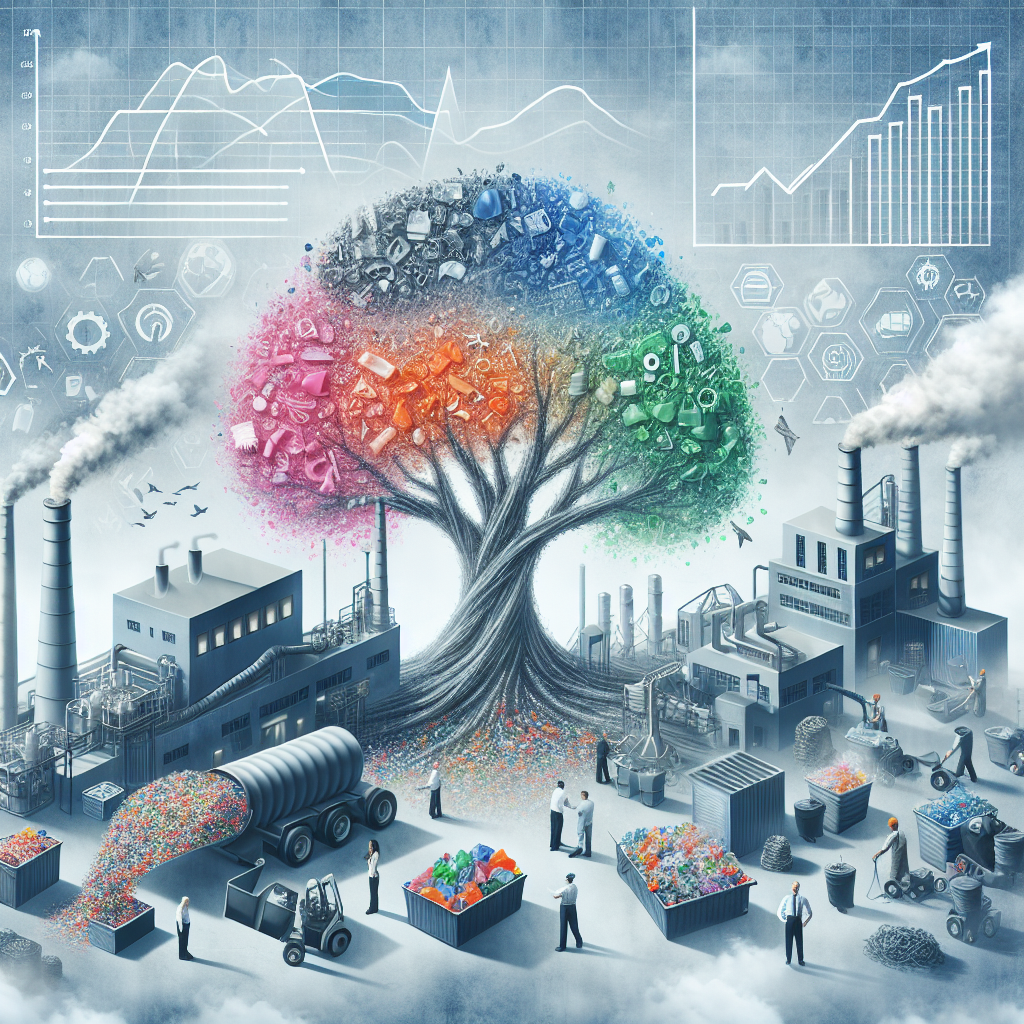
Polymer waste management has become a pressing concern for companies worldwide, driven by escalating environmental issues and evolving regulatory frameworks. As polymers, particularly plastics, play a crucial role in everyday life, their disposal poses significant environmental challenges. Companies are increasingly focusing on innovative waste management strategies to address these challenges effectively. The rise of sustainability consciousness among consumers and stakeholders has accelerated the need for responsible polymer waste management. Faced with pollution crises, companies must adopt comprehensive and sustainable methods to manage polymer waste. In this article, we explore how companies are tackling polymer waste management through strategic approaches, technological innovation, and widespread collaborations, balancing economic viability with ecological responsibility.
Innovative Recycling Technologies
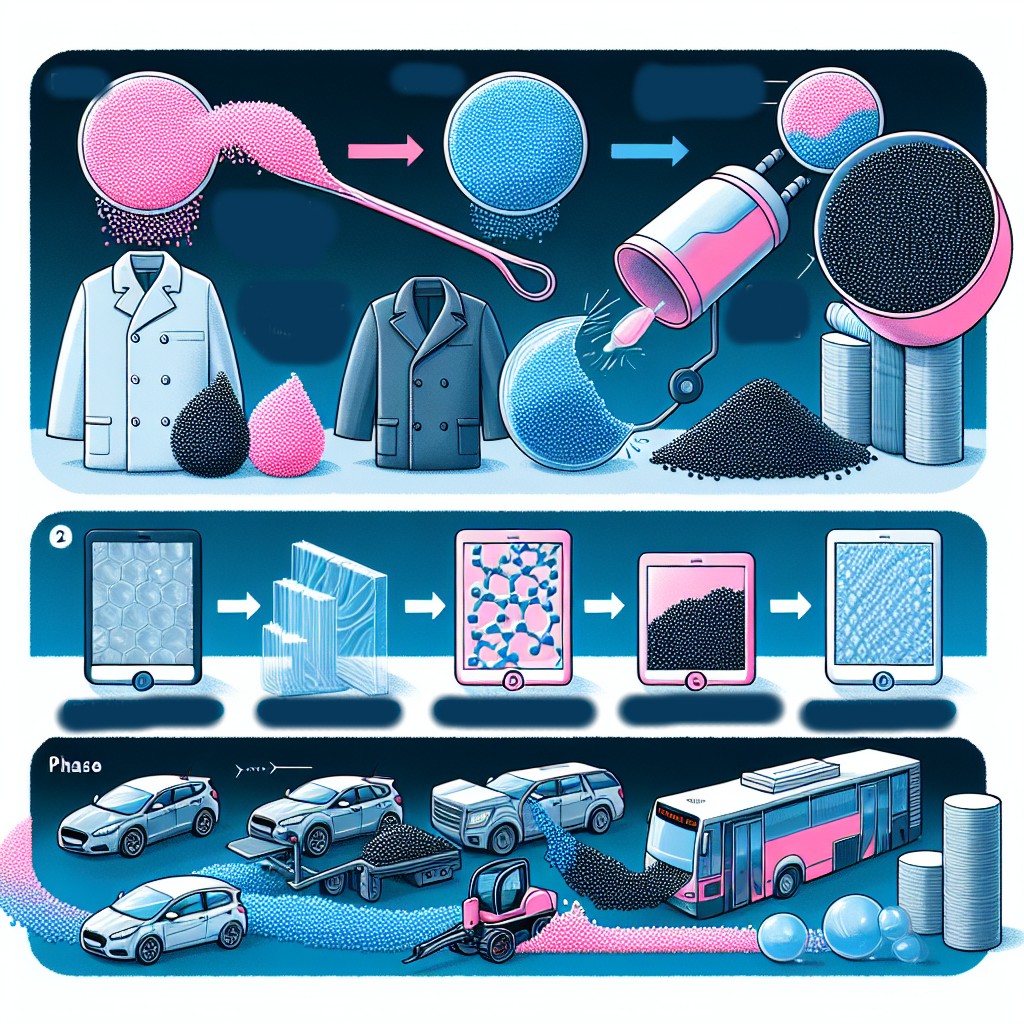
One of the most promising areas in polymer waste management is the development of advanced recycling technologies. Traditional recycling methods have limitations regarding scalability and the spectrum of polymers they can process efficiently. However, companies are investing in chemical recycling technologies that utilize processes like pyrolysis and solvolysis. These methods break down polymers into their monomer forms, allowing them to be reused in producing new materials with quality comparable to virgin polymers.
Another advancement is the use of selective dissolution, which separates polymers from mixed waste streams without altering their chemical structure. These methods increase recycling efficiency by targeting specific polymer types, ensuring cleaner recycling output. Furthermore, closed-loop systems, which allow polymers to be continuously recycled without degradation of material quality, are being implemented to maintain sustainability.
Development of Biopolymers
An increasing number of companies are investing in biopolymers as an alternative to traditional petroleum-based plastics. Biopolymers are derived from renewable resources like corn, sugarcane, and other biomass materials. They offer the benefit of reducing reliance on fossil fuels while also minimizing non-biodegradable waste. Companies like NatureWorks and BASF are pioneers in developing and utilizing biopolymers for a range of applications, from packaging to automotive parts.
Biodegradability is a significant advantage of biopolymers, as they can be broken down more easily and quickly in natural environments. Developing compostable biopolymers that degrade in certain conditions without leaving harmful residues is a critical area of focus. However, the economic factors associated with biopolymer production remain a challenge, primarily due to the costs of raw materials and production processes. Companies are working to optimize production efficiency to make biopolymers a more viable mainstream option.
Corporate Responsibility and Take-Back Programs
Corporate responsibility plays a crucial role in tackling polymer waste. Many companies have implemented take-back programs to ensure responsible disposal and recycling. For example, electronics companies often provide e-waste recycling options, allowing customers to return old electronics for recycling rather than discarding them improperly.
Additionally, brands in the fashion and consumer goods sectors are initiating take-back schemes for clothing and packaging materials. These programs aim to close the loop in the product lifecycle, ensuring materials are recycled and reused rather than contributing to landfill waste. Such initiatives not only manage polymer waste but also bolster brand reputation as companies demonstrate commitment to environmental stewardship.
Partnerships and Collaborations
Collaboration is key in polymer waste management, with companies forming strategic alliances to enhance recycling infrastructure and capacity. Industry groups and coalitions are working together to develop shared standards and technologies that support efficient recycling processes. Collaborations extend beyond industries, involving local governments and non-profit organizations to build comprehensive waste management systems.
For instance, the Alliance to End Plastic Waste involves numerous global companies aiming to address plastic waste through coordinated efforts. These partnerships facilitate knowledge sharing and resource pooling, allowing companies to tackle complex waste management challenges synergistically. Collaborations with waste management firms, recyclers, and innovators lead to the establishment of more robust recycling systems and infrastructures.
Consumer Education and Engagement
Educating consumers about sustainable practices and waste reduction is fundamental to effective polymer waste management. Companies are launching awareness campaigns to inform consumers about the importance of recycling and responsible disposal. By making recycling instructions clearer and more accessible, companies aim to enhance consumer participation in waste management efforts.
Additionally, companies are using labeling and certifications to indicate the recyclability of products and materials. Through incentives, such as discounts for returning recyclable products, companies encourage consumers to actively participate in reducing polymer waste. Engaging consumers effectively not only boosts recycling rates but also cultivates a culture of sustainability, encouraging individuals to make more environmentally conscious decisions.
Leveraging Artificial Intelligence and Data Analytics
The integration of Artificial Intelligence (AI) and data analytics is revolutionizing the way companies manage polymer waste. AI technologies are used to sort and categorize waste materials with greater accuracy and speed, enhancing recycling efficiency. Smart bin systems equipped with sensors and AI analytics allow for automatic waste sorting and tracking, reducing contamination levels in recycling streams.
Furthermore, data analytics provides valuable insights into waste generation patterns and recycling efficiency. By analyzing this data, companies can identify key areas for improvement and optimize waste management processes. Predictive analytics can also forecast future waste trends, enabling companies to make informed decisions in real-time and invest in necessary capacity expansions or infrastructure enhancements.
Regulatory Compliance and Policy Advocacy
Compliance with environmental regulations is both a challenge and a catalyst for innovation in polymer waste management. Companies must adhere to increasingly stringent regulations governing waste management and recycling. Many companies proactively engage with policymakers to influence and shape regulations that support sustainable waste management practices.
Furthermore, companies are advocating for Extended Producer Responsibility (EPR) policies, which require producers to take responsibility for the entire lifecycle of their products, including waste management. This involves innovating packaging designs, reducing the volume of non-recyclable materials, and ensuring efficient product recovery and recycling programs. Policy advocacy not only fosters industry-wide accountability but also reinforces corporate commitments to minimizing polymer waste.
Conclusion
In conclusion, companies are adopting a multi-faceted approach to tackle polymer waste management, driven by regulatory demands, consumer expectations, and environmental ramifications. By investing in advanced recycling technologies, developing biopolymers, and implementing responsible disposal programs, companies are making strides towards sustainable waste management. Partnerships and collaborations amplify these efforts, pooling expertise and resources to overcome challenges collectively. Consumer engagement and education remain central to maximizing recycling efforts. Harnessing artificial intelligence and data analytics is opening new horizons in efficient waste management. As companies continue to navigate the complexities of polymer waste management, their commitments to innovation and responsibility will play a pivotal role in fostering a more sustainable future. Therefore, proactive measures today will determine the environmental landscape of tomorrow, ensuring that polymer waste is effectively managed and minimized for generations to come.