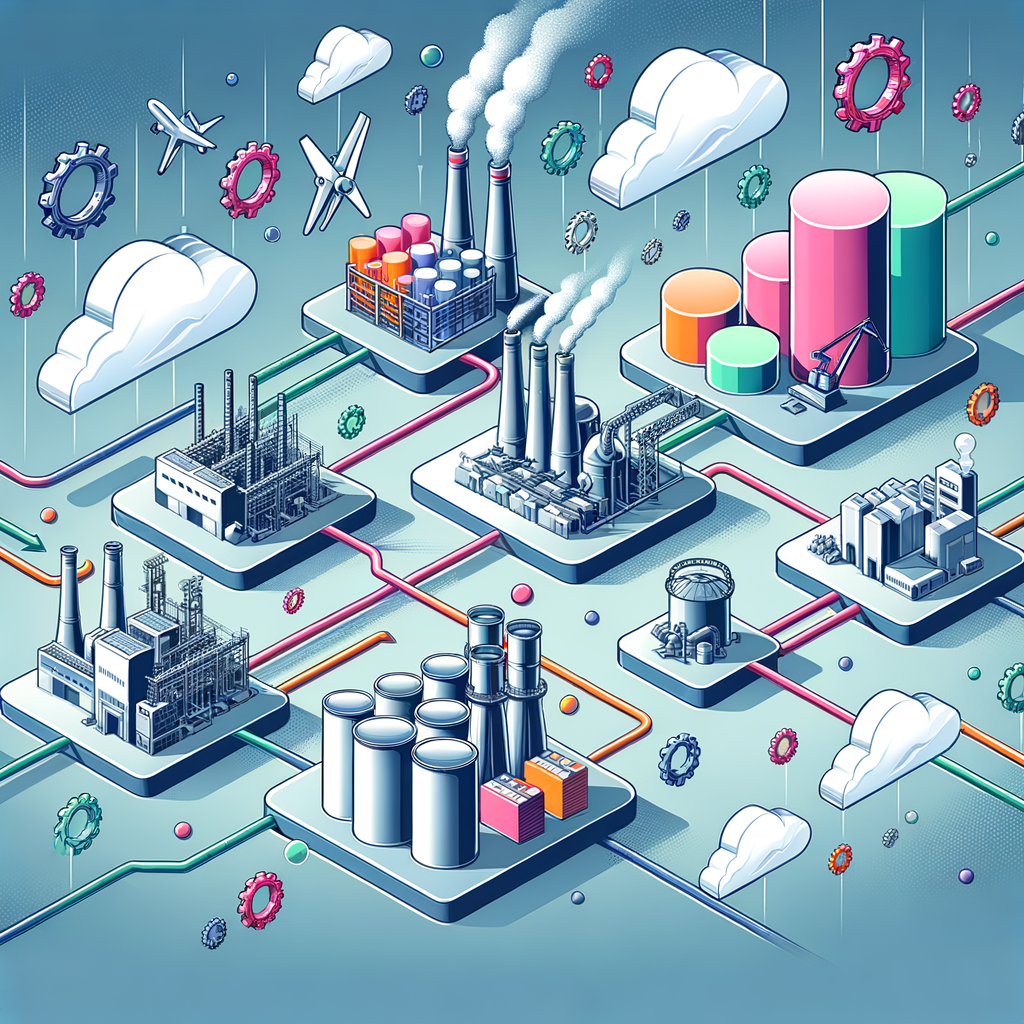
The polymer industry is a vibrant sector that forms the backbone of numerous other industries including automotive, electronics, healthcare, and packaging. Polymers, or macromolecules, are substances composed of large molecules with a repeating structural unit. This vast industry encompasses a broad range of materials, from everyday plastics to highly specialized nanomaterials. The driving forces behind the industry’s innovation are the key players who shape its trajectory through both technological advancements and market strategies. This comprehensive article delves into the giants of the polymer industry and explores how they are shaping its future.
Industry Overview
Globally, the polymer industry has experienced significant growth over the past few decades. This expansion is linked to advancements in production processes, the introduction of biodegradable polymers, and the growing demand across various sectors. Regions leading this boom include North America, Europe, and Asia-Pacific. In particular, China and India are emerging markets that hold substantial growth potential due to their rapid industrialization and increasing consumer demand.
Innovation within the polymer industry has birthed products like advanced composites and biodegradable plastics, aimed at addressing environmental concerns. The industry’s leading players continuously seek to improve polymer properties such as durability, flexibility, and heat resistance, amplifying their applicability across different fields. As the industry evolves, it’s becoming increasingly vital to focus on sustainable practices, pushing for polymers that are not only high-performing but also eco-friendly.
Key Players in the Polymer Industry
The polymer industry is populated by several key players who drive innovation and set the pace for the rest of the field. Companies like BASF, Dow, and DuPont are often considered industry stalwarts due to their extensive product lines and continued commitment to research and development.
BASF SE: As one of the largest chemical companies in the world, BASF operates on a global scale. Their vast portfolio encompasses products ranging from chemicals and plastics to performance products and crop protection materials. BASF is heavily invested in sustainable development, aiming to balance economic growth with environmental stewardship.
Dow Chemical Company: Dow is another behemoth in the polymer industry. With a diverse range of polymer products, including polyurethanes, polyolefins, and polystyrene, Dow supports a multitude of industries. They have a strong focus on sustainability, pioneering efforts in recycling and waste reduction initiatives.
DuPont: Known for innovation, DuPont has a long history of developing new materials. From Nylon to Kevlar, their contributions have had a lasting impact on various industries. Recently, DuPont has pivoted towards high-performance materials and sustainability, offering solutions designed to meet the world’s evolving needs.
Technological Innovations
Technological advancements are a significant factor in the polymer industry’s ongoing evolution. Key players are heavily investing in R&D to introduce novel materials and improve existing ones. Recent innovations include the development of bio-based polymers, which use renewable resources like corn and sugarcane instead of petrochemicals.
Nano-polymers are another frontier. These materials possess unique properties due to their nanoscale dimensions, making them suitable for high-performance applications such as medical devices and flexible electronics. Companies are also exploring 3D-printable polymers, which could revolutionize the manufacturing sector by allowing for rapid prototyping and mass customization.
Advanced techniques such as polymer blending and copolymerization are being utilized to create polymers with tailored properties, expanding their application range. This push towards customization is geared towards meeting specific industry requirements, whether it’s increased heat resistance for automotive parts or improved biocompatibility for medical implants.

Sustainability and Environmental Impact
Sustainability is becoming a critical concern within the polymer industry. The environmental impact of traditional polymer production, particularly plastic pollution, has prompted significant efforts towards greener alternatives. Leading companies are investing in research to develop biodegradable polymers that break down more quickly and safely than conventional plastics.
Efforts are also underway to enhance the recyclability of polymers. Chemical recycling techniques, which break down plastics into their monomers for reuse, are gaining traction. Additionally, physical recycling methods are being optimized to handle a broader range of plastic types and contamination levels.
Another promising approach is the development of closed-loop systems, where waste is continuously recycled back into production. Policies promoting the circular economy are encouraging companies to re-evaluate their processes, aiming to reduce waste and enhance resource efficiency.
Market Trends and Future Prospects
The future of the polymer industry is influenced by several key market trends. The demand for lightweight materials in the automotive and aerospace sectors is driving the development of advanced polymers and composites. These materials help reduce vehicle weight, thereby improving fuel efficiency and reducing emissions.
In the medical field, biocompatible and biodegradable polymers are becoming increasingly important. These materials are essential for developing drug delivery systems, implants, and other medical devices. The push towards personalized medicine also underscores the need for customizable polymer solutions.
The rapid growth of the electronics industry, driven by consumer electronics and emerging technologies like IoT and wearable devices, is another significant trend. Polymers that offer high flexibility, conductivity, and heat resistance are in high demand to support these innovations.
Key Challenges and Opportunities
Despite its robust growth, the polymer industry faces several challenges. Environmental concerns are at the forefront, with increasing public and regulatory scrutiny regarding plastic waste and pollution. This pressure is driving the need for more sustainable practices and materials.
Supply chain disruptions, particularly those seen during the COVID-19 pandemic, have highlighted the industry’s vulnerability and the need for more resilient supply chains. Companies are being pushed to diversify their sourcing and enhance their operational agility.
However, these challenges also present opportunities. The growing demand for sustainable and high-performance polymers opens new markets and applications. Innovations in recycling and waste management also offer opportunities for companies to differentiate themselves and create competitive advantages.
Conclusion
The polymer industry is indisputably on a transformative path, fueled by technological advancements, growing environmental awareness, and evolving market demands. Key players like BASF, Dow, and DuPont are instrumental in guiding this transformation through continuous innovation, sustainable practices, and strategic market positioning.
The future of the polymer industry promises exciting developments in bio-based materials, nanotechnology, and recycling. While challenges such as environmental impact and supply chain resilience must be addressed, they also provide a catalyst for innovation and growth. By staying at the forefront of research and development and embracing sustainable practices, industry leaders are poised to shape a more sustainable and technologically advanced future for polymers.