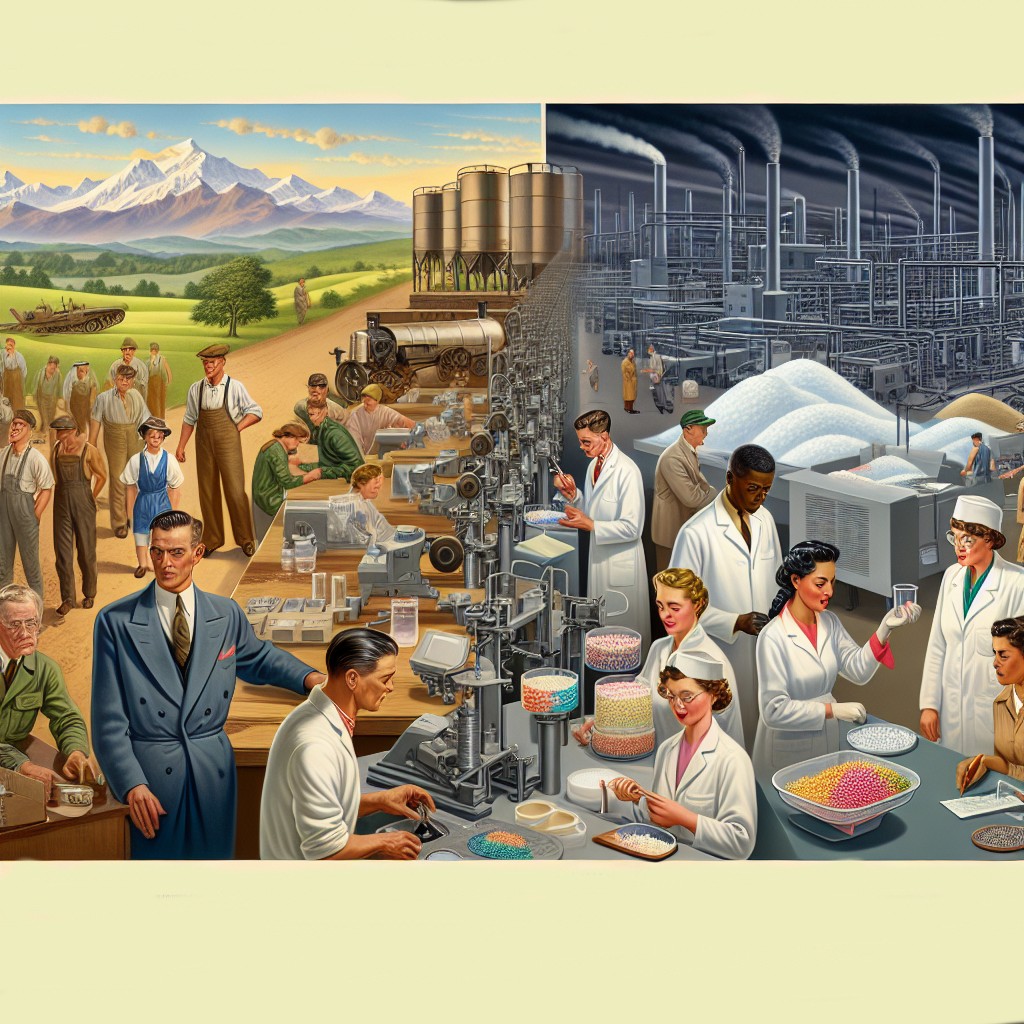
The polymer industry is a cornerstone of the global manufacturing landscape. Featuring a complex interplay of chemistry, technology, and economics, polymers form the backbone of countless products, from everyday consumer goods to advanced aerospace components. Polymers—whether natural, synthetic, or bio-based— offer flexibility, durability, and lightweight properties that have revolutionized numerous industries. Given these attributes, it’s no surprise that the market for polymers is not only vast but also highly competitive and dominated by multinational giants.
In the modern context, the polymer industry includes major sectors such as plastics, resins, adhesives, and elastomers. Leading multinational corporations play a predominant role in shaping market dynamics, steering research and development efforts, and setting the pace for innovation. Their expansive reach and resources make them pivotal players, often dictating trends and practices that smaller entities find challenging to emulate.
This comprehensive article delves into the key players within the polymer industry, examining their strategies, market influence, and contributions to advancing polymer technology. Understanding how these corporate behemoths operate provides indispensable insights for stakeholders, from investors and regulators to startups and academic researchers.
The Dominance of Multinational Corporations in the Polymer Industry
Multinational corporations (MNCs) dominate the polymer market, leveraging their extensive resources, advanced R&D capabilities, and global distribution networks. Companies like BASF SE, Dow Inc., and DuPont de Nemours, Inc. are some of the leaders that have established an indomitable presence, continually pushing the envelope in terms of innovation and market reach. These corporations possess the technological prowess and capital to influence global supply chains and actively shape market trends.
BASF SE, for instance, operates a highly diversified portfolio that spans various sectors from automotive to healthcare. Their vertically integrated operations allow them to maintain control over the entire production process, ensuring quality and cost-efficiency. Dow Inc. is another titan focusing on sustainability and innovation. Their initiatives in circular economy practices, such as recycling and waste management, make them leaders not just in market share but also in setting industry standards.
DuPont’s expertise lies in material science, excelling in high-performance polymers that find use in critical applications such as aerospace and electronics. Their foray into bio-based polymers marks a significant shift towards more sustainable options, illustrating how these corporations are not just reactive but proactive in addressing environmental challenges.
Pivotal Role of Research and Development
One of the critical advantages MNCs have over smaller companies is their robust R&D infrastructure. With R&D budgets running into billions of dollars annually, these corporations continually explore new materials, applications, and manufacturing processes. Advanced computational tools, state-of-the-art laboratories, and collaborations with academic institutions enable them to stay ahead of the curve.
Innovation is at the heart of the polymer industry, and leaders like BASF SE and Dow Inc. are consistently engaged in groundbreaking research. BASF SE, for example, employs more than 11,000 researchers globally and holds over 100,000 patents. Their focus on digitalization and smart manufacturing processes facilitates rapid development cycles and customization capabilities.
The introduction of new polymers, such as high-performance composites and biodegradable plastics, stems from such dedicated R&D efforts. By deploying advanced techniques like polymer characterization, rheology, and computational simulations, these companies can quickly scale prototypes to commercial production, thus maintaining their market edge.

Sustainability and Circular Economy Practices
As global awareness about environmental sustainability increases, MNCs in the polymer sector are at the forefront of adopting and setting new standards for sustainable practices. Dow Inc.’s commitment to reducing its carbon footprint by introducing recyclable and reusable products exemplifies this trend. By deploying closed-loop systems and developing biodegradable polymers, they are addressing both consumer demand and regulatory requirements.
Similarly, BASF SE’s “ChemCycling” project is an innovative approach to recycling mixed plastic waste. This initiative not only aims to reduce landfill waste but also represents a move towards a circular economy. Projects like these reflect a broader industry trend where leading corporations are increasingly factoring in eco-consciousness into their core business strategies.
Furthermore, the push for renewable resources in polymer manufacturing is gaining traction. DuPont’s bio-based solutions, derived from renewable agricultural feedstocks, offer a sustainable alternative to traditional petrochemical-based polymers. Such initiatives underscore the balancing act these corporations perform—driving business growth while committing to sustainable practices.
Market Strategies and Regional Influences
Multinational corporations often adopt a multi-pronged market strategy to sustain their dominance. These strategies include mergers and acquisitions, joint ventures, and strategic partnerships. By acquiring smaller, innovative companies, these giants not only expand their product portfolio but also secure cutting-edge technologies that may disrupt the market.
Regional dynamics also play a significant role in shaping these strategies. BASF SE has strategically placed production hubs in Europe, North America, and Asia, ensuring they can meet regional demands efficiently. Dow Inc. has substantial investments in emerging markets like India and Southeast Asia, providing them with a foothold in fast-growing economies.
Furthermore, trade policies, tariffs, and regional regulations influence how these corporations operate. Being well-versed with international trade laws and maintaining a flexible supply chain allows these MNCs to navigate complex geopolitical landscapes while sustaining profitability.
The Role of Digitalization in Polymer Manufacturing
In the era of Industry 4.0, digitalization is transforming how polymers are manufactured and distributed. Multinational corporations like BASF SE and Dow Inc. are investing heavily in smart manufacturing practices. These include the use of IoT (Internet of Things), AI-driven analytics, and robotics to optimize production efficiency and reduce operational costs.
Digital twins and advanced simulation models allow for real-time monitoring and rapid troubleshooting of manufacturing processes. By leveraging big data and predictive analytics, these companies can forecast market trends, optimize supply chains, and react swiftly to consumer needs.
Moreover, digital platforms facilitate enhanced collaboration both internally and with external stakeholders. For example, ecosystem partnerships for open innovation are becoming increasingly common. By engaging in collaborative R&D through digital platforms, these MNCs can accelerate innovation cycles and bring new products to market faster.
Challenges and Future Outlook
Despite their dominance, multinational corporations in the polymer industry face several challenges. Regulatory pressures, environmental concerns, and fluctuating raw material costs present ongoing obstacles. Also, rapidly changing consumer preferences and the advent of new competitors—particularly from regions like China—usher in additional complexities.
However, the future looks promising, driven by ongoing technological advancements and heightened focus on sustainability. Innovations in bio-based polymers, recyclable materials, and smart manufacturing will continue to define the landscape. As these multinationals invest in next-gen technologies and sustainable practices, their role in shaping the future of the polymer market remains instrumental.
Multinational corporations have both the responsibility and the capability to lead the polymer industry towards a more sustainable and innovative future. By leveraging their vast resources and forward-thinking strategies, these companies are well-positioned to address the challenges and harness the opportunities that lie ahead.
Conclusion
In conclusion, multinational corporations are the cornerstone of the polymer industry, driving innovation, sustainability, and global market trends. Companies like BASF SE, Dow Inc., and DuPont thrive on their extensive R&D capabilities, strategic market approaches, and commitment to sustainability, ensuring they remain at the forefront of the industry. Their ability to adapt to technological advancements and changing regulatory landscapes allows them to sustain their dominance while paving the path for the future.
Understanding the intricate dynamics of how these titans operate provides invaluable insights for anyone involved or interested in the polymer sector. From advanced R&D and smart manufacturing to sustainable practices and strategic regional influences, MNCs exemplify leadership in an increasingly complex and competitive market landscape. As new challenges and opportunities arise, these multinational corporations are well-equipped to navigate the future, ensuring continued growth and innovation in the polymer industry.