The polymer industry is a vital segment of the global manufacturing landscape. Polymers are indispensable materials used across countless applications, spanning from everyday household items to high-performance engineering components. As such, understanding the properties of polymers, particularly their thermal characteristics, is crucial for ensuring their optimal performance in various demanding environments.
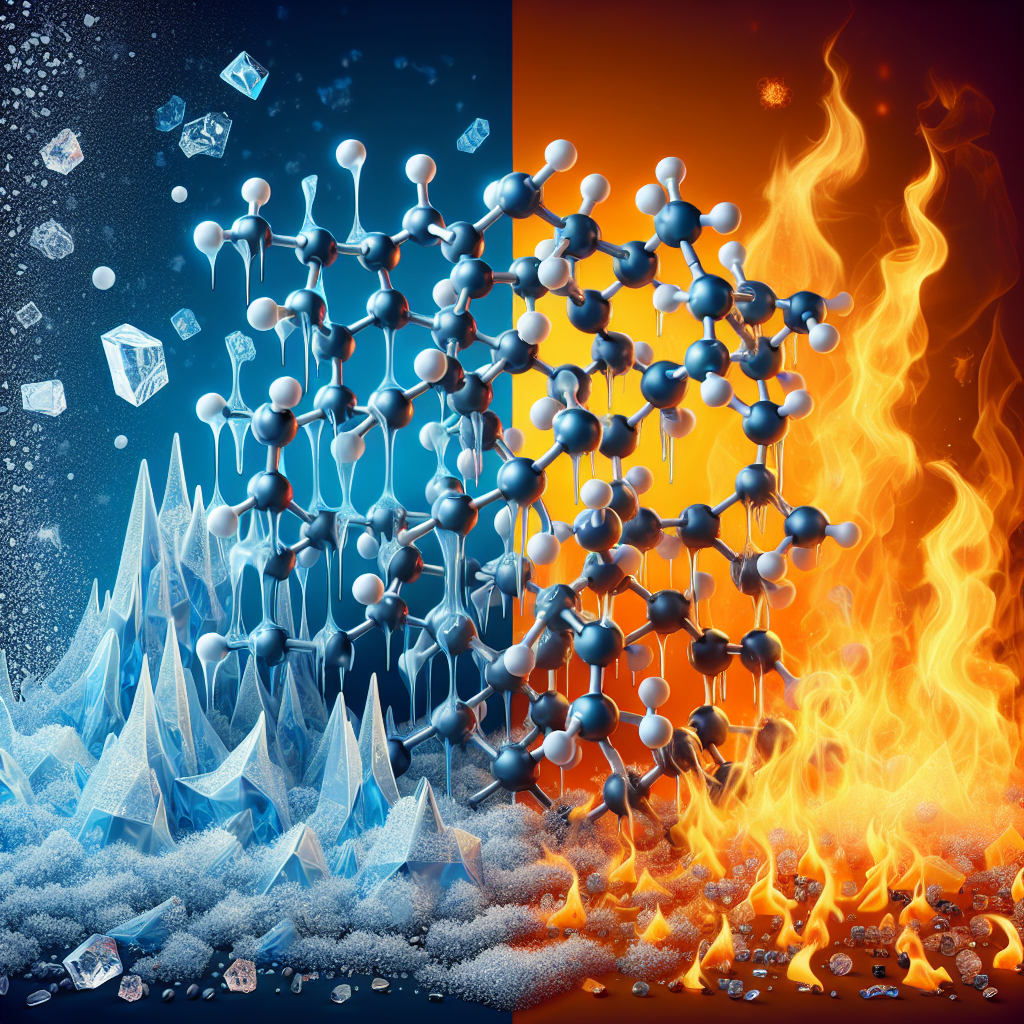
Modern polymers are a marvel of chemical engineering; they offer unprecedented versatility due to their customizable molecular structure. However, despite their wide usability, one aspect that consistently presents both challenges and opportunities is how these materials behave under extreme temperatures. Whether deployed in frigid Arctic conditions or under the searing heat of a desert, the thermal performance of polymers can significantly affect their operational reliability and lifespan.
Extreme temperature environments can induce a range of physical and chemical changes in polymers. These changes may impact the material’s mechanical properties, such as strength, flexibility, and toughness, as well as other vital attributes like chemical resistance and degradation rates. Hence, it’s essential for material scientists, engineers, and industrial designers to thoroughly comprehend thermal behaviors to make informed decisions.
This article dives deep into the world of polymers and their performance in extreme temperatures. We’ll explore key materials used within the industry, analyze their thermal properties, and examine how these properties change under the influence of extreme heat and cold. Additionally, we’ll look at innovations and modifications that enhance thermal resistance, ensuring polymers efficiently meet the demands of severe environmental conditions.
Understanding Polymer Thermal Properties
At the heart of polymer performance in extreme environments lies a set of intrinsic thermal properties. These include thermal conductivity, heat capacity, and glass transition temperature (Tg), along with softening and melting points. Each of these properties plays a pivotal role in determining how a polymer will react when subjected to temperature extremes.
Thermal Conductivity: This measure reflects the ability of a polymer to conduct heat. Most polymers exhibit low thermal conductivity, making them good insulators. However, this minimal heat transfer rate can result in poor heat dissipation, which might be detrimental in high-temperature applications.
Heat Capacity: This property indicates the amount of heat a polymer can absorb before its temperature rises. A high heat capacity is generally useful, as it enables the material to withstand significant thermal energy without rapid temperature spikes.
Glass Transition Temperature (Tg): The Tg is the temperature at which a polymer transitions from a hard, glassy material to a soft, rubbery state. Below the Tg, the polymer is brittle, while above it, the polymer becomes flexible and impact-resistant. For thermosetting polymers, another key metric is the curing temperature, dictating the thermal environment during their formation.
Together, these properties provide a foundational understanding of how polymers interact with heat. Yet, how these properties manifest in real-world conditions includes a myriad of factors such as the speed of temperature change, specific chemical compositions, and even the presence of other materials or reinforcements.
Performance in High-Temperature Environments
High-temperature conditions often pose significant challenges for polymers. Heat can induce material softening, chemical degradation, and even a complete loss of structural integrity. Understanding these risks is crucial for applications such as automotive parts, industrial machinery, and aerospace components.
Thermal Degradation: When exposed to elevated temperatures, polymers can undergo chemical breakdown, resulting in loss of mechanical properties and discoloration. This degradation manifests via thermal oxidation, whereby the polymer chains break down in the presence of oxygen, creating free radicals and altering the molecular structure.
Material Softening: Plastics like polyethylene and polypropylene have relatively low melting points. As temperatures rise, these materials soften, lose load-bearing capacity, and may even flow, causing deformation or complete failure in structural applications.
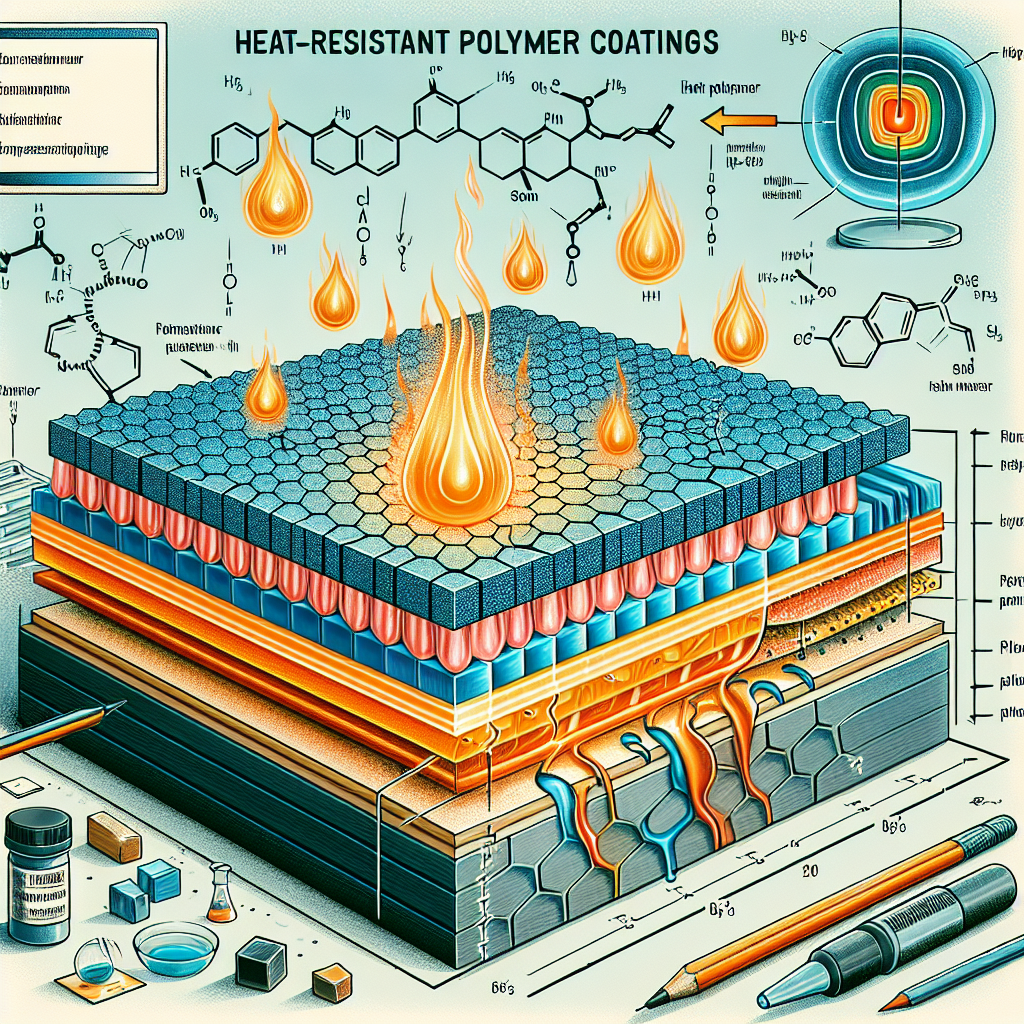
High-Performance Polymers: For extreme heat applications, high-performance polymers such as polyimides, polyether ether ketone (PEEK), and Teflon (PTFE) are advantageous. These materials exhibit superior thermal stability, maintaining mechanical integrity and functionality at temperatures exceeding 300°C.
To enhance thermal resistance, material scientists often incorporate fillers like glass fibers, carbon fibers, or ceramic particles into polymer matrices. These composites improve heat stability and maintain mechanical strength, expanding polymer applications into even higher temperature domains.

Performance in Low-Temperature Environments
While high temperatures present unique challenges, low temperatures also have significant impacts on polymer performance. Applications in colder climates, such as cryogenic storage, polar research, or outer space missions, require materials that remain functional at sub-zero temperatures.
Embrittlement: At low temperatures, many polymers become brittle, significantly reducing their impact resistance and flexibility. The reduction in ductility can result in cracks and fractures under mechanical stress.
Glass Transition Temperature: The polymer’s glass transition temperature (Tg) is especially relevant here. Materials with low Tg values, such as silicones and certain elastomers, maintain their flexibility and performance even at very low temperatures.
Cryogenic Polymers: For ultra-cold environments, cryogenic polymers like certain grades of polyethylene (PEX) and PTFE remain viable options. These materials exhibit minimal thermal contraction and maintain integrity under the extreme cold, making them ideal for applications involving liquefied gases.
Innovations in polymer chemistry have led to the development of more resilient materials. Cross-linking polymers, creating amorphous regions within the polymer matrix, and using plasticizers are all techniques used to enhance low-temperature performance and combat brittleness.
Applications and Case Studies
The application of polymers in extreme temperature environments is a topic of significant industrial and scientific interest. From the surface of Mars to the depths of the ocean, polymers play a critical role in advancing technology and addressing human needs. Here are some notable applications and case studies showcasing polymer performance.
Automotive Industry: Modern cars consist of numerous polymer components, from engine parts to interior materials. Components like polyamide (Nylon) are used for their excellent heat resistance and mechanical properties. For instance, under-the-hood applications often require materials that can withstand temperatures exceeding 150°C, and nylon grades enhanced with glass fiber fulfill this role.
Aerospace Applications: In aerospace engineering, weight and thermal tolerance are paramount. High-performance polymers like PEEK are utilized for their lightweight and high-temperature resistance. For example, PEEK components are used in aircraft engines, where temperatures can soar above 260°C while necessitating minimal material deformation and stable mechanical performance.
Consumer Electronics: Polymers in electronics must not only handle heat generated by device operation but also withstand external temperature variations. High thermal-conductivity polymers are being developed to replace traditionally metal-based heat sinks, ensuring gadgets operate efficiently without thermal throttling or failures.
Real-world case studies continually demonstrate the importance of selecting the right polymer for the job. One notable instance involved a Canadian oil pipeline, where polyethylene pipes were employed due to their superior performance in freezing temperatures. These pipes showed remarkable resilience during harsh winters, underscoring polyethylene’s suitability for such extreme environments.
Innovations in Thermal Resiliency
The future of polymers in extreme temperature environments is promising, driven by ongoing research and innovation. New materials and techniques continually evolve to address the challenges of both high and low-temperature applications, pushing the boundaries of performance and reliability.
Nanocomposites: Incorporating nanotechnology into polymer science has opened new avenues for enhancing thermal properties. Nanocomposites incorporate nanoparticles like carbon nanotubes, silica, or graphene into polymer matrices. These additions can significantly increase thermal stability and conductivity, advancing the capabilities of polymers in demanding applications.
Self-Healing Polymers: Another exciting development is the creation of self-healing polymers capable of repairing themselves when subjected to mechanical damage. These materials can restore structural integrity without human intervention, making them invaluable in extreme conditions where maintenance is challenging.
Advanced Cross-Linking: Innovations in cross-linking techniques are enhancing the performance of thermosetting polymers. Advanced cross-linking improves the polymer network’s density, resulting in materials that exhibit superior thermal and mechanical stability even under extreme conditions.
Thermally Conductive Polymers: Researchers are actively working on improving the thermal conductivity of polymers. Developing polymers with metal-like thermal properties could revolutionize industries such as electronics, providing efficient heat dissipation in increasingly compact and powerful devices.
Continuous innovation ensures that polymers will not only meet current demands but also adapt to future challenges, fostering new applications and maintaining their paramount role in technological advancement.
Conclusion
The performance of polymers in extreme temperature environments is a critical consideration for many industries. Whether ensuring the durability of components in high-temperature automotive engines or maintaining flexibility in the cryogenic conditions of space, understanding and optimizing the thermal properties of polymers is essential.
Advances in material science continue to expand the horizons of what polymers can achieve. From high-performance polymers like PEEK and polyimides to innovative nanocomposites and self-healing materials, the future is bright for these versatile compounds. Engineers and designers must stay abreast of these developments to make informed choices, ensuring their applications achieve the highest standards of performance and reliability.
Ultimately, as our technology advances and our environments become more demanding, the role of polymers will only grow more significant. By leveraging a deep understanding of thermal properties and continuous innovation, the polymer industry stands poised to meet the challenges of tomorrow, delivering materials that thrive in the most extreme conditions.
Polymers undoubtedly play a paramount role in our modern world. Their ability to perform in a variety of temperature extremes ensures they remain at the forefront of materials science and engineering. As this field evolves, it promises further advancements that will continue to revolutionize numerous industries and applications.