Biodegradable polymers have emerged as a promising solution to the growing environmental concerns associated with traditional plastics. Unlike conventional polymers, biodegradable polymers break down through natural processes, minimizing their ecological footprint. They are designed to decompose in a manner that is compatible with the environment, thereby reducing pollution and waste. As modern society becomes increasingly aware of the necessity for sustainable materials, the development of biodegradable polymers has gained significant momentum. These biopolymers are derived from renewable resources, such as plant-based materials, and they offer an alternative to petroleum-based plastics that persist in the environment for hundreds of years. Recent advancements in chemistry, biotechnology, and materials science have spurred innovation in biodegradable polymer development, leading to more efficient, versatile, and cost-effective products. This article explores the key innovations in biodegradable polymer development, examining breakthroughs in materials technology, production processes, and applications. These innovations hold the potential to revolutionize the plastics industry, paving the way for sustainable material cycles that align with circular economy principles. By leveraging cutting-edge technologies, researchers are crafting biopolymers that not only reduce the environmental impact but also meet the performance requirements of various applications, from packaging to medical devices. Such advancements are critical to tackling the plastic waste crisis and fostering a more sustainable future.
Advancements in Polymer Synthesis and Design
One of the most significant innovations in biodegradable polymer development is the advancement in polymer synthesis and design. Modern techniques in chemistry and biotechnology have allowed for the creation of polymers with specific degradation profiles tailored to specific applications. For instance, the utilization of polylactic acid (PLA), polycaprolactone (PCL), and polyhydroxyalkanoates (PHAs) has been widely explored. Each of these materials offers distinct properties and degradation rates, making them suitable for different uses from agricultural films to biomedical implants.
Recent advancements also involve copolymerization strategies, where different types of monomers are polymerized together to achieve a blend of desirable properties. Such strategies enable the customization of material properties, including mechanical strength, flexibility, and thermal stability, enhancing the functional capabilities of biodegradable polymers. The ability to fine-tune these characteristics is crucial in expanding the application spectrum of biodegradable polymers beyond traditional uses.
Biodegradable polymers are also being tailored on a molecular level through innovations in surface modification techniques. These advancements are pivotal because they allow scientists to modify the polymer surface to enhance compatibility with various environmental factors, such as soil microbes or moisture. Such surface modifications enhance the ease and speed of biodegradation, making the polymers even more environmentally friendly.
Moreover, the incorporation of nanotechnology in biodegradable polymer development has opened new avenues for innovation. The integration of nanoparticles can enhance the physical properties of polymers, such as durability and resistance to environmental stressors, without hindering their biodegradability. This intersection of nanotechnology and polymer science is pushing the boundaries of what can be achieved in terms of performance and sustainability.
Enhancements in Production Techniques
Innovations in production techniques have significantly improved the cost-effectiveness and scalability of biodegradable polymer manufacturing. Traditional manufacturing methods for biodegradable polymers can be costly, making them less competitive with petroleum-based counterparts. However, recent improvements in production processes are changing this narrative.
One notable advancement is the adoption of fermentation processes that utilize bacteria to produce biopolymers, particularly PHAs, in a more energy-efficient and sustainable manner. These processes not only reduce reliance on fossil fuels but also utilize agricultural waste as a feedstock, thereby integrating waste refinery techniques that promote circularity in material use.
Additionally, continuous polymer production methods are being explored to increase the efficiency and reduce the costs associated with biodegradable polymer production. These methods streamline the production process by minimizing downtime and maximizing output efficiency, thus reducing the overall environmental footprint of biopolymer manufacturing.
Additive manufacturing, or 3D printing, has also been employed to produce complex biodegradable polymer items. This technique allows for the precise control of material placement, reducing waste and optimizing material usage. The precision afforded by 3D printing is particularly beneficial for applications in sectors like biomedical engineering, where custom-shaped biodegradable implants can be tailored to patient-specific needs.
Breakthroughs in Applications and Market Expansion
The applications of biodegradable polymers have expanded substantially thanks to recent breakthroughs in their development. Packaging remains one of the largest markets for biodegradable polymers, driven by societal demand for sustainable alternatives to plastic. Innovations in material design allow these biodegradable polymers to satisfy performance criteria, such as barrier protection and durability, expected of packaging materials.
The biomedical industry has also witnessed remarkable innovations in the use of biodegradable polymers. They are increasingly being utilized for drug delivery systems, where controlled degradation can release therapeutics over time, and in tissue engineering, where biodegradable scaffolds support tissue regeneration processes without the need for surgical removal.
Unique applications in agriculture are emerging, where biodegradable polymers are used in the form of films and meshes to enhance crop yield while contributing to soil quality upon degradation. This aligns with the goals of sustainable agriculture by integrating materials that minimize negative environmental impacts.
The automotive and electronics industries have begun exploring biodegradable polymers for components that do not compromise on performance while offering environmental benefits at the end of their lifecycle. Although still in the nascent stages of adoption, this signifies a shift towards using more sustainable materials in traditionally non-sustainable sectors.
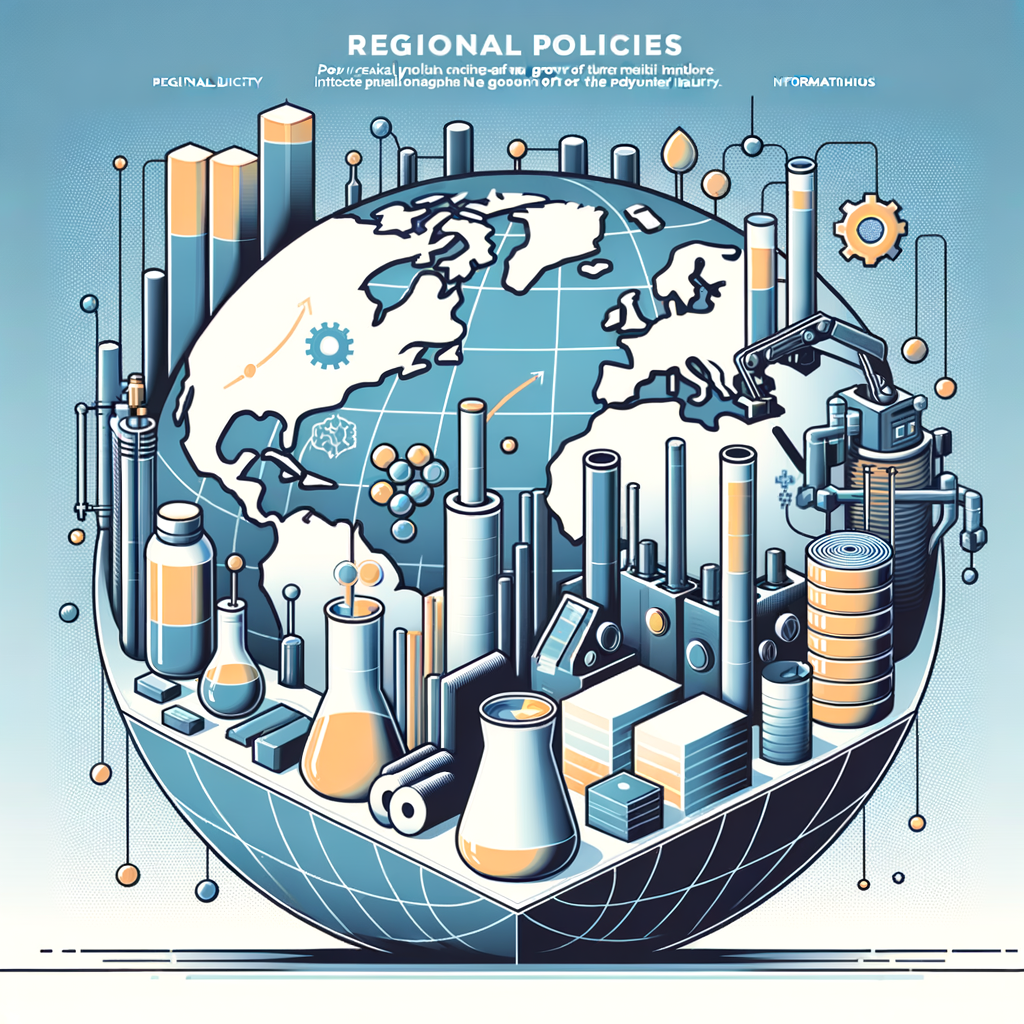
Market expansion of biodegradable polymers has been supported by evolving policies and standards focused on reducing plastic waste. Many countries are implementing strict regulations on non-biodegradable plastics, thereby encouraging the adoption and innovation of biodegradable alternatives. As such, the global biodegradable polymer market is projected to experience significant growth in the coming years.
Overcoming Challenges and Future Directions
Despite these advancements, the development of biodegradable polymers is not without its challenges. One major hurdle is the balance between achieving cost-effectiveness and maintaining desirable material properties. Many biodegradable polymers, while sustainable, still face limitations in strength, thermal resistance, and processing capabilities when compared to their conventional counterparts.
Research is actively underway to overcome these challenges, with scientists exploring novel monomer combinations, cross-linking methods, and composite materials that offer enhanced performance without sacrificing biodegradability. There is also an emphasis on reducing production costs through innovations in feedstock utilization and process optimization to make biodegradable polymers more competitive.
Another challenge lies in the standardization and certification of biodegradability. Not all biodegradable polymers degrade at the same rate or under the same conditions. The establishment of universal standards and certifications will be crucial to ensure that materials marketed as biodegradable meet the necessary environmental criteria.
Looking to the future, there is great potential for biodegradable polymers to play a pivotal role in a sustainable materials economy. Advancements in biotechnology, such as the use of genetically modified organisms to produce monomers, promise to enhance the efficiency of biodegradable polymer production further. There is also potential in formulating smart biodegradable polymers that can change properties or degradation rates in response to environmental triggers, broadening their application scope.
Conclusion
Innovations in biodegradable polymer development are paving the way for more sustainable and environmentally responsible materials. Through advancements in polymer synthesis, production techniques, and application expansion, the industry continues to make strides in overcoming traditional limitations associated with biopolymers. The future of biodegradable polymers holds immense potential, not only in reducing plastic pollution but also in driving the transition to a circular economy where materials are reused and recycled with minimal environmental impact. It is essential that ongoing research continues to address existing challenges, such as material performance and cost barriers, while maintaining an emphasis on environmental responsibility. As policies and societal attitudes increasingly favor sustainable solutions, biodegradable polymers stand ready to offer viable alternatives across a multitude of sectors. The journey towards a more sustainable world is complex, but innovations in biodegradable polymer development serve as a critical step in the right direction, promising cleaner, healthier ecosystems for future generations.