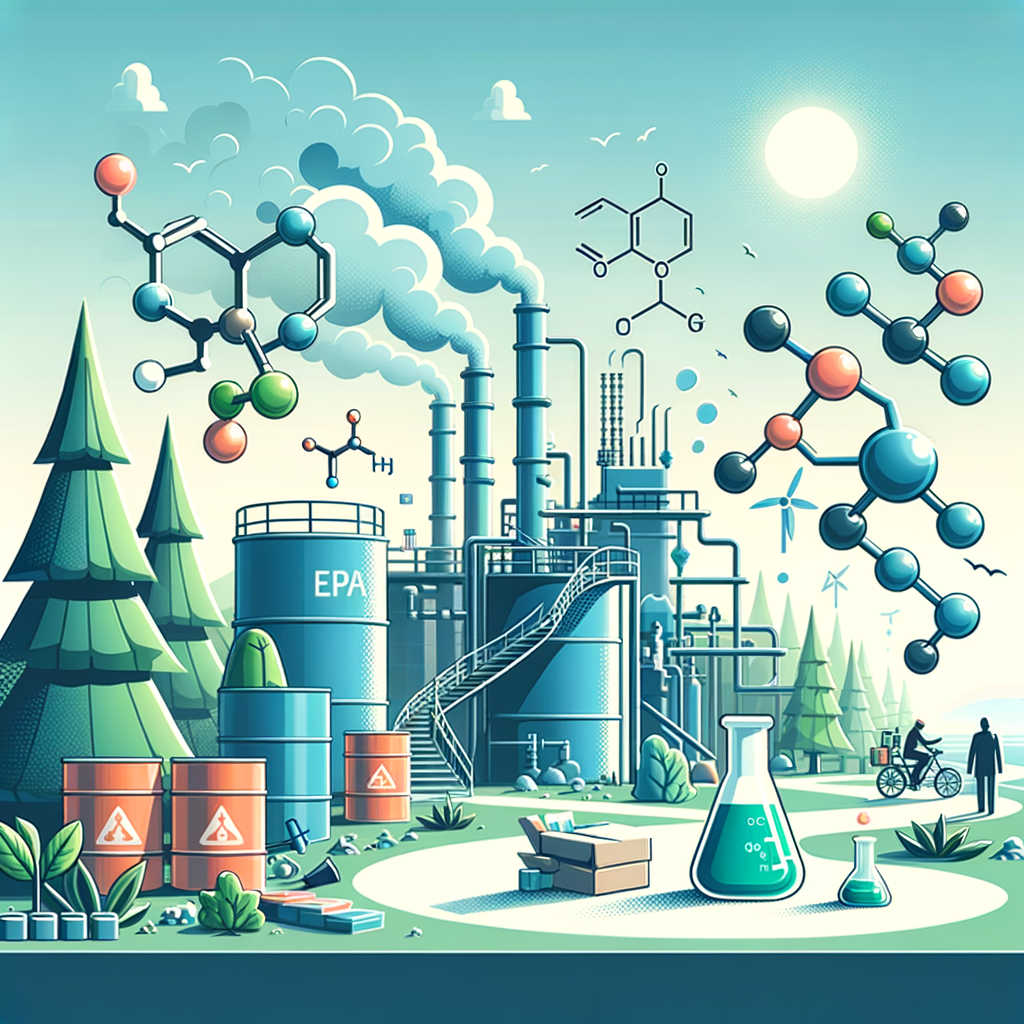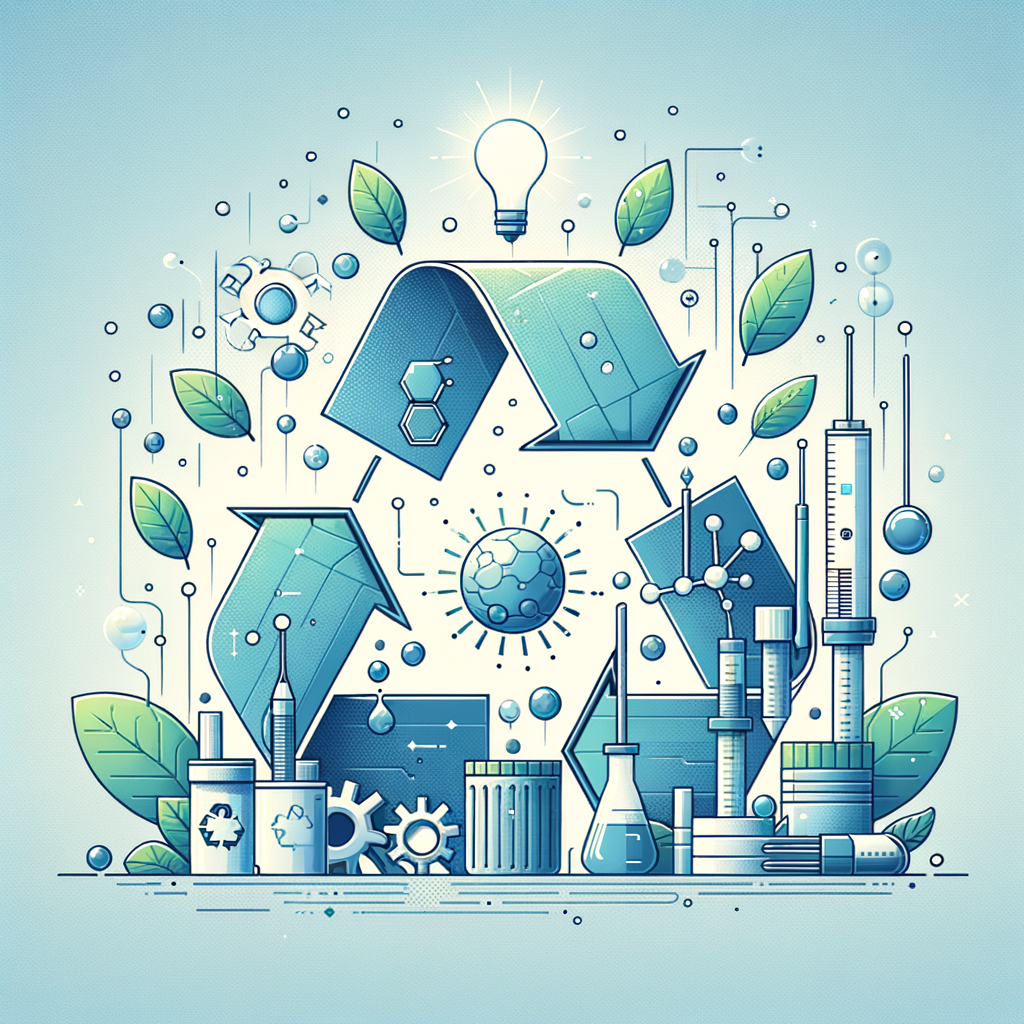
The world is increasingly recognizing the role of biopolymers in sustainable development. As we strive to reduce our reliance on fossil fuels and decrease our environmental footprint, biopolymers emerge as crucial players in various industries, offering a biologically sourced alternative to conventional plastics. However, the disposal and recycling of these materials pose unique challenges and opportunities. Understanding and advancing the recycling of biopolymers not only propels us toward a more sustainable future but also opens doors to innovative applications and technologies. Innovations in biopolymer recycling are not just about managing waste more efficiently; they are about redefining material life cycles, enhancing biodegradability, and integrating new technologies for better efficacy. Herein, we explore the cutting-edge developments in biopolymer recycling, the techniques employed, advancements in technology, and their implications for a sustainable tomorrow. With increasing environmental legislation and the global push for more sustainable solutions across all sectors, the need for effective recycling methods that can handle the unique properties of biopolymers becomes critical. This article delves into these innovations and the path that lies ahead for biopolymer recycling.
Advancements in Biological Recycling Techniques
Biological recycling techniques leverage microorganisms and enzymes to break down biopolymers into their constituent parts. This method proves advantageous as it mimics the natural decomposition processes, offering an eco-friendly solution to recycling. A major innovation is the development of engineered microbial strains specifically tailored to target biopolymers such as polylactic acid (PLA) and polyhydroxyalkanoates (PHA). These microbes are programmed to efficiently metabolize these materials, speeding up the recycling process compared to traditional methods. Additionally, researchers have been successful in isolating novel enzymes capable of breaking down complex polymer chains into simpler monomers. These advancements not only optimize the recycling process but also improve the quality of recycled products by ensuring the complete breakdown of polymers into their purest forms.
Another significant progression in biological recycling is the employment of consortia of microbes working symbiotically. This collaborative approach enhances the efficiency and versatility of biopolymer recycling. Each microorganism within the consortium performs a specific task in breaking down the polymer, thus ensuring a more comprehensive decomposition. The adaptability of these microbial consortia to different environmental conditions also makes biological recycling a promising method for diverse geographical locations.
Mechanical and Chemical Recycling Processes
While biological recycling offers a nature-inspired approach, mechanical and chemical recycling techniques present traditional yet evolving methods to manage biopolymer waste. Mechanical recycling involves the physical processing of biopolymer waste, including sorting, shredding, and remelting. The process is relatively straightforward but can be challenging when dealing with mixed waste streams and contaminants.
Chemical recycling provides a solution to the limitations of mechanical recycling by breaking biopolymers down into their chemical constituents through processes like hydrolysis, glycolysis, and pyrolysis. Continuous research and development have resulted in more efficient and selective catalysts that can drive these reactions under milder conditions, significantly reducing energy consumption and increasing yield. Such advancements are particularly beneficial for polymers with intricate architectures, which are otherwise difficult to decompose using mechanical or traditional chemical methods.
Furthermore, hybrid recycling methods that combine mechanical and chemical processes are gaining traction. By initially employing mechanical techniques to sort and preprocess the polymers, followed by chemical methods to degrade them, recyclers can maximize material recovery and minimize waste.
Integration of Artificial Intelligence and Machine Learning
The incorporation of artificial intelligence (AI) and machine learning (ML) into biopolymer recycling offers innovative solutions and heightened efficiency. AI and ML models are being developed to optimize the sorting processes, a crucial step in recycling. These technologies can accurately identify and classify biopolymers from conventional plastics, thus reducing contamination and improving the quality of recycled materials.
Additionally, machine learning algorithms are being employed to predict degradation patterns and recycling outcomes based on varied polymer compositions. Such predictive capabilities allow for adjustments in the recycling process in real-time, enhancing overall process efficiency and product quality. AI tools are also pivotal in research, facilitating the design of smarter and more efficient biopolymer recycling methods by analyzing vast amounts of data and deriving actionable insights.
Nanotechnology in Biopolymer Recycling
Nanotechnology is revolutionizing biopolymer recycling by introducing nanomaterials that can aid in the breakdown of polymers or enhance the properties of recycled biopolymers. For instance, nanomaterials like zinc oxide and titanium dioxide have been incorporated as catalysts in photodegradation processes to accelerate biopolymer decomposition. These catalysts harness sunlight, providing an energy-efficient route to polymer degradation.
Moreover, nanotechnology is being used to develop advanced filtration systems capable of purifying recycled biopolymers by removing contaminants at the nanoscale. These filters ensure that the recycled biopolymers meet stringent quality standards required for reuse, especially in industries such as packaging and healthcare.
Adding nanomaterials to recycled biopolymers can also enhance their mechanical properties, bringing them closer to or even surpassing those of original materials. This enhancement widens the application scope of recycled biopolymers, making them more attractive to various industries.
Environmental and Economic Benefits
Innovations in biopolymer recycling not only address ecological challenges but also contribute significantly to the economy. Efficient recycling methodologies reduce landfill waste, lower greenhouse gas emissions, and decrease the reliance on virgin materials. These ecological benefits translate to economic savings for manufacturers and consumers alike.
Additionally, the recycling sector itself offers job opportunities, fostering economic development. As technologies evolve, the demand for skilled personnel in recycling facilities increases, stimulating job creation. Moreover, recycled biopolymers present a cost-effective alternative for businesses looking to adopt sustainable materials, often being cheaper than producing or purchasing new biopolymers from scratch.
Investment in biopolymer recycling technologies also spurs innovation across industries. Companies are incentivized to develop even more sustainable products and practices, creating a positive feedback loop that benefits both the economy and the environment.
Policy and Regulatory Perspectives
Government policies and regulations play a crucial role in shaping the landscape of biopolymer recycling. Regulations mandating the use of a certain percentage of recycled materials in products push manufacturers to adopt eco-friendly practices, thereby accelerating innovations in recycling technology. The increasing adoption of extended producer responsibility (EPR) schemes requires companies to manage the end-of-life of their products, encouraging them to invest in recycling technologies.
Governments also play a significant role by providing funding and incentives for research into innovative recycling methods, supporting pilot projects, and establishing recycling infrastructure. Such initiatives are pivotal in overcoming the initial high costs associated with the development and implementation of new technologies.
International collaboration on policy development helps standardize efforts and practices, making the recycling of biopolymers more coherent and effective across borders. Such cooperation is critical as global supply chains often make it necessary to tackle recycling challenges on an international scale.
Conclusion
Biopolymer recycling innovations represent a significant leap toward achieving a circular economy, where materials are continually reused, minimizing waste and environmental impact. The rapid advancements across biological, mechanical, chemical, and hybrid recycling methods reflect a growing commitment to sustainability and innovation. By integrating technologies like AI, ML, and nanotechnology, the efficiency and scope of biopolymer recycling continue to expand, promising a future where biopolymers can sustainably replace conventional plastics on a large scale. The environmental, economic, and policy-related advancements in this field illustrate a synergistic approach to problem-solving, demonstrating the multifaceted efforts required for effective recycling solutions.
Looking ahead, continued investment in recycling technologies, supportive policy frameworks, and mounting global awareness will drive future innovations. As industries and consumers become more eco-conscious, the demand for efficient biopolymer recycling will only increase, prompting further research and new breakthroughs. Ultimately, the strides made in biopolymer recycling underscore the potential for technological evolution to resolve ecological challenges, paving the way for sustainable development and a healthier planet.