In recent years, the packaging industry has undergone a paradigm shift, driven by the demand for more sustainable, efficient, and effective packaging solutions. Among the multiple streams of innovation within the industry, high-barrier polymers have emerged as a pivotal focus due to their ability to dramatically enhance the protective capabilities of packaging. These materials are designed to provide robust barriers against moisture, oxygen, and other environmental factors, thereby extending the shelf-life of products while maintaining their quality. This is of particular importance in the food, pharmaceutical, and electronics industries, where product integrity is critical. Understanding the advancements in high-barrier polymer technologies can provide insights into how the packaging sector is evolving to meet both consumer and environmental demands.
High-barrier polymers present compelling solutions by combining lightweight characteristics with superior protective properties, thus reducing the environmental footprint while optimizing product preservation. Additionally, their role in fighting food waste by extending product shelf-life cannot be understated. This article explores the latest innovations in high-barrier polymers for packaging, examining material science breakthroughs, sustainability considerations, and industry applications. With an elaborate discussion on these fronts, we aim to highlight how these materials are revolutionizing packaging and opening new venues for industries seeking to enhance their product offerings by leveraging cutting-edge protection technologies.
Innovations in Material Science
At the heart of advancements in high-barrier polymers lies breakthrough material science. Recent innovation has led to the development of polymer blends and multilayer films, which offer enhanced barrier properties. These often involve the combination of traditional polymers such as polyethylene (PE), polyethylene terephthalate (PET), and polyvinyl chloride (PVC) with advanced materials like ethylene vinyl alcohol (EVOH), metallized films, and nanocomposites. EVOH, in particular, has gained attention due to its excellent oxygen barrier properties, which are critical for food packaging applications where the prevention of oxidation is a priority.
Nanothermoplastic composite films are another significant innovation within this space. These films leverage nanoparticles, which have exceptional gas barrier properties due to their large surface area compared to their volume. By embedding nanoparticles in polymers, the path that gas molecules travel is significantly extended, reducing the permeability of the film. This method not only improves the barrier properties but also enhances the mechanical strength of the films, making them more durable and resistant to wear and tear.
Furthermore, bio-based polymers are increasingly being developed as high-barrier solutions, responding to the consumer and regulatory pressures for more environmentally sustainable packaging. Innovations in this area include polymers derived from renewable resources, such as polylactic acid (PLA) and polybutylene succinate (PBS), which can be combined with barrier-enhancing additives to match the effectiveness of conventional high-barrier films. These bio-based solutions represent a critical area of innovation to meet sustainability targets without sacrificing performance.
Sustainability and Environmental Impact
As the world grapples with environmental concerns, there is an increased emphasis on developing high-barrier polymers that are not only effective but also environmentally responsible. In response to these demands, considerable research has been directed toward biodegradable high-barrier materials, alongside recycling-compatible polymers that fit seamlessly into existing waste management systems.
The use of bio-derived and compostable materials reduces reliance on fossil fuels and diminishes the carbon footprint associated with conventional plastic production. There is also the adoption of barrier coating technologies, where instead of multilayer composites, a single polymer layer is enhanced with a thin barrier coating. This simplification facilitates recycling and reduces material complexity, contributing to more sustainable packaging solutions.
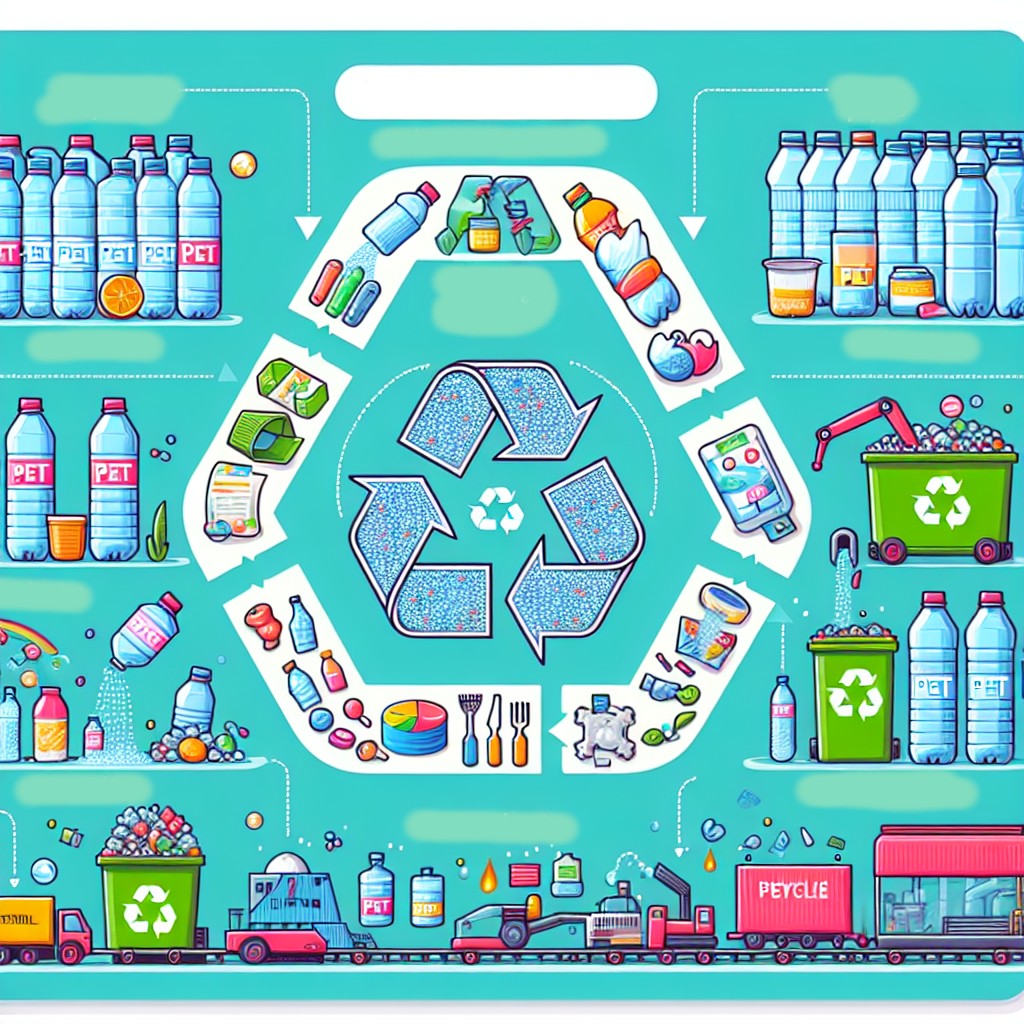
Efforts to improve the recyclability of high-barrier polymers include the development of mono-material packaging. By using a single polymer, typically enhanced through additives, these innovations promote more straightforward recycling processes. This shift is pivotal as it aligns with the circular economy model, seeking to keep materials in use for as long as possible while minimizing waste generation. However, achieving this without compromising functional benefits remains a significant challenge and focus for ongoing research and development.
Applications Across Industries
High-barrier polymers are making significant inroads across various industry sectors, each with unique requirements and implications. In the food sector, these materials are indispensable due to their role in prolonging product freshness. For instance, vacuum-packaged meats, cheese, and other perishables benefit greatly from advanced barrier properties that prevent spoilage and contamination. Similarly, sensitive electronics require packaging that can protect against moisture and environmental exposure, ensuring device integrity from factory to consumer.
The pharmaceutical industry also showcases the critical importance of high-barrier polymers. Pharmaceuticals demand packaging that can provide robust protection against oxygen and moisture ingress to safeguard drug potency and shelf life. The intricacies involved in pharmaceutical packaging highlight the need for precise and reliable barrier performance, which advanced polymers provide. This drives innovation in developing bio-compatible and safe materials that meet strict regulatory standards while providing outstanding barrier protection.
Additionally, in the cosmetics industry, packaging innovation is being influenced by high-barrier polymers to maintain the freshness and efficacy of sensitive ingredients. By providing a formidable shield against air and light, these materials help in preserving the texture and effectiveness of cosmetic products over time, which is crucial given the intricate compositions of modern cosmetics.
Industry Challenges and Future Directions
Despite significant advancements, there are several challenges that the industry must navigate to fully exploit high-barrier polymers’ potential. The primary challenge is balancing performance with environmental responsibility. While developing new materials that offer improved barrier properties, there is a pressing need to ensure these materials do not exacerbate the environmental crisis. This means investing in R&D to enhance the sustainability of high-barrier solutions without compromising efficacy.
Another challenge lies in the commercialization and cost of new materials. Advanced polymers can be expensive to produce, and their adoption is often limited by cost considerations. For widespread market adoption, initiatives to scale up production and reduce material costs while maintaining superior functionality are essential. This effort requires collaborative partnerships across the supply chain, combining the expertise of scientists, manufacturers, and end-users to drive efficient solutions to market.
The future direction for high-barrier polymers is clear: these materials must be developed in ways that prioritize environmental sustainability even further while catering to evolving consumer and regulatory demands. Breakthroughs in technology such as smart packaging, which incorporates sensors or indicators to monitor product conditions, represent an exciting avenue for growth. Integration with digital platforms to enhance traceability and quality assurance is also being explored, allowing packaging to contribute to broader supply chain improvements.
Conclusion
Innovations in high-barrier polymers for packaging are shaping the future of multiple sectors by providing sustainable, efficient, and adaptable materials. The balance between meeting performance requirements and addressing environmental challenges is driving ongoing research and technological advancements. As consumers and industries continue to prioritize sustainability without sacrificing quality, the development of high-barrier polymers stands at the forefront of packaging innovation, promising to deliver smart, responsible, and durable solutions.
Future efforts will likely focus on enhancing the integration of these materials within comprehensive packaging solutions that support circular economy principles. The industry’s progress in developing high-barrier polymers that adapt to dynamic market requirements and sustainability goals reflects an exciting period of transformation. As these materials become more sophisticated, they provide an essential tool in the industry’s bid to meet contemporary consumer expectations while championing environmental stewardship. Through continued innovation, high-barrier polymers will continue to empower industries with enhanced packaging efficiencies, driving sustainable growth in a resource-constrained world.
Frequently Asked Questions
1. What exactly are high-barrier polymers and why are they important in packaging?
High-barrier polymers are specialized materials used in packaging that provide superior protection against environmental elements such as moisture, oxygen, UV light, and contaminants. These polymers are crucial because they significantly extend the shelf life of products, especially consumables like food and pharmaceuticals. By acting as a formidable barrier, they prevent degradation and spoilage, ensuring the product remains fresh and effective until consumption. The importance of these polymers in packaging can’t be overstated, as they not only enhance product safety but also contribute to the reduction of food waste and preserve overall product quality. Beyond food applications, these barriers are essential for packaging sensitive electronics and other goods that require protection against environmental factors.
2. How do innovations in high-barrier polymers contribute to sustainability in packaging?
The push for sustainability in packaging is transformative, and high-barrier polymers are at the forefront of this change. Innovations in this area are centered around developing materials that are both effective and environmentally friendly. By improving barrier efficiency, less material can be used to achieve the same level of protection, reducing overall material consumption and waste. Additionally, research is heavily focused on creating biodegradable and recyclable barrier solutions. For instance, replacing traditional petroleum-based polymers with bio-based alternatives not only reduces the carbon footprint but also facilitates easier recycling processes. These innovations are critical, as they address the need for packaging that minimally impacts the environment without compromising on performance and protective qualities.
3. What are some of the most recent discoveries in high-barrier polymer technology?
The landscape of high-barrier polymer technology is rapidly evolving with several noteworthy advancements. One significant breakthrough is the development of nanocomposite materials, which incorporate nano-sized particles to enhance barrier properties without adding bulk. These materials exhibit excellent gas and moisture barrier performance. Another exciting development is in the realm of responsive barriers, which change their permeability in response to specific environmental triggers, offering customizable protection dynamics. Additionally, the integration of intelligent layers that can monitor and indicate the freshness of the product is becoming more prevalent. Such intelligent packaging solutions are becoming increasingly important as consumer demand for transparency and safety grows.
4. What challenges are associated with the adoption of high-barrier polymer technology?
Despite their advantages, the adoption of high-barrier polymers comes with its set of challenges. One of the primary issues is cost, as these advanced materials can be more expensive than traditional options, which can deter widespread industry adoption. Moreover, the processing of these polymers often requires sophisticated equipment and expertise, adding to the initial investment. There’s also the hurdle of consumer perception and acceptance, particularly when it comes to biopolymers, where skepticism about performance compared to conventional plastics persists. The recycling infrastructure is another challenge, as existing systems may not be equipped to handle innovative polymers effectively, thereby impeding efforts to promote a circular economy. Addressing these challenges involves collaboration across industries, investment in new technologies, and public education about the long-term benefits of high-barrier packaging solutions.
5. How do high-barrier polymers impact food safety and shelf life?
High-barrier polymers play a pivotal role in enhancing food safety and extending shelf life, which has considerable economic and health impacts. By effectively blocking out moisture, oxygen, and other contaminants, these polymers prevent biochemical reactions that lead to spoilage, such as oxidation. This keeps the nutritional qualities of the food intact and protects against microbial growth, which is a common cause of foodborne illness. The extended shelf life provided by such packaging not only reduces food waste but also contributes to more efficient food distribution, especially in regions with less developed cold chain logistics. In essence, high-barrier polymers are indispensable in ensuring that food products are safe, high-quality, and accessible, regardless of storage and transport conditions.