In the 21st century, the world is grappling with an ever-growing environmental challenge: the management of polymer waste. As societies have become increasingly reliant on plastics and other polymers for various applications, from packaging and textiles to automotive components and medical devices, the accumulation of polymer waste has reached alarming levels. This trend emphasizes the urgent need for innovative solutions in polymer waste management. Traditional waste management methods, such as landfilling and incineration, are proving inadequate and environmentally harmful, prompting researchers and industries to explore novel approaches to tackle the issue effectively. The advent of global awareness regarding environmental sustainability has further accelerated the search for cutting-edge technologies and methods that can significantly mitigate the adverse impacts of polymer waste on ecosystems and human health. In this context, this article delves into various innovations in polymer waste management, examining their efficacy, potential scalability, and contributions to a more sustainable future.
Smartening polymer waste management transcends merely handling it as an end-of-life problem; it involves integrating proactive strategies across the lifecycle of polymers, from production to decomposition. Among these strategies, advanced recycling technologies, biodegradable polymers, and innovative upcycling techniques have emerged at the forefront, setting the stage for a paradigm shift in how we perceive and handle polymer materials. These innovations not only address environmental concerns but also open new economic avenues by transforming waste into valuable resources. Moreover, digital tools and data analytics are becoming indispensable in optimizing waste management processes and enhancing system efficiencies. As we dive deeper into these advancements, it is crucial to understand their practicalities, challenges, and prospects in reshaping polymer waste management paradigms across the globe.
Advanced Recycling Technologies
Among the promising developments in polymer waste management, advanced recycling technologies are transforming the way we approach plastic waste. Chemical recycling, for instance, breaks down polymers into their monomer units, enabling the production of new plastic materials that maintain the quality and functionality of virgin polymers. Unlike mechanical recycling, which often leads to the degradation of material properties, chemical recycling preserves, and even enhances, the structural integrity of polymers. Emerging technologies, such as pyrolysis and gasification, are proving particularly effective for processing mixed or contaminated waste streams that are unsuitable for conventional recycling methods.
Pyrolysis is a high-temperature process that thermally decomposes organic materials in an oxygen-free environment to produce liquid fuel, gas, and tar. This method is highly suitable for tackling complex plastic waste types, including multilayer and composite materials. Gasification, on the other hand, involves the conversion of organic materials into syngas—a mixture of hydrogen and carbon monoxide—by exposing waste to controlled amounts of oxygen and/or steam. This syngas serves as a precursor for synthesizing a wide array of chemicals and biofuels, offering a versatile avenue for repurposing polymer waste.
An additional innovative approach is solvolysis, a method involving the depolymerization of polyesters and polycarbonates using solvents under mild temperature and pressure conditions. This process allows for the recovery of pure monomers, enabling the creation of high-grade polymers from recycled inputs. Each of these techniques offers unique advantages and challenges, but collectively they expand the repertoire of recycling technologies, making it possible to recycle nearly any type of plastic efficiently and sustainably.
Biodegradable Polymers
In a bid to address the longevity and environmental impact of conventional plastics, biodegradable polymers have risen as viable alternatives. These materials are designed to decompose naturally in the environment after use, reducing the reliance on traditional waste management infrastructure. Biopolymers, such as polylactic acid (PLA) and polyhydroxyalkanoates (PHAs), are derived from renewable resources like corn starch and sugar cane, aligning with the principles of sustainable development.
PLA, for example, is a versatile thermoplastic that is increasingly used in packaging, agriculture, and the medical field. It undergoes hydrolytic degradation to form lactic acid, which subsequently breaks down into carbon dioxide and water in composting conditions. PHAs, synthesized by microbial fermentation, exhibit biodegradability in both aerobic and anaerobic environments, making them suitable for a diverse range of applications, from packaging films to biomedical devices.
However, the widespread adoption of biodegradable polymers is not without challenges. The cost of production, availability of feedstocks, and performance characteristics compared to conventional plastics are notable barriers. Nevertheless, ongoing research is geared towards enhancing the material properties and production efficiencies of biopolymers, making them increasingly competitive and practical for large-scale applications. Furthermore, innovations such as bio-based waste conversion technologies promise to optimize biopolymer production processes, forming a closed-loop cycle that embodies true sustainability.
Innovative Upcycling Methods
While recycling focuses on breaking down plastics into their basic components, upcycling offers a creative approach by transforming polymer waste into new products of higher value. This is achieved without the need for complex reprocessing, thus conserving energy and resources. One notable technique is chemical compatibilization, where additives are used to blend different types of plastics to produce materials with enhanced properties.
Nature Works, a leader in the upcycling field, has exemplified this by converting post-consumer PET waste into high-performance composites. These composites are then used in various applications, such as construction materials and automotive parts. Another method, known as cross-linking, involves the chemical bonding of polymer chains to enhance the mechanical properties and thermal stability of the resulting products, thereby diversifying the range of reusable materials derived from polymer waste.
3D printing technology also presents unique opportunities for upcycling. By using waste polymer as feedstock material, 3D printers can fashion a myriad of custom products ranging from everyday household items to specialized industrial components. This approach not only alleviates landfill pressures but also fosters innovation by encouraging the development of unique designs that can be tailored to specific needs.
Such upcycling strategies offer a dual advantage: they divert waste from landfills and incinerators while simultaneously creating economic value through the development of unique and marketable products. The integration of upcycling into polymer waste management strategies holds immense promise for driving sustainable development, particularly within circular economy frameworks.
Data-Driven Waste Management
As digital technologies advance, data-driven methodologies are becoming instrumental in optimizing polymer waste management. These technologies facilitate precise sorting and tracking of waste, enhancing overall system efficiencies. Artificial intelligence (AI) and machine learning (ML) technologies, for instance, are being employed to develop sophisticated image recognition systems that can accurately identify and segregate polymer types from mixed waste streams.
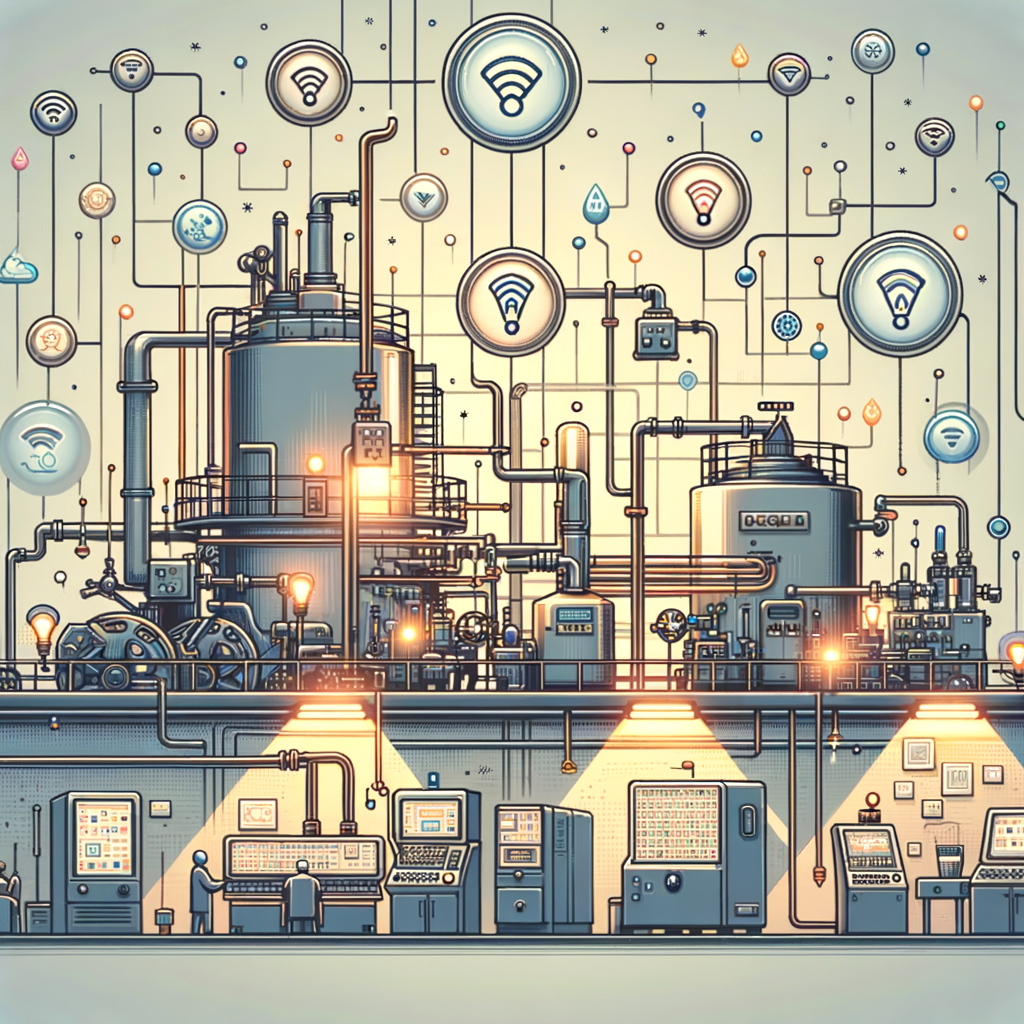
AI-enabled robotic sorting systems offer significant improvements in the speed and accuracy of waste separation processes, thereby increasing the quality and yield of recycled materials. Moreover, digital twins—virtual models that simulate physical processes—are being utilized to monitor and optimize waste management operations in real-time. By analyzing data from IoT sensors embedded within waste management infrastructure, these models provide actionable insights for improving process efficiencies, reducing operational costs, and minimizing environmental impacts.
Moreover, blockchain technology is emerging as a transformative force in polymer waste tracking, ensuring transparency and traceability throughout the waste value chain. By providing an immutable record of material transactions, blockchain ensures that waste is responsibly managed from collection to final recycling or disposal. This transparency not only instills consumer trust but also encourages greater investment and innovation in polymer waste management solutions.
Together, these tools enable a more coordinated and efficient waste management ecosystem, aligning with the broader goals of resource conservation and environmental protection. The combination of advanced digital platforms with traditional waste management techniques exemplifies the convergence of technology and sustainability towards achieving resource-efficient polymer waste management systems.
Conclusion
Innovations in polymer waste management are reshaping the landscape of environmental sustainability, offering solutions that extend beyond traditional disposal methods. Through the convergence of advanced recycling, biodegradable polymers, upcycling, and data-driven processes, it is possible to tackle the polymer waste crisis more effectively than ever before. These advancements not only mitigate environmental harm but also create opportunities for economic growth, resource conservation, and societal well-being.
However, the successful implementation of these innovations requires a collaborative effort between governments, industries, academia, and consumers. Policymakers must incentivize sustainable practices while regulating against environmentally detrimental actions. Industries should prioritize investment in research and development, embedding sustainability into their operations. Simultaneously, consumers play a critical role by adopting sustainable consumption habits and advocating for eco-friendly products.
The journey toward sustainable polymer waste management is complex and multifaceted, but with continued innovation and collaboration, the detrimental impacts of polymer waste can be significantly reduced. As we embrace these new technologies and processes, we pave the way for a cleaner and more sustainable future, ensuring that future generations inherit a healthier planet. Through collective commitment and action, the monumental challenge of polymer waste management can be transformed into an opportunity for positive environmental change, demonstrating that with the right strategies and innovations, a sustainable balance between human activity and nature is within reach.