The rapid evolution of the Internet of Things (IoT) is transforming the landscape of many industries, including polymer production. As the demand for polymers continues to grow globally, manufacturers are seeking innovative ways to enhance production efficiency, reduce waste, and improve product quality. IoT, with its network of interconnected devices, offers a remarkable solution by enabling real-time data acquisition and analysis, thus providing insights that drive informed decision-making processes. This article delves into how IoT is being integrated into polymer production, boosting efficiency through predictive maintenance, process optimization, inventory management, and quality control. By leveraging IoT capabilities, polymer manufacturers can achieve significant enhancements in operational efficiency, cost-effectiveness, and overall competitive advantage. In this comprehensive exploration, we’ll discuss the substantial impact of IoT on polymer manufacturing, providing insights into its application, esteemed benefits, and transformative potential for the industry.
Integrating IoT with Polymer Production Processes
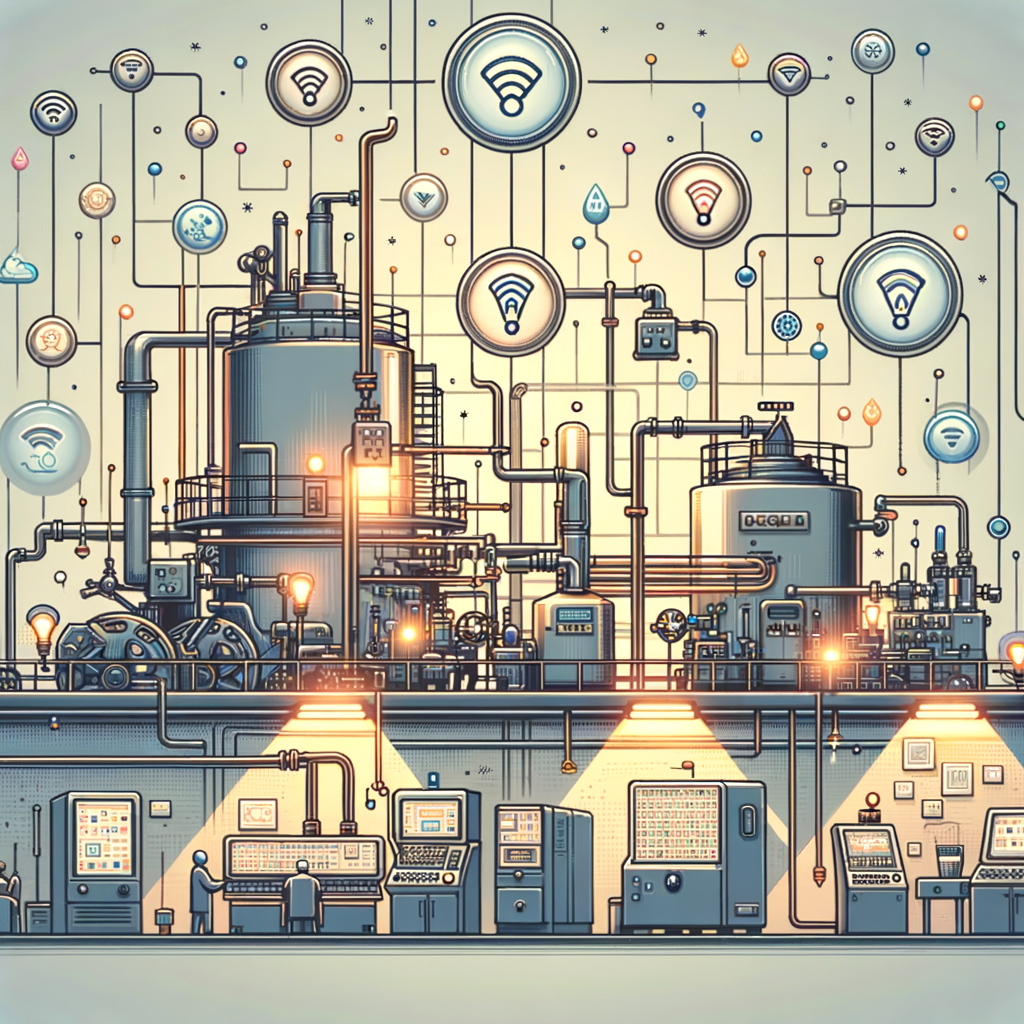
The integration of IoT in polymer production begins with the deployment of sensors and devices that collect data from various stages of the production process. These sensors are strategically embedded in machinery, storage units, and even transportation systems to monitor parameters such as temperature, pressure, humidity, and equipment vibration. The data collected is transmitted to cloud-based platforms where it is analyzed to identify patterns, anomalies, and trends.
Polymer production involves several crucial steps, including polymerization, extrusion, molding, and finishing. Each of these stages can benefit from IoT-driven insights. For instance, during polymerization, IoT sensors can monitor and adjust the chemical reactions in real-time to ensure optimal conditions, thereby increasing yield and reducing waste. In extrusion and molding, IoT data can facilitate precise control over the machinery, minimizing defects and improving the consistency of the finished products. By enhancing the overall process visibility, IoT technologies enable manufacturers to proactively address issues, such as equipment failures or quality deviations, ultimately leading to higher efficiency and reduced downtime.
Predictive Maintenance and Reduced Downtime
One of the most significant advantages of incorporating IoT into polymer production is the ability to implement predictive maintenance techniques, which can drastically reduce equipment downtime. Traditional maintenance strategies often rely on scheduled intervals or reactive repairs, which can lead to costly and unexpected machinery breakdowns. IoT-enabled systems, on the other hand, continuously monitor the health and performance of equipment through sensors that measure vibrations, temperature fluctuations, and other critical indicators of machine wear.
By analyzing this real-time data, predictive algorithms can accurately forecast potential equipment failures before they occur. Maintenance teams receive alerts and insights, empowering them to perform necessary interventions at the most opportune times, thus avoiding disruptive production halts. The result is enhanced machinery uptime, prolonged equipment lifespan, and substantial cost savings, all of which contribute to more efficient operational processes within polymer production facilities.
Process Optimization through Real-Time Analytics
IoT drives process optimization in polymer production by enabling real-time data analytics that inform decision-making. Through IoT, manufacturers gain access to a continuous stream of data that can be used to refine process parameters, boost production output, and minimize energy consumption. For example, in the polymer extrusion process, IoT data analytics might suggest adjustments in temperature or pressure settings to optimize energy use and achieve faster processing speeds without compromising product quality.
Real-time analytics empower manufacturers to make swift adjustments to production variables, accommodating changing conditions and maintaining steady operation levels. This dynamic approach enhances the adaptability of production lines, allowing manufacturers to respond efficiently to market demands and new opportunities. Moreover, process optimization driven by IoT contributes to environmental sustainability by minimizing waste and reducing the carbon footprint of polymer production.
Improved Quality Control and Assurance
Quality control is a critical aspect of polymer production, where even minor deviations can lead to significant variations in the final product properties. IoT technologies facilitate enhanced quality control and assurance by providing granular visibility into the production process. Sensors capture detailed data on product attributes, such as weight, dimensions, and molecular structure, at various production stages.
This comprehensive data collection, coupled with advanced analytics, enables manufacturers to detect deviations from desired specifications swiftly. Immediate corrective actions can be taken, ensuring that the end products meet rigorous quality standards. By refining quality control processes, IoT not only improves product quality but also enhances customer satisfaction and strengthens market credibility.
Streamlined Inventory Management and Supply Chain Efficiency
Incorporating IoT into polymer production extends its benefits to inventory management and supply chain optimization. IoT devices can track raw materials, intermediate products, and finished goods throughout the production lifecycle, offering real-time visibility into inventory levels. This visibility helps in avoiding overproduction or shortages, thereby optimizing stock levels and reducing inventory carrying costs.
Moreover, IoT-enabled supply chain monitoring facilitates precise tracking of material flows, ensuring timely deliveries and minimizing the risk of supply chain disruptions. By providing accurate insights into inventory status and movement patterns, IoT technology supports the strategic planning and efficient management of supply chain operations, ultimately contributing to smoother production cycles and improved resource allocation.
Conclusion
In conclusion, the integration of IoT into polymer production is ushering in a new era of efficiency, precision, and profitability for the industry. By offering real-time data insights into every facet of production, IoT enables manufacturers to optimize processes, improve quality, and maintain equipment with greater foresight and effectiveness. The ability to anticipate maintenance needs and streamline inventory management further contributes to reduced operational costs and enhanced product quality. As the polymer industry continues to grow, the adoption of IoT solutions will likely become a critical factor in maintaining a competitive edge. Furthermore, the environmental benefits achieved through process optimization and waste reduction align with the increasing emphasis on sustainable practices. The transformative potential of IoT in polymer production is immense, with its capabilities continuously evolving to meet the dynamic needs of the industry. Manufacturers embracing this technology will be better positioned to navigate the challenges and opportunities of the modern manufacturing landscape, driving innovation and excellence in polymer production for years to come.